Chemical Peel Types: 4 Powerful Options for Radiant Skin Renewal
Chemical peel types offer a transformative pathway to radiant, healthier skin. These versatile treatments are designed to exfoliate the skin’s outer layers, revealing a smoother, more even-toned complexion beneath. Understanding the different options available is the first step toward achieving your aesthetic goals and unlocking your skin’s full potential.
From addressing fine lines and wrinkles to combating acne scars and hyperpigmentation, chemical peels provide a powerful solution for various skin concerns. This comprehensive guide will explore the primary categories of chemical peel types, detailing their unique benefits, expected results, and what makes each suitable for different skin needs. We aim to empower you with the knowledge to make informed decisions about your skin rejuvenation journey.
Key Takeaways
- Discover the three main categories of chemical peel types: superficial, medium, and deep, each offering distinct benefits for skin renewal.
- Understand how specific chemical peel types, like TCA or salicylic acid, target concerns such as acne scars, hyperpigmentation, and fine lines.
- Learn about the importance of professional consultation to determine the ideal chemical peel types for your unique skin and desired outcomes.
- Gain insight into the recovery process and potential side effects associated with various chemical peel types, ensuring you are well-prepared for your treatment.
Understanding Chemical Peel Types: Your Path to Radiant Skin Renewal
When considering skin rejuvenation, exploring the various chemical peel types is essential. These treatments involve applying a chemical solution to the skin, which exfoliates the damaged outer layers, promoting new cell growth and revealing fresher, healthier skin. The depth of penetration determines the type of peel and the concerns it can effectively address.
There are generally three main categories of chemical peel types: superficial (light), medium, and deep. Each category utilizes different chemical agents and concentrations to achieve varying levels of exfoliation and skin renewal. Knowing the distinctions among these options is crucial for selecting the most appropriate treatment for your skin’s specific needs and desired results.
What are the different types of chemical peels available?
The different chemical peel types available are categorized by how deeply they penetrate the skin. Superficial peels work on the outermost layer, the epidermis. Medium peels reach the outer and middle layers of the skin. Deep peels penetrate even further, into the middle layer of the dermis, offering the most dramatic transformation.
What is the difference between a light, medium, and deep chemical peel?
The primary difference among chemical peel types lies in their depth of penetration and the skin conditions they address. A light (superficial) peel exfoliates only the outermost layer of skin, ideal for mild issues like dullness and minor texture irregularities. A medium peel penetrates the outer and middle layers, effectively treating more pronounced concerns like fine lines, moderate sun damage, and certain types of hyperpigmentation.
A deep peel goes further into the middle layer of the dermis, offering the most dramatic results for severe wrinkles and deep scars, though it involves significant downtime and is performed under strict medical supervision. Each of these chemical peel types offers unique benefits.
Superficial Chemical Peel Types: Gentle Exfoliation for a Brighter Glow
Superficial chemical peel types are the mildest form of chemical exfoliation. They are excellent for those seeking a refreshed appearance with minimal downtime. These peels typically use alpha hydroxy acids (AHAs) like glycolic acid or lactic acid, or beta hydroxy acids (BHAs) such as salicylic acid. They primarily target the epidermis to improve skin texture, tone, and luminosity.
These gentle chemical peel types are perfect for addressing mild sun damage, uneven skin tone, and fine lines. They can also help to unclog pores and reduce the appearance of minor blemishes. Regular superficial peels can maintain a healthy, vibrant complexion, making them a popular choice for ongoing skin maintenance.
How do glycolic and salicylic acid peels differ?
Glycolic acid and salicylic acid are two common agents used in superficial chemical peel types, but they function differently. Glycolic acid is an alpha hydroxy acid (AHA) and is water-soluble, working primarily on the skin’s surface to exfoliate, improve texture, and brighten overall tone. Salicylic acid is a beta hydroxy acid (BHA) and is oil-soluble, meaning it can penetrate deeper into the pores to dissolve oil and debris, making it particularly effective for treating acne, blackheads, and oily skin concerns.
Both are effective chemical peel types for various issues.
Medium Chemical Peel Types: Addressing Deeper Concerns
Medium chemical peel types penetrate deeper into the skin than superficial peels, reaching the outer and middle layers of the dermis. Trichloroacetic acid (TCA) is the most common agent used for these peels, often in varying concentrations. These peels are highly effective for treating more significant skin issues that superficial peels cannot fully address.
These powerful chemical peel types are ideal for reducing fine lines and wrinkles, correcting sun damage, minimizing age spots, and improving moderate hyperpigmentation. They stimulate collagen production, leading to a smoother, firmer, and more youthful complexion. The recovery time is longer than superficial peels but the results are more pronounced and long-lasting.
What is a TCA peel and how does it compare to other types?
A TCA (Trichloroacetic Acid) peel is a medium-depth chemical peel type, making it more powerful than superficial chemical peel types like glycolic or salicylic acid peels. TCA peels are highly effective for treating fine lines, wrinkles, sun damage, age spots, and moderate acne scars. They penetrate deeper into the skin to stimulate significant collagen production, resulting in more noticeable and long-lasting skin renewal compared to lighter peels, though with a longer recovery period.
This makes it one of the most versatile chemical peel types for moderate concerns.
Deep Chemical Peel Types: Transformative Results for Severe Imperfections
Deep chemical peel types are the most intensive and provide the most dramatic results. These peels use stronger agents, historically phenol, to penetrate deeply into the skin’s middle layer. Due to their intensity and potential for significant downtime, deep peels are less commonly performed today and require strict medical supervision, often in an operating room setting.
These transformative chemical peel types are reserved for severe skin concerns, such as deep wrinkles, extensive sun damage, significant scarring, and some precancerous growths. While offering profound and long-lasting skin transformation, they also involve considerable recovery time and potential risks. Patients considering deep chemical peel types must undergo a thorough evaluation by a qualified medical professional.
Choosing the Right Chemical Peel Types for Your Unique Skin
Selecting the appropriate chemical peel types is a personalized process that depends on your skin type, concerns, and desired outcomes. A professional consultation with a board-certified dermatologist or aesthetic surgeon is crucial to assess your skin’s condition and recommend the most effective and safest treatment plan. They will consider factors like skin sensitivity, history of skin conditions, and previous aesthetic treatments.
Are there specific chemical peel types for sensitive skin?
Individuals with sensitive skin can still benefit from chemical peel types, but a gentler approach is necessary. Superficial peels with lower concentrations of alpha hydroxy acids (AHAs), such as lactic acid, are often a good starting point. Enzyme peels also provide mild exfoliation without significant irritation, making them suitable for delicate complexions seeking skin renewal benefits.
Always consult with a skincare expert to determine the safest and most effective option for your unique skin type and to explore suitable chemical peel types.
Which chemical peel type is most effective for hyperpigmentation?
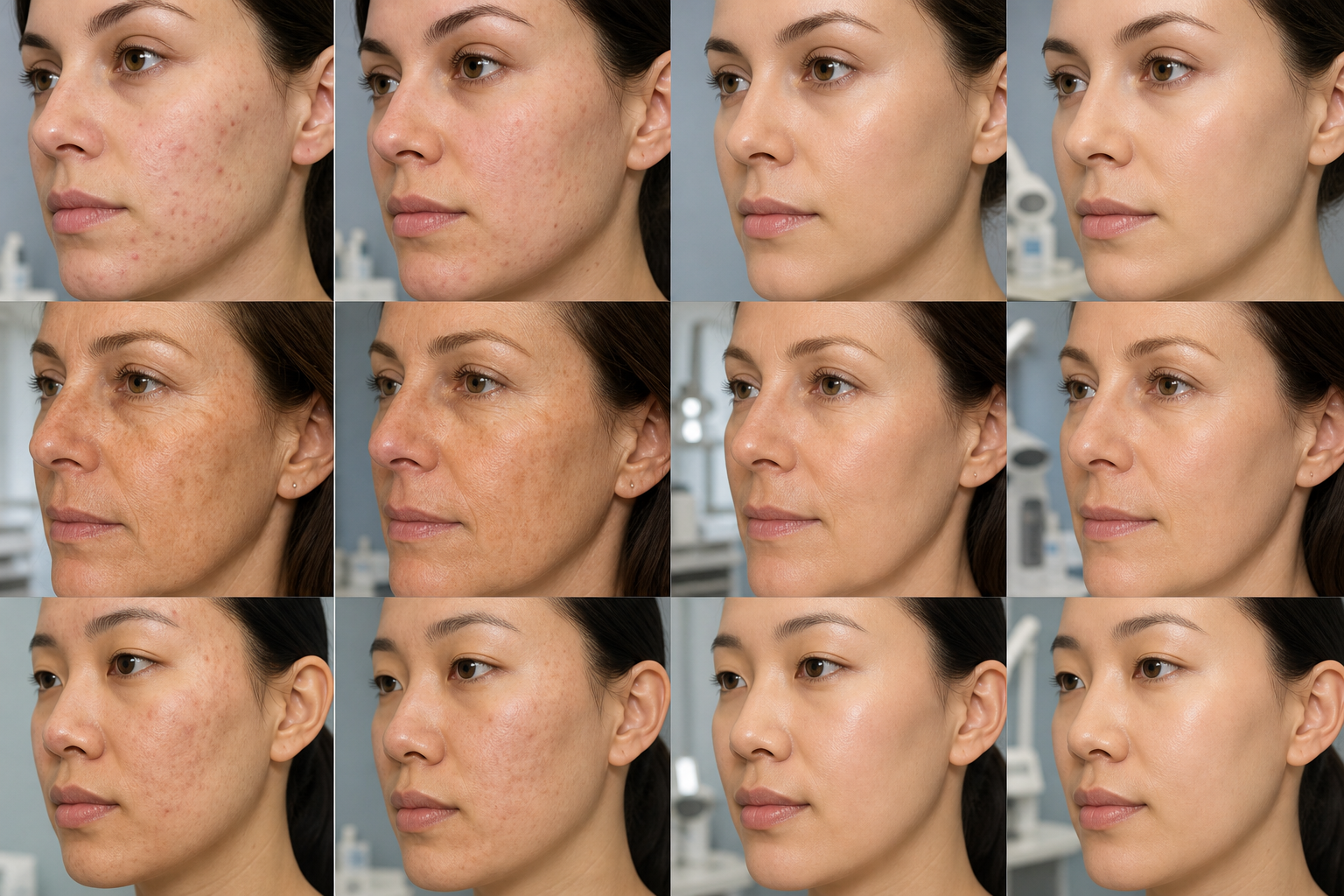
For hyperpigmentation, including sun spots, age spots, and melasma, medium-depth chemical peel types are often most effective. TCA peels are particularly powerful in breaking down pigment and promoting an even skin tone. Superficial peels containing ingredients like glycolic acid or salicylic acid can also be beneficial for milder cases and for maintaining results. The choice among chemical peel types for hyperpigmentation will depend on the severity and depth of the discoloration.
Which type of chemical peel is best for acne scars?
For improving acne scars, medium-depth chemical peel types are generally most effective. Trichloroacetic acid (TCA) peels are a popular choice as they penetrate deeper than superficial peels, stimulating collagen production and helping to smooth the texture of acne-scarred skin. The specific depth and concentration will depend on the severity and type of scars, requiring a thorough consultation with a qualified professional to select the best of the available chemical peel types.
Discover the Ideal Chemical Peel Types for Your Skin at The Face Doctor of Florida
Our board-certified surgeon, Dr. Shashi Kusuma, offers advanced, personalized chemical peel treatments to rejuvenate your skin, ensuring natural-looking and radiant results.
The Chemical Peel Types Procedure: What to Expect
Understanding the procedure for various chemical peel types can help alleviate any concerns and prepare you for your treatment. While the specifics vary depending on the depth of the peel, the general process involves preparation, application, and post-treatment care. Your practitioner will provide detailed instructions tailored to your chosen chemical peel type.
Pre-Treatment Preparation for Chemical Peel Types
Before undergoing any of the chemical peel types, your skin may require some preparation. This often includes using specific skincare products, such as retinoids or hydroquinone, for several weeks prior to the peel. This preparation helps to optimize the skin for the peel, ensuring better results and reducing the risk of complications. Always follow your practitioner’s pre-treatment guidelines meticulously.
During Your Chemical Peel Types Session
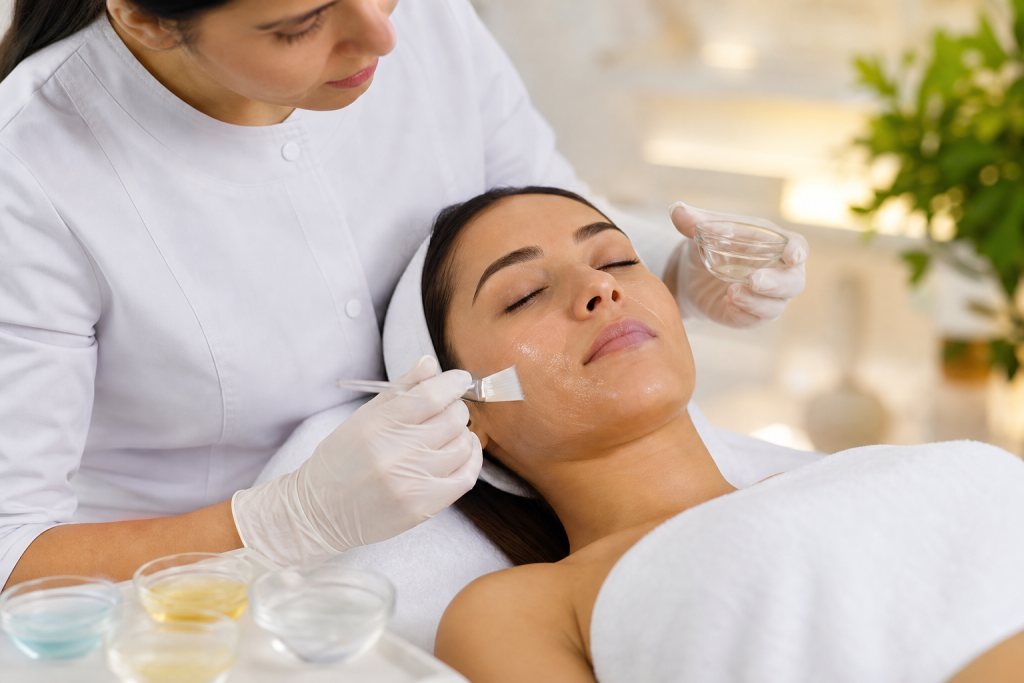
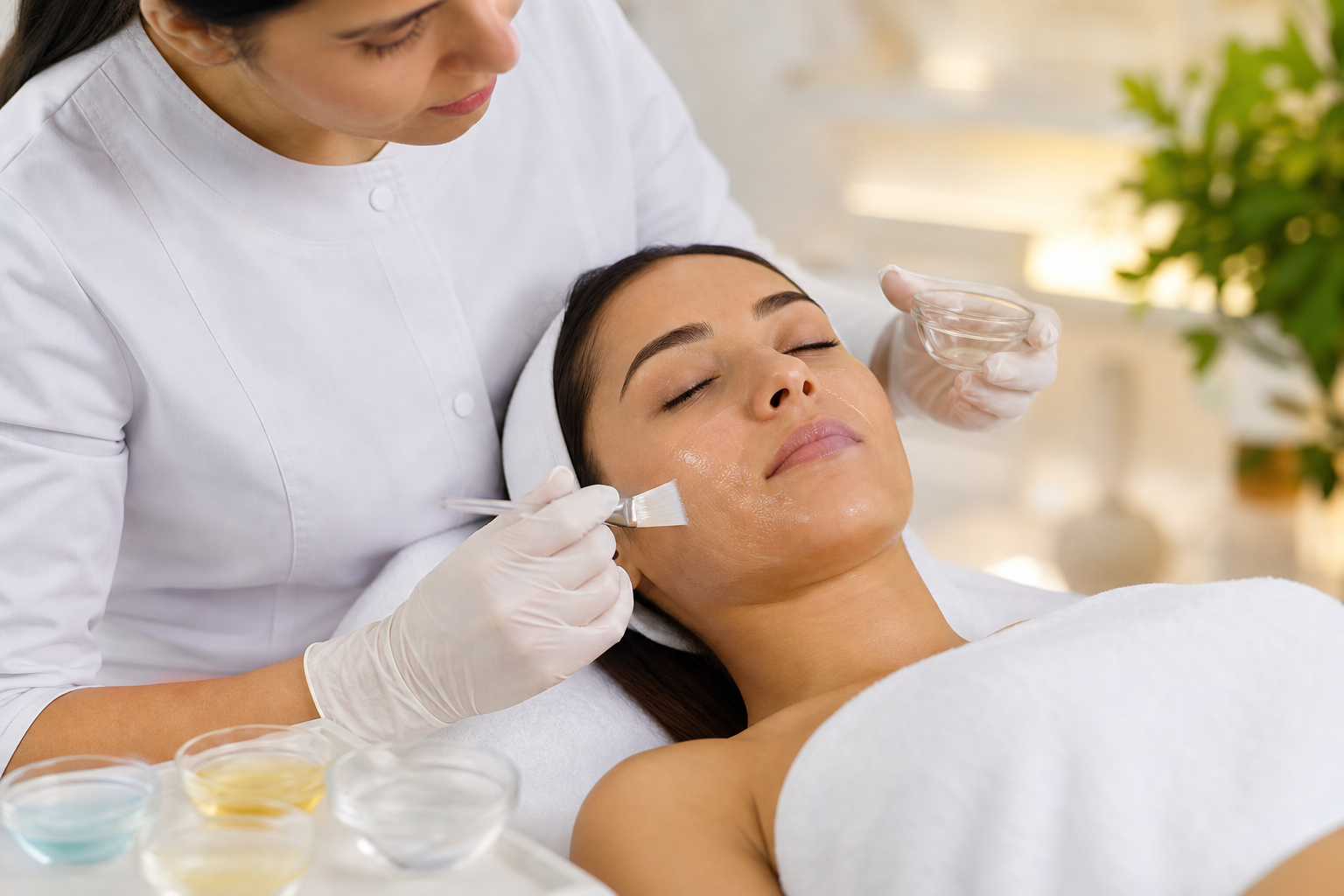
During the treatment, the skin is thoroughly cleansed, and the chemical solution is carefully applied. You may experience a tingling, stinging, or warm sensation, which varies in intensity depending on the depth of the chemical peel types used. The solution is left on for a specific amount of time before being neutralized or washed off. Your comfort and safety are paramount throughout the entire process.
Post-Treatment Care and Recovery for Chemical Peel Types
After your chemical peel, proper aftercare is crucial for optimal healing and results. Your skin will be sensitive and may appear red, swollen, or flaky. It is vital to protect your skin from sun exposure, use gentle cleansers and moisturizers, and avoid picking or peeling the skin. The recovery time varies significantly among the different chemical peel types.
What are the side effects associated with various chemical peel types?
Side effects vary significantly across different chemical peel types. Light peels typically cause mild redness, dryness, and flaking for a few days. Medium peels result in more noticeable redness, swelling, and potential crusting or scabbing, with recovery taking about 5-7 days. Deep peels, while less common, involve significant redness, swelling, blistering, and considerable downtime, carrying risks such as infection, scarring, and permanent pigment changes. Always follow post-peel care instructions carefully for all chemical peel types.
What is the recovery time for each type of chemical peel?
Recovery times differ significantly among chemical peel types. For light chemical peels, downtime is minimal, usually involving 1-7 days of mild redness and flaking. Medium-depth peels require a recovery period of approximately 5-7 days, during which you can expect more pronounced redness, swelling, and peeling. Deep chemical peels have the longest recovery, typically 2-3 weeks for initial healing, with residual redness potentially lasting for several months. Adhering to post-care instructions is crucial for optimal healing across all chemical peel types.
How often can you safely get different types of chemical peels?
The frequency for safely receiving different chemical peel types depends directly on their depth and intensity. Superficial or light chemical peels can often be performed every 2-4 weeks to maintain results. Medium-depth peels are typically recommended every 3 to 6 months. Deep chemical peels are generally a one-time treatment due to their significant impact and extended recovery period, offering long-lasting skin renewal.
Your skincare professional will recommend a personalized schedule based on your skin’s needs and response to various chemical peel types.
Professional vs. At-Home Chemical Peel Types
The accessibility of skincare products has led to a rise in at-home chemical peels. However, it is crucial to understand the significant differences between professional and at-home chemical peel types. While at-home options can offer mild exfoliation, they cannot replicate the depth, efficacy, or safety of professional treatments.
Can I perform different types of chemical peels at home?
While there are many at-home products marketed as
What are the different types of chemical peels available?
Chemical peel types are broadly categorized by their penetration depth: superficial, medium, and deep. Superficial peels often use AHAs (like glycolic acid) or BHAs (like salicylic acid). Medium peels typically use TCA. Deep peels, which are less common today, use phenol. Each type targets different skin concerns, from mild discoloration to deeper wrinkles and scarring, offering powerful options for skin renewal.
What is the difference between a light, medium, and deep chemical peel?
The primary difference among chemical peel types lies in their depth of penetration and the skin conditions they address. A light (superficial) peel exfoliates only the outermost layer of skin, ideal for mild issues. A medium peel penetrates the outer and middle layers, effectively treating more pronounced concerns like fine lines and moderate sun damage.
A deep peel goes further into the middle layer of the dermis, offering the most dramatic results for severe wrinkles and deep scars, though it involves significant downtime and is performed under strict medical supervision.
Which type of chemical peel is best for acne scars?
For improving acne scars, medium-depth chemical peel types are generally most effective. Trichloroacetic acid (TCA) peels are a popular choice as they penetrate deeper than superficial peels, stimulating collagen production and helping to smooth the texture of acne-scarred skin. The specific depth and concentration will depend on the severity and type of scars, requiring a thorough consultation with a qualified professional.
Are there specific chemical peel types for sensitive skin?
Individuals with sensitive skin can still benefit from chemical peel types, but a gentler approach is necessary. Superficial peels with lower concentrations of alpha hydroxy acids (AHAs), such as lactic acid, are often a good starting point. Enzyme peels also provide mild exfoliation without significant irritation, making them suitable for delicate complexions seeking skin renewal benefits. Always consult with a skincare expert to determine the safest and most effective option for your unique skin type.
What are the benefits of each chemical peel type for skin rejuvenation?
Each of the chemical peel types offers distinct benefits for skin rejuvenation. Light peels are excellent for improving skin texture, tone, and luminosity, providing a refreshed appearance. Medium peels are powerful for reducing fine lines, wrinkles, sun damage, age spots, and certain types of hyperpigmentation, revealing smoother, clearer skin. Deep peels offer the most dramatic results, significantly reducing deep wrinkles, severe sun damage, and some precancerous growths, leading to profound and long-lasting skin transformation.
What is a TCA peel and how does it compare to other types?
A TCA (Trichloroacetic Acid) peel is a medium-depth chemical peel, making it more powerful than superficial chemical peel types like glycolic or salicylic acid peels. TCA peels are highly effective for treating fine lines, wrinkles, sun damage, age spots, and moderate acne scars. They penetrate deeper into the skin to stimulate significant collagen production, resulting in more noticeable and long-lasting skin renewal compared to lighter peels, though with a longer recovery period.
How do glycolic and salicylic acid peels differ?
Glycolic acid and salicylic acid are two common agents used in superficial chemical peel types, but they function differently. Glycolic acid is an alpha hydroxy acid (AHA) and is water-soluble, working primarily on the skin’s surface to exfoliate, improve texture, and brighten overall tone. Salicylic acid is a beta hydroxy acid (BHA) and is oil-soluble, meaning it can penetrate deeper into the pores to dissolve oil and debris, making it particularly effective for treating acne, blackheads, and oily skin concerns.
What are the side effects associated with various chemical peel types?
Side effects vary significantly across different chemical peel types. Light peels typically cause mild redness, dryness, and flaking for a few days. Medium peels result in more noticeable redness, swelling, and potential crusting or scabbing, with recovery taking about 5-7 days. Deep peels, while less common, involve significant redness, swelling, blistering, and considerable downtime, carrying risks such as infection, scarring, and permanent pigment changes. Always follow post-peel care instructions carefully.
How often can you safely get different types of chemical peels?
The frequency for safely receiving different chemical peel types depends directly on their depth and intensity. Superficial or light chemical peels can often be performed every 2-4 weeks to maintain results. Medium-depth peels are typically recommended every 3 to 6 months. Deep chemical peels are generally a one-time treatment due to their significant impact and extended recovery period, offering long-lasting skin renewal. Your skincare professional will recommend a personalized schedule based on your skin’s needs and response.
What is the recovery time for each type of chemical peel?
Recovery times differ significantly among chemical peel types. For light chemical peels, downtime is minimal, usually involving 1-7 days of mild redness and flaking. Medium-depth peels require a recovery period of approximately 5-7 days, during which you can expect more pronounced redness, swelling, and peeling. Deep chemical peels have the longest recovery, typically 2-3 weeks for initial healing, with residual redness potentially lasting for several months. Adhering to post-care instructions is crucial for optimal healing.
Learn more from authoritative resources: Consumer Reports and HGTV.