Fat grafting results: 5 Incredible Transformations for Youthful Contours
The quest for a revitalized appearance often leads to innovative solutions that harness the body’s own regenerative power. Fat grafting results offer a remarkable path to restoring youthful contours and natural volume, providing an aesthetic transformation that feels authentically you. This sophisticated procedure, also known as fat transfer or autologous fat transplantation, involves harvesting fat cells from one area of the body and carefully reinjecting them into another to enhance volume, smooth lines, and sculpt a more harmonious silhouette.
In this comprehensive guide, we will delve into the science and artistry behind fat grafting, exploring the incredible outcomes it can achieve. We’ll uncover the factors that contribute to successful, long-lasting results, detail what patients can expect throughout their journey, and highlight why choosing an expert surgeon is paramount for achieving the stunning, natural-looking rejuvenation you desire. Prepare to discover how this powerful technique can unlock a more confident, youthful version of yourself.
Key Takeaways
- Understand how fat grafting utilizes your body’s own tissue for natural, long-lasting volume restoration and contouring.
- Discover the critical factors, including surgical technique and patient care, that significantly influence the success and longevity of fat grafting results.
- Learn about the diverse applications of fat grafting, from facial rejuvenation to body sculpting, and the specific incredible transformations possible.
- Gain insights into the typical timeline for seeing final results and essential post-operative care to optimize your outcome.
- Recognize the importance of selecting a qualified, experienced surgeon for achieving superior and aesthetically pleasing fat grafting results.
Understanding the Science Behind Incredible Fat Grafting Results
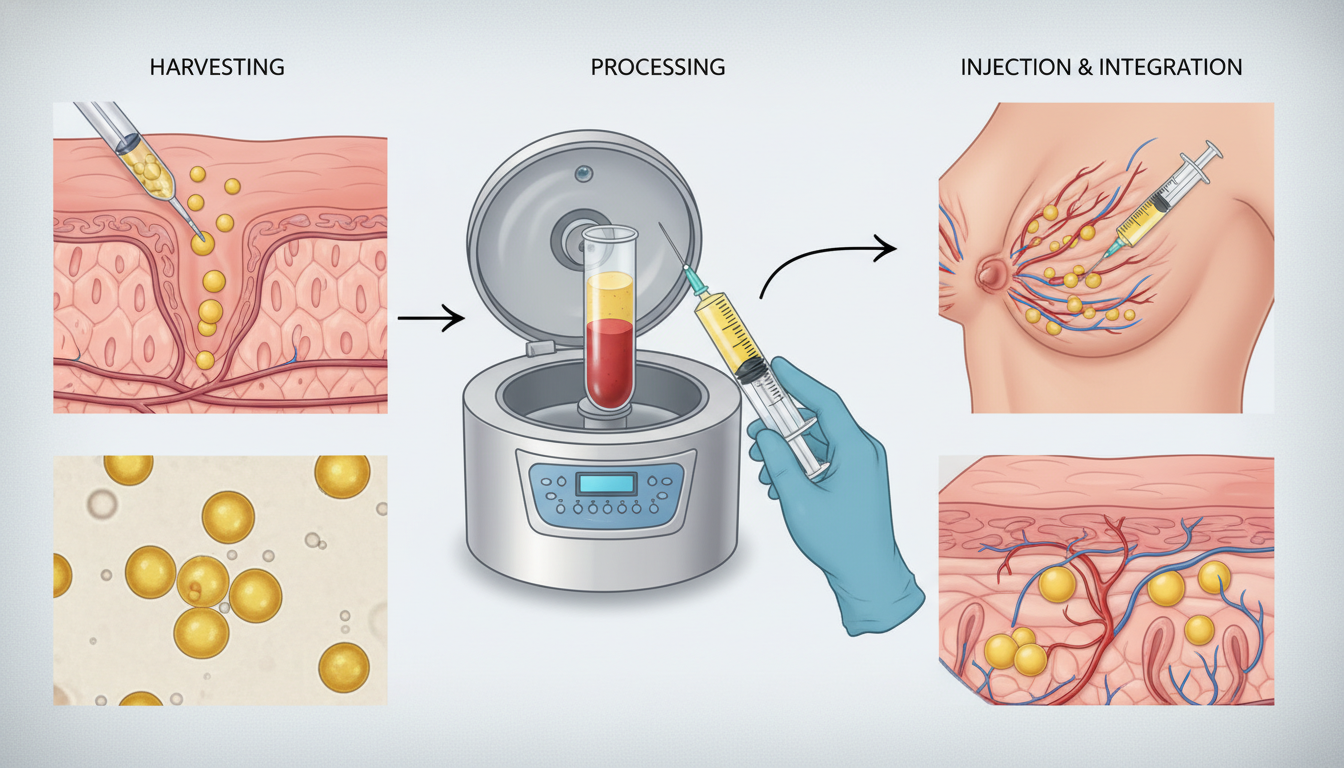
Fat grafting is a sophisticated procedure that leverages your body’s own living tissue to restore volume and enhance contours. Unlike synthetic fillers, which are eventually absorbed, fat grafting offers the potential for permanent results because it involves transplanting living cells. The success of this procedure hinges on the careful technique used during each stage: harvesting, processing, and reinjection. This meticulous approach ensures the viability of the fat cells, which is crucial for achieving truly incredible fat grafting results.
At its core, fat grafting involves three main steps. First, fat is gently harvested from a donor site, typically areas like the abdomen, flanks, or thighs, using a delicate liposuction technique. This ensures the fat cells remain intact and healthy. Second, the harvested fat is processed to purify it, separating viable fat cells from fluids, blood, and damaged cells. This purification step is vital for maximizing the survival rate of the transferred fat. Finally, the purified fat is meticulously injected into the recipient area using tiny cannulas, ensuring even distribution and optimal contact with existing tissue for revascularization.
The Journey of Fat Grafting: From Harvest to Lasting Results
The journey of fat cells from donor to recipient site is critical for achieving lasting fat grafting results. Once injected, these fat cells need to establish a new blood supply to survive and thrive. This process, known as revascularization, takes several weeks. The percentage of grafted fat that usually survives after the procedure typically ranges from 50% to 70%, though advanced techniques and patient factors can sometimes lead to higher survival rates. This initial survival rate is key to the long-term success of the procedure.
What are the expected long-term results of fat grafting? The long-term fat grafting results are generally excellent and can be permanent for the fat cells that successfully integrate and establish a new blood supply. Once these cells are vascularized, they behave like native fat cells, growing and shrinking with your body’s natural weight fluctuations. This means sustained volume and contour improvements for many years, often permanently.
Is fat grafting a permanent solution for volume loss? Yes, fat grafting can be a permanent solution for volume loss. The fat cells that successfully integrate into the new site after blood supply is established will remain viable. This makes it an attractive option for those seeking enduring aesthetic enhancements without the need for repeated synthetic filler injections.
5 Incredible Transformations: Achieving Youthful Fat Grafting Results
Fat grafting offers a versatile solution for addressing volume loss and enhancing contours across various parts of the body. The ability to use your own tissue minimizes allergic reactions and provides a remarkably natural look and feel. These incredible transformations highlight why fat grafting results are so highly sought after, delivering subtle yet significant improvements that rejuvenate and harmonize your appearance.
Which body areas yield the most successful fat grafting outcomes? Areas with good vascularity tend to yield the most successful fat grafting outcomes. These include the face (cheeks, temples, undereyes, lips), breasts for augmentation or reconstruction, hands for rejuvenation, and buttocks for enhancement (Brazilian Butt Lift). Each area benefits from the unique properties of autologous fat, creating soft, natural contours.
Facial Rejuvenation: Stunning Fat Grafting Results for Youthful Contours
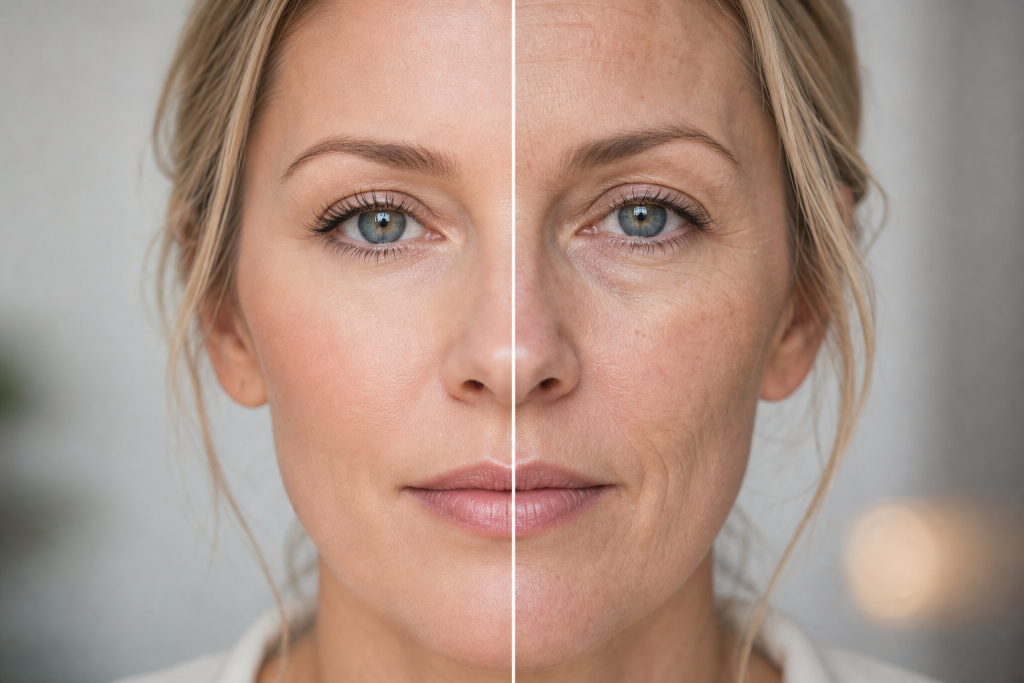
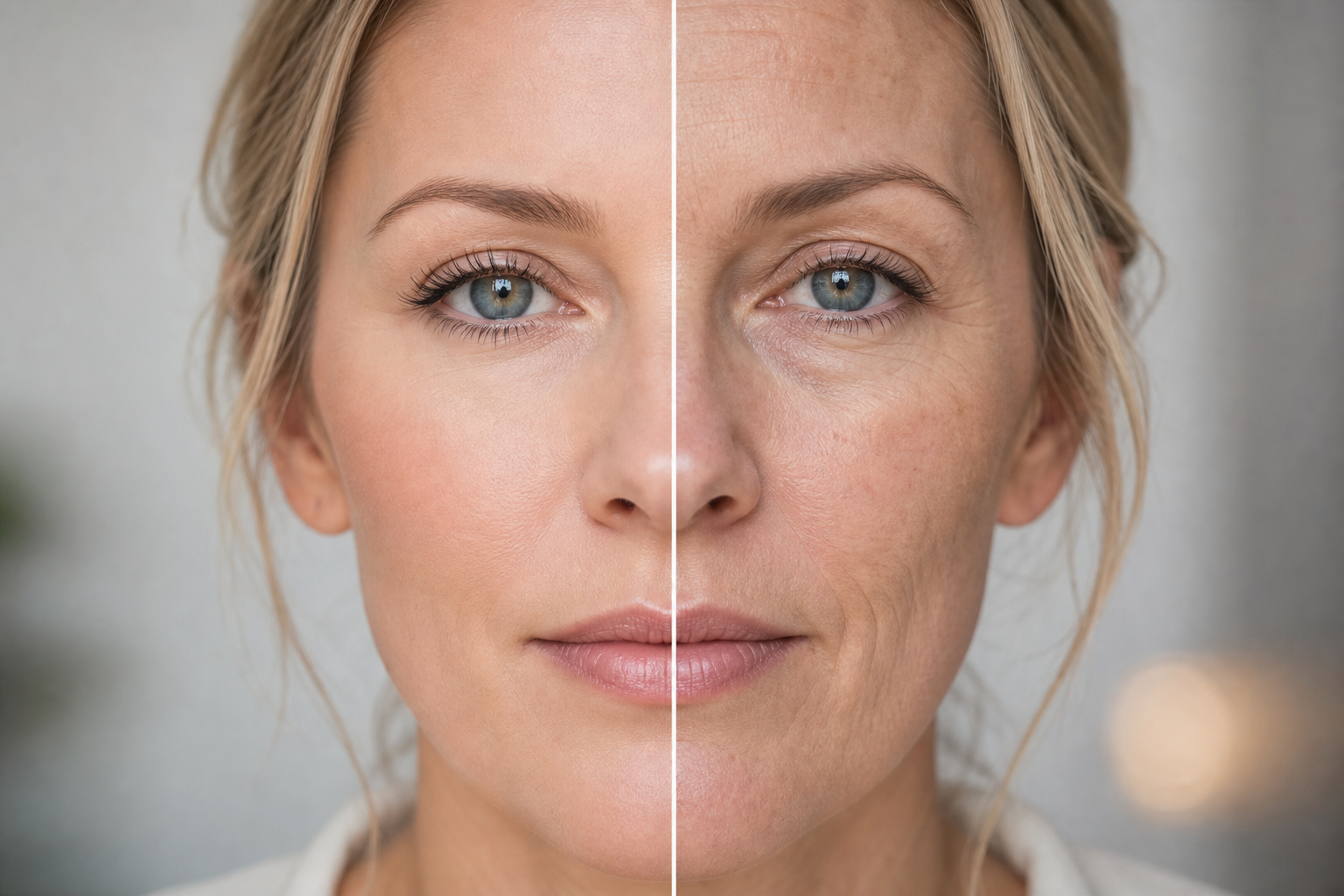
Facial fat grafting is a cornerstone of natural facial rejuvenation. As we age, the face often loses volume in areas like the cheeks, temples, and under-eyes, leading to a hollowed or tired appearance. Fat transfer can meticulously restore this lost volume, smoothing wrinkles and folds, enhancing cheekbones, and filling in hollows for a refreshed and youthful look. The difference in results between facial fat grafting and breast fat grafting lies in the specific aesthetic goals; facial grafting aims for subtle volume restoration and contour refinement, while breast grafting focuses on modest augmentation or reconstruction.
For instance, adding volume to the cheeks can lift the mid-face, reducing the appearance of nasolabial folds and marionette lines. Fat can also be used to plump the lips, fill in temporal hollowing, and improve the appearance of dark circles under the eyes. The goal is always to achieve a balanced and harmonious facial contour that reflects a more youthful version of yourself, with stunning fat grafting results that look and feel completely natural.
Body Contouring: Natural Fat Grafting Results for Enhanced Silhouettes
Beyond the face, fat grafting is an exceptional tool for body contouring, offering natural enhancement without implants. Breast fat grafting results, for example, can provide a modest increase in breast size, correct asymmetry, or improve the appearance of breasts after lumpectomy. This technique is particularly valued for its ability to create a very natural feel and appearance, as it uses your body’s own tissue.
Similarly, the Brazilian Butt Lift (BBL) is a popular procedure that uses fat grafting to enhance the size and shape of the buttocks, creating a more curvaceous and balanced figure. Fat can also be used to rejuvenate the hands, minimizing the visibility of veins and tendons, and to correct contour irregularities or depressions on the body. These applications demonstrate the versatility and transformative potential of natural fat grafting results.
Achieve Incredible Fat Grafting Results with The Face Doctor of Florida
Restore youthful contours and natural volume with Dr. Shashi Kusuma’s expert fat grafting techniques, tailored for stunning, lasting transformations.
Optimizing Your Experience for Superior Fat Grafting Results
Achieving the best possible fat grafting results is a collaborative effort between you and your surgeon. While the surgeon’s skill is paramount, your preparation and adherence to post-operative care instructions play a significant role in the success and longevity of your outcome. Understanding the timeline for results and how to maintain them is crucial for a satisfying experience.
Many factors contribute to successful fat grafting results. These include the surgeon’s expertise, gentle harvesting techniques, proper fat processing, meticulous injection with tiny aliquots, and the recipient site’s vascularity. Patient health, lifestyle choices, and diligent post-operative care also play crucial roles. Why do some fat grafting procedures have better results than others? Variations in surgical technique, patient factors (e.g., age, health, fat quality), and post-operative adherence all contribute to differing outcomes. Choosing an experienced surgeon is the most critical factor.
Navigating Expectations: When to See Final Fat Grafting Results
When can I expect to see the final results of my fat grafting? You can expect to see the final fat grafting results approximately 3 to 6 months after the procedure. Initial swelling will subside over weeks, and the surviving fat cells will stabilize and settle into their new location within this period. It’s important to be patient during this time, as the body needs time to heal and for the grafted fat to establish its new blood supply.
Understanding potential suboptimal fat grafting results is crucial for managing expectations. These can include uneven absorption, lumpiness, infection, scarring, overcorrection or undercorrection, and fat necrosis (death of fat cells). Choosing an experienced surgeon significantly minimizes these risks. A qualified surgeon will discuss all potential outcomes and ensure you are fully informed before proceeding.
Post-Operative Care for Enduring Fat Grafting Results
Are there specific post-operative care instructions to maintain fat grafting results? Yes, absolutely. To optimize your lifestyle for better fat grafting results, patients should avoid smoking, maintain a stable weight, stay hydrated, eat a healthy diet, and follow all post-operative instructions provided by your surgeon. This includes avoiding direct pressure on the treated areas, refraining from strenuous activity for a specified period, and wearing compression garments if advised.
Proper aftercare is essential for the survival of the grafted fat cells and for ensuring smooth, natural-looking contours. Your surgeon will provide detailed guidance tailored to your specific procedure and treated areas. Adhering to these instructions diligently will help maximize the survival rate of the fat cells and ensure the longevity of your beautiful transformation. For more detailed insights into surgical recovery, you can refer to authoritative sources like the American Society of Plastic Surgeons.
Fat Grafting vs. Synthetic Dermal Fillers: A Comparison of Results
When considering options for volume restoration and contour enhancement, patients often weigh the benefits of fat grafting against those of synthetic dermal fillers. Both have their unique advantages, and the choice depends on individual goals, desired longevity, and the specific areas being treated. Understanding the key differences in their approach and the nature of their fat grafting results is essential for making an informed decision.
Synthetic dermal fillers, such as hyaluronic acid-based products, offer immediate results and are often used for fine lines, subtle plumping, and areas requiring precise, temporary adjustments. They are also reversible, which can be an advantage for some patients. However, their effects are temporary, typically lasting from 6 to 18 months, requiring repeat treatments to maintain results. Fat grafting, on the other hand, provides a more permanent solution for the surviving fat cells, utilizing your body’s own tissue for a natural and enduring outcome.
Ultimately, the decision between fat grafting and synthetic fillers should be made in consultation with an experienced plastic surgeon. They can assess your aesthetic goals, discuss the pros and cons of each option, and recommend the best approach to achieve your desired fat grafting results. For those seeking long-term, natural volume restoration, fat grafting often stands out as the superior choice.
Your Investment in Fat Grafting: Longevity, Cost, and Safety
Choosing fat grafting is an investment in your appearance and confidence, offering long-lasting and natural-looking rejuvenation. The remarkable longevity of fat grafting results provides exceptional value, as the surviving fat cells become a permanent part of your body. This eliminates the need for frequent touch-ups often associated with temporary fillers, making it a cost-effective solution over time.
In terms of safety, fat grafting is generally considered a very safe procedure, as it uses your body’s own tissue, minimizing the risk of allergic reactions or rejection. However, like any surgical procedure, it carries some inherent risks, which should be thoroughly discussed with your surgeon. The safety profile is excellent when performed by a qualified and experienced plastic surgeon who adheres to strict sterile techniques and best practices.
Understanding the Cost and Finding an Expert for Excellent Fat Grafting Results
What is the average cost for fat grafting to achieve specific desired results? The average cost for fat grafting varies widely based on the treated area, the volume of fat transferred, the complexity of the procedure, geographic location, and the surgeon’s fees. A personalized consultation will provide a precise estimate tailored to your unique needs and aesthetic goals.
How do I find a qualified surgeon known for excellent fat grafting results? To find a qualified surgeon, look for board certification in plastic surgery, extensive experience specifically with fat transfer, positive patient reviews, and a robust portfolio of before-and-after photos demonstrating natural outcomes. What should I look for in a clinic’s portfolio of fat grafting before and after results? Look for clear, consistent lighting and angles, natural-looking improvements, a variety of patient examples, and evidence of long-term stability rather than just immediate post-op photos. This due diligence is crucial for ensuring you choose a surgeon who can deliver the exceptional results you desire.
Your Invitation to Lasting Rejuvenation with Fat Grafting
Fat grafting represents a powerful and natural approach to aesthetic enhancement, offering truly incredible transformations for youthful contours. By harnessing the regenerative potential of your body’s own fat, this procedure delivers results that are not only beautiful and harmonious but also long-lasting. The journey to achieving superior fat grafting results is a testament to the synergy between advanced surgical techniques and diligent patient care.
If you are considering restoring volume, smoothing lines, or enhancing your natural curves with a solution that feels authentically you, fat grafting may be the ideal choice. We invite you to explore the possibilities with a board-certified plastic surgeon who possesses both technical skill and an artistic eye. Your path to renewed confidence and a revitalized appearance begins with an informed conversation about how fat grafting can unlock your most radiant self.
What are the expected long-term results of fat grafting?
Long-term fat grafting results are generally excellent and can be permanent for the fat cells that survive the initial transfer. Once new blood supply is established, these cells thrive as natural tissue. Patients can expect sustained volume and contour improvements.
How long do the aesthetic improvements from fat transfer typically last?
Aesthetic improvements from fat transfer can last for many years, often permanently, for the surviving fat cells. The key is the initial survival rate; generally, 50-70% of grafted fat cells establish a new blood supply and become permanent.
What factors contribute to successful fat grafting results?
Successful fat grafting results depend on several factors: the surgeon’s expertise, gentle harvesting techniques, proper fat processing, meticulous injection with tiny aliquots, and the recipient site’s vascularity. Patient health and post-operative care also play crucial roles.
Is fat grafting a permanent solution for volume loss?
Yes, fat grafting can be a permanent solution for volume loss. The fat cells that successfully integrate into the new site after blood supply is established will remain viable, growing and shrinking with your body’s natural weight fluctuations, just like native fat.
Which body areas yield the most successful fat grafting outcomes?
Areas with good vascularity tend to yield the most successful fat grafting outcomes, including the face (cheeks, temples, undereyes, lips), breasts for augmentation or reconstruction, and hands for rejuvenation. Buttocks (Brazilian Butt Lift) also show excellent results.
What percentage of grafted fat usually survives after the procedure?
Typically, 50% to 70% of the grafted fat usually survives after the procedure. This survival rate is highly dependent on surgical technique, patient factors, and proper post-operative care. Some clinics report even higher survival rates with advanced methods.
When can I expect to see the final results of my fat grafting?
You can expect to see the final fat grafting results approximately 3 to 6 months after the procedure. Initial swelling will subside over weeks, and the surviving fat cells will stabilize and settle into their new location within this period.
What are the potential complications or suboptimal results of fat grafting?
Potential complications or suboptimal fat grafting results include uneven absorption, lumpiness, infection, scarring at the donor or recipient site, overcorrection or undercorrection, and fat necrosis (death of fat cells). Choosing an experienced surgeon minimizes these risks.
How can patients optimize their lifestyle for better fat grafting results?
Patients can optimize their lifestyle for better fat grafting results by avoiding smoking, maintaining a stable weight, staying hydrated, eating a healthy diet, and following all post-operative instructions, including avoiding pressure on the treated areas.
What is the difference in results between facial fat grafting and breast fat grafting?
While both procedures use autologous fat, facial fat grafting results aim for subtle volume restoration and contour refinement to reduce signs of aging. Breast fat grafting results aim for modest breast augmentation, asymmetry correction, or reconstruction with a very natural feel and appearance.
What is the average cost for fat grafting to achieve specific desired results?
The average cost for fat grafting to achieve specific desired results varies widely based on the treated area, the volume of fat transferred, the complexity of the procedure, geographic location, and the surgeon’s fees. A consultation provides a personalized estimate.
How do I find a qualified surgeon known for excellent fat grafting results?
To find a qualified surgeon known for excellent fat grafting results, look for board certification in plastic surgery, extensive experience specifically with fat transfer, positive patient reviews, and a robust portfolio of before-and-after photos demonstrating natural outcomes.
What should I look for in a clinic’s portfolio of fat grafting before and after results?
In a clinic’s portfolio of fat grafting before and after results, look for clear, consistent lighting and angles, natural-looking improvements, a variety of patient examples, and evidence of long-term stability rather than just immediate post-op photos.
Why do some fat grafting procedures have better results than others?
Some fat grafting procedures have better results than others due to variations in surgical technique (e.g., harvesting, processing, injection), patient factors (e.g., age, health, fat quality), and post-operative adherence. Surgeon expertise is paramount.
Are there specific post-operative care instructions to maintain fat grafting results?
Yes, specific post-operative care instructions to maintain fat grafting results include avoiding direct pressure on the treated areas, refraining from strenuous activity, wearing compression garments if advised, and following all medication and wound care guidelines from your surgeon.