Laser vs Chemical Peel: 6 Ultimate Secrets to Radiant Skin Renewal
The quest for radiant, youthful skin often leads to a crucial decision point: choosing between advanced resurfacing treatments. Among the most popular and effective options are laser peels and chemical peels, each offering unique pathways to skin renewal. Understanding the nuances of Laser vs Chemical Peel is paramount for making an informed choice that aligns with your specific skin concerns and aesthetic goals. This guide will demystify these powerful treatments, revealing the ultimate secrets to achieving a truly revitalized complexion.
Both laser and chemical peels aim to remove damaged outer layers of skin, stimulating cellular turnover and collagen production. However, their methodologies, depths of penetration, and recovery profiles differ significantly. By exploring these distinctions, you can better determine which treatment is the optimal solution for addressing issues like wrinkles, sun damage, acne scars, and uneven skin tone. Our authoritative overview will equip you with the knowledge to embark on your journey to radiant skin with confidence.
Key Takeaways
- Understand the fundamental differences in how laser and chemical peels work to achieve skin renewal.
- Discover which treatment, Laser vs Chemical Peel, is more effective for specific concerns like deep wrinkles and acne scars.
- Learn about the typical costs and recovery times associated with both laser and chemical peels.
- Identify the ideal candidate profiles for each treatment to determine which is best suited for your skin type and goals.
- Explore the potential side effects and safety considerations for both a laser peel and a chemical peel.
- Gain insights into finding a qualified practitioner for your skin resurfacing journey.
Understanding Laser vs Chemical Peel: The Fundamental Differences
When considering skin rejuvenation, the choice between a laser peel and a chemical peel is often the first major decision. While both treatments aim to improve skin texture, tone, and overall appearance by removing damaged outer layers, their mechanisms of action are distinct. This fundamental difference in approach dictates everything from the types of concerns they can address to the recovery process involved. Understanding this core distinction is the first step in navigating the world of advanced skin renewal.
What is a Laser Peel?
A laser peel, also known as laser resurfacing, utilizes focused beams of light energy to precisely remove damaged skin cells layer by layer. This process not only exfoliates the skin but also stimulates the body’s natural healing response, encouraging new collagen and elastin production. Lasers can be ablative, meaning they vaporize the outer skin layers, or non-ablative, which heat the underlying tissue without removing the surface, stimulating collagen with less downtime. The precision of laser technology allows for highly targeted treatment of specific areas.
What is a Chemical Peel?
A chemical peel, conversely, involves applying a carefully selected acidic solution to the skin. This solution causes controlled exfoliation, allowing the outer layers of damaged skin to peel away. Chemical peels are categorized by their depth: superficial, medium, and deep. Each depth uses different chemical agents and concentrations to achieve varying levels of exfoliation and address different skin concerns. The solution’s strength determines the intensity of the peel and the subsequent results.
The main difference between a laser peel and a chemical peel lies in their energy source and method of exfoliation. Lasers use light energy for precise, controlled removal and collagen stimulation, while chemical peels use acidic solutions to chemically exfoliate the skin. Both are effective, but the choice often depends on the specific skin issue, desired downtime, and individual skin type.
Laser vs Chemical Peel: Targeting Specific Skin Concerns
The effectiveness of a skin renewal treatment is largely determined by its ability to precisely address individual skin concerns. Both laser peels and chemical peels offer remarkable benefits, but their strengths lie in different areas. Matching the right treatment to your specific issue is crucial for achieving optimal results. Let’s delve into how Laser vs Chemical Peel treatments target various skin imperfections.
Addressing Deep Wrinkles with Laser vs Chemical Peel
For deep wrinkles and severe lines, a laser peel, particularly an ablative CO2 or Erbium YAG laser, is often considered more effective. These lasers can penetrate deeper into the skin, offering significant collagen remodeling and more dramatic improvement for severe lines and folds. They precisely target and vaporize aged skin cells, prompting a robust healing response that tightens and smooths the skin. Deeper chemical peels, such as phenol peels, can also provide substantial improvement for deep wrinkles, but they come with a more extended and intensive recovery period.
Improving Acne Scars: Laser vs Chemical Peel Solutions
When it comes to treating acne scars, both options can be highly beneficial, but the ‘better’ choice depends on the type and severity of the scars. Fractional laser resurfacing is frequently recommended for atrophic (pitted) acne scars. It creates microscopic channels in the skin, stimulating collagen production in a highly targeted manner to fill in depressions. Medium to deep chemical peels, like TCA peels, can also improve scar texture and discoloration, especially for more superficial scarring. A consultation is essential to determine the optimal approach for your specific acne scars.
Other Skin Conditions Addressed by Laser vs Chemical Peel
Beyond wrinkles and acne scars, both treatments can address a range of other skin conditions. Laser peels are excellent for significant sun damage, uneven pigmentation, and overall skin texture improvement. They can also reduce the appearance of enlarged pores and certain types of benign skin growths. Chemical peels, especially superficial and medium depth, are highly effective for fine lines, sun spots, melasma, and improving overall skin radiance and clarity. They can provide a refreshed look by promoting uniform exfoliation across the skin’s surface.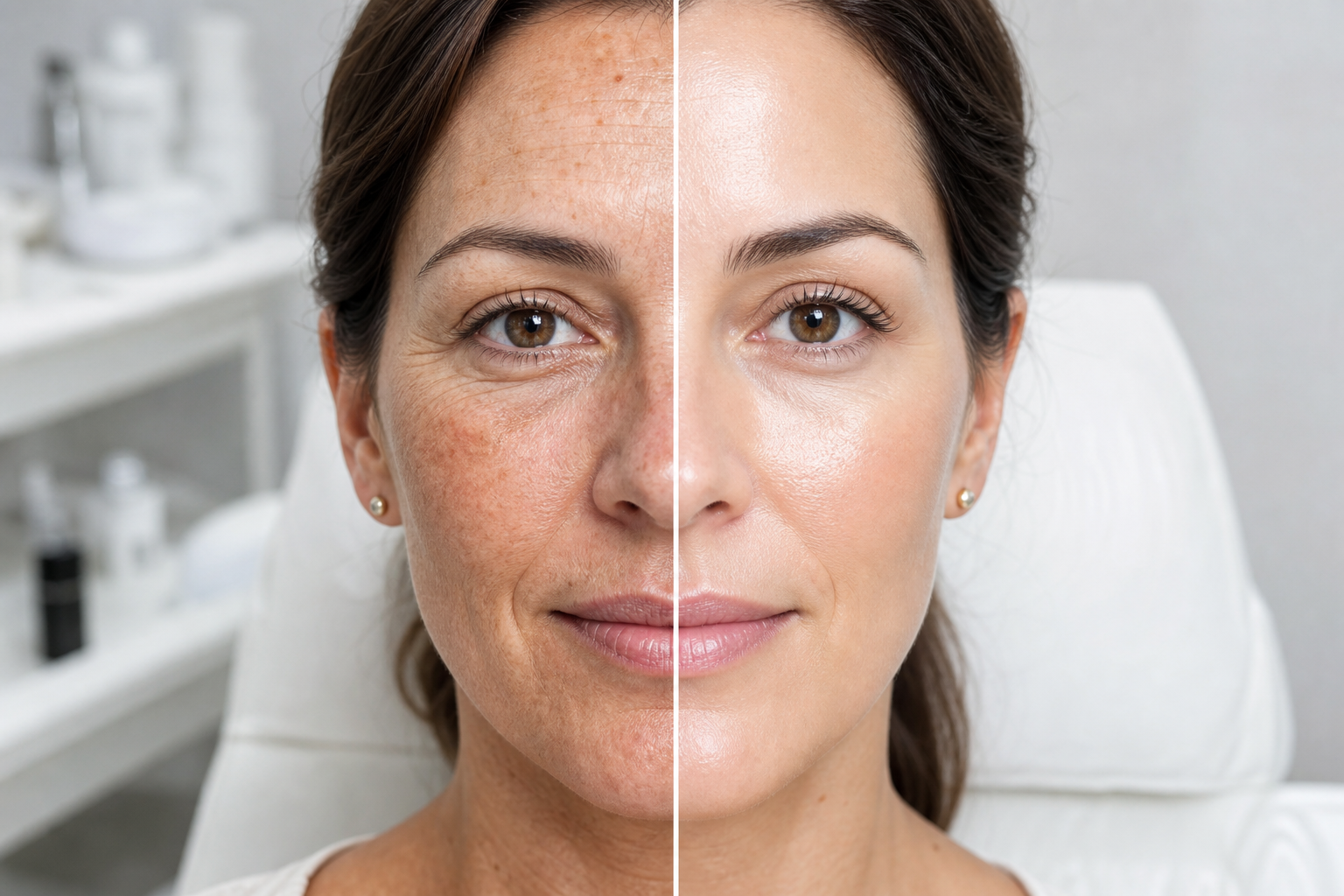
Candidate Selection for Laser vs Chemical Peel
Choosing the right skin renewal treatment is not a one-size-fits-all decision. The ideal candidate for a laser peel versus a chemical peel depends on several factors, including skin type, specific concerns, desired outcomes, and tolerance for downtime. A thorough evaluation by a qualified practitioner is essential to determine which treatment will yield the safest and most effective results for your unique complexion. Understanding these candidacy guidelines helps set realistic expectations and ensures a successful treatment journey.
Ideal Candidates for Laser Peels
An ideal candidate for a laser peel typically presents with concerns such as deep wrinkles, significant sun damage, severe acne scars, or uneven skin texture that requires more intensive correction. Individuals with lighter skin tones often achieve the best results with ablative lasers, as there is a lower risk of post-inflammatory hyperpigmentation. Non-ablative lasers can be suitable for a wider range of skin types, including darker complexions, for milder concerns and less downtime. Good overall health and realistic expectations are also key.
Ideal Candidates for Chemical Peels
Candidates for a chemical peel generally have concerns like fine lines, uneven skin tone, mild sun damage, superficial acne, or rough skin texture. Superficial peels are suitable for almost all skin types, including darker skin tones, with minimal risk. Medium-depth peels can address more pronounced issues like moderate wrinkles and sun spots, but require careful consideration for darker skin types due to a higher risk of pigmentation changes. Individuals seeking a less invasive option with shorter recovery periods often prefer chemical peels, especially the lighter varieties.
Why might someone choose a chemical peel instead of a laser peel? Several factors can influence this decision. Chemical peels often have a lower cost per session, and superficial to medium peels generally involve shorter and less intense recovery times. They can be very effective for milder skin concerns like sun spots, fine lines, and overall texture improvement. Additionally, some individuals may have skin types or conditions that make them more suitable for chemical peels, or they may simply prefer a non-light-based treatment approach. A personal consultation will clarify the best path forward.
Ready to Explore Laser vs Chemical Peel Options?
Discover the perfect skin renewal treatment tailored to your unique needs with Dr. Shashi Kusuma at The Face Doctor of Florida – Suria Plastic Surgery. Achieve the radiant, natural results you desire.
Cost and Recovery: Comparing Laser vs Chemical Peel
When considering any aesthetic treatment, understanding the financial investment and the recovery timeline is crucial. Both laser peels and chemical peels represent an investment in your skin’s health and appearance, but their costs and downtime can vary significantly. These factors often play a major role in a patient’s decision-making process, alongside the expected results. Let’s delve into the economic and practical aspects of Laser vs Chemical Peel treatments.
Investment: How Much Does Laser vs Chemical Peel Cost?
The cost of a laser peel versus a chemical peel varies significantly based on numerous factors. These include the type and depth of the treatment, the size of the treated area, the technology used, the practitioner’s expertise, and geographic location. Generally, laser peels, especially ablative or fractional laser resurfacing, are more expensive. They can range from several hundred to several thousand dollars per session. Chemical peels are typically less costly, with superficial peels starting at a few hundred dollars and medium to deep peels potentially reaching over a thousand dollars. A personalized consultation is essential for precise pricing tailored to your specific treatment plan.
Recovery Timelines for Laser vs Chemical Peel
Recovery times for laser peels compared to chemical peels can differ dramatically based on the depth and intensity of the procedure. Superficial chemical peels might involve minimal downtime, with mild redness and flaking lasting 1-3 days. Medium chemical peels can lead to 5-7 days of more noticeable redness, swelling, and peeling. Deep chemical peels or ablative laser peels, which offer the most dramatic results, can require 2-4 weeks or even longer for full recovery, involving significant redness, swelling, crusting, and peeling. Non-ablative laser treatments typically have much shorter downtimes, often just a few days of mild redness. Patients should plan their social and work schedules accordingly.
Pain Perception: Are Laser Peels More Painful than Chemical Peels?
The perception of pain for both treatments varies greatly among individuals and depends heavily on the depth and type of peel. Generally, deeper laser peels, particularly ablative ones, are often considered more painful than superficial or medium chemical peels. Ablative laser treatments typically require local anesthesia, nerve blocks, or even sedation to ensure patient comfort. Chemical peels, especially superficial ones, might only cause a mild stinging or burning sensation that subsides quickly. Medium peels can be more uncomfortable, often managed with topical anesthetics and cooling. Deep chemical peels can be quite painful and also require significant pain management. Your practitioner will discuss pain management options for either a laser peel or chemical peel.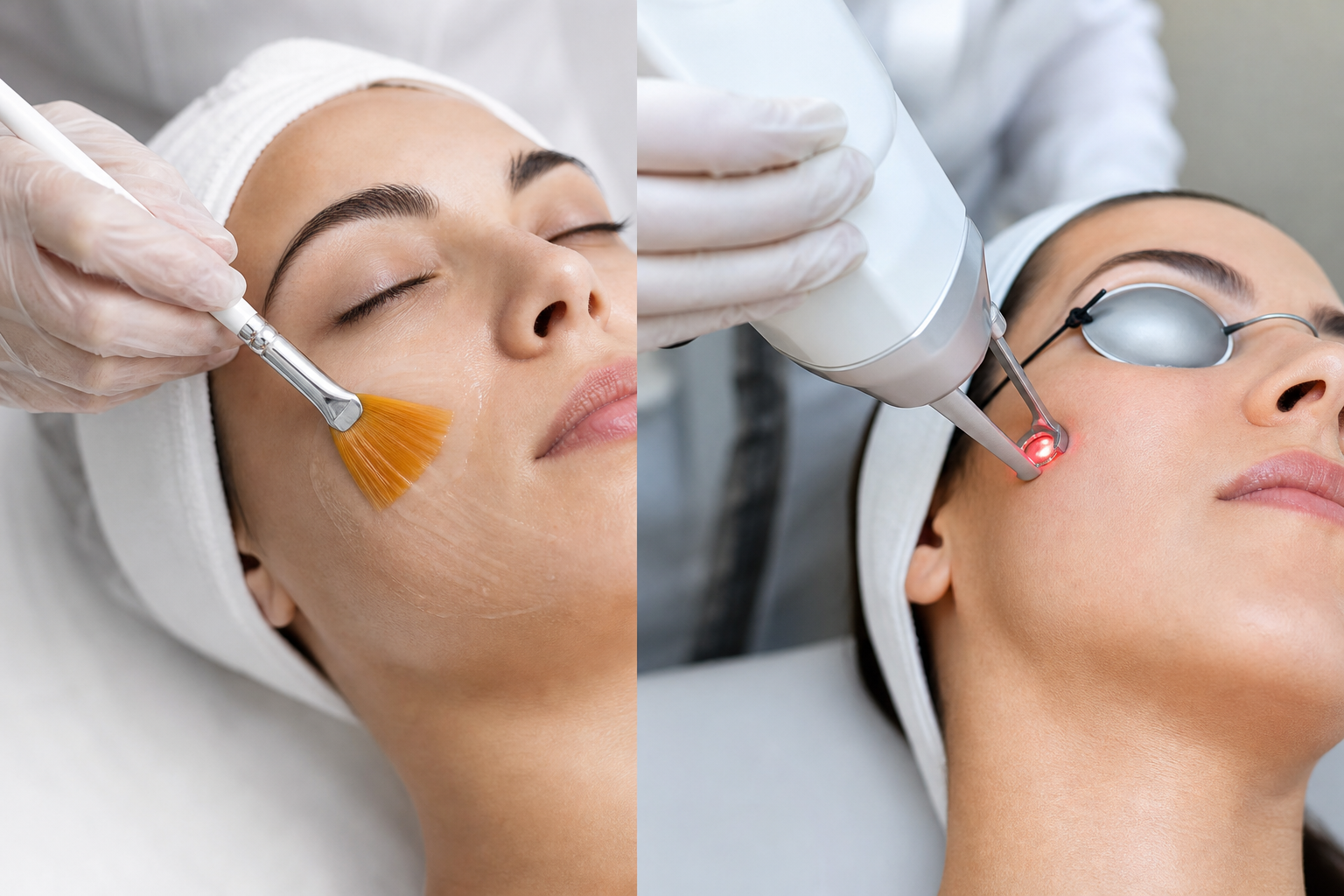
Safety and Expected Results of Laser vs Chemical Peel
Patient safety and realistic expectations for results are paramount in any aesthetic procedure. Both laser peels and chemical peels, when performed by a qualified and experienced practitioner, are generally safe and effective for skin rejuvenation. However, like all medical procedures, they carry potential risks and side effects. Understanding these aspects is crucial for a successful and satisfying outcome. Let’s examine the safety profiles and anticipated results of Laser vs Chemical Peel treatments.
Potential Side Effects: Laser vs Chemical Peel
Potential side effects for both a laser peel and a chemical peel include common reactions like redness, swelling, and peeling, which are part of the healing process. With laser peels, specific risks can include hyperpigmentation (darkening of the skin, especially for darker skin tones), hypopigmentation (lightening of the skin), infection, prolonged redness, and in rare cases, scarring. Chemical peels carry risks of burning, scarring, infection, and permanent color changes. The risk of side effects increases with the depth of the peel. A thorough discussion with your practitioner about your medical history and skin type will help mitigate these risks. For more detailed information on skin resurfacing risks, consult reputable medical sources like the American Academy of Dermatology Association.
Anticipating Results from Laser vs Chemical Peel
The results you can expect from a laser peel versus a chemical peel depend on the depth of the treatment and your individual skin’s response. Superficial chemical peels offer subtle improvements in skin texture and tone, requiring multiple sessions for noticeable change. Medium peels provide more significant reduction in fine lines, sun spots, and improved skin clarity. Deep chemical peels and ablative laser peels deliver the most dramatic results, including significant wrinkle reduction, scar improvement, and overall skin tightening, often with results lasting for years. Non-ablative lasers offer gradual improvements with minimal downtime. Consistency with aftercare and sun protection is vital for maintaining results from either treatment.
Which is Safer: Laser vs Chemical Peel?
When performed by a board-certified dermatologist or plastic surgeon, both laser peels and chemical peels are considered safe. The safety of each procedure largely depends on the practitioner’s expertise, proper patient selection, and adherence to post-treatment care instructions. Generally, superficial chemical peels are considered to have a lower risk profile due to their milder nature. Deeper peels, whether laser or chemical, inherently carry higher risks due to their more aggressive approach to skin resurfacing. The ‘safer’ option is ultimately the one that is most appropriate for your skin type, concerns, and is performed by a highly qualified professional.
Finding a Qualified Practitioner for Laser vs Chemical Peel
The success and safety of any skin rejuvenation treatment, especially a Laser vs Chemical Peel, hinge significantly on the expertise of your chosen practitioner. Selecting a board-certified dermatologist or plastic surgeon with extensive experience in both laser and chemical peel procedures is paramount. Their deep understanding of facial anatomy, skin physiology, and the nuances of various technologies ensures that your treatment is not only effective but also tailored to your unique needs, minimizing risks and maximizing aesthetic outcomes.
Expertise in Weston, Florida
For those seeking advanced skin renewal treatments, finding a qualified practitioner in your local area is a key step. In Weston, Florida, and surrounding communities, patients have access to highly skilled professionals specializing in a range of aesthetic procedures. When researching practitioners, look for board certifications, specialized training in laser and chemical peels, and a portfolio of successful patient outcomes. A reputable clinic will prioritize patient education and provide a comprehensive consultation to discuss all aspects of your treatment. Dr. Shashi Kusuma at The Face Doctor of Florida – Suria Plastic Surgery, for example, offers expert guidance on these treatments.
Consultation for Laser vs Chemical Peel Treatments
Can I get a consultation for laser vs chemical peel treatments near me? Absolutely. Most reputable aesthetic clinics offer initial consultations to discuss your concerns and recommend the most suitable treatment plan. During this consultation, the practitioner will assess your skin, discuss your medical history, explain the different types of laser and chemical peels, outline expected results, potential risks, and provide a detailed cost estimate. This is your opportunity to ask questions and ensure you feel comfortable and confident with your chosen provider and treatment plan. A personalized consultation is the cornerstone of a successful skin rejuvenation journey.
The Journey to Radiant Skin: Laser vs Chemical Peel Sessions
Embarking on a skin renewal journey involves understanding not just the treatments themselves, but also the commitment required to achieve and maintain your desired results. The number of sessions needed for a Laser vs Chemical Peel can vary significantly, influencing both the overall timeline and the total investment. This aspect of treatment planning is crucial for setting realistic expectations and ensuring a satisfying outcome.
How Many Sessions for Laser vs Chemical Peel?
The number of sessions typically required for laser vs chemical peel results depends heavily on the type and depth of the treatment, as well as the specific skin concerns being addressed. For superficial chemical peels, a series of 3-6 treatments spaced a few weeks apart is often recommended to achieve optimal results and maintain skin health. Medium-depth chemical peels might require 1-3 sessions, with longer intervals between treatments. Ablative laser peels often deliver significant results in a single session, though touch-ups might be considered years later. Non-ablative fractional laser treatments typically involve 3-5 sessions for noticeable improvement. Your practitioner will outline a personalized treatment schedule during your consultation, taking into account your skin’s condition and your aesthetic goals.
Ultimately, the journey to radiant skin is a partnership between you and your aesthetic professional. Whether you choose a laser peel or a chemical peel, consistency with your treatment plan and diligent aftercare, including rigorous sun protection, are key to maximizing and prolonging your beautiful results. Regular follow-up appointments will also help monitor your progress and make any necessary adjustments to your skincare regimen.
The decision between a laser peel and a chemical peel is a significant one, but with the right information and expert guidance, you can confidently choose the path to radiant skin renewal. Both treatments offer incredible potential to transform your complexion, addressing concerns from fine lines to deep scars. By understanding their unique mechanisms, benefits, costs, and recovery times, you are empowered to make a choice that truly serves your skin’s best interests. Remember, the ultimate secret to radiant skin lies in an informed decision and the skilled hands of a qualified professional. Your journey to a revitalized, more confident you begins with that first step.
Your Questions About Laser vs Chemical Peel Answered
What is the main difference between a laser peel and a chemical peel?
The main difference between a laser peel and a chemical peel lies in their mechanism. A laser peel uses focused light energy to remove damaged skin layers and stimulate collagen, while a chemical peel applies a specialized acidic solution to exfoliate the skin’s surface. Both aim for skin renewal but vary in depth, recovery, and specific concerns they address.
Which treatment is more effective for deep wrinkles: laser peel or chemical peel?
For deep wrinkles, a laser peel, particularly an ablative laser, is often considered more effective. It can precisely target and penetrate deeper skin layers, offering significant collagen remodeling and more dramatic improvement for severe lines. Deeper chemical peels can also help but may not offer the same level of precision or depth.
How much does a typical laser peel cost versus a chemical peel?
The cost of a laser peel versus a chemical peel varies significantly based on factors like treatment area, depth, type of technology, and geographic location. Generally, laser peels are more expensive, ranging from hundreds to several thousands of dollars per session. Chemical peels are typically less costly, often ranging from a few hundred to over a thousand dollars per peel. Consultation is essential for precise pricing.
What are the recovery times for laser peels compared to chemical peels?
Recovery times for laser peels compared to chemical peels can vary greatly depending on the depth of the treatment. Superficial chemical peels might have minimal downtime (1-3 days of mild redness/flaking), while deep chemical peels or ablative laser peels can require 2-4 weeks or more for full recovery, involving significant redness, swelling, and peeling. Non-ablative lasers and medium chemical peels fall in between.
Is a laser peel or chemical peel better for treating acne scars?
For treating acne scars, both laser peels and chemical peels can be effective, but the ‘better’ option depends on the type and severity of scars. Fractional laser resurfacing is often highly recommended for atrophic (pitted) acne scars as it stimulates collagen precisely. Medium to deep chemical peels can also improve scar texture and discoloration. A comprehensive consultation will determine the optimal approach for your specific acne scars.
Who is an ideal candidate for a laser peel versus a chemical peel?
An ideal candidate for a laser peel typically has concerns like deep wrinkles, significant sun damage, or severe acne scars. Chemical peel candidates might have fine lines, uneven skin tone, mild sun damage, or superficial acne. Skin type, existing conditions, and desired downtime also influence candidacy for either a laser peel or chemical peel.
What are the potential side effects of laser peels versus chemical peels?
Potential side effects for both a laser peel and a chemical peel include redness, swelling, and peeling. With laser peels, risks can include hyperpigmentation (especially for darker skin tones), hypopigmentation, infection, and prolonged redness. Chemical peels carry risks of burning, scarring, infection, and color changes. A qualified practitioner will discuss all potential side effects.
Why might someone choose a chemical peel instead of a laser peel?
Someone might choose a chemical peel instead of a laser peel for several reasons. Chemical peels often have lower cost, generally shorter and less intense recovery times (especially for superficial peels), and can be very effective for milder skin concerns like fine lines, sun spots, and overall skin texture improvement. They are also sometimes preferred for certain skin types or those sensitive to light-based treatments.