

Chemical peel recovery is a critical phase that determines the ultimate success and radiance of your skin. After investing in a professional chemical peel, understanding and diligently following post-treatment care instructions is paramount. This comprehensive guide provides 5 ultimate tips to ensure your skin heals beautifully, minimizing downtime and maximizing your glow. With the right approach, you can transform your complexion, revealing smoother, healthier, and more vibrant skin.
Key Takeaways
- Understand the day-by-day progression of chemical peel recovery and how to manage each stage effectively.
- Discover the essential post-care steps, including gentle cleansing, consistent moisturization, and strict sun protection, crucial for optimal healing.
- Learn practical strategies to minimize common side effects like redness and peeling, ensuring a more comfortable and predictable recovery.
- Identify the best skincare products to support your skin during this sensitive period, promoting regeneration and preventing complications.
- Gain insights into lifestyle adjustments, from diet to sleep, that can significantly enhance your overall chemical peel recovery experience.
Understanding Chemical Peel Recovery: What to Expect Day by Day
Embarking on a chemical peel journey promises rejuvenated skin, but the path to radiance involves a period of healing. Understanding what chemical peel recovery looks like day by day is crucial for managing expectations and ensuring proper care. The intensity and duration of recovery largely depend on the depth of the peel performed.
The Stages of Chemical Peel Recovery
Immediately after a light chemical peel, your skin may feel tight and appear slightly red, similar to a sunburn. This initial phase of chemical peel recovery typically lasts 1-2 days. For medium peels, redness and swelling will be more pronounced, with a sensation of tightness.
Day 3-5 often marks the beginning of visible peeling, especially for light to medium peels. Your skin may feel itchy or dry during this time. It is imperative to resist the urge to pick or pull at the flaking skin, as this can lead to scarring or hyperpigmentation.
By Day 6-7, most of the peeling from a light or medium peel should subside, revealing fresh, sensitive skin underneath. The new skin will be delicate and require continued gentle care and sun protection. Deep peels involve a much longer and more intensive chemical peel recovery, often requiring weeks or even months for full healing, with significant redness and crusting in the initial stages.
How Long is the Typical Recovery Time for a Chemical Peel?
The typical recovery time for a chemical peel varies significantly based on its depth. A light chemical peel generally requires 3-7 days for the skin to fully recover and for visible peeling to complete. During this period, you might experience mild redness and flaking.
For a medium chemical peel, the recovery period extends to about 7-14 days. Expect more noticeable redness, swelling, and peeling during this time. Deep chemical peels, which penetrate the skin more profoundly, demand the longest recovery, often spanning several weeks to months for complete healing and resolution of redness.
Potential Complications During Chemical Peel Recovery
While chemical peels are generally safe when performed by a qualified professional, it is important to be aware of potential complications during chemical peel recovery. These can include prolonged redness that lasts longer than expected, temporary or even permanent changes in skin pigmentation such as hyperpigmentation (dark spots) or hypopigmentation (light spots).
In rare cases, scarring or infection can occur, particularly if post-care instructions are not followed diligently or if the skin is picked at. Adhering strictly to all aftercare guidelines provided by your skincare professional is vital to minimize these risks and ensure a smooth, successful chemical peel recovery.

Essential Steps for Optimal Chemical Peel Recovery
Achieving radiant, healthy skin after a chemical peel relies heavily on meticulous post-treatment care. The essential steps for post-chemical peel care are designed to protect your vulnerable new skin, promote healing, and prevent complications. Following these guidelines will significantly enhance your chemical peel recovery.
Gentle Cleansing and Consistent Moisturization
During chemical peel recovery, your skin is highly sensitive and susceptible to irritation. Use only a mild, non-foaming, fragrance-free cleanser, applied with fingertips and rinsed with lukewarm water. Avoid harsh scrubbing or washcloths. Pat your skin dry gently with a soft towel.
Consistent moisturization is perhaps the most critical step. Apply a thick, barrier-repairing moisturizer frequently throughout the day, as often as every few hours. This helps to soothe dryness, reduce tightness, and support the skin’s natural healing barrier. Look for products specifically recommended by your provider for chemical peel recovery.
Minimizing Redness and Peeling During Chemical Peel Recovery
To minimize redness and peeling during chemical peel recovery, hydration is key. Keep your skin continuously moisturized with emollients recommended by your professional. Cool compresses can be applied for short periods to help alleviate discomfort and reduce visible redness.
Avoid hot showers, saunas, and strenuous exercise that can increase blood flow to the face and exacerbate redness. If prescribed, apply soothing balms or anti-inflammatory creams as directed. Remember, patience is vital; let your skin heal naturally without interference.
Strict Sun Protection
New skin is extremely vulnerable to sun damage. Strict sun protection is non-negotiable during chemical peel recovery. Use a broad-spectrum mineral sunscreen with an SPF of 30 or higher every single day, even indoors or on cloudy days. Reapply every two hours when outdoors.
Additionally, wear wide-brimmed hats and seek shade whenever possible. Sun exposure can lead to hyperpigmentation, prolong redness, and hinder the healing process. Protecting your skin from UV radiation is paramount for a successful chemical peel recovery and long-term results.
Optimize Your Chemical Peel Recovery with Expert Guidance
At The Face Doctor of Florida – Suria Plastic Surgery, Dr. Shashi Kusuma provides personalized post-peel care to ensure your skin heals beautifully and achieves its most radiant potential.
Navigating Your Lifestyle During Chemical Peel Recovery
Beyond topical care, certain lifestyle adjustments can significantly impact the comfort and success of your chemical peel recovery. These considerations help support your body’s natural healing processes and protect your delicate new skin from unnecessary stress or irritation.
When Can I Resume My Normal Skincare Routine After a Chemical Peel?
Resuming your normal skincare routine after a chemical peel should be done gradually and only when your skin is fully healed and no longer sensitive. This typically means waiting 1-2 weeks for light to medium peels. Reintroducing active ingredients like retinoids, alpha hydroxy acids (AHAs), or beta hydroxy acids (BHAs) too soon can cause severe irritation and compromise your chemical peel recovery.
Always consult with your doctor or skincare professional before reintroducing any active products. They will assess your skin’s healing progress and provide personalized advice on when it is safe to resume your regular regimen, ensuring a smooth transition without adverse reactions.
Are There Specific Foods to Avoid or Eat During Chemical Peel Recovery?
During chemical peel recovery, focusing on a hydrating and nutrient-rich diet can support overall skin health and healing. Drink plenty of water to maintain internal hydration, which is reflected in your skin’s appearance and elasticity. Foods rich in antioxidants, such as fruits and vegetables, can aid in cellular repair.
It is advisable to avoid excessive alcohol consumption, which can lead to dehydration and potentially prolong swelling or redness. Overly salty foods can also contribute to fluid retention. Opt for a balanced diet that supports your body’s ability to repair and regenerate, aiding your chemical peel recovery.
How to Sleep Comfortably During Chemical Peel Recovery
Sleeping comfortably during chemical peel recovery is essential for both your rest and your skin’s healing. It is highly recommended to sleep on your back with your head slightly elevated. This position helps to minimize swelling and prevents accidental rubbing or pressure on your sensitive facial skin.
Always use a clean pillowcase each night to reduce the risk of introducing bacteria to your vulnerable skin, which could lead to irritation or infection. Silk pillowcases can also be beneficial as they create less friction than cotton, further supporting a gentle chemical peel recovery.
Can I Go to Work During Chemical Peel Recovery?
Whether you can go to work during chemical peel recovery depends on the depth of your peel and your comfort level with visible skin changes. For light chemical peels, many individuals can return to work immediately, experiencing only mild redness and flaking that can often be concealed with mineral makeup.
However, for medium or deep peels, a social downtime of 3-7 days or more is common due to noticeable peeling, redness, and swelling. It is advisable to plan for time off work or to work remotely during this period. Discuss your work schedule with your provider to align expectations for your chemical peel recovery.
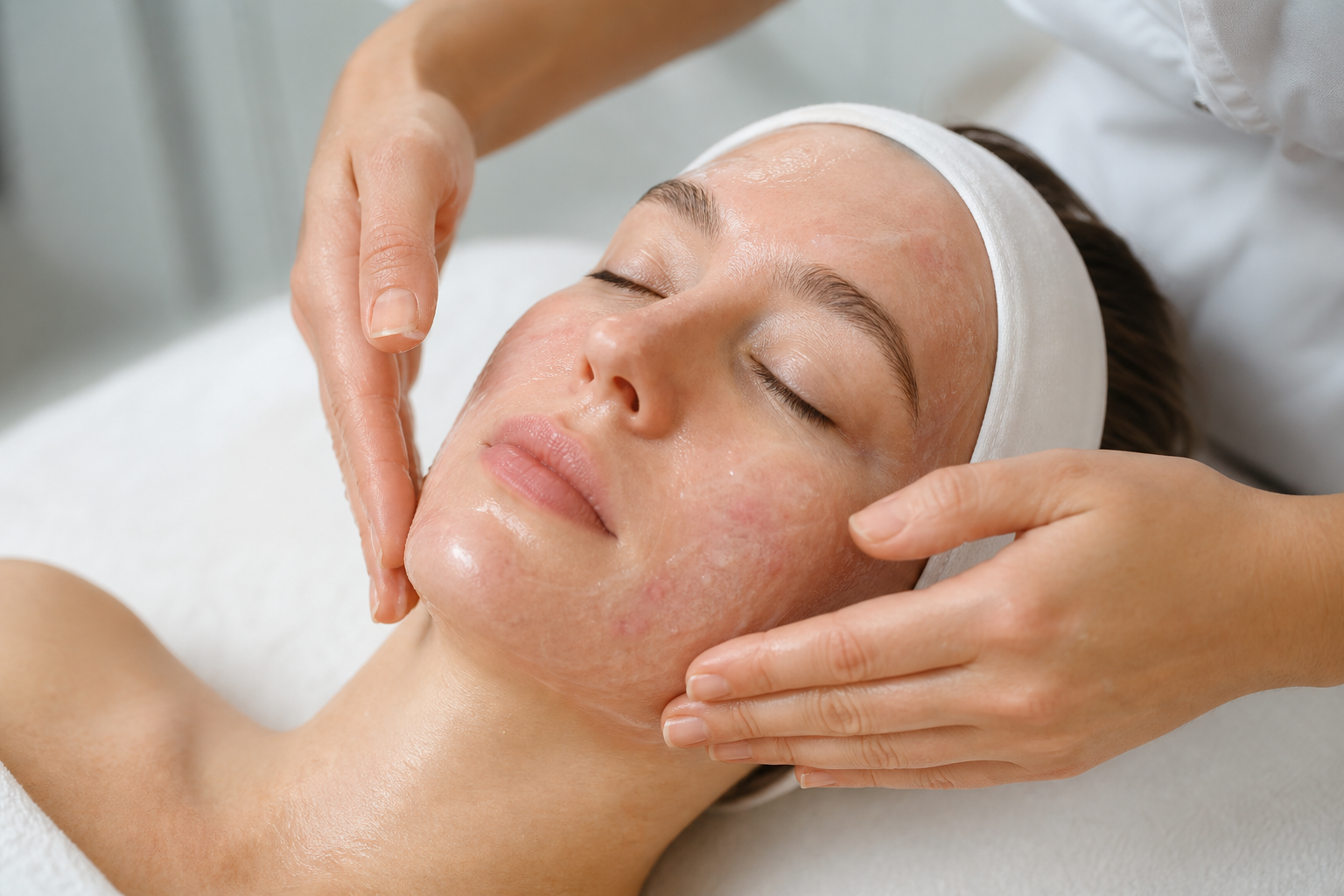
Preparing for a Smooth Chemical Peel Recovery & Product Sourcing
Proactive preparation is a cornerstone of successful chemical peel recovery. Understanding how to prepare for a chemical peel can significantly influence the smoothness and efficacy of your healing process. Additionally, knowing where to source appropriate post-peel products is vital.
Pre-Peel Preparation for Enhanced Chemical Peel Recovery
To ensure a smooth chemical peel recovery, preparation begins weeks before your procedure. Avoid excessive sun exposure for at least 2-4 weeks prior to your peel, as sunburned skin cannot be treated. Discontinue the use of retinoids, retinols, AHAs, BHAs, and other harsh exfoliants as directed by your doctor, typically 5-7 days before your appointment.
Your doctor may also recommend using specific preparatory skincare products, such as gentle cleansers or hydrating serums, to condition your skin. Following these pre-peel instructions meticulously helps to optimize your skin’s condition, making it more receptive to the peel and promoting a better chemical peel recovery.
What Products Are Best to Use During Chemical Peel Recovery?
During chemical peel recovery, the choice of products is paramount. Focus on gentle, fragrance-free cleansers that do not strip the skin of its natural oils. Hydrating serums containing ingredients like hyaluronic acid or ceramides are excellent for attracting and retaining moisture, supporting the skin barrier.
Thick, occlusive moisturizers are essential to create a protective barrier and prevent transepidermal water loss. Finally, a broad-spectrum mineral sunscreen with an SPF of 30 or higher, containing zinc oxide or titanium dioxide, is a must. These products work synergistically to facilitate optimal chemical peel recovery.
Where Can I Buy Gentle Cleansers and Moisturizers for Post-Peel Skin?
Gentle cleansers and moisturizers specifically formulated for post-peel skin can be purchased from several reliable sources. Local pharmacies often carry reputable dermatologist-recommended brands that are fragrance-free and hypoallergenic. Medical spas and aesthetic clinics, like The Face Doctor of Florida – Suria Plastic Surgery, frequently stock professional-grade products curated for sensitive and healing skin.
These specialized products are often designed to complement the peel treatment and support your chemical peel recovery. Always consult with your skincare professional for specific product recommendations tailored to your skin’s needs and the type of peel you received.
Expert Guidance for Your Chemical Peel Recovery Journey
Navigating the nuances of chemical peel recovery can feel overwhelming without professional support. Expert guidance is invaluable for ensuring not only a safe healing process but also the best possible aesthetic outcome. Partnering with experienced professionals provides peace of mind and access to tailored advice.
Where Can I Find Professional Advice for Chemical Peel Recovery?
For professional and personalized advice regarding chemical peel recovery, your primary resource should always be the clinic or board-certified plastic surgeon who performed your peel. They possess an intimate understanding of your specific treatment, skin type, and medical history.
Clinics such as The Face Doctor of Florida – Suria Plastic Surgery offer comprehensive post-care support, ensuring you receive accurate, timely guidance throughout your healing journey. Relying on their expertise is the most reliable way to achieve optimal results and a smooth chemical peel recovery.
What is the Average Cost of a Chemical Peel Including Aftercare?
The average cost of a chemical peel, including aftercare, is an important consideration for your chemical peel recovery budget. The price varies widely based on the type of peel (light, medium, deep) and your geographic location. Generally, a light chemical peel can range from $150 to $300 per session, while medium peels typically cost $300 to $600.
Deep peels are significantly more expensive, often ranging from $1,000 to $6,000, due to the complexity and required medical supervision. Aftercare products, which are essential for supporting chemical peel recovery, represent an additional cost, usually ranging from $50 to $200, depending on the products recommended.
Who Should I Contact if I Have Concerns During My Chemical Peel Recovery?
If you experience any concerns or unusual symptoms during your chemical peel recovery, it is crucial to contact your provider immediately. This includes signs of infection such as increased redness, swelling, pus, or fever, as well as severe pain, blistering, or prolonged discoloration.
Prompt communication with The Face Doctor of Florida – Suria Plastic Surgery, or the clinic where you received your treatment, ensures that any potential complications are addressed swiftly and appropriately. Do not hesitate to reach out; early intervention can prevent more serious issues and safeguard your chemical peel recovery.
Achieving radiant skin through effective chemical peel recovery is a journey that requires commitment, patience, and diligent care. By understanding the day-by-day process, adhering to essential post-care steps, making necessary lifestyle adjustments, and preparing adequately, you empower your skin to heal beautifully. The ultimate success of your peel lies in how well you nurture your skin during this crucial period. Remember, professional guidance is your strongest ally in ensuring a smooth, safe, and ultimately transformative chemical peel recovery. Embrace these tips, and unveil the luminous complexion you deserve.
What does chemical peel recovery look like day by day?
Day 1-2: Expect redness, some swelling, and a tight feeling in the skin. Day 3-5: Peeling typically begins, and the skin may feel itchy or dry. Day 6-7: Peeling subsides, revealing new, sensitive skin underneath. Individual experiences may vary based on peel depth.
How long is the typical recovery time for a chemical peel?
The typical recovery time varies significantly with the depth of the peel. A light chemical peel usually requires 3-7 days for recovery, a medium peel 7-14 days, and a deep peel can take several weeks to months for full healing.
What are the essential steps for post-chemical peel care?
Essential post-chemical peel care steps include gentle cleansing with a mild, non-irritating product, constant moisturization to support the healing barrier, strict sun protection using broad-spectrum SPF, avoiding picking or peeling your skin, and diligently following all specific instructions provided by your skincare professional.
How can I minimize redness and peeling during chemical peel recovery?
To minimize redness and peeling during chemical peel recovery, keep your skin consistently hydrated with recommended emollients. Using cool compresses can help alleviate discomfort and reduce redness. Additionally, avoid hot showers and apply any prescribed soothing balms as directed by your provider.
What products are best to use during chemical peel recovery?
During chemical peel recovery, it is best to use gentle, fragrance-free cleansers, hydrating serums containing ingredients like hyaluronic acid, thick barrier-repair moisturizers, and broad-spectrum mineral sunscreens with an SPF of 30 or higher to protect the new skin.
When can I resume my normal skincare routine after a chemical peel?
You can typically resume your normal skincare routine, including active ingredients like retinoids or exfoliants, once your skin is fully healed and no longer sensitive. This usually occurs after 1-2 weeks, but it is crucial to consult with your doctor for personalized advice based on your skin’s healing progress.
Are there specific foods to avoid or eat during chemical peel recovery?
During chemical peel recovery, focus on consuming hydrating foods and drinking plenty of water to support overall skin health and healing. It’s advisable to avoid excessive alcohol consumption and overly salty foods, which can contribute to dehydration and potentially hinder the healing process.
What are the potential complications during chemical peel recovery?
Potential complications during chemical peel recovery can include prolonged redness, temporary or permanent hyperpigmentation (dark spots), hypopigmentation (light spots), scarring, or infection. Adhering strictly to post-care instructions is vital to minimize these risks.
How to sleep comfortably during chemical peel recovery?
To sleep comfortably during chemical peel recovery, it is recommended to sleep on your back with your head slightly elevated. This position can help reduce swelling. Always use a clean pillowcase to prevent any irritation or potential infection to the sensitive skin.
Can I go to work during chemical peel recovery?
For light chemical peels, you can often return to work immediately, though you might experience some visible redness. For medium or deep peels, expect a social downtime of 3-7 days or more due to noticeable peeling and redness, making it advisable to plan for time off work.
Where can I find professional advice for chemical peel recovery?
For professional and personalized advice regarding chemical peel recovery, you should consult with the clinic or board-certified plastic surgeon who performed your peel, such as The Face Doctor of Florida – Suria Plastic Surgery, to ensure optimal healing and results.
What is the average cost of a chemical peel including aftercare?
The average cost of a chemical peel varies widely depending on the type of peel (light, medium, deep) and your geographic location, typically ranging from $150 to $600 per session. Aftercare products, which are essential for recovery, usually represent an additional cost not included in the procedure price.
How do you prepare for a chemical peel to ensure a smooth recovery?
To ensure a smooth chemical peel recovery, prepare by avoiding excessive sun exposure for several weeks prior, discontinuing the use of retinoids or harsh exfoliants as directed, and strictly following all pre-peel instructions provided by your doctor, which may include using specific preparatory skincare products.
Where can I buy gentle cleansers and moisturizers for post-peel skin?
Gentle cleansers and moisturizers specifically formulated for post-peel skin can typically be purchased at local pharmacies, reputable medical spas, or directly from your plastic surgeon’s office, where products are often curated for sensitive and healing skin.
Who should I contact if I have concerns during my chemical peel recovery?
If you experience any concerns or unusual symptoms during your chemical peel recovery, you should immediately contact The Face Doctor of Florida – Suria Plastic Surgery or the specific clinic where you received your treatment. Prompt communication ensures proper guidance and care.