The quest for lasting youthful volume often leads to advanced aesthetic solutions. Among these, fat grafting longevity stands out as a key factor for individuals seeking natural, enduring rejuvenation. This innovative procedure, also known as fat transfer or lipofilling, utilizes your body’s own fat cells to restore volume, smooth contours, and enhance features with remarkable permanence. It offers a sophisticated answer to age-related volume loss, providing results that are both authentic and long-lasting.
In this comprehensive guide, we will explore the science behind successful fat transfer, demystify the factors that influence its durability, and unveil five ultimate secrets to maximizing the survival and integration of transferred fat. Discover how expert techniques and diligent aftercare can unlock a more radiant, revitalized you, built on the foundation of your body’s natural resources.
Key Takeaways
- Understand how meticulous surgical technique, from harvesting to injection, directly impacts the long-term success and survival of transferred fat cells.
- Learn the critical role of patient lifestyle and post-operative care in preserving volume and ensuring enduring aesthetic results.
- Discover why fat grafting offers a potentially permanent solution for volume restoration, distinguishing it from temporary dermal fillers.
- Identify the ideal candidates and body areas that typically yield the best outcomes for sustained youthful volume.
Understanding Fat Grafting Longevity: The Foundation of Enduring Results
Your journey to rejuvenation deserves more than a temporary fix. It calls for a solution that works in harmony with your body to create natural, lasting beauty. Fat grafting longevity is a primary concern for patients considering this transformative procedure. It’s not just about adding volume; it’s about ensuring that volume integrates and thrives, becoming a permanent part of your body.
Fat grafting involves harvesting fat cells from one area of your body (like the abdomen or thighs) and carefully transferring them to another area that requires volume enhancement. This autologous approach means using your own tissue, minimizing the risk of allergic reactions or rejection. The success of the procedure hinges on the survival of these transferred fat cells at their new location.
For patients seeking enduring results, understanding the intricacies of this process is crucial. The initial weeks and months post-procedure are vital for the fat cells to establish a new blood supply, which determines their long-term viability. Once successfully integrated, these cells behave like normal fat, contributing to the remarkable durability of the results.
The Science Behind Optimal Fat Grafting Longevity
At its core, the science of fat grafting relies on the delicate balance of cell survival and integration. When fat cells are transferred, they need to re-establish a blood supply quickly to survive. This process, known as revascularization, is paramount for achieving excellent fat grafting longevity. Without adequate blood flow, fat cells will resorb, diminishing the aesthetic outcome.
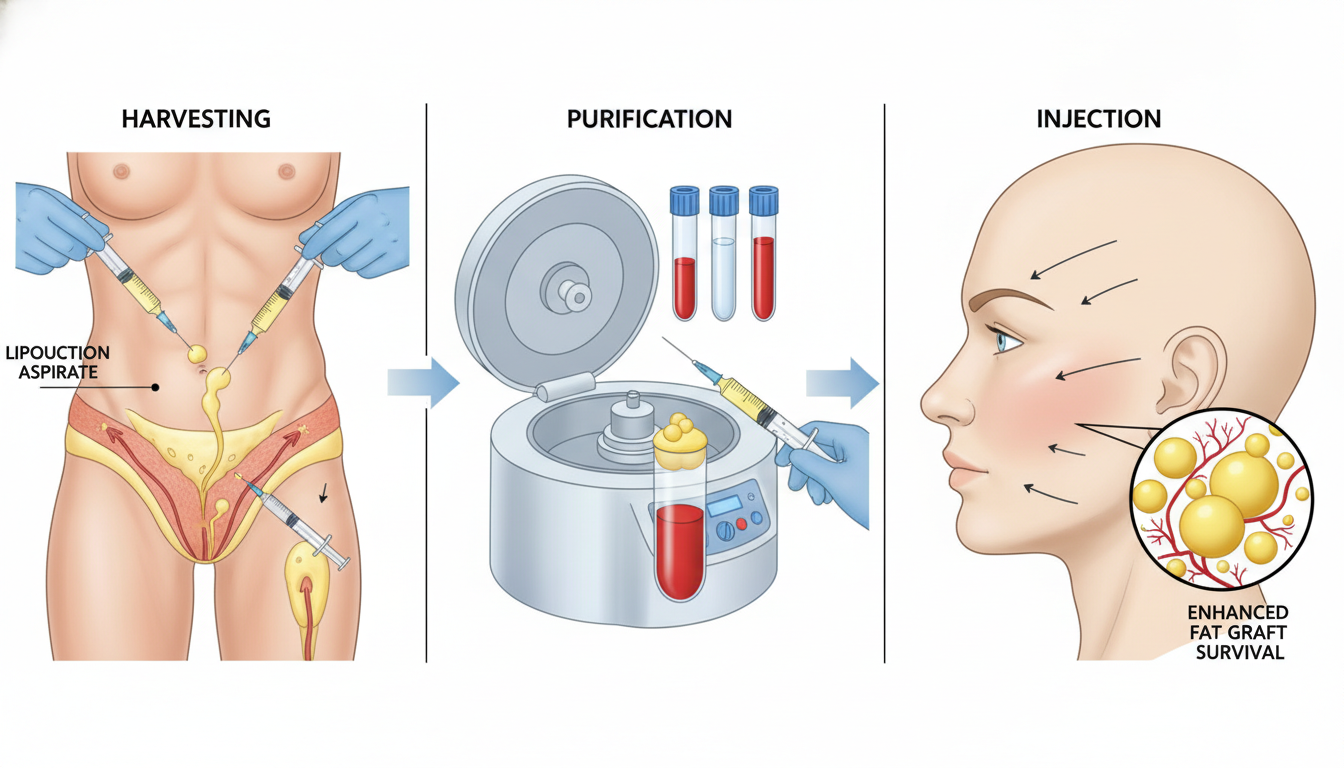
Modern fat grafting techniques focus on preserving the integrity of the fat cells throughout the entire process. This includes gentle harvesting, careful purification to remove impurities, and precise, micro-droplet injection. These steps create an optimal environment for the fat cells to thrive and integrate into their new surroundings, contributing to a higher survival rate.
Research continues to advance our understanding of fat cell biology and survival. For instance, studies on adipose tissue transplantation highlight the importance of maintaining cell viability during processing. You can learn more about the biological aspects of fat transfer from authoritative sources like this comprehensive review on fat grafting.
Key Factors Influencing Fat Grafting Longevity and Survival Rates
Several critical factors influence how long fat grafting results will last. The surgeon’s expertise is arguably the most significant. A highly skilled surgeon employs meticulous techniques that maximize fat cell survival, directly impacting the overall fat grafting longevity. This includes gentle harvesting to prevent cell damage and precise injection to ensure even distribution and good blood supply.
Patient factors also play a crucial role. A healthy lifestyle, stable weight, and adherence to post-operative care instructions are essential. Smoking, for example, can severely compromise blood flow and reduce fat cell survival. The recipient site’s vascularity—its natural blood supply—also affects how well the fat cells integrate and survive.
Finally, the quality of the harvested fat and its processing before injection are vital. Techniques that minimize trauma and purify the fat effectively lead to a higher concentration of viable fat cells. This careful preparation is a cornerstone of achieving superior and lasting results, ensuring the best possible outcome for your investment in rejuvenation.
5 Ultimate Secrets to Maximizing Fat Grafting Longevity
Achieving exceptional fat grafting longevity requires a multi-faceted approach, combining surgical precision with diligent patient care. These five secrets represent the pillars of successful fat transfer, designed to ensure your results are not only beautiful but also enduring. By understanding and implementing these principles, you can significantly enhance the long-term survival of your fat graft and enjoy lasting youthful volume.
1. Expert Harvesting and Processing for Superior Fat Grafting Longevity
The journey to successful fat grafting begins with the careful extraction of fat cells. The technique used for harvesting is paramount. Gentle liposuction, often performed with low-pressure aspiration, minimizes trauma to the delicate fat cells. Aggressive harvesting can damage cells, reducing their viability and negatively impacting fat grafting longevity.
Once harvested, the fat must be processed to separate viable fat cells from blood, oil, and other impurities. Centrifugation at precise speeds, filtration, or decantation are common methods. The goal is to obtain a pure, concentrated graft of healthy fat cells. Improper processing can lead to cell damage and poor survival, emphasizing the need for an experienced surgeon who understands these critical steps.
2. Precise Injection Techniques for Enhanced Fat Grafting Longevity
The way fat is injected into the recipient site is as crucial as its harvesting and processing. A skilled surgeon uses micro-droplet injection techniques, placing tiny amounts of fat in multiple layers and tunnels. This method ensures that each fat cell has maximum contact with the surrounding tissue, allowing for optimal blood supply and nutrient exchange.
Overfilling an area can compress the fat cells and restrict blood flow, leading to poor survival. Therefore, precision and an artistic eye are essential to achieve both the desired aesthetic outcome and superior fat grafting longevity. The surgeon’s ability to sculpt and contour while ensuring cell viability is a hallmark of expertise.
3. Strategic Recipient Site Selection for Optimal Fat Grafting Longevity
Not all areas of the body are equally receptive to fat grafting. Sites with a rich blood supply and minimal movement tend to offer the best environment for fat cell survival. Common areas for successful fat transfer include the face (cheeks, temples, under-eyes), hands, and breasts. These regions generally provide a robust vascular bed for the transferred fat.
Conversely, areas with poor blood supply or high mobility may experience lower fat cell survival rates. A thorough consultation with your surgeon will help determine the most suitable recipient sites for your specific goals, maximizing the potential for excellent fat grafting longevity. This strategic planning is key to achieving predictable and satisfying results.
4. Meticulous Post-Operative Care for Sustained Fat Grafting Longevity
Your role in post-operative care is vital for maximizing fat grafting longevity. Following your surgeon’s instructions diligently can significantly impact the final outcome. This typically includes avoiding pressure on the treated areas, refraining from strenuous exercise, and protecting the skin from excessive sun exposure.
Gentle care of the treated areas is essential during the initial healing phase. Any trauma or excessive movement can disrupt the delicate process of revascularization, leading to fat cell reabsorption. By adhering to these guidelines, you create the best possible conditions for your newly transferred fat cells to integrate and thrive.
5. Lifestyle Choices That Support Exceptional Fat Grafting Longevity
Your overall health and lifestyle habits play a significant role in how well your fat graft survives and endures. Maintaining a stable weight is crucial, as significant weight fluctuations can cause transferred fat cells to shrink or swell, just like your natural fat. A balanced diet rich in nutrients supports healing and cell health.
Smoking is particularly detrimental to fat grafting longevity. Nicotine constricts blood vessels, severely impairing the blood supply that newly transferred fat cells need to survive. Avoiding smoking and excessive alcohol consumption can dramatically improve your long-term results. Staying hydrated also supports overall tissue health and can contribute to better fat cell integration.
Is Fat Grafting a Permanent Solution? Exploring Fat Grafting Longevity
One of the most common questions patients ask is whether fat grafting is a permanent solution. The answer is nuanced but generally positive: once successfully integrated, a significant portion of the transferred fat cells can be considered permanent. These cells establish their own blood supply and become a living part of your body.
Unlike temporary fillers that are eventually metabolized and absorbed, the surviving fat cells in a fat graft will continue to live and respond to your body’s changes. This means they can gain or lose volume with weight fluctuations, just like fat in other areas of your body. This characteristic is what gives fat grafting its unique potential for long-term, often permanent, aesthetic improvement.
However, it’s important to manage expectations. Not every single transferred fat cell will survive. The initial reabsorption rate can vary, and typically, the most stable results are observed after 3-6 months. Any fat that survives beyond this period is generally considered permanent. This makes fat grafting longevity a highly desirable aspect of the procedure.
Understanding Fat Graft Survival Rates and Fat Grafting Longevity
The survival rate of transplanted fat cells typically ranges from 40% to 80%. This wide range underscores the importance of surgical expertise and patient factors. Optimal techniques in harvesting, purification, and careful injection are paramount to achieving higher survival rates and ensuring excellent fat grafting longevity. Some studies suggest higher rates with specific techniques or the addition of Platelet-Rich Plasma (PRP).
Why do some fat grafts resorb faster than others? Factors include trauma during harvesting, improper processing (e.g., centrifugation speed), infection, poor blood supply at the recipient site, excessive movement post-procedure, or significant weight loss. A highly skilled surgeon like Dr. Shashi Kusuma at The Face Doctor of Florida employs meticulous techniques to minimize reabsorption and enhance fat grafting longevity. For more information on how we achieve lasting results, visit our services page on The Face Doctor of Florida.
To maximize the long-term survival of your fat graft, follow post-operative instructions diligently. This includes avoiding pressure on the treated areas, refraining from strenuous exercise, maintaining a stable weight, staying hydrated, and avoiding smoking. A healthy lifestyle supports better fat cell integration and overall graft survival.
Unlock Unrivaled Fat Grafting Longevity with The Face Doctor of Florida
Dr. Shashi Kusuma, a board-certified plastic surgeon, specializes in advanced fat transfer techniques designed to ensure exceptional long-term results and naturally refined aesthetics.
Comparing Fat Grafting Longevity to Temporary Fillers
In the world of aesthetic medicine, both fat grafting and temporary dermal fillers offer solutions for volume restoration. However, their fundamental differences, particularly concerning their durability and mechanism of action, are crucial for making an informed decision. Understanding these distinctions is key to choosing the right treatment for your long-term aesthetic goals.
Temporary fillers, such as those made from hyaluronic acid (HA), use synthetic gels to add volume. While effective and offering immediate results, they are gradually metabolized by the body. Their effects typically last from 6 to 18 months, requiring repeat treatments to maintain the desired look. This makes them a good option for short-term enhancements or for patients who prefer non-permanent solutions.
Fat grafting, on the other hand, utilizes your body’s own living tissue. Once successfully integrated, the transferred fat cells become a permanent part of the recipient area. This means that while the initial survival rate can vary, the fat that does survive offers a truly long-lasting, often permanent, solution. This inherent difference in fat grafting longevity is a primary reason many patients choose it for enduring volume restoration.
Your Journey to Enduring Volume: Achieving Optimal Fat Grafting Longevity
Embarking on a fat grafting journey is a significant decision, and choosing the right expert is paramount to achieving the best possible fat grafting longevity. The Face Doctor of Florida, led by board-certified plastic surgeon Dr. Shashi Kusuma, specializes in advanced fat transfer techniques designed to ensure exceptional long-term results and naturally refined aesthetics.
Dr. Kusuma’s approach combines a deep understanding of facial and body anatomy with meticulous surgical skill. This expertise is critical in every stage of the fat grafting process, from gentle fat harvesting to precise, multi-layered injection. Her commitment to patient education ensures you are fully informed about how to maximize your results and maintain your youthful volume for years to come.
For those seeking clinics specializing in durable fat grafting, The Face Doctor of Florida offers a personalized consultation to assess your unique needs and aesthetic goals. We discuss how many fat grafting sessions are needed for lasting results, who are the best candidates for long-lasting fat transfer outcomes, and what to expect throughout your journey. We are dedicated to providing outcomes that reflect the highest standards of care and aesthetic excellence.
The Ultimate Secret to Lasting Fat Grafting Longevity
Your path to restored facial and body harmony is both an art and a science. As we’ve explored, fat grafting longevity is uniquely designed to provide not only immediate volume but also to stimulate your body’s own natural integration for results that are both beautiful and enduring. This dual-action approach offers a distinct advantage, delivering structure and permanence that truly rejuvenates your appearance. It stands as a testament to what is possible when advanced science is guided by an expert, artistic touch—one that honors your unique anatomy.
If you are ready to embrace a more defined and revitalized appearance, your journey begins with a personal conversation. At The Face Doctor of Florida, Dr. Shashi Kusuma is dedicated to creating bespoke treatment plans that yield elegant, natural-looking results, ensuring your outcome is a reflection of you at your very best. The ultimate secret to lasting fat grafting longevity lies in choosing an experienced surgeon and committing to the recommended aftercare.
Frequently Asked Questions About Fat Grafting Longevity
How long does fat grafting typically last?
Fat grafting longevity varies, but results can last for many years, often becoming permanent. A portion of the transferred fat cells establishes a new blood supply and thrives, providing long-term volume. The initial weeks are crucial for fat cell survival, with the most stable results typically observed after 3-6 months. At The Face Doctor of Florida, we focus on techniques that maximize the long-term survival of your fat graft.
What factors influence the longevity of fat transfer results?
Several factors influence fat grafting longevity, including the surgeon’s technique, harvesting and processing methods, the recipient site’s vascularity, and the patient’s post-operative care and lifestyle. Proper fat handling, gentle injection, and maintaining a stable weight are crucial for maximizing the survival of the transferred fat cells.
Is fat grafting a permanent solution?
Once successfully integrated, a significant percentage of the transferred fat cells can be considered permanent. These cells behave like normal fat in their new location, meaning they can gain or lose volume with weight fluctuations. While not every single cell survives, the portion that does offers a very long-lasting, often permanent, aesthetic improvement, distinguishing fat grafting longevity from temporary fillers.
Why do some fat grafts resorb faster than others?
Fat graft reabsorption rates differ due to factors like trauma during harvesting, improper processing (e.g., centrifugation speed), infection, poor blood supply at the recipient site, excessive movement post-procedure, or significant weight loss. A highly skilled surgeon like Dr. Kusuma at The Face Doctor of Florida employs meticulous techniques to minimize reabsorption and enhance fat grafting longevity.
What is the survival rate of transplanted fat cells?
The survival rate of transplanted fat cells typically ranges from 40% to 80%. This wide range underscores the importance of surgical expertise and patient factors. Optimal techniques in harvesting, purification, and careful injection are paramount to achieving higher survival rates and ensuring excellent fat grafting longevity. Some studies suggest higher rates with specific techniques or PRP.
How can I maximize the long-term survival of my fat graft?
To maximize fat grafting longevity, follow post-operative instructions diligently. This includes avoiding pressure on the treated areas, refraining from strenuous exercise, maintaining a stable weight, staying hydrated, and avoiding smoking. A healthy lifestyle supports better fat cell integration and overall graft survival.
Does lifestyle affect fat grafting longevity?
Yes, lifestyle significantly impacts fat grafting longevity. Smoking can severely compromise fat cell survival by impairing blood flow. Dramatic weight fluctuations can also affect results, as transplanted fat cells will shrink or swell with the rest of your body’s fat. A balanced diet and stable weight are crucial for sustained outcomes.
What areas of the body have the best fat grafting longevity?
Areas with good blood supply and less movement tend to have better fat grafting longevity. Commonly successful sites include the face (cheeks, temples, under-eyes), hands, and breasts. The Face Doctor of Florida customizes treatment plans based on individual anatomy and desired long-term results.
Can fat grafting longevity be improved with PRP?
Platelet-Rich Plasma (PRP) contains growth factors that can potentially enhance fat grafting longevity and improve fat cell survival. When combined with fat transfer, PRP may foster a more robust environment for the transplanted cells, promoting better integration and long-term viability. Discuss this option with Dr. Kusuma.
What is the difference between temporary fillers and long-lasting fat grafts?
Temporary fillers use synthetic gels (like hyaluronic acid) to add volume, with results lasting typically 6-18 months. Fat grafts use your body’s own tissue, offering a natural and potentially permanent solution where integrated fat cells continue to live. Fat grafting longevity makes it a superior option for long-term volume restoration.