
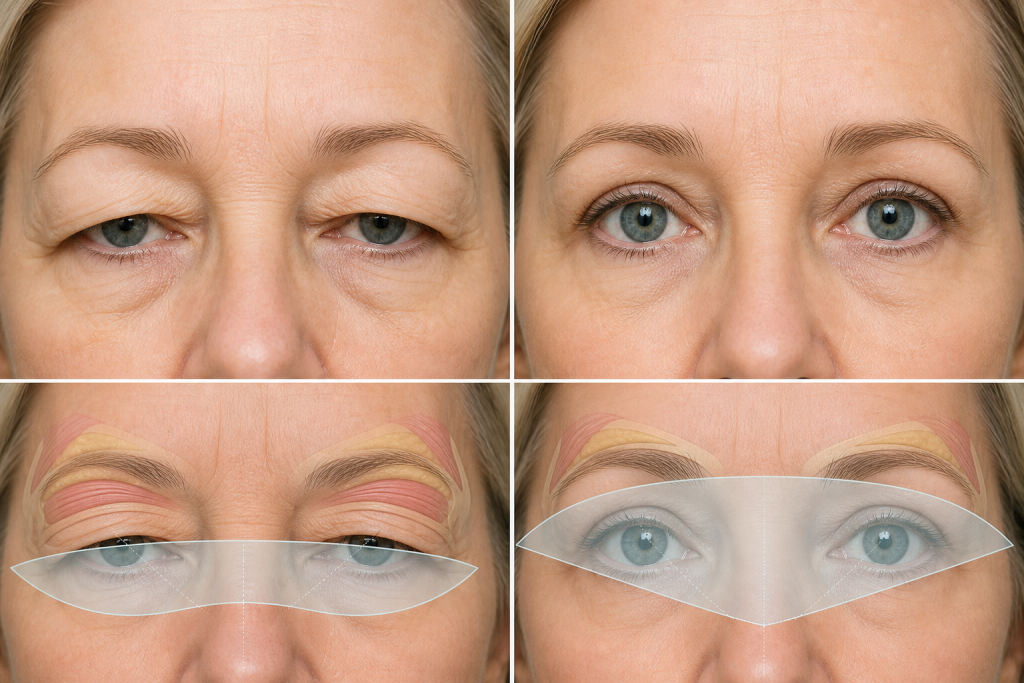
The world around us is perceived through our eyes, yet for many, the view becomes increasingly obstructed by the natural process of aging. Drooping upper eyelids, a condition known as ptosis or dermatochalasis, can significantly impair vision, leading to a diminished quality of life. For those seeking a truly restorative solution that enhances both sight and comfort, functional blepharoplasty presents a powerful answer. This specialized surgical procedure offers a remarkable approach to remove excess skin, fat, and muscle that interferes with visual function, providing both immediate relief and long-term improvement.
In this comprehensive guide, we will explore the medical necessity that sets this treatment apart. We’ll demystify how functional blepharoplasty differs from cosmetic procedures, detail what you can expect during your journey, and explain why the expert touch of a skilled surgeon is the key to achieving clearer vision and a brighter, more alert appearance. Consider this your personal invitation to discover a more functional, revitalized you, built on a foundation of optimal ocular health.
Key Takeaways
- Understand how functional blepharoplasty provides essential vision restoration by removing obstructing eyelid tissue.
- Learn the crucial difference between functional and cosmetic eyelid surgery, focusing on medical necessity and insurance coverage.
- Discover why expert surgical skill is paramount for achieving both improved vision and a naturally refreshed appearance with functional blepharoplasty.
- Evaluate the ultimate benefits, including enhanced peripheral vision, reduced eye strain, and a significant boost in comfort and daily function.
What is Functional Blepharoplasty? Understanding the Procedure
Your journey to improved vision and comfort deserves more than a temporary fix. It calls for a solution that directly addresses the medical issues caused by drooping eyelids. Enter functional blepharoplasty, a specialized surgical procedure designed to remove excess skin, fat, and muscle from the upper eyelids that obstructs vision or causes discomfort. This procedure is performed for medical reasons to improve visual function, making it distinct from purely cosmetic interventions.
At its core, functional blepharoplasty aims to restore a full field of vision by lifting the sagging eyelid tissue that can hang over the eyelashes. This innovative surgery is precisely what allows patients to regain optimal sight and alleviate symptoms like eye strain and headaches. It doesn’t just enhance appearance; it fundamentally improves how you see the world, leading to a significant enhancement in daily activities.
For individuals experiencing significant visual impairment, this procedure is especially crucial. The constant struggle to see clearly can impact everything from reading and driving to enjoying hobbies. By addressing the root cause of the obstruction, functional blepharoplasty helps fortify your vision against these effects, restoring a clear, unobstructed view that endures.
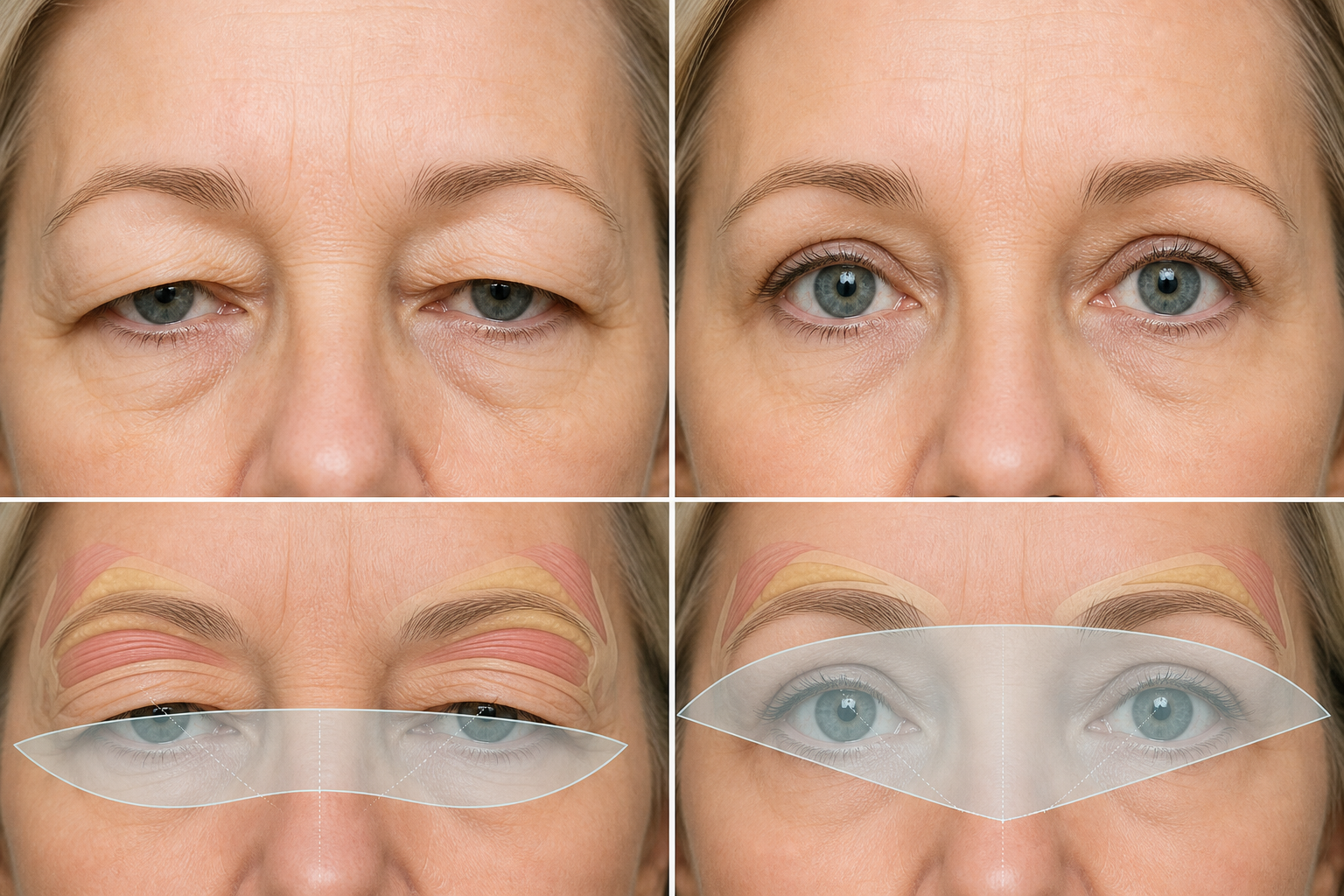
Functional vs. Cosmetic Blepharoplasty
Understanding the distinction between functional and cosmetic blepharoplasty is essential. While both procedures involve eyelid surgery, their primary goals differ significantly. Functional blepharoplasty addresses medical issues, such as when drooping eyelids interfere with vision, cause eye strain, or lead to headaches. The focus is on restoring visual function and alleviating physical symptoms.
Conversely, cosmetic blepharoplasty is performed solely for aesthetic enhancement. This might include reducing puffiness, smoothing wrinkles, or creating a more youthful appearance without a medical necessity for vision improvement. While functional blepharoplasty can also offer aesthetic benefits, its primary justification is always medical. This distinction often impacts insurance coverage, which we will discuss later.
Who is an Ideal Candidate for Functional Blepharoplasty?
You may be the perfect candidate for functional blepharoplasty if you are experiencing vision impairment or discomfort due to excess upper eyelid skin. Candidates typically have significant upper eyelid skin that sags over their eyelashes, restricting peripheral or central vision. This condition, known as dermatochalasis or ptosis, can be confirmed through visual field tests and photographs.
Ideal candidates should be in good overall health and have realistic expectations about the surgical outcomes. If you find yourself constantly lifting your eyebrows to see clearly, experiencing eye fatigue, or struggling with daily tasks due to obstructed vision, functional blepharoplasty could be a life-changing solution. A thorough consultation with a qualified surgeon is the first step to determine your suitability.
4 Ultimate Benefits of Functional Blepharoplasty for Vision and Comfort
Choosing to undergo functional blepharoplasty is a decision that can profoundly impact your daily life. This procedure offers a range of benefits that extend far beyond mere aesthetics, focusing primarily on restoring and enhancing your visual capabilities and overall comfort. The improvements are both immediate and enduring, providing a significant boost to your quality of life.
Patients often report a dramatic difference in their ability to perform everyday tasks, from reading and driving to engaging in hobbies. The relief from chronic eye strain and headaches can be transformative. Here are 4 ultimate benefits that highlight the profound impact of functional blepharoplasty:
Enhanced Peripheral and Central Vision
One of the most significant benefits of functional blepharoplasty is the dramatic improvement in both peripheral and central vision. When excess upper eyelid skin hangs over the eyelashes, it creates a physical barrier that obstructs the natural field of vision. This can be particularly dangerous when driving or engaging in activities that require a full range of sight.
By carefully removing the obstructing tissue, the procedure effectively expands your visual field. Patients often express surprise at how much they had been missing, noticing details and movements they previously could not see. This enhancement directly contributes to greater safety and confidence in daily life, making functional blepharoplasty a truly impactful procedure.
Reduced Eye Strain and Headaches
Many individuals with significant upper eyelid drooping unconsciously compensate by constantly raising their eyebrows or tilting their heads backward to see more clearly. This sustained effort can lead to chronic eye strain, fatigue, and tension headaches. The constant muscle exertion around the eyes and forehead can be debilitating, impacting concentration and overall well-being.
Functional blepharoplasty alleviates this strain by removing the physical obstruction, allowing the eyes to function naturally without compensatory movements. The relief from chronic discomfort is often immediate and profound, leading to a noticeable improvement in energy levels and a reduction in headache frequency. This makes functional blepharoplasty a key solution for many.
Improved Comfort and Quality of Life
Beyond vision and physical discomfort, sagging eyelids can also cause irritation, especially if the skin folds into the eye or if eyelashes rub against the eye surface. This constant irritation can lead to watery eyes, dry eyes, or even infections. The physical weight of heavy eyelids can also contribute to a feeling of tiredness and heaviness around the eyes.
Functional blepharoplasty removes this excess tissue, eliminating the source of irritation and the sensation of heaviness. Patients report feeling more comfortable, alert, and less burdened by their eyelids. This improvement in physical comfort translates directly into a higher quality of life, allowing individuals to engage more fully in social activities and personal pursuits without constant distraction or discomfort.
A More Alert and Youthful Appearance
While the primary goal of functional blepharoplasty is medical, an undeniable aesthetic benefit is a more alert, rested, and youthful appearance. Heavy, drooping eyelids can make a person look perpetually tired, sad, or older than their years. By removing the excess skin and fat, the eyes appear more open, and the natural contours of the eyelid are restored.
This refreshed look is a welcome secondary outcome for many patients. It can boost self-confidence and improve how others perceive them, often leading to comments about looking more energetic and vibrant. The subtle yet significant change in appearance complements the functional improvements, making functional blepharoplasty a holistic solution.
Considering Functional Blepharoplasty for Clearer Vision?
At The Face Doctor of Florida – Suria Plastic Surgery, Dr. Shashi Kusuma provides expert functional blepharoplasty to enhance your vision and rejuvenate your appearance naturally. Regain optimal sight and a refreshed look.
The Functional Blepharoplasty Journey: What to Expect
Embarking on the path to clearer vision with functional blepharoplasty involves several key stages, each designed to ensure your safety, comfort, and optimal results. From your initial consultation to the recovery period, understanding what to expect can help you feel prepared and confident in your decision. This journey is a partnership between you and your surgical team, guided by expertise and personalized care.
Every step is meticulously planned to address your specific needs and concerns, ensuring that the outcome of your functional blepharoplasty aligns perfectly with your goals for improved vision and comfort. The process is straightforward, focusing on precision and patient well-being.
Your Initial Consultation for Functional Blepharoplasty
Your journey begins with a comprehensive, one-on-one consultation. During this vital appointment, your vision will be assessed, and detailed photographs will be taken to document the extent of your eyelid drooping. Your medical history will be thoroughly reviewed to ensure you are a suitable candidate for functional blepharoplasty. The surgeon will discuss your concerns, explain the procedure in detail, and outline the potential outcomes.
This is a collaborative process where you can ask all your questions about functional blepharoplasty, ensuring you feel fully informed and comfortable. The surgeon will confirm that the drooping eyelids obstruct vision, often requiring visual field tests to support the medical necessity for the procedure. This initial step is crucial for developing a personalized treatment plan.
Preparing for Your Functional Blepharoplasty Surgery
Once you decide to proceed with functional blepharoplasty, you will receive specific pre-operative instructions designed to ensure a smooth procedure and recovery. These instructions often include avoiding blood-thinning medications, such as aspirin or ibuprofen, for a period before surgery to minimize bruising and bleeding. You will also be advised to stop smoking and avoid alcohol, as these can impair healing.
Patients should arrange for transportation home after the procedure, as they will not be able to drive. Preparing a comfortable recovery space at home with necessary supplies, such as ice packs and prescribed medications, is also recommended. Adhering to these guidelines is vital for the success and safety of your functional blepharoplasty.
The Functional Blepharoplasty Procedure
On the day of your functional blepharoplasty, your comfort and safety are paramount. The procedure is typically performed under local anesthesia with sedation, meaning you will be relaxed but awake, or sometimes under general anesthesia. The surgeon will make precise incisions along the natural creases of your upper eyelids, ensuring that any resulting scars are well-hidden.
Through these incisions, excess skin, fat, and sometimes a small amount of muscle are carefully removed. The remaining tissues are then meticulously repositioned and tightened to create a more open and defined eyelid contour. The incisions are closed with fine sutures, which are usually removed within a week. The entire functional blepharoplasty procedure typically takes about one to two hours to complete.
Recovery After Functional Blepharoplasty
Following your functional blepharoplasty, you can expect some swelling and bruising around the eyes, which typically subsides within 1-2 weeks. Most discomfort is manageable with prescribed or over-the-counter pain medication. Applying cold compresses regularly during the first 48 hours can help reduce swelling and bruising. It is important to keep your head elevated, even while sleeping, for several days.
Stitches are usually removed within five to seven days. You should avoid strenuous activities, heavy lifting, and rubbing your eyes for several weeks. While initial improvements are visible quickly, the final results of your functional blepharoplasty may take several months to fully manifest as all swelling resolves. Following all aftercare instructions is crucial for optimal healing and results.

Financial Aspects of Functional Blepharoplasty
Considering functional blepharoplasty involves understanding the financial aspects, particularly regarding insurance coverage and average costs. Because functional blepharoplasty addresses a medical necessity, it often differs significantly from purely cosmetic procedures in terms of payment options. Navigating these details is an important part of your decision-making process.
It is crucial to have a clear understanding of the potential expenses and how your insurance plan might contribute. This transparency ensures that you can make an informed choice about your functional blepharoplasty without unexpected financial burdens. We aim to provide clarity on these important considerations.
Is Functional Blepharoplasty Covered by Insurance?
One of the most common questions regarding functional blepharoplasty is whether it is covered by health insurance. Often, yes, if it is deemed medically necessary and if documented visual impairment is proven. Insurance providers typically require specific criteria to be met, such as visual field tests and photographs that confirm the drooping eyelids obstruct your vision.
These tests objectively demonstrate that the excess eyelid tissue is interfering with your daily activities, such as reading, driving, or working on a computer. Your surgeon’s office will usually assist with submitting the necessary documentation to your insurance company. It is always recommended to verify your specific coverage with your insurance provider prior to scheduling your functional blepharoplasty.
Understanding the Cost of Functional Blepharoplasty
The cost of functional blepharoplasty can vary widely based on several factors, including your geographic location, the surgeon’s fees, anesthesia costs, and facility charges. If the procedure is covered by insurance, your out-of-pocket expenses will depend on your specific plan’s deductible, co-insurance, and any co-pays. For cases not covered by insurance, or if you opt for additional cosmetic enhancements, you would be responsible for the full cost.
It is important to obtain a detailed quote from your surgeon’s office that outlines all anticipated expenses. This allows for clear financial planning. While an average cost can be difficult to pinpoint due to varying factors, a consultation will provide a precise estimate tailored to your individual functional blepharoplasty needs. Investing in functional blepharoplasty is an investment in your health and vision.
Choosing Your Functional Blepharoplasty Surgeon
Selecting the right surgeon for your functional blepharoplasty is a critical decision that directly impacts the safety and success of your outcome. This procedure requires a delicate balance of medical precision and aesthetic understanding. Your choice of surgeon will influence not only the improvement in your vision but also the naturalness and balance of your appearance.
It is essential to prioritize experience, board certification, and a surgeon’s commitment to patient safety and satisfaction. Finding a highly qualified professional ensures that you receive the best possible care throughout your functional blepharoplasty journey. This section will guide you through making an informed choice.
Finding the Best Functional Blepharoplasty Expert
To find the best surgeon for your functional blepharoplasty, look for a board-certified plastic surgeon or oculoplastic surgeon with extensive experience in this specific procedure. Oculoplastic surgeons specialize in reconstructive and cosmetic surgery of the eyelids and surrounding areas, offering a unique expertise in both ocular function and aesthetics. Check for positive patient reviews and testimonials, which can provide insight into a surgeon’s skill and patient care.
Ensure the surgeon has a strong understanding of both the medical necessity and the aesthetic nuances of eyelid surgery. During your consultation, inquire about their experience with functional blepharoplasty, view before-and-after photos, and feel comfortable asking about their approach and philosophy. A reputable surgeon will prioritize your understanding and comfort.
Potential Risks and Long-Term Results of Functional Blepharoplasty
Like any surgical procedure, functional blepharoplasty carries potential risks and complications, though they are generally rare, especially with an experienced surgeon. These can include bruising, swelling, infection, dry eyes, temporary difficulty closing the eyes, asymmetry, and, very rarely, vision changes. Choosing a highly experienced and board-certified surgeon significantly minimizes these risks.
The results of functional blepharoplasty are generally long-lasting, often for 10-15 years or more. While the natural aging process continues, the removed excess tissue does not typically return to the same degree. Patients usually enjoy sustained improvements in vision and comfort for many years, making functional blepharoplasty a highly effective and durable solution for drooping eyelids. For more detailed information, you can consult resources like the American Academy of Ophthalmology on Blepharoplasty.
Discover more about our specialized services at The Face Doctor of Florida.
Your Invitation to Clearer Vision
Your path to restored vision and enhanced comfort is both a medical necessity and an opportunity for renewed confidence. As we’ve explored, functional blepharoplasty is uniquely designed to provide not only immediate relief from visual obstruction but also to alleviate chronic discomfort and improve your overall quality of life. This specialized approach offers a distinct advantage, delivering clarity and comfort that truly rejuvenates your perception of the world. It stands as a testament to what is possible when advanced surgical science is guided by an expert, artistic touch—one that honors your unique ocular health.
If you are ready to embrace a more defined and revitalized visual experience, your journey begins with a personal conversation. At The Face Doctor of Florida – Suria Plastic Surgery, Dr. Shashi Kusuma is dedicated to creating bespoke treatment plans that yield elegant, natural-looking results, ensuring your outcome is a reflection of you at your very best. Schedule your personal functional blepharoplasty consultation with Dr. Kusuma today. Your journey toward renewed clarity awaits.
Frequently Asked Questions About Functional Blepharoplasty
What is functional blepharoplasty?
Functional blepharoplasty is a surgical procedure designed to remove excess skin, fat, and muscle from the upper eyelids that obstructs vision or causes discomfort. It’s performed for medical reasons to improve visual function.
Why is functional blepharoplasty performed?
It is performed when drooping upper eyelids (ptosis or dermatochalasis) interfere with vision, cause eye strain, headaches, or impact daily activities. The goal is to restore a full field of vision.
How does functional blepharoplasty differ from cosmetic blepharoplasty?
Functional blepharoplasty addresses medical issues affecting vision or comfort, often due to excess skin obscuring the visual field. Cosmetic blepharoplasty, conversely, focuses solely on aesthetic enhancement, such as reducing puffiness or wrinkles, without affecting vision.
Who is a good candidate for functional blepharoplasty surgery?
Candidates typically have significant upper eyelid skin that sags over their eyelashes, restricting peripheral or central vision. They should be in good overall health and have realistic expectations about the surgical outcomes.
What are the benefits of functional eyelid surgery?
Key benefits include improved peripheral and central vision, reduced eye strain and headaches, enhanced comfort, and a more alert and rested appearance. Functional blepharoplasty significantly improves quality of life.
Is functional blepharoplasty covered by health insurance?
Often, yes, if medically necessary and if documented visual impairment is proven. Insurance providers usually require visual field tests and photographs to confirm that the drooping eyelids obstruct vision.
How much does functional blepharoplasty cost on average?
The cost varies based on location, surgeon’s fees, anesthesia, and facility charges. If covered by insurance, the patient’s out-of-pocket expenses will depend on their deductible and co-insurance.
What is the recovery process like after functional blepharoplasty?
Patients can expect swelling and bruising for 1-2 weeks. Most discomfort is manageable with medication. Stitches are typically removed within a week. Full recovery and final results may take several months.
Where can I find the best functional blepharoplasty surgeon?
Look for a board-certified plastic surgeon or oculoplastic surgeon with extensive experience in functional blepharoplasty, positive patient reviews, and a strong understanding of both aesthetics and ocular function.
What are the potential risks and complications of functional blepharoplasty?
Potential risks include bruising, swelling, infection, dry eyes, difficulty closing eyes temporarily, asymmetry, and rarely, vision changes. Choosing an experienced surgeon minimizes these risks.
How long do the results of functional blepharoplasty typically last?
The results of functional blepharoplasty are generally long-lasting, often for 10-15 years or more. While the aging process continues, the removed excess tissue does not typically return to the same degree.
What should I expect during a functional blepharoplasty consultation?
During a consultation, your vision will be assessed, photographs taken, and your medical history reviewed. The surgeon will discuss your concerns, explain the procedure, potential outcomes, and answer all your questions about functional blepharoplasty.
Can functional blepharoplasty improve peripheral vision?
Yes, one of the primary medical indications for functional blepharoplasty is to improve peripheral vision that has been obstructed by sagging upper eyelid skin, significantly expanding the visual field.
What pre-operative instructions are given for functional blepharoplasty?
Pre-operative instructions often include avoiding blood-thinning medications, alcohol, and smoking. Patients may also need to arrange for transportation home after the procedure and prepare a recovery space.
How do I schedule a functional blepharoplasty consultation?
To schedule a functional blepharoplasty consultation with The Face Doctor of Florida, please call our office directly at 954-472-8355 or visit our website to complete an online appointment request form.