Otoplasty asymmetry: 5 Proven Steps for Perfect Ear Harmony
When the reflection reveals an imbalance, the pursuit of facial harmony becomes a priority. For those who have undergone ear pinning surgery, the emergence of Otoplasty asymmetry can be a source of significant concern, impacting self-confidence and overall appearance. This condition, where one ear appears noticeably different from the other after an otoplasty procedure, requires a precise and thoughtful approach to achieve the balanced results initially desired.
This comprehensive guide will navigate the complexities of correcting otoplasty asymmetry, offering a clear path to understanding, addressing, and ultimately correcting this condition. We will delve into the underlying causes, explore effective treatment strategies, and outline 5 proven steps to restore perfect ear harmony, ensuring your aesthetic goals are met with expert care and meticulous attention to detail.
Key Takeaways
- Understand the common causes and manifestations of uneven ear appearance, from cartilage memory to surgical technique.
- Discover the critical importance of an expert consultation and personalized assessment for effective revision planning.
- Explore the proven surgical and non-surgical approaches available to correct uneven ears after an initial otoplasty.
- Learn about the recovery process and potential risks associated with revision surgery for otoplasty asymmetry.
- Gain insights into preventive measures and how to choose the right specialist for optimal, lasting results.
What is Otoplasty Asymmetry? Understanding Uneven Ear Appearance
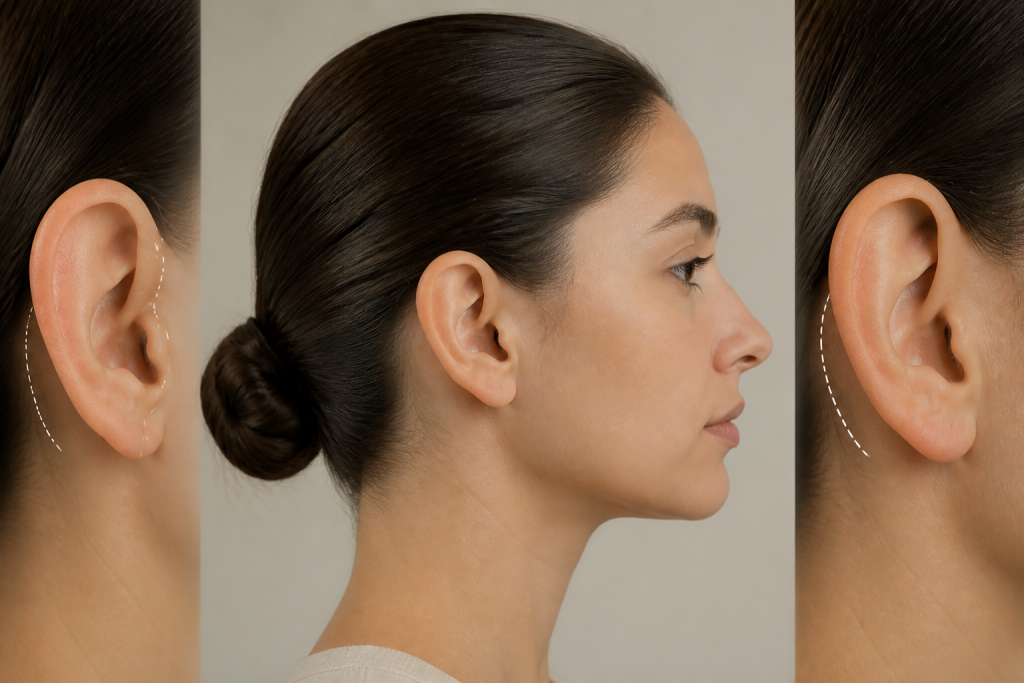
Otoplasty asymmetry refers to a noticeable difference in the shape, size, or projection of the ears following an otoplasty, commonly known as ear pinning surgery. Instead of achieving the desired symmetrical and balanced appearance, one ear may protrude more than the other, have a different contour, or be positioned at a slightly different height. This can lead to significant aesthetic dissatisfaction for patients seeking to correct prominent ears.
The goal of otoplasty is to create a natural-looking, harmonious balance between both ears and with the rest of the facial features. When this balance is not achieved, or when new imbalances arise post-surgery, it constitutes an uneven ear appearance. It’s important to distinguish between minor, unnoticeable variations, which are common in natural anatomy, and significant discrepancies that warrant revision.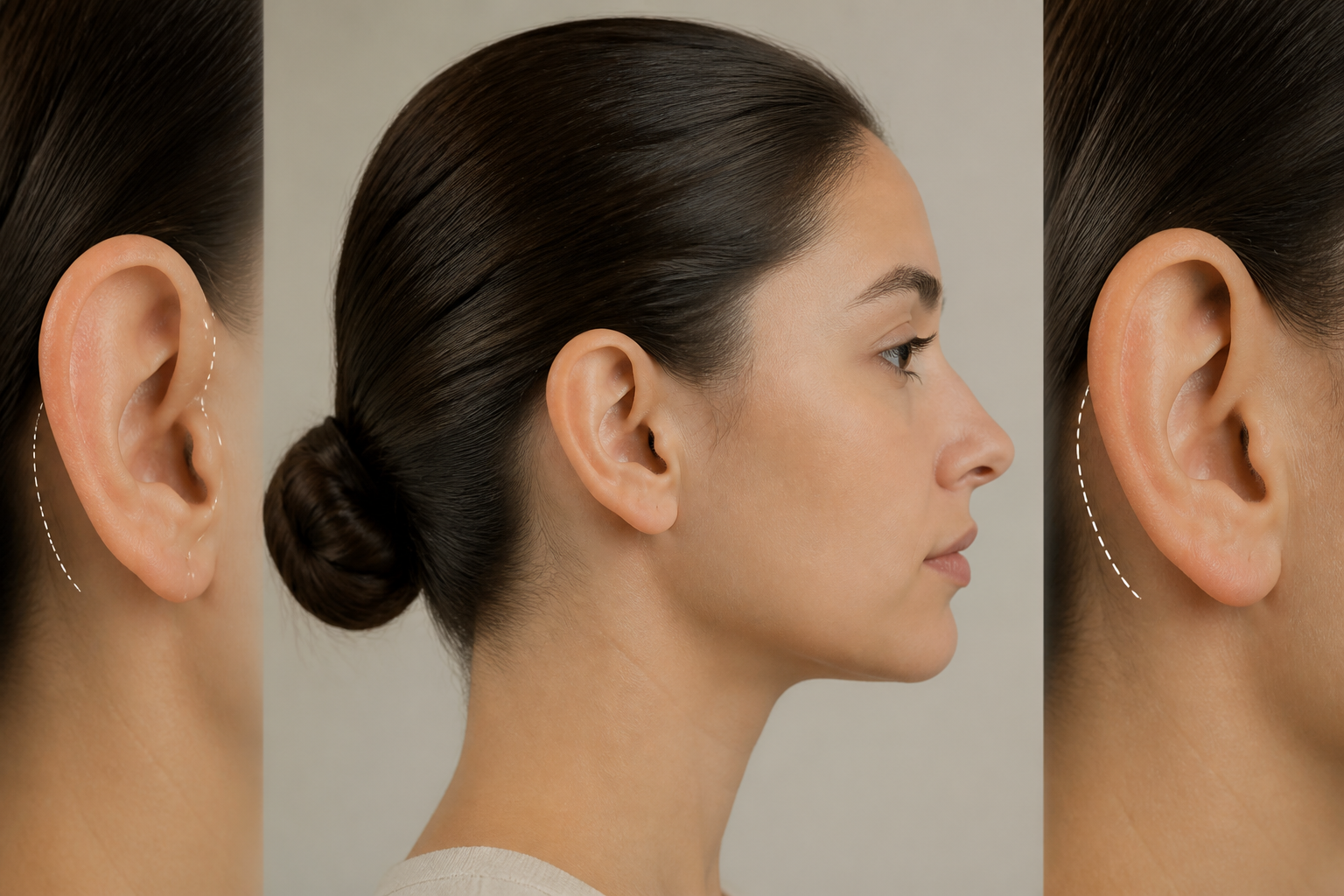
Why Does Otoplasty Asymmetry Occur? Common Causes
Several factors can contribute to the development of otoplasty asymmetry. One primary reason is the inherent “memory” of cartilage, which can sometimes revert to its original shape despite surgical reshaping. This phenomenon, known as cartilage spring-back, can cause one ear to gradually regain some of its prominence. Differences in the initial ear anatomy, which may not have been fully accounted for during the first surgery, can also play a role.
Surgical technique is another critical element. Inadequate or inconsistent suturing, uneven cartilage removal, or imprecise sculpting can lead to an unbalanced outcome. Post-operative complications such as hematoma (blood collection) or infection can also affect the healing process, potentially distorting the ear’s new shape and contributing to uneven results following ear pinning surgery.
How Common is Otoplasty Asymmetry? Setting Expectations
While otoplasty is generally a safe and effective procedure, otoplasty asymmetry is a known potential complication. The exact incidence varies, but significant asymmetry requiring revision surgery is relatively uncommon, often reported in less than 5-10% of cases. Minor differences between ears are natural, as no two ears are perfectly identical, even without surgery. However, when the presence of otoplasty asymmetry is significant and causes distress, it’s crucial to seek expert evaluation.
Understanding the potential for asymmetry is part of a realistic expectation-setting process before any cosmetic procedure. Patients should discuss all possible outcomes with their surgeon, including the rare chance of needing a revision, to ensure they are fully informed.
Step 1: Expert Consultation for Otoplasty Asymmetry
The first and most crucial step in addressing otoplasty asymmetry is to seek an expert consultation with a board-certified plastic surgeon specializing in revision ear surgery. This initial meeting is paramount for a thorough evaluation of your current ear structure, a detailed discussion of your concerns, and an understanding of your aesthetic goals. A skilled surgeon will meticulously assess the degree and nature of the asymmetry.
During this consultation, the surgeon will examine the cartilage, skin, and underlying tissues of both ears. They will also review your medical history, including details of your initial otoplasty, to identify potential contributing factors to the unevenness. This comprehensive approach is essential for formulating an effective and personalized treatment strategy. If your ears are uneven after otoplasty, this consultation is your most important action.
Finding the Best Surgeons for Revision Otoplasty Asymmetry
Identifying the right specialist for revision otoplasty asymmetry is key to achieving successful results. Look for a board-certified plastic surgeon with extensive experience specifically in otoplasty and, more importantly, in complex revision cases. Their expertise in ear anatomy and refined surgical techniques will be critical. Online reviews, before-and-after galleries, and professional affiliations can help guide your search.
It is highly recommended to choose a surgeon who is transparent about potential risks and realistic about achievable outcomes. A specialist in facial plastic surgery, particularly one known for their work in ear aesthetics, will possess the nuanced understanding required to correct delicate ear structures and restore balance.
Step 2: Comprehensive Assessment and Personalized Plan for Otoplasty Asymmetry
Following the initial consultation, a comprehensive assessment will delve deeper into the specific anatomical issues causing the otoplasty asymmetry. This involves detailed measurements, photographic documentation, and sometimes even 3D imaging to precisely map the discrepancies between the ears. The surgeon will analyze the cartilage framework, skin elasticity, and the overall projection and position of each ear relative to the head and other facial features.
This thorough evaluation allows the surgeon to pinpoint the exact nature of the asymmetry, whether it’s due to under-correction, over-correction, scar tissue formation, or cartilage relapse. Based on these findings, a personalized surgical plan is developed. This plan outlines the specific techniques that will be used to re-sculpt the cartilage, adjust ear projection, or refine the ear shape to achieve a more symmetrical and harmonious result. For instance, techniques might involve cartilage scoring, suturing, or grafting, as discussed in authoritative sources on otoplasty techniques and outcomes.
Can Otoplasty Asymmetry Be Corrected with Revision Surgery?
Yes, in most cases, otoplasty asymmetry can be effectively corrected with revision surgery. Revision otoplasty is a specialized procedure designed to address the imperfections or imbalances that may arise from an initial ear pinning surgery. It requires a surgeon with advanced skills and a deep understanding of ear anatomy to navigate potentially altered tissues and scar tissue from the previous operation.
The goal of revision surgery is not just to fix the unevenness but to create a natural-looking, balanced outcome that integrates seamlessly with the patient’s overall facial aesthetics. The success of the revision depends heavily on the surgeon’s experience and the meticulous planning involved in correcting the specific type of asymmetry present.
Step 3: Treatment Options for Otoplasty Asymmetry
When addressing otoplasty asymmetry, the primary treatment option is almost always revision otoplasty. This surgical approach allows for precise manipulation of the ear cartilage and tissues to correct the imbalance. The specific techniques employed will vary depending on the nature and severity of the asymmetry. Common methods include re-sculpting the cartilage, adjusting the angle of projection, or repositioning the ear.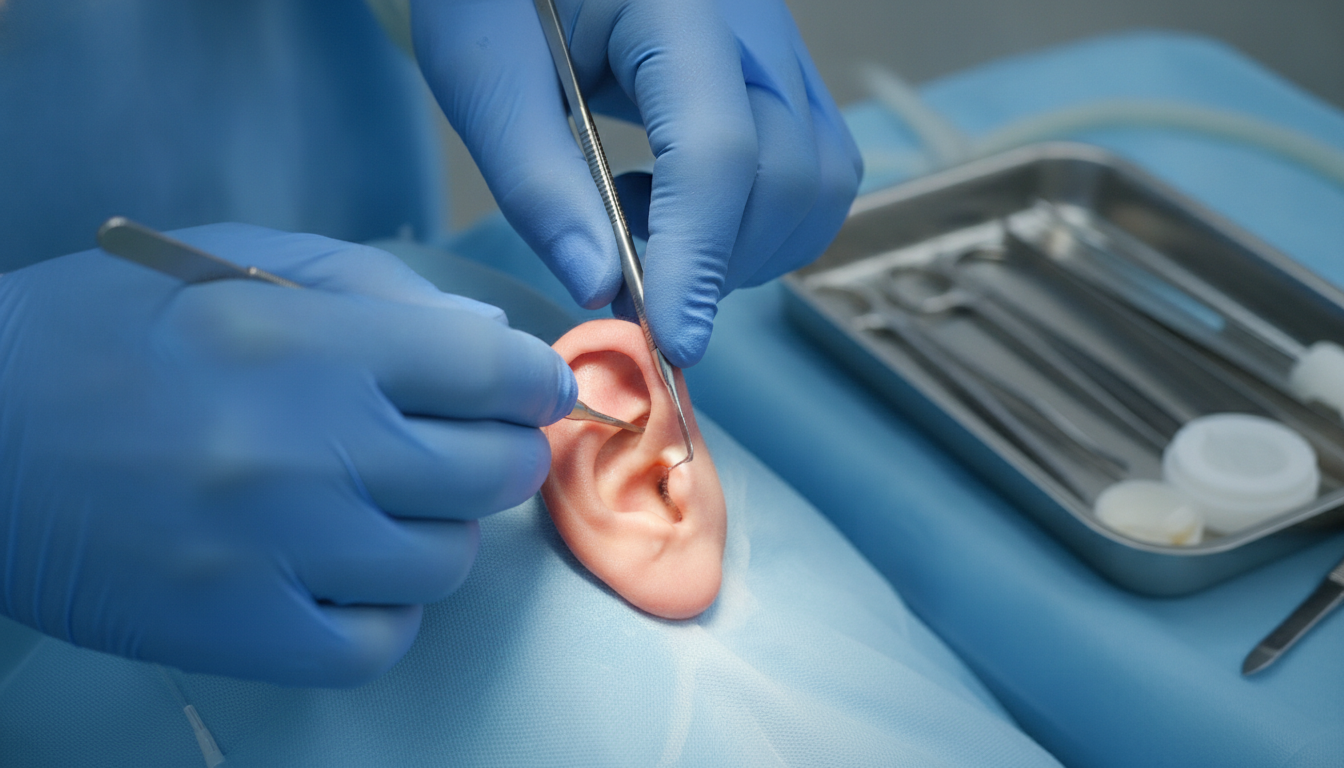
For instance, if one ear protrudes too much, additional cartilage may be reshaped or sutures adjusted. If an ear is under-corrected, further cartilage scoring or suturing might be necessary to achieve the desired setback. In cases of over-correction, where an ear is pinned too close to the head, cartilage grafts may be used to provide more projection. The surgeon’s artistry and technical skill are paramount in selecting and executing the most appropriate techniques.
Are There Non-Surgical Options for Mild Otoplasty Asymmetry?
For significant structural issues causing otoplasty asymmetry, non-surgical options are generally not effective. Ear cartilage is firm and requires surgical intervention to achieve lasting changes in shape or position. However, for very mild, subtle asymmetries, some temporary non-surgical approaches might be considered, though their efficacy is limited.
These might include specialized ear splints or taping for very young children, but for adults with post-otoplasty asymmetry, surgical revision remains the gold standard. Injectable fillers are not typically used to correct ear shape or projection, as they lack the structural support needed for cartilage reshaping.
Cost to Fix Asymmetrical Ears After Otoplasty
The cost of correcting uneven ear appearance through revision surgery can vary significantly based on several factors. These include the complexity of the revision, the surgeon’s fees, anesthesia costs, and facility charges. Given the specialized nature of revision surgery, it often requires more time and expertise than an initial otoplasty, which can influence the overall expense.
Patients should anticipate a detailed breakdown of costs during their consultation. While it represents an investment, correcting ear asymmetry can significantly improve a patient’s self-esteem and quality of life. Many clinics offer financing options to make the procedure more accessible.
Considering Revision for Otoplasty Asymmetry? Trust The Face Doctor of Florida
Achieve balanced ear harmony with the expertise of Dr. Shashi Kusuma. Our personalized approach ensures natural-looking results for even the most complex cases of otoplasty asymmetry.
Step 4: Recovery and Results After Correcting Otoplasty Asymmetry
The recovery process following revision surgery for otoplasty asymmetry is similar to that of an initial otoplasty. Patients can expect some swelling, bruising, and mild discomfort in the days immediately following the procedure. Pain medication can effectively manage any discomfort. A head dressing or headband will typically be worn continuously for the first week to protect the ears and aid in the healing process.
After the initial week, the headband may be worn only at night for several more weeks to maintain the new ear position and prevent cartilage relapse. Most patients can return to light, non-strenuous activities within a week, with full recovery and the final results becoming apparent over several months as swelling completely subsides and tissues settle. Patience during this period is key to appreciating the full aesthetic improvement.
What are the Risks Associated with Correcting Uneven Ear Appearance?
As with any surgical procedure, correcting uneven ear appearance carries certain risks, though they are generally low when performed by an experienced surgeon. Potential risks include infection, bleeding, adverse reaction to anesthesia, changes in sensation, and, in rare cases, persistent or recurrent asymmetry. Scarring is also a consideration, although incisions are typically well-hidden behind the ear.
Choosing a highly qualified and experienced surgeon significantly minimizes these risks. During your consultation, your surgeon will thoroughly discuss all potential complications and how they are managed, ensuring you are fully informed and comfortable with the procedure.
Step 5: Preventing Otoplasty Asymmetry in Future Procedures
While complete prevention of otoplasty asymmetry can be challenging due to individual healing variations, several measures can significantly reduce its likelihood in both initial and revision surgeries. The most critical factor is the selection of a highly skilled and experienced board-certified plastic surgeon. A surgeon with a deep understanding of ear anatomy and a meticulous surgical approach is better equipped to anticipate and mitigate potential issues.
Thorough pre-operative planning, including detailed measurements and a clear discussion of aesthetic goals, is also vital. During the surgery, precise and consistent technique, along with appropriate cartilage manipulation and suturing, helps ensure a balanced outcome. Post-operatively, strict adherence to the surgeon’s aftercare instructions, particularly regarding the use of headbands, is crucial for maintaining the new ear shape and preventing relapse.
Conclusion: Achieving Balanced Ear Harmony After Otoplasty Asymmetry
Navigating the challenges of uneven ear appearance requires a blend of expert medical care, precise surgical technique, and a patient’s commitment to the recovery process. While the appearance of uneven ears after an initial otoplasty can be disheartening, it is important to remember that effective solutions are available. By following these 5 proven steps—from seeking an expert consultation to understanding the recovery—you can embark on a journey toward achieving the balanced and harmonious ear appearance you desire.
The path to correcting this condition is a testament to the transformative power of revision surgery when performed by a skilled specialist. With the right approach, perfect ear harmony is not just a possibility, but an achievable reality, restoring confidence and ensuring your reflection truly aligns with your aesthetic aspirations.
Frequently Asked Questions About Otoplasty Asymmetry
What is otoplasty asymmetry?
Otoplasty asymmetry refers to a noticeable difference in the shape, size, or projection of the ears after otoplasty (ear pinning) surgery. This can manifest as one ear being more prominent, differently shaped, or positioned higher than the other, creating an unbalanced appearance.
Why do ears become asymmetrical after otoplasty?
Otoplasty asymmetry can occur due to various factors, including the natural healing process, differences in cartilage memory, inadequate surgical technique, or post-operative complications like hematoma or infection. Pre-existing asymmetry may also be exacerbated if not adequately addressed during the initial procedure.
How common is otoplasty asymmetry?
While specific statistics vary, otoplasty asymmetry is a known, though not extremely common, potential outcome of ear pinning surgery. Minor asymmetries are often unnoticed, but significant differences requiring correction are less frequent, often below 5-10% of cases.
Can otoplasty asymmetry be corrected with revision surgery?
Yes, otoplasty asymmetry can often be corrected with revision surgery. A skilled plastic surgeon can evaluate the underlying causes of the unevenness and develop a tailored surgical plan to re-sculpt the cartilage, adjust ear projection, or refine the ear shape to achieve a more symmetrical and harmonious result.
What are the treatment options for otoplasty asymmetry?
Treatment options for otoplasty asymmetry primarily involve revision otoplasty. This may include techniques like cartilage scoring, suturing, grafting, or reshaping to achieve better balance. The specific approach depends on the degree and nature of the asymmetry. Non-surgical options are generally not effective for significant structural issues.
Who are the best surgeons for revision otoplasty asymmetry?
The best surgeons for revision otoplasty asymmetry are board-certified plastic surgeons specializing in facial procedures, particularly those with extensive experience in otoplasty and complex revision cases. Their expertise in ear anatomy and refined surgical techniques is crucial for successful outcomes.
What should I do if my ears are uneven after otoplasty?
If your ears appear uneven after otoplasty, the first step is to consult with a board-certified plastic surgeon, preferably one with expertise in revision otoplasty. They will assess your ears, discuss your concerns, and determine the best course of action for correcting the otoplasty asymmetry.
What is the recovery time for revision otoplasty for asymmetry?
The recovery time for revision otoplasty for asymmetry is similar to initial otoplasty, typically involving about 1-2 weeks for initial swelling and bruising to subside. Most patients can return to light activities within a week, with full recovery and final results visible over several months.