Facelift journey guide: Your 7 Ultimate Steps to a Refreshed You
The reflection you see should be a source of confidence, not a reminder of time’s subtle touch. For those considering a transformative change, a comprehensive facelift journey guide is an essential resource. It illuminates the path to restoring youthful contours and achieving a refreshed appearance that truly reflects your inner vitality. This guide will walk you through every critical stage, from initial considerations to the remarkable results, ensuring you feel empowered and informed at each turn.Embarking on this journey is a significant decision, and understanding each phase is paramount. We will explore the science behind facial rejuvenation, demystify the various techniques available, and detail what you can expect during your personalized experience. This comprehensive facelift journey guide is your personal invitation to discover a more radiant, revitalized you, built on a foundation of expert care and natural-looking results.
Key Takeaways from Your Facelift Journey Guide
- Understand the comprehensive steps involved in a facelift, from consultation to long-term recovery, ensuring a smooth and informed experience.
- Learn how to identify if you are an ideal candidate for a facelift and what factors contribute to successful, natural-looking outcomes.
- Discover the importance of choosing a board-certified plastic surgeon specializing in facial aesthetics for optimal safety and results.
- Gain insights into various facelift techniques, recovery timelines, and crucial post-operative care for a truly refreshed appearance.
Step 1: Understanding Your Facelift Journey Guide: What It Entails
Embarking on a facelift is a profound personal decision, and a comprehensive facelift journey guide serves as your indispensable roadmap. It’s more than just a list of procedures; it’s an educational resource designed to demystify every stage of the process. From your initial thoughts about facial rejuvenation to the final, beautiful results, this guide ensures you are well-informed and confident. What exactly is a facelift journey guide? It provides a detailed overview of the entire experience, covering everything from the initial consultation and meticulous preparation to the surgical procedure itself, the recovery period, and the long-term maintenance of your results. Its purpose is to equip you with knowledge, helping you set realistic expectations and make empowered choices throughout your transformation. This guide helps you understand the commitment involved and the incredible potential for a refreshed appearance.Understanding the nuances of each phase is crucial for a smooth and successful outcome. A well-structured facelift journey guide will address common concerns, outline potential challenges, and highlight the benefits of modern surgical techniques. It emphasizes the importance of a collaborative relationship with your surgeon, ensuring your aesthetic goals are understood and meticulously planned for.
Step 2: Are You an Ideal Candidate for a Facelift Journey Guide?
Determining if you are an ideal candidate is a critical step in your facelift journey guide. A facelift is specifically designed to address visible signs of aging in the face and neck, such as sagging skin, deep wrinkles, jowls, and loss of facial volume. The goal is to achieve a more youthful, refreshed, and harmonious appearance that truly reflects how you feel inside, rather than drastically changing your look.Why do people choose to get a facelift? The primary motivation is often to counteract the effects of gravity, sun exposure, and the natural aging process that lead to a tired or aged appearance. Candidates typically seek to tighten loose skin, smooth prominent folds, and redefine the jawline and neck. It’s about restoring a natural, youthful contour that time may have diminished.An ideal candidate for a facelift procedure is generally a healthy individual, typically in their 40s to 70s, who has realistic expectations about the outcomes. They should be non-smokers and free from medical conditions that could impair healing or increase surgical risks. A thorough medical evaluation by your surgeon is essential to confirm your suitability for the procedure. The recommended age for getting a facelift isn’t fixed; it depends on individual aging patterns and concerns, with many opting for it when moderate to significant signs of aging become apparent.
Step 3: Preparing for Your Facelift Journey Guide: Pre-Operative Essentials
Proper preparation is a cornerstone of a successful facelift journey guide. This phase is crucial for minimizing risks, optimizing your healing process, and ensuring you are physically and mentally ready for surgery. Your surgeon will provide detailed instructions, and adhering to them meticulously is vital for your safety and the best possible results.How to best prepare for facelift surgery involves several key steps. It begins with a detailed consultation and a comprehensive medical evaluation, including blood tests and possibly an EKG. You will need to stop certain medications, especially blood thinners like aspirin, ibuprofen, and herbal supplements, several weeks before surgery to reduce bleeding risks. Avoiding smoking and alcohol for at least two to four weeks pre-operatively is also critical, as these can significantly impair healing and increase complications.Arranging for post-operative care is another essential aspect of preparation. You will need someone to drive you home after surgery and assist you during the initial recovery period. Preparing your home environment with comfortable resting areas and easy access to necessities will also contribute to a smoother healing process. Following all pre-operative instructions from your surgeon, including dietary guidelines and medication adjustments, is paramount for a safe and effective facelift journey guide.
Embark on Your Facelift Journey Guide with The Face Doctor of Florida
Dr. Shashi Kusuma, a board-certified plastic surgeon, offers personalized facelift solutions designed for natural-looking, refined results. Discover how our expert approach can help you achieve a truly refreshed and youthful appearance.
Step 4: Exploring Facelift Techniques: Your Personalized Facelift Journey Guide
Understanding the various facelift techniques is a key component of your comprehensive facelift journey guide. Modern plastic surgery offers a range of approaches, each tailored to address specific concerns and achieve different levels of rejuvenation. Your surgeon will discuss the most appropriate technique based on your unique facial anatomy and aesthetic goals.What are the different types of facelift techniques available? These include the traditional facelift (often a SMAS lift), which addresses significant aging in the mid-face, lower face, and neck. A mini facelift involves shorter incisions and targets less extensive sagging, primarily in the jawline and neck. The deep plane facelift repositions deeper facial tissues for more profound and long-lasting results, while a limited incision facelift uses smaller incisions for more targeted improvements.Each technique varies in invasiveness, recovery time, and the extent of correction. For instance, a traditional facelift typically involves incisions that begin in the hairline at the temples, continue around the ear, and end in the lower scalp. The skin is then redraped, and excess skin is removed. Your surgeon will explain these options in detail, ensuring you understand the benefits and considerations of each for your personalized facelift journey guide. For more in-depth information on surgical techniques, you might consult resources like the American Society of Plastic Surgeons.
Step 5: The Facelift Procedure: What to Expect in Your Facelift Journey Guide
Knowing what to expect on the day of your surgery is a crucial part of your facelift journey guide. The procedure is typically performed under general anesthesia or local anesthesia with sedation, depending on the complexity and your surgeon’s recommendation. The duration of the surgery can vary, usually ranging from 2 to 5 hours.What should I expect immediately after facelift surgery? Upon waking, you can expect some swelling, bruising, and mild discomfort. Dressings or bandages will be carefully applied to the surgical sites to minimize swelling and support the healing tissues. Small, thin drains may be temporarily placed under the skin to collect any excess fluid or blood; these are usually removed within a day or two. Pain medication will be prescribed to manage any discomfort, and you will receive detailed post-operative instructions for wound care, medication schedules, and activity restrictions.It is normal to feel tired and somewhat disoriented immediately after surgery. Having a trusted friend or family member present to assist you and ensure your comfort during the initial hours and days is highly recommended. Your surgical team will monitor you closely before you are discharged, providing all necessary information for a safe transition into your early recovery phase. This immediate post-operative care is a vital segment of your facelift journey guide.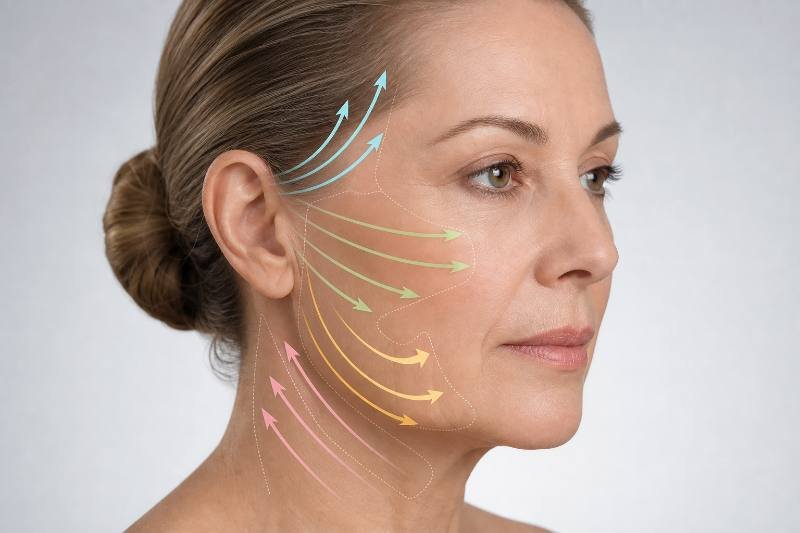
Step 6: Navigating Facelift Journey Guide Recovery: Your Path to Healing
Recovery is arguably the most critical phase of your facelift journey guide, requiring patience and diligent adherence to post-operative instructions. The healing process unfolds in stages, with initial swelling and bruising gradually subsiding, revealing your rejuvenated appearance.How long does facelift recovery typically take? Full recovery involves several phases. Initial swelling and bruising are most prominent during the first week and largely subside within 2-4 weeks. Most patients can return to light activities and non-strenuous work after 2-3 weeks. However, complete healing and the final results may take several months to a year as tissues settle and scars mature. It’s important to understand that individual healing rates vary.What post-facelift care is crucial for optimal healing? Key aspects include keeping incisions clean and dry, adhering strictly to medication schedules (antibiotics, pain relievers), and avoiding strenuous activity, heavy lifting, and bending for several weeks. Sleeping with your head elevated helps reduce swelling. Protecting your skin from sun exposure is paramount, and attending all follow-up appointments with your surgeon is essential to monitor your progress and address any concerns. The recovery timeline for a mini facelift is generally shorter, with most initial swelling and bruising resolving within 1-2 weeks, allowing a return to normal activities sooner, usually within 10-14 days. This careful attention to recovery ensures the best outcome for your facelift journey guide.
Step 7: Choosing Your Surgeon and Understanding Costs in Your Facelift Journey Guide
Selecting the right surgeon and understanding the financial aspects are paramount final steps in your facelift journey guide. The expertise of your surgeon directly impacts the safety of your procedure and the naturalness of your results. This decision should be made with careful consideration and thorough research.How do I choose the best facelift surgeon for my needs? Prioritize board certification in plastic surgery, extensive experience specifically in facial surgery, and a strong portfolio of natural-looking results. Look for patient reviews and testimonials, and ensure you feel comfortable and trusting during your consultation. A good surgeon will listen to your goals, provide realistic expectations, and clearly explain the procedure and potential risks. The Face Doctor of Florida, for example, offers expert facelift services in Weston, FL, and emphasizes personalized care and natural outcomes. To discover how our expertise can guide your transformation, visit The Face Doctor of Florida. Where can I find top-rated facelift surgeons near me? Research board-certified plastic surgeons specializing in facial surgery, check their credentials, and review before-and-after galleries.How much does a full facelift cost on average? The average cost of a full facelift varies widely based on geographic location, the surgeon’s fees, anesthesia costs, and facility fees. It can range from $8,000 to $20,000 or more. A personalized consultation is necessary for an accurate estimate tailored to your specific needs and the complexity of your procedure. What are the potential risks and complications of a facelift? Potential risks include infection, bleeding, adverse reactions to anesthesia, nerve injury, asymmetry, and scarring. Choosing a board-certified surgeon significantly minimizes these risks, making this a crucial part of your facelift journey guide.
Conclusion: Your Ultimate Facelift Journey Guide
Embarking on a facelift is a deeply personal and transformative experience. This comprehensive facelift journey guide has outlined the seven essential steps, from initial understanding and candidacy assessment to preparation, surgical techniques, recovery, and the critical choice of your surgeon. By providing you with detailed insights into each phase, our aim is to empower you to make informed decisions and approach your transformation with confidence.Achieving a refreshed, natural-looking appearance requires not only advanced surgical skill but also a clear understanding of the process. With the right surgeon and a thorough grasp of this facelift journey guide, you can look forward to results that enhance your natural beauty and restore a youthful vitality. Your journey towards renewed confidence and a more vibrant self begins with knowledge and expert guidance.
What is a facelift journey guide?
A facelift journey guide provides a comprehensive overview of the entire process, from initial consultation and preparation to the surgical procedure, recovery, and long-term results. It helps patients understand each step to ensure a smooth and informed experience.
How long does facelift recovery typically take?
Full facelift recovery typically involves several phases. Initial swelling and bruising subside within 2-4 weeks. Most patients can return to light activities and work after 2-3 weeks, though complete healing and final results may take several months to a year.
What should I expect immediately after facelift surgery?
Immediately after facelift surgery, you can expect some swelling, bruising, and mild discomfort. Dressings or bandages will be applied, and drains may be temporarily placed. Pain medication will be prescribed, and careful post-operative instructions will be provided for your comfort and safety.
Why do people choose to get a facelift?
People choose a facelift to address visible signs of aging in the face and neck, such as sagging skin, deep wrinkles, jowls, and loss of facial volume. The goal is to achieve a more youthful, refreshed, and harmonious appearance that reflects how they feel inside.
Who is an ideal candidate for a facelift procedure?
An ideal candidate for a facelift is generally a healthy individual, typically in their 40s to 70s, who has realistic expectations and concerns about moderate to significant facial aging. They should be non-smokers and free from medical conditions that could impair healing.
Where can I find top-rated facelift surgeons near me?
To find top-rated facelift surgeons near you, research board-certified plastic surgeons specializing in facial surgery. Look for patient reviews, before-and-after galleries, and affiliations with reputable hospitals. The Face Doctor of Florida offers expert facelift services in Weston, FL.
What are the different types of facelift techniques available?
Different facelift techniques include the traditional facelift (SMAS lift), mini facelift, deep plane facelift, and limited incision facelift. Each technique targets specific areas of the face and varies in invasiveness and the extent of correction.
How much does a full facelift cost on average?
The average cost of a full facelift varies widely based on geographic location, surgeon’s fees, anesthesia costs, and facility fees. It can range from $8,000 to $20,000 or more. A personalized consultation is necessary for an accurate estimate.
What are the potential risks and complications of a facelift?
Potential risks and complications of a facelift include infection, bleeding, adverse reaction to anesthesia, nerve injury, asymmetry, scarring, and dissatisfaction with results. Choosing a board-certified surgeon significantly minimizes these risks.
How to best prepare for facelift surgery?
Preparation for facelift surgery involves a detailed consultation, medical evaluation, stopping certain medications (like blood thinners), avoiding smoking and alcohol, arranging for post-operative care, and following all pre-operative instructions from your surgeon.
What is the recommended age for getting a facelift?
There isn’t a single recommended age for a facelift; it depends on individual aging patterns and concerns. Many patients opt for a facelift in their late 40s to 60s, but younger individuals with premature aging or older individuals can also be good candidates.
Can I see typical facelift before and after results?
Yes, reputable surgeons will provide a gallery of typical facelift before and after results during your consultation or on their website. These images help prospective patients understand the potential outcomes and the surgeon’s aesthetic style.
What is the recovery timeline for a mini facelift?
A mini facelift typically has a shorter recovery timeline than a full facelift, with most initial swelling and bruising resolving within 1-2 weeks. Patients can often return to normal activities sooner, usually within 10-14 days.
How do I choose the best facelift surgeon for my needs?
To choose the best facelift surgeon, prioritize board certification, extensive experience in facial plastic surgery, a strong portfolio of natural-looking results, positive patient reviews, and a comfortable, trusting rapport during your consultation.
What post-facelift care is crucial for optimal healing?
Crucial post-facelift care includes keeping incisions clean, adhering to medication schedules, avoiding strenuous activity, sleeping with your head elevated, attending follow-up appointments, and protecting your skin from sun exposure.