Injectable Myths Debunked: 8 Powerful Truths for Amazing Natural Results
The journey to enhanced beauty and confidence often involves navigating a landscape of information, some accurate, some misleading. When considering cosmetic injectables like Botox and dermal fillers, it’s easy to encounter misinformation that can create apprehension. This article aims to set the record straight, providing clear, evidence-based answers to common concerns. Here, injectable myths debunked, revealing 8 powerful truths that empower you to make informed decisions about achieving amazing, natural results.
In this comprehensive guide, we will explore the science behind these popular treatments. We’ll demystify how they work, detail what you can expect during your visit, and explain why the expert touch of a skilled injector is the key to achieving the refreshed, subtle enhancements you desire. Consider this your personal invitation to discover a more radiant, revitalized you, built on a foundation of accurate understanding.
Key Takeaways
- Discover why modern injectable treatments, when performed by experts, deliver natural-looking enhancements, not ‘frozen’ faces.
- Understand the temporary nature of injectables and why this is a benefit, not a drawback, for evolving aesthetic goals.
- Learn about the minimal discomfort associated with injectables and the safety measures in place to ensure a positive experience.
- Identify the crucial factors for choosing a qualified provider, ensuring both safety and optimal, beautiful outcomes.
What are the Most Common Injectable Myths Debunked?
Many people approach cosmetic injectables with a mix of curiosity and apprehension, often fueled by sensationalized stories or outdated information. It’s time for some common injectable myths debunked to clear the air. Understanding the truth can transform your perspective and help you appreciate the genuine benefits of these treatments.
One widespread belief is that injectables are only for older individuals seeking dramatic anti-aging solutions. In reality, many younger patients use them preventatively to maintain a youthful appearance or to enhance specific features subtly. Another myth suggests that all injectables are the same, leading to confusion between Botox and dermal fillers. These are distinct treatments with different mechanisms and applications.
Furthermore, the idea that injectables inevitably lead to an “overdone” or “fake” look is a significant deterrent for many. This perception often stems from poor aesthetic practices, not the treatments themselves. When administered by a skilled professional, the goal is always natural enhancement. Let’s delve deeper into these truths and more.
Why Do Some People Fear Injectables Based on Misinformation?
The fear surrounding injectables often originates from a lack of accurate information and a reliance on anecdotal evidence. Media portrayals, celebrity gossip, and social media trends can sometimes distort the reality of cosmetic procedures. This creates a cycle of misinformation where legitimate concerns are overshadowed by exaggerated fears.
The truth is, advancements in aesthetic medicine have made injectables safer and more predictable than ever before. With proper education and a qualified provider, the risks are minimal, and the potential for beautiful, natural results is high. It’s crucial to seek information from reputable sources and medical professionals to truly understand what injectables can offer.
Do Injectables Make Your Face Look Frozen? The Truth About Natural Results
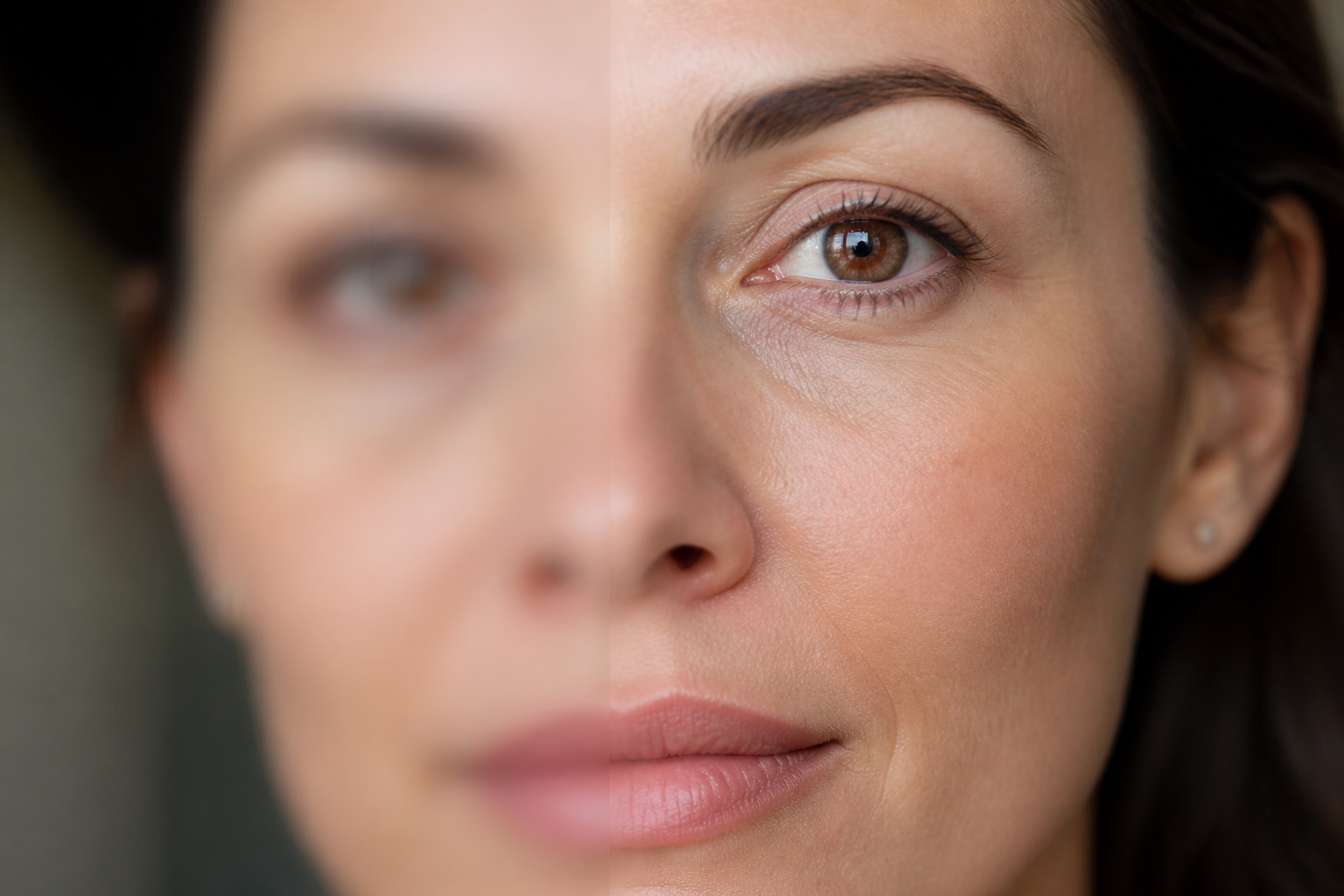
One of the most persistent injectable myths debunked is the idea that these treatments will leave your face looking “frozen” or expressionless. This misconception often arises from observing poorly executed procedures, not from the inherent nature of the injectables themselves. Modern aesthetic philosophy emphasizes subtle enhancement and preserving natural facial expressions.
When performed by an experienced and artistic injector, the goal is to soften lines and restore volume in a way that complements your unique facial anatomy. The aim is to make you look refreshed and revitalized, not like a different person. A skilled practitioner understands the delicate balance required to achieve a natural outcome, ensuring your expressions remain vibrant and authentic.
Do Celebrities’ ‘Bad’ Injectable Experiences Reflect the Typical Outcome for Most People?
The media often highlights celebrity injectable experiences, particularly those that appear “bad” or overdone. These instances, while attention-grabbing, are not representative of the typical results achieved by the vast majority of individuals seeking cosmetic injectables. Many factors contribute to these highly publicized outcomes, including excessive treatment, poor technique, or a desire for an extreme aesthetic.
For most people, under the care of a qualified professional, injectables deliver subtle and satisfying improvements. The focus is on enhancing natural beauty, not creating an artificial appearance. It’s important to remember that celebrity cases are often outliers and should not deter you from exploring injectables with a trusted provider.
Are Injectable Treatments Permanent? Understanding Longevity
Another common misconception among injectable myths debunked is the belief that these treatments are permanent. This is simply not true. Both neuromodulators like Botox and dermal fillers are temporary, with their effects gradually wearing off over time. This temporary nature is actually a significant advantage, offering flexibility and control over your aesthetic journey.
Botox typically lasts for 3 to 4 months, while dermal fillers can last anywhere from 6 months to 2 years, depending on the type of filler, the area treated, and individual metabolism. Regular maintenance treatments are required to sustain results, allowing you to adjust your treatment plan as your face naturally changes or your aesthetic goals evolve. This ensures you always look your best, without being locked into a permanent change.
Is It True That Injectables Are Extremely Painful? Comfort in Treatment
The idea that injectable treatments are excruciatingly painful is another one of the injectable myths debunked by patient experience. While individual pain tolerance varies, most people describe the sensation as mild and very tolerable. Many modern fillers contain lidocaine, a local anesthetic, which significantly reduces discomfort during the injection process.
Additionally, topical numbing creams can be applied to the treatment area beforehand to further enhance comfort. Patients often report feeling a quick pinch or a slight pressure, which subsides almost immediately. The entire procedure is typically brief, making any discomfort short-lived. Your comfort is a top priority for any reputable clinic.
Can Injectables Cause Long-Term Health Problems? Safety First
Concerns about long-term health problems are frequently raised when discussing injectable myths debunked. When administered by a board-certified medical professional in a sterile environment, serious long-term health complications from injectables are exceedingly rare. The products used, such as hyaluronic acid fillers and neuromodulators, have undergone extensive testing and are FDA-approved for cosmetic use.
Short-term side effects, such as temporary bruising, swelling, redness, or tenderness at the injection site, are common and typically resolve within a few days to a week. These are normal responses to any injection. Choosing an experienced and qualified provider is paramount to minimizing risks and ensuring your safety. They will conduct a thorough medical history review to ensure you are a suitable candidate for treatment.

What Are the Legitimate Risks and Potential Complications of Injectables?
While serious complications are rare, it’s important to be aware of the legitimate risks associated with injectables. These can include infection, allergic reactions, lumps or bumps (which are often treatable), and, in very rare cases, vascular occlusion (where filler blocks a blood vessel). This is why choosing a highly trained and experienced injector is critical.
A qualified professional understands facial anatomy thoroughly, knows how to minimize risks, and is equipped to manage any potential complications should they arise. They prioritize patient safety above all else, ensuring that every step of the treatment process is carefully monitored. This transparency is key to truly having injectable myths debunked.
Who is Qualified to Perform Injectable Cosmetic Procedures? Choosing Your Expert
One of the most critical aspects of safe and effective injectable treatments is ensuring your provider is properly qualified. This is where many injectable myths debunked about safety truly come into play. Injectable cosmetic procedures should only be performed by highly trained and certified medical professionals.
This includes board-certified dermatologists, plastic surgeons, and registered nurses or physician assistants working under the direct supervision of a physician. These professionals possess a deep understanding of facial anatomy, sterile techniques, and product pharmacology. They are also trained to handle any potential complications. Always verify your provider’s credentials, experience, and specialization in facial aesthetics.
What Factors Should I Consider When Choosing a Provider for Injectables?
When selecting a provider for injectables, several factors are paramount. First, look for board certification in a relevant specialty like dermatology or plastic surgery. Experience is also crucial; inquire about their years of practice and their specific expertise with injectables. An artistic eye and a natural aesthetic philosophy are equally important.
Consider their clinic’s reputation, patient reviews, and before-and-after photos. A thorough consultation process, where your goals are discussed and a personalized plan is created, is also a strong indicator of a reputable provider. For those in Weston, FL, finding a trusted expert like Dr. Shashi Kusuma at The Face Doctor of Florida ensures you receive top-tier care and natural-looking results. You can learn more about our approach to natural aesthetics by visiting our philosophy page.
Debunk Injectable Myths: Discover Natural Beauty at The Face Doctor of Florida
Under the expert guidance of Dr. Shashi Kusuma, our practice in Weston, FL, specializes in achieving truly natural-looking injectable results. Experience personalized care that enhances your unique beauty without ever looking overdone.
How Do Neuromodulators and Fillers Actually Work? Science of Rejuvenation
Understanding the science behind injectables is key to having injectable myths debunked and appreciating their effectiveness. Neuromodulators, such as Botox, work by temporarily relaxing specific facial muscles that cause dynamic wrinkles. These are the lines that appear with expression, like frown lines between the eyebrows, crow’s feet around the eyes, and forehead lines. By relaxing these muscles, the skin above them smooths out, resulting in a more refreshed appearance.
Dermal fillers, on the other hand, primarily use substances like hyaluronic acid (HA) to add volume and plump up static wrinkles. These are lines visible even when your face is at rest. Fillers can restore lost volume in areas like the cheeks, lips, and temples, smooth deep folds, and enhance facial contours. Both types of injectables work to rejuvenate and improve overall facial harmony, but through different mechanisms.
For a deeper dive into the scientific understanding of dermal fillers and their mechanisms, you can explore detailed research and guidelines from authoritative sources. The U.S. Food and Drug Administration (FDA) provides comprehensive information on the safety and efficacy of various injectable products. Understanding these guidelines helps in having injectable myths debunked with factual information. For more information, visit the FDA’s Dermal Fillers page.
Can Injectable Results Be Reversed or Adjusted? Ensuring Your Satisfaction
A common concern that contributes to injectable myths debunked is the fear of irreversible results. Fortunately, for many types of injectables, particularly hyaluronic acid (HA) dermal fillers, the results can indeed be reversed or adjusted if you are not completely satisfied. This provides an important safety net and peace of mind for patients.
HA fillers can be dissolved using an enzyme called hyaluronidase, which breaks down the hyaluronic acid, allowing the body to absorb it. This means that if you experience an undesirable outcome or simply wish to return to your original appearance, it is often possible. While neuromodulators like Botox cannot be instantly reversed, their effects naturally wear off over a few months, allowing for adjustments in future treatments. This flexibility is a significant advantage of modern injectables.
Are There Non-Injectable Alternatives That Offer Similar Anti-Aging Benefits?
While injectables are highly effective, some individuals may prefer non-injectable alternatives. These options can offer similar anti-aging benefits, though often with different mechanisms and timelines for results. Treatments like microneedling, chemical peels, laser resurfacing, and advanced skincare regimens can improve skin texture, tone, and reduce fine lines.
These alternatives can be excellent complements to injectables or suitable choices for those seeking less invasive options. However, for significant volume restoration or muscle relaxation to address dynamic wrinkles, injectables often provide the most direct and dramatic results. A comprehensive consultation can help determine the best approach for your specific concerns.
How Much Should I Expect to Pay for Injectable Treatments Like Botox or Fillers?
The cost of injectable treatments varies significantly based on several factors. These include the type of injectable used (Botox vs. different types of fillers), the amount of product needed (measured in units for Botox or syringes for fillers), the expertise and location of the provider, and your individual treatment goals. Prices can range from a few hundred dollars for a small area of Botox to several thousand for extensive filler work.
During your consultation, your provider will assess your needs and provide a personalized quote. It’s important to view injectables as an investment in your appearance and confidence, prioritizing the skill of the injector over simply seeking the lowest price. This ensures both safety and the best possible aesthetic outcome.
Your Path to Amazing Natural Results: Injectable Myths Debunked
You now have a clearer understanding of the truths behind common injectable myths debunked. From the natural-looking results achievable with expert hands to the temporary and reversible nature of many treatments, the reality of injectables is far more nuanced and reassuring than often portrayed. These powerful truths empower you to approach aesthetic enhancements with confidence and knowledge.
The key to achieving amazing, natural results lies in choosing a highly qualified and experienced injector who prioritizes your safety and understands the artistry of facial aesthetics. By doing so, you can confidently embark on a journey to a refreshed, revitalized appearance that truly reflects your best self.
Frequently Asked Questions About Injectable Myths Debunked
What are the most common myths surrounding dermal fillers and Botox?
Common injectable myths debunked include the belief that all injectables result in an ‘overdone’ look, that they are permanent, or that they are only for older individuals. Many also mistakenly think Botox and fillers are the same. In reality, both, when administered by a skilled professional, can provide subtle, natural-looking enhancements and address various aesthetic concerns effectively.
Do injectables make your face look frozen or unnatural, as commonly believed?
Absolutely not. This is one of the biggest injectable myths debunked by modern techniques. When performed by a qualified and experienced injector, the goal is always to achieve a natural, refreshed appearance. A ‘frozen’ look typically results from improper dosing or placement, not the injectables themselves. Expert practitioners ensure balanced results that enhance your natural expressions.
Are injectable treatments permanent, or do they wear off over time?
Injectable treatments are not permanent; they are designed to wear off over time. Botox results typically last 3-4 months, while dermal fillers can last anywhere from 6 months to 2 years, depending on the type of filler and the area treated. Regular maintenance treatments are required to sustain results, allowing for flexibility as your aesthetic goals may evolve.
Is it true that injectables are extremely painful to receive?
The sensation during injectable treatments is generally mild and very tolerable for most patients. Many fillers contain lidocaine, a numbing agent, and topical anesthetics can be applied before treatment to minimize discomfort. Patients often describe the feeling as a quick pinch or mild pressure. Any discomfort is typically brief and subsides quickly after the procedure.
Can injectables cause long-term health problems or side effects?
When administered by a board-certified professional in a sterile environment, serious long-term health problems from injectables are extremely rare. Short-term side effects like bruising, swelling, or redness at the injection site are common and temporary. Choosing an experienced provider is crucial to minimize risks and ensure safety. Discussing your medical history thoroughly before treatment is also essential.
Who is qualified and certified to perform injectable cosmetic procedures?
Injectable cosmetic procedures should only be performed by highly qualified medical professionals. This includes board-certified plastic surgeons, dermatologists, and registered nurses or physician assistants working under the direct supervision of a physician. Verification of credentials, experience, and specialization in facial aesthetics is paramount for patient safety and optimal results.
How do neuromodulators and fillers actually work to achieve desired results?
Neuromodulators, like Botox, work by temporarily relaxing specific facial muscles that cause dynamic wrinkles (e.g., frown lines, crow’s feet), smoothing the skin. Dermal fillers, conversely, use substances like hyaluronic acid to add volume, plump up static wrinkles, restore contours, and enhance facial features like lips or cheeks. Both work to rejuvenate and improve facial harmony.
Can injectable results be reversed or adjusted if I’m not happy with them?
Yes, one of the key advantages of many dermal fillers, particularly those made with hyaluronic acid, is that their results can be partially or fully reversed using an enzyme called hyaluronidase. This provides an important safety net. While neuromodulators like Botox cannot be instantly reversed, their effects naturally wear off over a few months, allowing for adjustments in future treatments.