Mohs Repair Expectations: 6 Amazing Steps for Ultimate Healing
Understanding your Mohs Repair Expectations is the first critical step toward a seamless healing journey after skin cancer removal. Mohs micrographic surgery is renowned for its precision in eradicating skin cancer while preserving healthy tissue. However, the subsequent reconstruction, often performed by a plastic surgeon, is equally vital for achieving optimal functional and aesthetic outcomes.
This comprehensive guide will walk you through what to anticipate during your recovery, from the immediate post-operative period to the long-term aesthetic results. We will cover crucial aspects such as recovery timelines, scar management, financial considerations, and how to choose the right reconstructive surgeon to ensure your healing experience is as smooth and successful as possible.
Key Takeaways for Mohs Repair Expectations
- Understand the typical recovery timeline, from initial healing to long-term scar maturation, to manage your Mohs Repair Expectations effectively.
- Learn about the common aesthetic outcomes of reconstructive surgery, focusing on scar minimization and natural-looking results.
- Discover the importance of choosing a board-certified plastic surgeon for your Mohs repair to ensure expert care and refined results.
- Gain insights into financial considerations, including average costs and insurance coverage for Mohs reconstructive surgery.
- Prepare for your procedure with essential pre-operative steps and learn to identify potential signs of complications.
- Explore different repair techniques and why reconstructive surgery is crucial for both function and appearance after Mohs surgery.
Understanding Your Mohs Repair Expectations: The Healing Timeline
The journey after Mohs surgery involves several phases of healing, each with its own set of Mohs Repair Expectations. Immediately after the Mohs procedure, a defect will remain where the skin cancer was removed. This defect is then meticulously repaired, often by a plastic surgeon, to restore the skin’s integrity and minimize scarring.
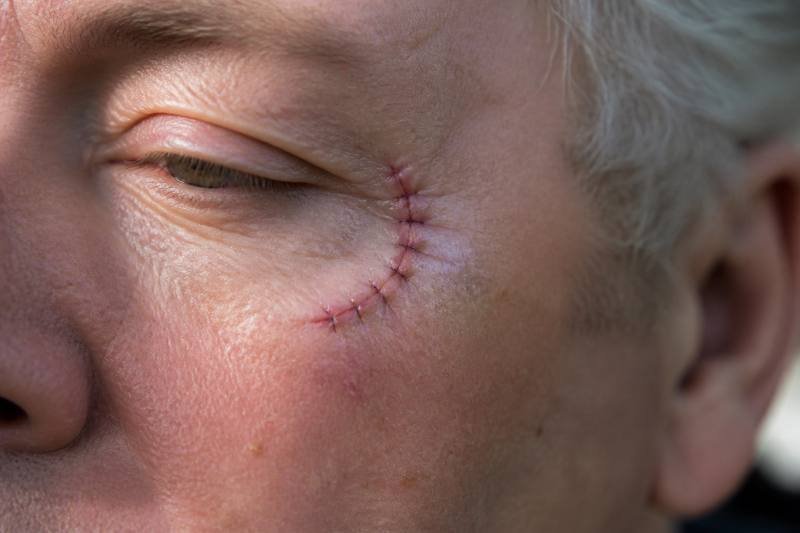
The initial healing phase typically spans the first 1 to 2 weeks. During this time, it is normal to experience some swelling, bruising, and mild discomfort around the Mohs repair site. Your surgeon will provide specific instructions for wound care, which usually involves keeping the area clean and protected. Adhering to these guidelines is crucial for preventing infection and promoting optimal healing.
Beyond the initial weeks, the wound maturation process continues for several months, sometimes even up to a year or more. During this period, the scar will gradually soften, flatten, and fade. Patience is key, as the final aesthetic outcome of your Mohs repair will not be fully apparent for quite some time. Regular follow-up appointments with your surgeon will monitor your progress and address any concerns.
Navigating the Mohs Repair Expectations Timeline
What is the typical recovery timeline after Mohs repair surgery? The initial recovery, where stitches are in place and swelling is most prominent, usually lasts about 7-14 days. After this, the wound is closed, but the deeper tissues continue to heal. Full scar maturation can take 6-12 months, with ongoing improvements to the texture and color of the skin.
During the first few weeks, you might need to limit strenuous activities to prevent tension on the wound. As healing progresses, you can gradually resume normal activities. Understanding this phased recovery helps set realistic Mohs Repair Expectations and reduces anxiety about the process.
For more detailed information on wound healing, you can refer to resources from authoritative medical institutions like the American Academy of Dermatology on Mohs Surgery Recovery.
Setting Realistic Aesthetic Mohs Repair Expectations
One of the primary concerns for patients undergoing Mohs repair is the aesthetic outcome. While a scar is an inevitable part of any surgical procedure, the goal of reconstructive surgery is to minimize its visibility and integrate it seamlessly with your natural facial contours. Skilled plastic surgeons employ advanced techniques to achieve the most refined results possible, shaping your Mohs Repair Expectations.
What are the common aesthetic outcomes to expect from Mohs reconstructive surgery? Surgeons strive to place incisions within natural skin creases or shadows, making them less noticeable. Techniques like local flaps or skin grafts are chosen based on the defect’s size and location, aiming to restore symmetry and balance to the treated area. The ultimate goal is to achieve a result that is both functional and cosmetically pleasing.
Will I have a visible scar after Mohs skin cancer repair? Yes, a scar will always be present. However, its appearance will evolve over time. Initially, scars may be red and raised, but they typically flatten and fade to a lighter color. Proper scar care, including massage and sun protection, can significantly improve the final look of your Mohs repair scar. Discussing scar management with your surgeon is crucial.
Managing Scarring and Mohs Repair Expectations
Can I see before and after photos of Mohs repair patients? Reputable plastic surgery practices often provide before and after photos during consultations or on their websites. These images are invaluable for setting realistic Mohs Repair Expectations and understanding the potential results. They can demonstrate the surgeon’s skill and the range of outcomes achievable.
The appearance of your scar will depend on several factors, including the original size and location of the skin cancer, your skin type, and the reconstructive technique used. While complete invisibility is not possible, an experienced surgeon can achieve remarkable improvements. The Face Doctor of Florida, for example, specializes in facial reconstruction after Mohs surgery, prioritizing natural-looking results.
Preparing for Your Mohs Repair Expectations Journey
Proper preparation is essential for a smooth surgical experience and optimal healing. Your surgeon will provide specific pre-operative instructions tailored to your individual needs. Adhering to these guidelines is crucial for minimizing risks and ensuring the best possible outcome for your Mohs Repair Expectations.
What should I do to prepare for my Mohs repair procedure? Typically, you will be advised to avoid blood-thinning medications, such as aspirin, ibuprofen, and certain supplements, for a period before surgery. If you smoke, quitting or significantly reducing tobacco use is highly recommended, as smoking can impair wound healing. You should also arrange for transportation home after the procedure, especially if sedation is involved.
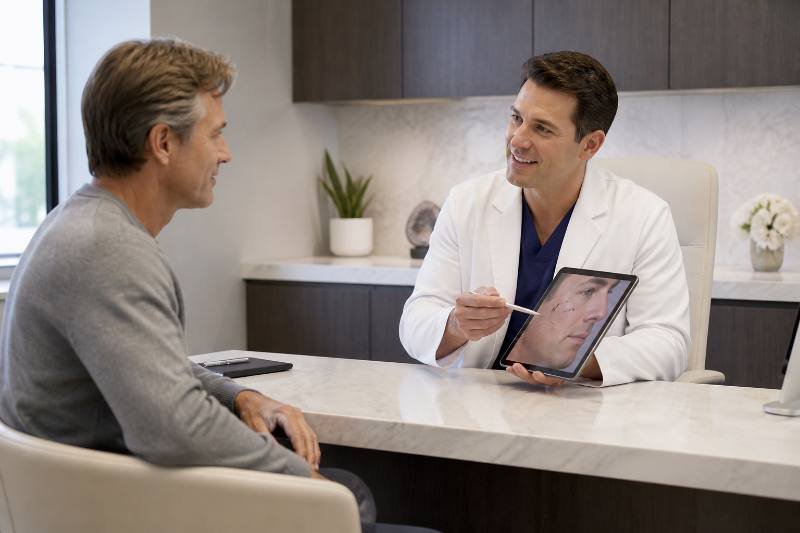
It is also important to have a clear understanding of your post-operative care instructions before your surgery. This includes knowing how to care for your wound, recognizing signs of complications, and understanding activity restrictions. Open communication with your surgical team will help manage your Mohs Repair Expectations effectively.
Who Performs the Reconstructive Surgery After Mohs Micrographic Surgery?
The reconstructive surgery after Mohs micrographic surgery is often performed by a specialized plastic surgeon. While the Mohs surgeon removes the cancer, a plastic surgeon, like Dr. Shashi Kusuma at The Face Doctor of Florida, brings expertise in aesthetic and functional reconstruction, particularly for delicate areas like the face. Their specialized training ensures meticulous closure and optimal cosmetic results.
What are the different types of techniques used for Mohs repair? The choice of repair technique depends on the size, depth, and location of the defect. Common methods include primary closure (stitching the edges together), skin grafts (transferring skin from another area), and local flaps (moving adjacent skin to cover the defect). Each technique is chosen to achieve the best functional and aesthetic outcome for your specific Mohs Repair Expectations.
Considering Mohs Repair Expectations? Trust The Face Doctor of Florida for Expert Care
Dr. Shashi Kusuma specializes in precise reconstructive solutions after Mohs surgery, ensuring natural-looking and refined healing outcomes.
Financial Mohs Repair Expectations: Cost and Coverage
Understanding the financial aspects of Mohs repair surgery is an important part of your overall preparation. The cost can vary significantly based on several factors, and it is essential to discuss these with your surgeon’s office and your insurance provider to clarify your Mohs Repair Expectations regarding expenses.
How much does Mohs repair surgery cost, on average? The average cost can range widely, typically from a few thousand to several thousand dollars. Factors influencing the cost include the complexity of the reconstruction, the surgeon’s fees, anesthesia fees, and facility charges. The size and location of the defect, as well as the specific reconstructive technique required, all play a role in the final price.
Does insurance typically cover Mohs reconstructive surgery? Yes, insurance generally covers Mohs reconstructive surgery because it is considered a medically necessary procedure to restore function and appearance after skin cancer removal. However, coverage specifics vary greatly by individual insurance plan and provider. It is crucial to verify your benefits and obtain pre-authorization from your insurance company for your Mohs Repair Expectations.
Returning to Work and Managing Mohs Repair Expectations
How long until I can return to work after Mohs reconstructive surgery? The time required to return to work depends heavily on the nature of your job and the extent of your Mohs repair. Patients with desk jobs or those that do not involve physical exertion may be able to return within a few days to a week.
For physically demanding jobs, a longer recovery period of 2-4 weeks or more might be necessary to prevent complications and ensure proper healing.
Discussing your occupation and daily activities with your surgeon during your consultation will help you establish realistic Mohs Repair Expectations for your return to work. Your surgeon can provide personalized recommendations based on the specifics of your procedure and your healing progress.
Potential Risks and Complications in Mohs Repair Expectations
While Mohs repair surgery is generally safe and effective, it is important to be aware of potential risks and complications. Understanding these possibilities allows you to make informed decisions and helps manage your Mohs Repair Expectations. Your surgeon will discuss these risks in detail during your consultation.
What are the potential risks and complications of Mohs repair? Common risks include infection, bleeding, and poor wound healing. Less common but more serious complications can include nerve damage (which may be temporary or permanent), an unsatisfactory cosmetic result requiring revision, or skin necrosis (tissue death) in rare cases. Selecting a board-certified plastic surgeon significantly reduces these risks.
What are the signs of infection to watch for after Mohs repair? It is crucial to monitor your wound for signs of infection. These include increased redness, swelling, warmth around the wound, pus drainage, persistent or worsening pain, and fever. If you experience any of these symptoms, contact your surgeon’s office immediately for guidance on your Mohs Repair Expectations.
Why is Mohs Reconstructive Surgery Necessary After Tumor Removal?
Mohs reconstructive surgery is necessary after tumor removal to close the wound created by the cancer excision. Without proper closure, the defect could lead to significant functional impairment, such as difficulty with facial expressions or eating, depending on the location. It also increases the risk of infection and can result in a disfiguring scar, impacting a patient’s quality of life. Effective Mohs repair is crucial for comprehensive healing.
The reconstructive phase aims to restore the skin’s integrity, protect underlying structures, and achieve the best possible aesthetic outcome. This holistic approach ensures that patients not only become cancer-free but also regain confidence in their appearance, aligning with positive Mohs Repair Expectations.
Choosing Your Surgeon for Optimal Mohs Repair Expectations
The choice of your reconstructive surgeon is one of the most critical decisions you will make in your Mohs repair journey. A highly skilled and experienced plastic surgeon can significantly impact both the functional and aesthetic outcomes, shaping your overall Mohs Repair Expectations for the better.
Where can I find a board-certified plastic surgeon for Mohs repair? You can find board-certified plastic surgeons through reputable directories such as the American Board of Plastic Surgery or the American Society of Plastic Surgeons. Recommendations from your Mohs surgeon or primary care physician are also excellent starting points. The Face Doctor of Florida, led by Dr. Shashi Kusuma, specializes in Mohs repair in Weston, FL, offering expert care.
How do I choose the best surgeon for my Mohs repair? Look for a surgeon with extensive experience in facial reconstruction, particularly after skin cancer removal. Board certification is a non-negotiable indicator of rigorous training and expertise. Review patient testimonials and before-and-after photos to assess their aesthetic sensibility. A personalized consultation is essential to discuss your specific Mohs Repair Expectations and ensure a good rapport with your chosen surgeon.
Conclusion: Embracing Your Healing Journey
Navigating the path after Mohs surgery involves a clear understanding of your Mohs Repair Expectations. From the initial healing phase to the long-term aesthetic outcomes, being informed empowers you to approach your recovery with confidence. Remember that patience, diligent wound care, and open communication with your surgical team are paramount for achieving the best possible results.
Choosing an experienced, board-certified plastic surgeon is key to ensuring a seamless healing journey and a refined aesthetic outcome. With the right care and realistic expectations, you can look forward to restoring your skin’s health and appearance, allowing you to move forward confidently after skin cancer treatment.
Frequently Asked Questions About Mohs Repair Expectations
What is the typical recovery timeline after Mohs repair surgery?
After Mohs repair surgery, the initial healing phase usually lasts 1-2 weeks. During this time, you can expect some swelling, bruising, and discomfort. Complete wound maturation and scar refinement can take several months to a year, with ongoing improvements to the Mohs repair site.
What are the common aesthetic outcomes to expect from Mohs reconstructive surgery?
Common aesthetic outcomes from Mohs reconstructive surgery aim to minimize the visual impact of the defect. While a scar is inevitable, skilled plastic surgeons like Dr. Kusuma strive for a well-camouflaged result, blending with natural skin folds and contours for a refined and balanced appearance. Mohs repair expectations include noticeable improvement over time.
How much does Mohs repair surgery cost, on average?
The average cost of Mohs repair surgery can vary significantly based on the defect’s size, location, complexity of reconstruction, surgeon’s fees, anesthesia, and facility charges. It’s best to consult directly with The Face Doctor of Florida for a personalized estimate for your specific Mohs repair needs.
Will I have a visible scar after Mohs skin cancer repair?
Yes, a scar is an unavoidable part of any surgical procedure, including Mohs skin cancer repair. However, experienced plastic surgeons specialize in techniques to minimize scar visibility, such as precise suturing and strategic placement within natural skin creases, making the Mohs repair scar as inconspicuous as possible.
What are the potential risks and complications of Mohs repair?
Potential risks and complications of Mohs repair include infection, bleeding, poor wound healing, nerve damage (temporary or permanent), unsatisfactory cosmetic results, and scar revision needs. Selecting a board-certified plastic surgeon significantly reduces these risks, ensuring proper Mohs repair expectations are set.
How long until I can return to work after Mohs reconstructive surgery?
The time to return to work after Mohs reconstructive surgery depends on the nature of your job and the extent of your Mohs repair. Many patients with desk jobs can return within a few days to a week. Physically demanding jobs may require 2-4 weeks or more of recovery time to prevent complications.
Where can I find a board-certified plastic surgeon for Mohs repair?
You can find a board-certified plastic surgeon for Mohs repair through directories like the American Board of Plastic Surgery, the American Society of Plastic Surgeons, or by seeking recommendations from your Mohs surgeon. The Face Doctor of Florida, led by Dr. Shashi Kusuma, specializes in Mohs repair in Weston, FL.
What should I do to prepare for my Mohs repair procedure?
Preparing for your Mohs repair procedure involves following your surgeon’s specific instructions. This typically includes avoiding blood-thinning medications, quitting smoking, arranging for transportation, and understanding your post-operative care instructions. Clear Mohs repair expectations are key.
Does insurance typically cover Mohs reconstructive surgery?
Yes, insurance typically covers Mohs reconstructive surgery because it is a medically necessary procedure to restore function and appearance after skin cancer removal. However, coverage specifics vary by plan and provider, so it’s essential to verify your benefits for Mohs repair in advance.
What are the different types of techniques used for Mohs repair?
Different types of techniques used for Mohs repair vary based on defect size and location. Common methods include primary closure (stitching the wound directly), skin grafts (transferring skin from another body part), and local flaps (moving adjacent skin to cover the defect). The choice optimizes aesthetic and functional Mohs repair.
Why is Mohs reconstructive surgery necessary after tumor removal?
Mohs reconstructive surgery is necessary after tumor removal to close the wound, restore the skin’s integrity, and minimize scarring. Without it, the defect could lead to functional impairment, increased infection risk, and significant cosmetic concerns. Effective Mohs repair is crucial for comprehensive healing.
Who performs the reconstructive surgery after Mohs micrographic surgery?
The reconstructive surgery after Mohs micrographic surgery is often performed by a specialized plastic surgeon, like Dr. Shashi Kusuma at The Face Doctor of Florida, who has expertise in facial reconstruction and aesthetic outcomes. Sometimes, the Mohs surgeon may perform simpler closures.
What are the signs of infection to watch for after Mohs repair?
Signs of infection to watch for after Mohs repair include increased redness, swelling, warmth around the wound, pus drainage, persistent or worsening pain, and fever. If you experience any of these, contact your surgeon immediately regarding your Mohs repair site.
Can I see before and after photos of Mohs repair patients?
Yes, reputable plastic surgery practices often provide before and after photos of Mohs repair patients, usually during a consultation or on their website. These images can help set realistic Mohs repair expectations for the aesthetic results. The Face Doctor of Florida can share relevant cases.
How do I choose the best surgeon for my Mohs repair?
To choose the best surgeon for your Mohs repair, look for board certification in plastic surgery, extensive experience in facial reconstruction, positive patient reviews, and a strong aesthetic sensibility. A personalized consultation, like those offered at The Face Doctor of Florida, is also crucial.