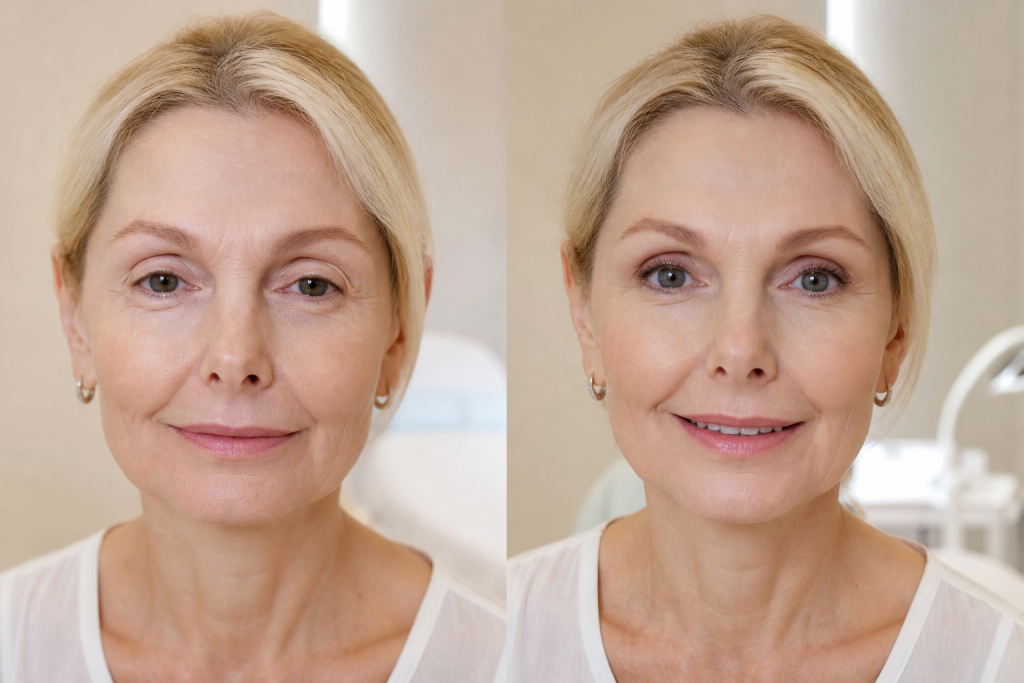
The reflection you see should be a source of confidence, not a reminder of time’s subtle touch. Yet, the search for a more alert and youthful gaze often leads to a common concern: how to address the sagging or drooping of the eyelids that can obscure vision and convey an unintended sense of fatigue. For those seeking a truly transformative solution, Droopy Eyelids Surgery presents a sophisticated answer. This specialized procedure, often referred to as blepharoplasty or ptosis repair, offers a remarkable approach that provides both immediate functional improvement and long-term aesthetic revitalization.
In this comprehensive guide, we will explore the science behind this treatment, demystify the different surgical approaches, detail what you can expect during your journey, and explain why the expert touch of a skilled oculoplastic surgeon is the key to achieving the brighter, more alert gaze you desire. Consider this your personal invitation to discover a more radiant, revitalized you, built on a foundation of restored eyelid function and aesthetics.
Key Takeaways
- Understand the primary causes of droopy eyelids (ptosis) and how a precise diagnosis guides effective treatment.
- Learn the critical distinctions between ptosis repair and blepharoplasty, and which procedure is right for your needs.
- Discover the 5 ultimate secrets to successful Droopy Eyelids Surgery, from surgeon selection to recovery.
- Gain insight into the recovery process, potential risks, and what realistic results to expect from your procedure.
What is Droopy Eyelids Surgery? Understanding Ptosis and Blepharoplasty
For those considering Droopy Eyelids Surgery, understanding the underlying causes and the specific surgical approaches is the first step toward achieving a brighter, more alert gaze. Droopy eyelids, medically known as ptosis, can affect one or both eyes, often making individuals appear tired, older, or even obstructing their vision. This condition can stem from various factors, impacting both function and aesthetics.
Causes and Diagnosis of Droopy Eyelids
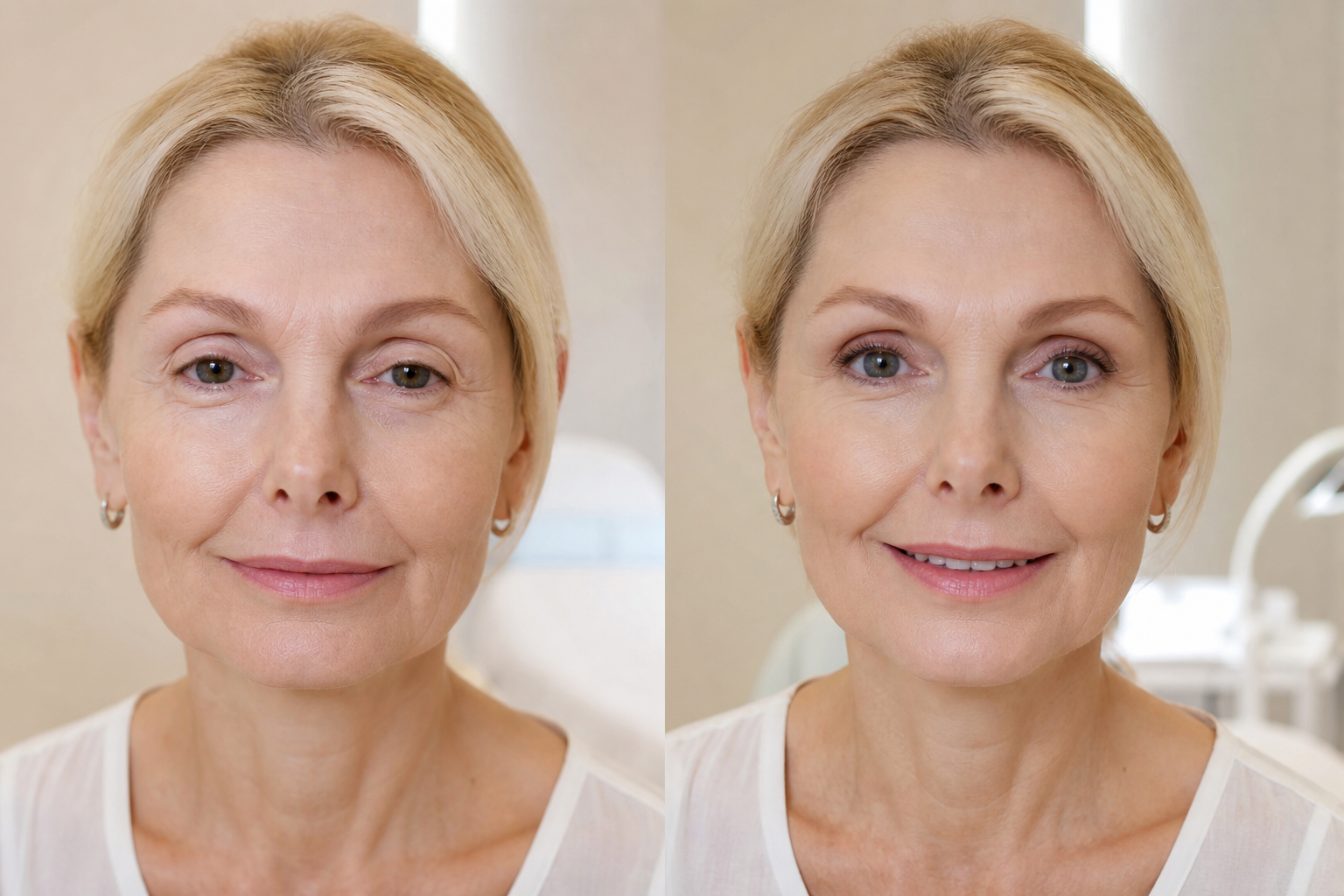
Ptosis can be congenital, meaning present from birth, or acquired later in life. Acquired ptosis is most commonly caused by the stretching or detachment of the levator muscle, which is responsible for lifting the upper eyelid. This often occurs due to aging, but can also result from eye injury, certain neurological conditions, or prolonged contact lens wear. A thorough diagnosis involves a physical examination, visual field tests, and precise measurements of the eyelid’s position to determine the exact cause and severity.
The Difference Between Ptosis Repair and Blepharoplasty
While both procedures address concerns around the eyelids, ptosis repair and blepharoplasty are distinct. Ptosis repair specifically targets the levator muscle to lift the eyelid margin, correcting the functional droop. Blepharoplasty, on the other hand, focuses on removing excess skin, fat, and muscle from the upper or lower eyelids to create a more youthful and refreshed appearance. Often, a comprehensive Droopy Eyelids Surgery plan may involve a combination of both techniques to achieve optimal results, addressing both functional impairment and cosmetic concerns.
Who is an Ideal Candidate for Droopy Eyelids Surgery?
Determining if you are a good candidate for Droopy Eyelids Surgery involves a comprehensive evaluation by an experienced surgeon. Ideal candidates are generally healthy individuals who are bothered by the appearance of their sagging eyelids or who experience vision impairment due to the drooping. They should have realistic expectations about the outcomes and be committed to following post-operative care instructions. A detailed consultation will assess your medical history, current health status, and aesthetic goals to ensure the procedure is safe and appropriate for you.
Why Consider Surgery for Your Droopy Eyelids?
Beyond cosmetic concerns, droopy eyelids can significantly impact daily life. They can obstruct peripheral vision, making activities like driving or reading challenging. Many individuals also report a constant feeling of strain from trying to keep their eyes open wider. Opting for Droopy Eyelids Surgery can alleviate these functional issues, restore a more alert and vibrant appearance, and boost overall confidence. It’s a decision that often leads to both aesthetic and quality-of-life improvements.
Non-Surgical Alternatives to Droopy Eyelids Surgery
For mild cases of droopy eyelids or brow descent, non-surgical treatments can offer temporary improvements. Neuromodulators like Botox can subtly lift the brow, which may in turn slightly elevate the upper eyelid. Dermal fillers can also be used to add volume to the brow area, creating a lifting effect. However, these methods are not a substitute for surgical correction of true ptosis or significant excess skin. They provide temporary cosmetic enhancement rather than a lasting functional solution. True correction often requires Droopy Eyelids Surgery.
Considering Droopy Eyelids Surgery for a Brighter Look?
At The Face Doctor of Florida, Dr. Shashi Kusuma specializes in precise ptosis correction, restoring a naturally refreshed and alert appearance.
5 Ultimate Secrets to Successful Droopy Eyelids Surgery
Achieving the best possible outcome from your eyelid procedure requires careful planning and execution. These five ultimate secrets will guide you through the process, ensuring you are well-informed and prepared for a successful transformation.
Secret 1: Choosing the Right Surgeon for Your Droopy Eyelids Surgery
This is perhaps the most critical step. Look for a board-certified plastic surgeon or oculoplastic surgeon with extensive experience specifically in eyelid procedures. Review their before-and-after photos, read patient testimonials, and ensure they have privileges at accredited surgical facilities. An expert surgeon not only possesses the technical skill but also an artistic eye to create natural-looking results that complement your unique facial features. Their expertise is paramount for successful Droopy Eyelids Surgery.
Secret 2: Understanding Your Candidacy for Droopy Eyelids Surgery
Not everyone is an ideal candidate for every procedure. A thorough consultation will determine if you are suitable for Droopy Eyelids Surgery. Factors like overall health, existing eye conditions (e.g., dry eyes), and realistic expectations play a significant role. Your surgeon will discuss potential risks and benefits, ensuring you make an informed decision tailored to your individual needs and goals.
Secret 3: Preparing for Your Droopy Eyelids Surgery Journey
Proper preparation is key to a smooth surgery and recovery. This includes following your surgeon’s pre-operative instructions, which may involve avoiding certain medications (like blood thinners), quitting smoking, and arranging for transportation and assistance post-surgery. Clear communication with your surgical team about your medical history and any concerns will help ensure your safety and optimize your results from Droopy Eyelids Surgery.
Secret 4: Navigating Recovery After Droopy Eyelids Surgery
While recovery times vary, understanding the typical timeline and what to expect can ease the process. You will likely experience swelling and bruising, which usually subside within 1-2 weeks. Following post-operative care instructions, such as applying cold compresses, keeping your head elevated, and avoiding strenuous activities, is crucial for proper healing and achieving the best outcomes from Droopy Eyelids Surgery. Most patients can return to light activities within a few days.
Secret 5: Setting Realistic Expectations for Droopy Eyelids Surgery Results
While Droopy Eyelids Surgery can dramatically improve your appearance and vision, it’s important to have realistic expectations. The goal is to achieve a more refreshed, alert, and youthful look, not perfection. Discuss your desired outcomes openly with your surgeon. They can show you before-and-after photos of previous patients to give you a clear idea of what is achievable, helping you visualize your potential transformation.
Preparing for and Recovering from Droopy Eyelids Surgery
The journey through Droopy Eyelids Surgery involves careful preparation and a well-managed recovery period. Understanding each phase will help ensure a smooth experience and optimal healing. Your surgeon will provide detailed instructions tailored to your specific case, but general guidelines are crucial for all patients.
What to Expect During and After Surgery
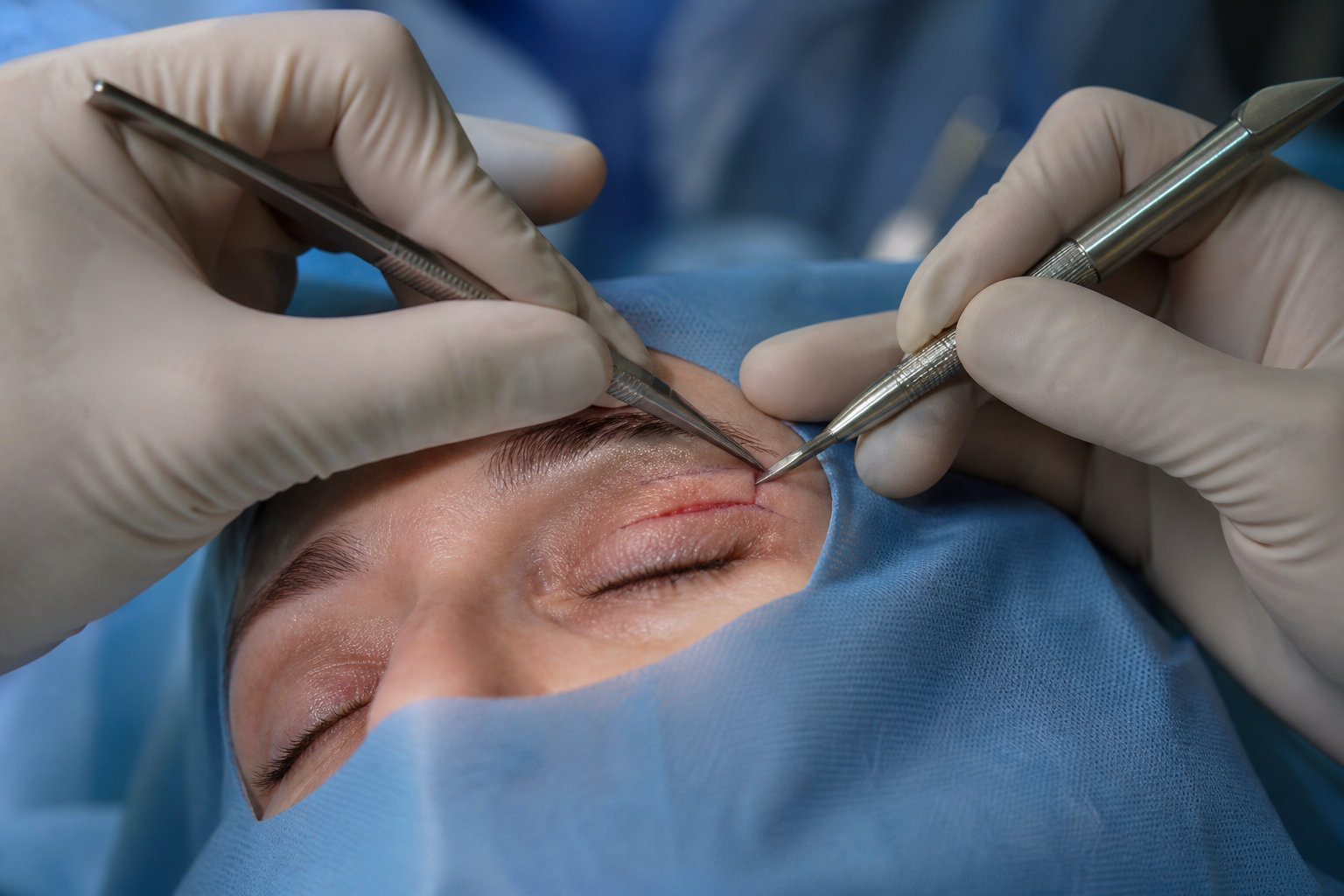
During the procedure, which is typically performed under local anesthesia with sedation, incisions are made in the natural creases of the eyelids to minimize visible scarring. Excess skin, fat, and sometimes muscle are removed, and the levator muscle may be tightened for ptosis correction. The incisions are then meticulously closed. After surgery, you will likely experience some swelling, bruising, and mild discomfort. These are normal and can be managed with prescribed pain medication and cold compresses. It’s important to rest and avoid rubbing your eyes.
Understanding the Risks and Complications of Droopy Eyelids Surgery
Like any surgical procedure, Droopy Eyelids Surgery carries potential risks, though serious complications are rare, especially with an experienced, board-certified surgeon. These can include infection, bleeding, dry eyes, temporary blurred vision, difficulty closing the eyes, and asymmetry. Your surgeon will discuss these risks thoroughly during your consultation, ensuring you are fully informed and comfortable with your decision. Choosing a highly qualified surgeon significantly minimizes these potential issues. For further scientific insights into oculoplastic procedures, including Droopy Eyelids Surgery, consult resources like the American Academy of Ophthalmology.
Cost and Insurance Coverage for Droopy Eyelids Surgery
Understanding the financial aspects of Droopy Eyelids Surgery is an important part of your decision-making process. The cost can vary significantly based on several factors, including the surgeon’s fees, anesthesia fees, facility charges, and the complexity of the procedure. It’s essential to have a clear understanding of all associated costs before proceeding.
How Much Does Droopy Eyelid Surgery Cost on Average?
The average cost of droopy eyelid surgery can range widely, typically from a few thousand dollars to several thousand dollars per eye. This variation depends on whether it’s an upper or lower blepharoplasty, if ptosis repair is also needed, the geographic location of the practice, and the surgeon’s experience. A personalized quote will be provided during your consultation after a thorough assessment of your specific needs.
Does Insurance Cover Droopy Eyelid Surgery if it Affects Vision?
Yes, insurance may cover Droopy Eyelids Surgery if it is deemed medically necessary. This usually applies when the drooping eyelids significantly impair your vision or interfere with daily activities. To qualify for coverage, you will typically need documentation from an ophthalmologist, including visual field tests, demonstrating that the ptosis is causing functional impairment. Cosmetic blepharoplasty, performed solely for aesthetic improvement, is generally not covered by insurance. Your surgeon’s office can help you navigate the insurance pre-authorization process.
Considering Droopy Eyelids Surgery for a Brighter Look?
At The Face Doctor of Florida, Dr. Shashi Kusuma specializes in precise ptosis correction, restoring a naturally refreshed and alert appearance.
Your Brighter Future with Droopy Eyelids Surgery
Embracing Droopy Eyelids Surgery can truly transform your appearance and improve your quality of life. By correcting sagging eyelids, you can achieve a more alert, refreshed, and youthful gaze, while also addressing any vision impairment. The key to successful outcomes lies in choosing an experienced, board-certified surgeon who understands the delicate anatomy of the eyelids and possesses the artistic skill to deliver natural-looking results. With proper preparation and realistic expectations, this procedure offers a lasting solution to a common concern.
If you are ready to explore how Droopy Eyelids Surgery can benefit you, we invite you to schedule a personal consultation. This is your opportunity to discuss your concerns, understand your options, and embark on a journey toward renewed confidence and a brighter outlook. Discover more about our services and book your consultation at The Face Doctor of Florida today.
What causes droopy eyelids (ptosis) and how is it diagnosed?
Droopy eyelids, or ptosis, can be caused by aging, genetics, muscle weakness, nerve damage, or underlying medical conditions. Diagnosis involves a physical exam, vision tests, and measurement of the eyelid margin’s position by an experienced plastic surgeon.
What is the surgical procedure for correcting droopy eyelids?
The surgical procedure for correcting droopy eyelids (blepharoplasty or ptosis repair) typically involves removing excess skin, fat, and tightening the eyelid muscles (levator muscle). The goal is to lift the eyelid to restore a natural and alert appearance. Incisions are usually made in the eyelid’s natural crease for minimal visibility.
Who is a good candidate for droopy eyelid surgery?
Good candidates for droopy eyelid surgery are generally healthy individuals experiencing impaired vision or cosmetic concerns due to sagging upper eyelids. They should have realistic expectations and no severe underlying medical conditions that would contraindicate surgery. A consultation with a board-certified surgeon is essential to determine suitability.
How long does recovery typically take after blepharoplasty for droopy eyelids?
Recovery after blepharoplasty for droopy eyelids typically involves swelling and bruising for 1-2 weeks. Most patients can return to light activities within a few days, but strenuous exercise should be avoided for several weeks. Final results become apparent as swelling fully subsides over a few months.
What are the risks and potential complications of droopy eyelid surgery?
Like any surgery, droopy eyelid surgery carries potential risks, including infection, bleeding, dry eyes, difficulty closing eyes, temporary blurred vision, and asymmetry. Choosing an experienced, board-certified plastic surgeon significantly minimizes these risks and potential complications.
Are there non-surgical treatments available for mild droopy eyelids?
For mild cases of droopy eyelids, non-surgical treatments like neuromodulators (e.g., Botox) can offer a subtle lift to the brow, which may indirectly improve the appearance of the upper eyelids. However, these are not a substitute for surgical correction of true ptosis, and results are temporary.
How much does droopy eyelid surgery cost on average?
The cost of droopy eyelid surgery varies widely based on geographic location, the surgeon’s expertise, the complexity of the case, and whether it’s combined with other procedures. A personalized quote is best obtained during a consultation with your chosen surgeon.
Does insurance cover droopy eyelid surgery if it affects vision?
Yes, insurance may cover droopy eyelid surgery (ptosis repair) if it is deemed medically necessary, meaning the drooping eyelids significantly impair your vision or daily activities. This often requires visual field testing and documentation from an ophthalmologist. Cosmetic blepharoplasty, however, is typically not covered.
How do I choose the best surgeon for droopy eyelid correction?
Choosing the best surgeon for droopy eyelid correction involves looking for a board-certified plastic surgeon or oculoplastic surgeon with extensive experience in eyelid procedures. Review their before-and-after photos, read patient testimonials, and ensure they have privileges at accredited surgical facilities.
What results can I expect from droopy eyelid surgery?
You can expect a more refreshed, alert, and youthful appearance after successful droopy eyelid surgery. The procedure aims to improve vision (if previously impaired) and create better symmetry. Results are generally long-lasting, though natural aging will continue over time.