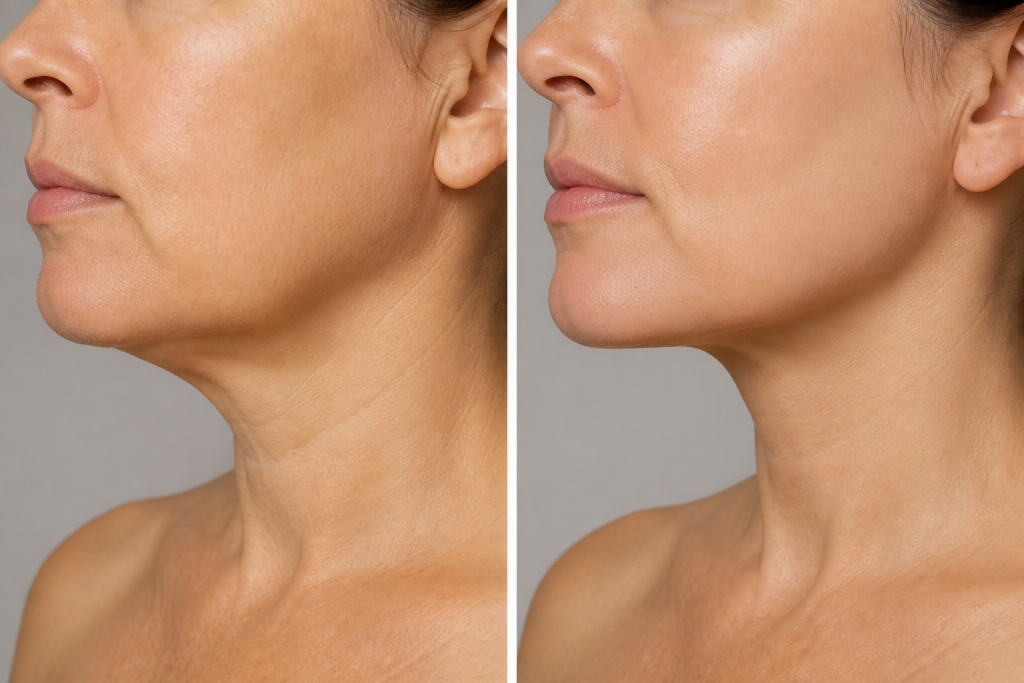
The reflection you see should be a source of confidence, not a reminder of time’s subtle touch. Yet, the search for facial rejuvenation often leads to a common concern: how to restore youthful volume without sacrificing the natural character of your features. For those seeking a truly transformative solution that looks beautifully and authentically their own, Non-Surgical Face Tightening presents a sophisticated answer. This innovative approach offers a remarkable, multi-faceted strategy that provides both immediate lift and long-term revitalization, all without invasive procedures.
In this comprehensive guide, we will explore the science that sets these treatments apart. We’ll demystify how various technologies work, detail what you can expect during your visit, and explain why the expert touch of a skilled practitioner is the key to achieving the defined jawline and smooth, refreshed appearance you desire. Consider this your personal invitation to discover a more radiant, revitalized you, built on a foundation of your own natural collagen.
Key Takeaways
- Understand how advanced technologies provide immediate lifting effects while stimulating your body’s own natural collagen for lasting results.
- Learn the crucial differences between various Non-Surgical Face Tightening methods, from ultrasound to radiofrequency, and how they target specific concerns.
- Discover why an expert practitioner’s artistic skill is just as important as the technology itself for achieving refined, natural-looking contours.
- Evaluate if Non-Surgical Face Tightening is the right investment for you by exploring its impressive longevity, cost considerations, and safety profile.
What is Non-Surgical Face Tightening and How Does it Work?
Your journey to rejuvenation deserves more than a temporary fix. It calls for a solution that works in harmony with your body to create natural, lasting beauty. Non-Surgical Face Tightening encompasses a range of advanced, minimally invasive treatments designed to lift, firm, and rejuvenate the skin without incisions or extensive downtime. These procedures typically work by stimulating the body’s natural collagen production or contracting existing collagen fibers, leading to a tighter, more youthful appearance.
At its core, these innovative treatments leverage various energy sources to target the deeper layers of the skin and underlying tissues. The goal is to initiate a regenerative response, encouraging your body to produce its own fresh collagen and elastin. This process helps fortify your skin against the effects of aging and environmental factors, restoring a firm, supple, and radiant appearance that endures.
The Science Behind Non-Surgical Face Tightening
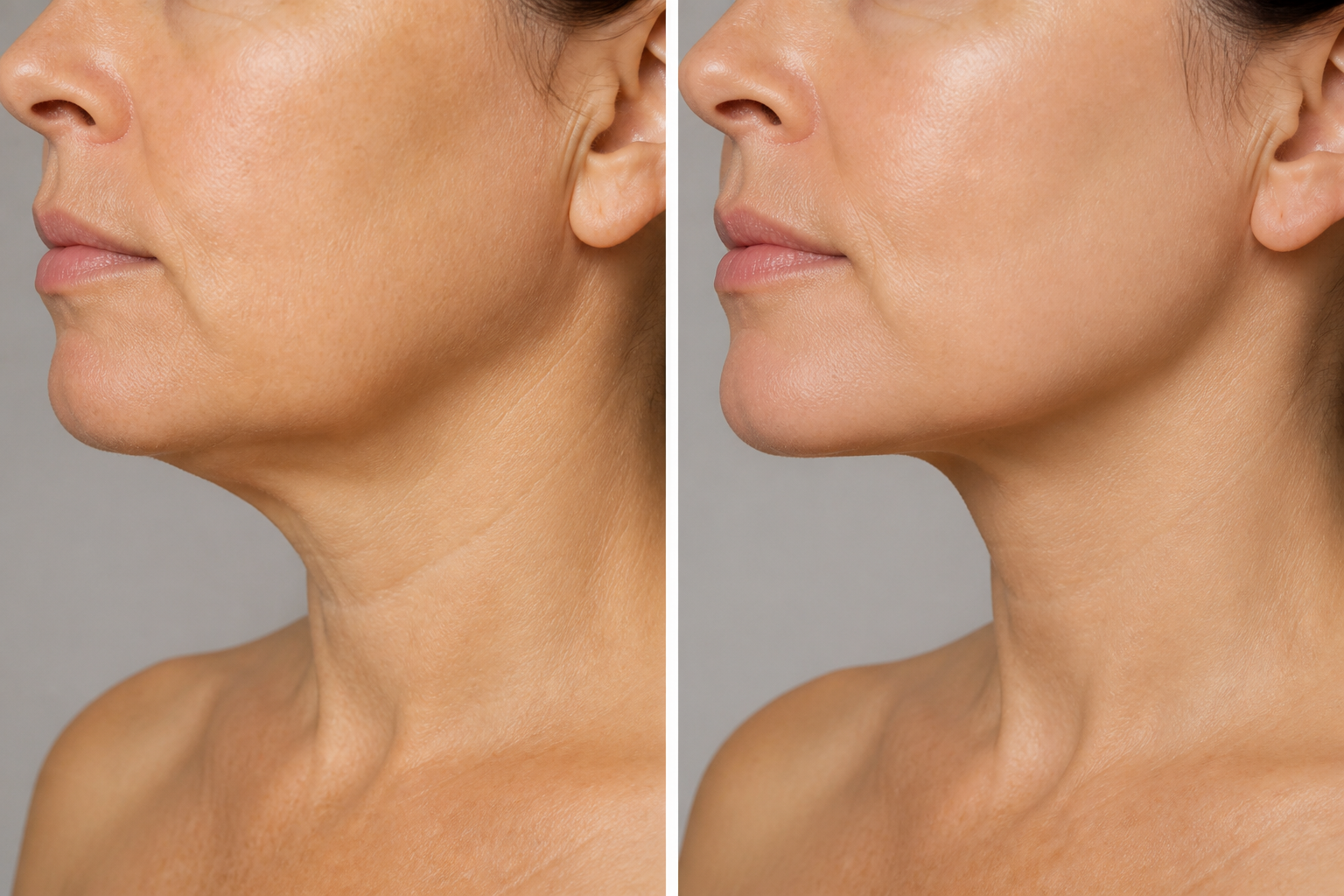
As we age, the production of collagen and elastin, the essential proteins responsible for skin’s firmness and elasticity, naturally declines. This leads to sagging skin, fine lines, and a less defined facial contour. Non-Surgical Face Tightening technologies are specifically engineered to counteract this process. They deliver controlled energy – whether it’s ultrasound, radiofrequency, or light – into the skin, creating a controlled thermal injury. This injury triggers the body’s natural healing response, which includes the production of new, healthy collagen.
This process, known as neocollagenesis, gradually rebuilds the skin’s foundational structure. The result is a progressive tightening and lifting effect, improving skin texture and tone. Unlike surgical options, these treatments work with your body’s natural processes, offering subtle yet significant improvements that look entirely natural.
Exploring 6 Amazing Technologies for Non-Surgical Face Tightening
The landscape of aesthetic medicine is constantly evolving, offering an incredible array of options for achieving a youthful jawline and overall facial rejuvenation. Here, we delve into six amazing technologies that lead the way in Non-Surgical Face Tightening, each with its unique mechanism and benefits.
1. Ultrasound Energy for Non-Surgical Face Tightening (e.g., Ultherapy)
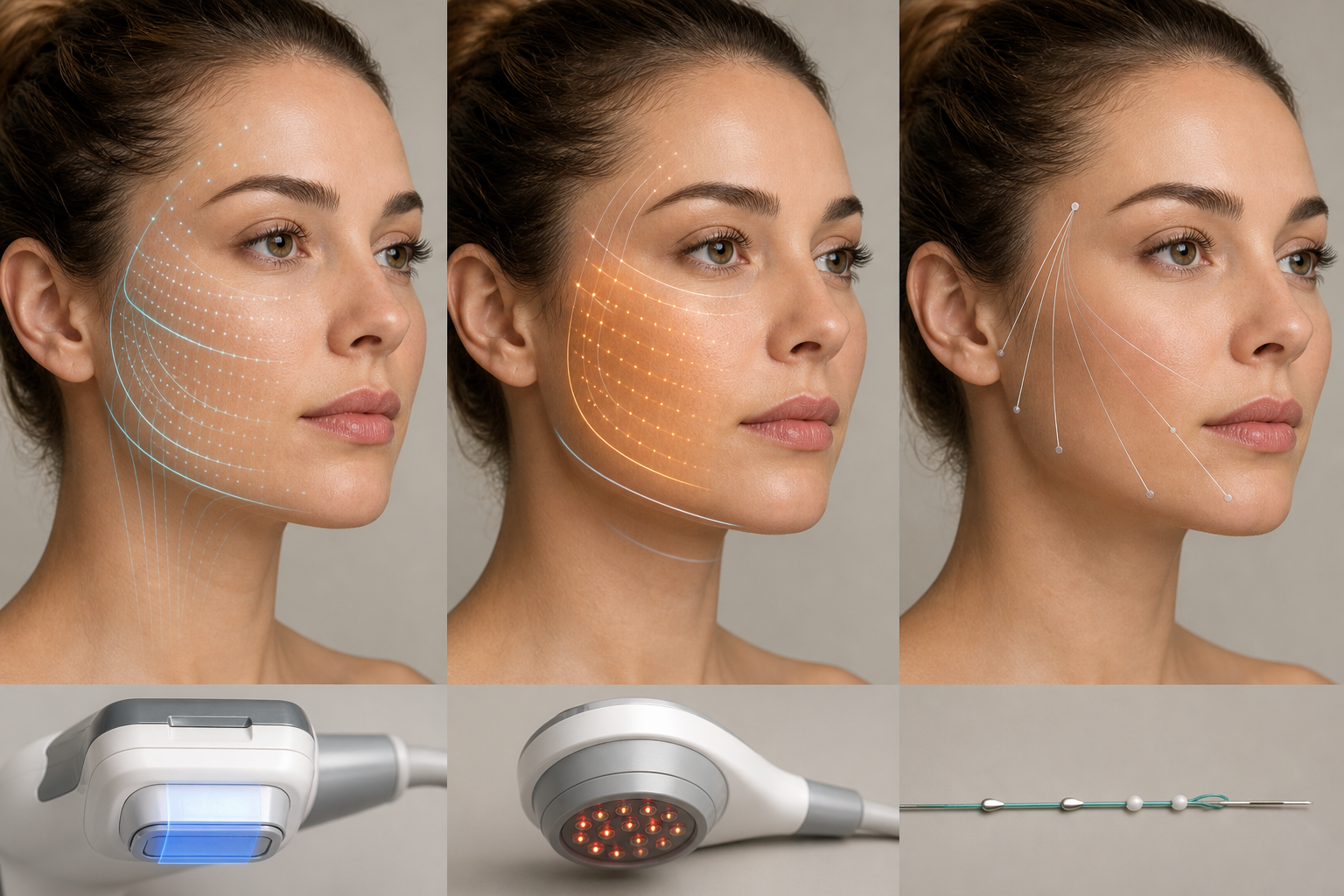
Ultrasound technology, exemplified by Ultherapy, uses focused sound waves to target the foundational layers of the skin, including the superficial muscular aponeurotic system (SMAS) layer, which is typically addressed in a surgical facelift. This precise energy delivery stimulates collagen production deep within the skin without disturbing the surface. It provides a noticeable lift to the brow, neck, and under-chin areas, making it an excellent option for those seeking a non-invasive lift.
2. Radiofrequency (RF) for Non-Surgical Face Tightening (e.g., Thermage, Morpheus8)
Radiofrequency treatments utilize heat to stimulate collagen production. Devices like Thermage deliver bulk heating to the deeper layers of the skin, causing existing collagen to contract and new collagen to form over time. Morpheus8 combines microneedling with RF energy, allowing for deeper penetration and more intensive collagen remodeling. This dual action significantly improves skin texture, tone, and tightness, addressing concerns like jowls and fine lines effectively.
3. Microneedling with RF for Enhanced Non-Surgical Face Tightening
Building on the success of traditional microneedling, microneedling with radiofrequency (RF) takes skin rejuvenation to the next level. Tiny needles create micro-injuries in the skin, while simultaneously delivering RF energy deep into the dermal layers. This synergistic approach maximizes collagen and elastin production, leading to dramatic improvements in skin laxity, texture, and overall firmness. It’s particularly effective for refining the jawline and reducing the appearance of sagging skin.
4. PDO Thread Lifts: A Lifting Approach to Non-Surgical Face Tightening
PDO (Polydioxanone) thread lifts offer a unique method of Non-Surgical Face Tightening by physically lifting sagging skin and stimulating collagen. Absorbable threads, often with tiny barbs, are inserted under the skin to create a supportive scaffold, gently pulling the skin upwards. Over time, the threads dissolve, but the collagen stimulation they initiate continues, providing sustained lifting and firming effects. This technique is ideal for addressing jowls, marionette lines, and a drooping brow.
5. Laser Skin Resurfacing for Comprehensive Non-Surgical Face Tightening
Laser skin resurfacing treatments, such as fractional CO2 lasers, use targeted light energy to remove damaged outer layers of skin and stimulate collagen growth in the underlying dermis. While primarily known for improving skin texture and reducing wrinkles, the collagen remodeling effect also contributes to significant skin tightening. These treatments can address a range of concerns, from sun damage to moderate skin laxity, offering a comprehensive rejuvenation.
6. Advanced Injectables for Subtle Non-Surgical Face Tightening (e.g., Sculptra, Radiesse)
Beyond traditional fillers, biostimulatory injectables like Sculptra and Radiesse offer a powerful form of Non-Surgical Face Tightening. Instead of just adding volume, these products stimulate your body’s own collagen production over several months. Sculptra, made from poly-L-lactic acid, gradually restores facial volume and improves skin elasticity. Radiesse, composed of calcium hydroxylapatite microspheres, provides immediate lift while also acting as a scaffold for new collagen growth. These injectables are excellent for restoring a youthful contour and firmness.
Reclaim Your Youthful Contours with Non-Surgical Face Tightening
At The Face Doctor of Florida, Dr. Shashi Kusuma specializes in advanced facial rejuvenation, offering personalized non-surgical face tightening treatments to achieve natural, refined results.
Who is an Ideal Candidate for Non-Surgical Face Tightening?
Determining if Non-Surgical Face Tightening is right for you involves a personalized assessment of your skin’s condition, aesthetic goals, and overall health. Ideal candidates typically exhibit mild to moderate skin laxity, often experiencing early signs of aging such as sagging jowls, loose neck skin, or a less defined jawline. These treatments are particularly beneficial for individuals who desire noticeable improvement without the commitment, downtime, or risks associated with surgical procedures.
Candidates should have realistic expectations about the results, understanding that while significant, non-surgical outcomes are generally more subtle than a traditional facelift. A consultation with an experienced practitioner is crucial to determine suitability, as they can assess your unique facial anatomy and recommend the most appropriate treatment plan. Individuals in good general health, who do not have certain medical conditions or are not pregnant, are generally good candidates.
Benefits of Non-Surgical Face Tightening Over Traditional Facelifts
Choosing between surgical and non-surgical options is a significant decision. Non-Surgical Face Tightening offers several compelling advantages over a traditional facelift. Primarily, it avoids the need for incisions, general anesthesia, and extensive recovery periods. Patients experience minimal discomfort, quicker return to daily activities, and often lower upfront costs. While a facelift provides more dramatic and long-lasting results for severe laxity, non-surgical options are excellent for subtle to moderate improvements, offering a natural-looking rejuvenation without the commitment of surgery. They also carry fewer risks and side effects compared to invasive procedures.
Preparing for Your Non-Surgical Face Tightening Treatment
Proper preparation is key to ensuring a safe and effective Non-Surgical Face Tightening treatment, as well as optimizing your results. Your journey begins with a comprehensive consultation where your practitioner will review your medical history, discuss your aesthetic goals, and determine the most suitable technology for your needs. This is your opportunity to ask questions and gain a clear understanding of the process.
Prior to your appointment, you may be advised to avoid certain medications or supplements that can increase bruising, such as aspirin, ibuprofen, and fish oil, for about a week. It’s also recommended to avoid alcohol for at least 24-48 hours before your treatment. Arriving with clean skin, free of makeup, lotions, or creams, will help ensure the best possible application of the treatment. Always follow your provider’s specific pre-treatment instructions carefully.
What to Expect During Your Non-Surgical Face Tightening Session
While each Non-Surgical Face Tightening technology has its unique protocol, a typical session generally follows a similar pattern. Upon arrival, the treatment area will be thoroughly cleansed. A topical numbing cream may be applied to enhance comfort, and some devices incorporate cooling mechanisms or lidocaine to minimize sensation. Your practitioner will then use the chosen device, carefully applying it to the targeted areas of your face and neck. You may feel sensations of warmth, vibration, or mild prickling, depending on the technology used. The duration of the session can vary from 30 minutes to over an hour, depending on the size of the treatment area. Throughout the process, your comfort and safety are paramount.
Understanding Results and Recovery from Non-Surgical Face Tightening
One of the most appealing aspects of Non-Surgical Face Tightening is the minimal downtime and progressive, natural-looking results. While some immediate tightening may be visible, the full benefits typically unfold over several weeks to months as your body produces new collagen. Understanding the longevity of these results, the recovery process, and potential side effects is essential for informed decision-making.
How Long Do Non-Surgical Face Tightening Results Last?
The longevity of Non-Surgical Face Tightening results varies depending on the technology used, individual skin characteristics, lifestyle factors, and the natural aging process. Generally, results can last from one to two years, and sometimes longer. For instance, Ultherapy results can last up to two years, while RF microneedling may require annual maintenance sessions. Maintenance treatments are often recommended to sustain the effects over time, ensuring your refreshed appearance endures. Your body’s natural aging will continue, but the treated areas will remain firmer than if no treatment was performed.
Potential Risks and Side Effects of Non-Surgical Face Tightening
Non-surgical face tightening treatments are generally considered safe, but like any medical procedure, they carry potential risks and side effects. Common side effects are usually mild and temporary, including redness, swelling, tenderness, or bruising at the treatment site. These typically resolve within a few days to a week. Less common side effects can include temporary numbness, tingling, or slight discoloration. Rare complications, such as nerve damage or scarring, are extremely uncommon, especially when treatments are performed by experienced and qualified practitioners. Always discuss potential risks and your medical history thoroughly with your provider.
How Much Does Non-Surgical Face Tightening Cost on Average?
The cost of Non-Surgical Face Tightening can vary significantly based on the technology used, the size of the treatment area, the number of sessions required, and the geographic location of the clinic. For example, a full-face Ultherapy treatment might range from $2,500 to $5,000, while a series of RF microneedling sessions could be between $1,500 and $3,000. Biostimulatory injectables are priced per syringe. During your consultation, a personalized quote will be provided, outlining the total investment for your customized treatment plan. It’s an investment in long-term skin health and confidence.
Choosing the Best Non-Surgical Face Tightening for Your Needs
Selecting the optimal Non-Surgical Face Tightening procedure for your specific concerns, such as jowls or neck laxity, requires expert guidance. Each technology offers unique advantages, and the
Frequently Asked Questions About Non-Surgical Face Tightening
What is non-surgical face tightening and how does it work?
Non-surgical face tightening refers to a range of minimally invasive treatments designed to lift, firm, and rejuvenate the skin without incisions or extensive downtime. These procedures typically work by stimulating the body’s natural collagen production or contracting existing collagen fibers, leading to a tighter, more youthful appearance. Technologies often involve heat, ultrasound, or radiofrequency energy to achieve these effects.
What are the different types of non-surgical face tightening treatments?
Various technologies fall under non-surgical face tightening. Common types include ultrasound-based treatments (like Ultherapy) that target deeper layers of tissue, radiofrequency (RF) treatments (such as Thermage or ThermiTight) that heat the skin’s surface or deeper layers, and advanced options like J Plasma or PDO thread lifts. Each method offers unique benefits for different concerns, from fine lines to moderate skin laxity.
Who is a good candidate for non-surgical face tightening procedures?
Ideal candidates for non-surgical face tightening typically have mild to moderate skin laxity, often experiencing early signs of aging like sagging jowls, loose neck skin, or decreased facial volume. They should also have realistic expectations about the results. These treatments are excellent for individuals seeking noticeable improvement without committing to a surgical facelift. A consultation with an expert can determine suitability.
How long do the results of non-surgical face tightening last?
The longevity of non-surgical face tightening results varies depending on the technology used, individual skin characteristics, and lifestyle factors. Generally, results can last from one to two years, and sometimes longer. Maintenance treatments are often recommended to sustain the effects over time. Your body’s natural aging process will continue, but the treated areas will remain firmer than if no treatment was performed.
Are there any risks or side effects associated with non-surgical face tightening?
Non-surgical face tightening treatments are generally safe, but like any medical procedure, they carry potential risks. Common side effects are usually mild and temporary, including redness, swelling, tenderness, or bruising at the treatment site. Rare complications can include nerve damage or scarring, though these are extremely uncommon with experienced practitioners. Always discuss potential risks with your provider.
What is the best non-surgical face tightening procedure for specific areas like jowls or neck?
The ‘best’ non-surgical face tightening procedure depends on the specific area and degree of laxity. For jowls and the neck, treatments like Ultherapy (ultrasound), advanced radiofrequency devices, or even PDO thread lifts are often highly effective. These technologies can target the deeper foundational layers to lift and tighten. A personalized consultation is crucial to determine the most suitable approach for your unique anatomy and goals.
How do I book a consultation for non-surgical face tightening?
Booking a consultation for non-surgical face tightening at The Face Doctor of Florida is straightforward. You can visit our website directly or call our office at 954-472-8355. During your consultation, Dr. Shashi Kusuma will assess your facial anatomy, discuss your aesthetic goals, and recommend a customized treatment plan tailored to achieve your desired youthful contours and refreshed appearance.
What are the benefits of non-surgical face tightening compared to a facelift?
Non-surgical face tightening offers several key benefits over a traditional facelift, primarily avoiding surgery, general anesthesia, and extensive downtime. Patients experience minimal discomfort, quicker recovery, and often lower costs. While a facelift provides more dramatic and long-lasting results for significant laxity, non-surgical options are excellent for subtle to moderate improvements, offering a natural-looking rejuvenation without the commitment of surgery.
Learn more from authoritative resources: Consumer Reports and HGTV.