
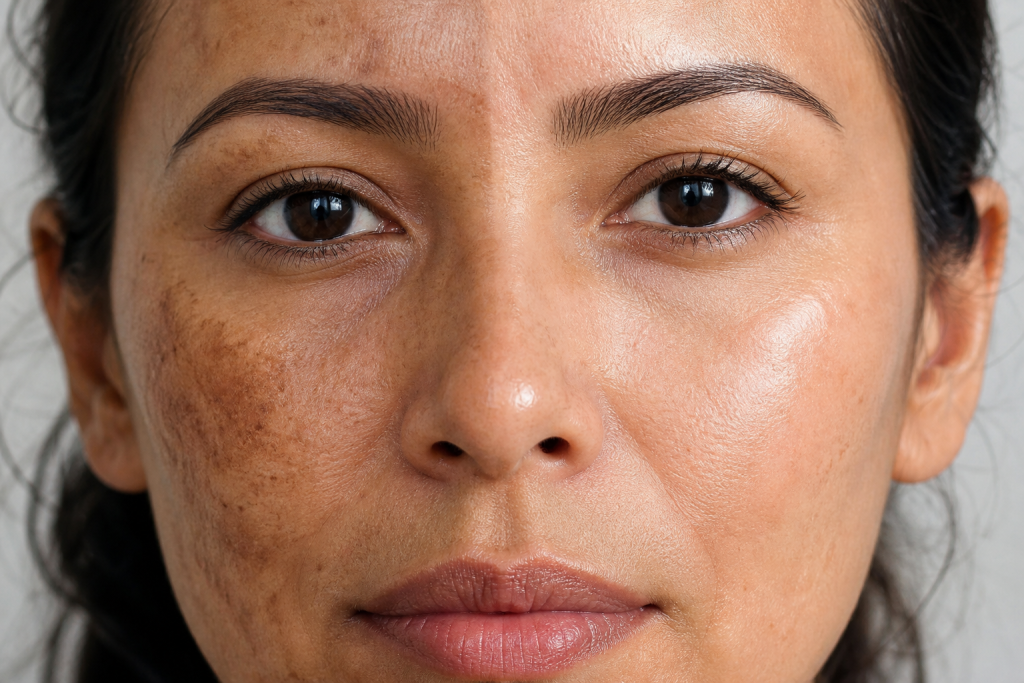
The quest for clear, radiant skin often leads to a common challenge: uneven skin tone and persistent dark spots. Whether it’s the lingering mark of sun exposure, hormonal shifts, or past inflammation, understanding your Pigmentation Treatment Options is the first step toward achieving a beautifully uniform complexion. Modern aesthetic medicine offers a remarkable array of solutions designed to target and diminish hyperpigmentation, revealing the luminous skin beneath.
In this comprehensive guide, we will explore the science behind skin discoloration, demystify the most effective professional treatments, and provide actionable insights into maintaining your results. We’ll detail what sets advanced therapies apart, what to expect during your journey, and why expert guidance is crucial for safe and stunning outcomes. Consider this your definitive resource to discover the powerful ways to achieve an even skin tone, built on a foundation of clarity and confidence.
Key Takeaways
- Discover the primary causes of skin pigmentation, from sun exposure to hormonal changes, and how they influence your choice of Pigmentation Treatment Options.
- Explore 5 powerful professional methods, including lasers, chemical peels, and advanced topicals, that effectively address various types of hyperpigmentation.
- Understand the importance of a personalized consultation to tailor Pigmentation Treatment Options to your unique skin type and concerns for optimal results.
- Learn practical strategies for preventing new pigmentation and maintaining your clear, even skin tone long-term after treatment.
Pigmentation Treatment Options: 5 Powerful Secrets for Even Skin
Understanding Pigmentation Treatment Options: Causes and Types
Skin pigmentation, or hyperpigmentation, refers to patches of skin that become darker than the surrounding areas. This common concern arises from an overproduction of melanin, the pigment responsible for skin, hair, and eye color. Understanding its root causes is fundamental to selecting the most effective Pigmentation Treatment Options.
Multiple factors can trigger this melanin overproduction, leading to various types of dark spots. Identifying your specific type of pigmentation is crucial for a targeted and successful treatment plan. A thorough assessment by a skin specialist can accurately diagnose the condition.
Common Causes of Pigmentation and Pigmentation Treatment Options
Sun exposure is the leading cause of most forms of hyperpigmentation. Ultraviolet (UV) light stimulates melanocytes, the cells that produce melanin, leading to sun spots, freckles, and general unevenness. Protecting your skin from the sun is paramount, both for prevention and to enhance the efficacy of any Pigmentation Treatment Options.
Hormonal changes are another significant factor, particularly in the development of melasma. This condition often appears during pregnancy, with the use of oral contraceptives, or during hormone replacement therapy. Inflammation from acne, eczema, or injury can also leave behind post-inflammatory hyperpigmentation (PIH), which can be stubborn but responsive to specific interventions.
Melasma vs. Sun Spots: Distinguishing Pigmentation Treatment Options
While both melasma and sun spots manifest as dark areas on the skin, their origins and appearance differ, influencing the choice of Pigmentation Treatment Options. Sun spots, also known as solar lentigines or age spots, are typically smaller, well-defined dark spots that appear on sun-exposed areas like the face, hands, and chest. They are a direct result of cumulative sun damage.
Melasma, on the other hand, presents as larger, splotchy patches with an irregular border, often symmetrical on the face (cheeks, forehead, upper lip, chin). It is primarily triggered by hormonal fluctuations combined with sun exposure. Effective melasma treatment often requires a multi-faceted approach, combining professional treatments with diligent sun protection and targeted topical agents.
Non-Invasive Pigmentation Treatment Options: 5 Powerful Ways to Even Skin
Modern aesthetic medicine offers an impressive array of non-invasive Pigmentation Treatment Options designed to safely and effectively reduce dark spots and achieve a more uniform complexion. These treatments work by targeting excess melanin, exfoliating pigmented cells, or stimulating skin cell turnover. The most effective approach is often a combination tailored to your specific needs.
Choosing the right treatment depends on the type, depth, and severity of your pigmentation, as well as your skin type. A consultation with a qualified professional is essential to determine the best path forward. Here are five powerful ways to achieve even skin.
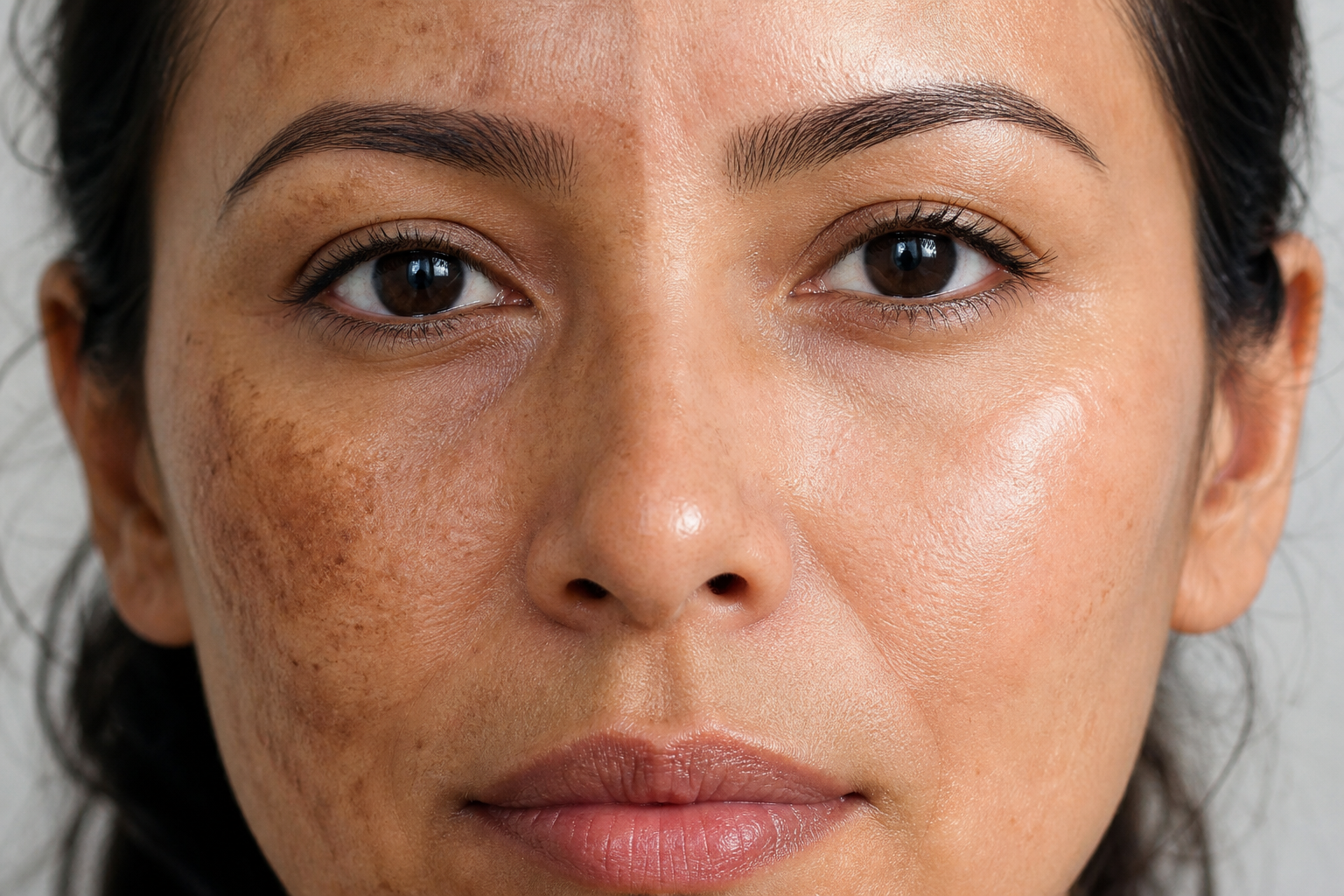
1. Laser and IPL as Advanced Pigmentation Treatment Options
Laser and Intense Pulsed Light (IPL) therapies are among the most popular and effective Pigmentation Treatment Options. These technologies use specific wavelengths of light to target and break down melanin in the skin. The fragmented pigment is then naturally cleared away by the body, leading to a reduction in dark spots and an overall brighter complexion.
IPL is particularly effective for sun spots, freckles, and diffuse redness, often requiring multiple sessions. Lasers, such as Q-switched or picosecond lasers, can target more stubborn pigmentation, including certain types of melasma, with precision. The choice of device and settings is critical and must be performed by an experienced practitioner to minimize risks and maximize results. For further reading on laser applications in dermatology, refer to a reputable source like the American Academy of Dermatology.
2. Chemical Peels: Effective Pigmentation Treatment Options
Chemical peels involve applying a carefully selected chemical solution to the skin, which exfoliates the top layers and promotes the growth of new, healthier skin. This process effectively removes pigmented cells and stimulates cell turnover, making them excellent Pigmentation Treatment Options for various forms of hyperpigmentation, including sun spots, melasma, and PIH.
Peels range in strength from superficial to deep. Superficial peels, often containing alpha hydroxy acids (AHAs) or beta hydroxy acids (BHAs), are ideal for mild discoloration and require little downtime. Medium-depth peels, using trichloroacetic acid (TCA), penetrate deeper to address more significant pigmentation. Your skin specialist will recommend the appropriate peel strength and type based on your skin concerns and desired outcome.
3. Microneedling and Microdermabrasion for Pigmentation Treatment Options
Microneedling creates microscopic channels in the skin, stimulating the body’s natural healing process and collagen production. When combined with topical serums, it can enhance the penetration of brightening agents, making it a valuable addition to Pigmentation Treatment Options. This procedure can improve overall skin texture and tone, including reducing the appearance of hyperpigmentation.
Microdermabrasion is a gentler exfoliation method that uses a device to buff away the outermost layer of dead skin cells. While less intensive than chemical peels or lasers, regular microdermabrasion sessions can help to gradually lighten superficial pigmentation and improve skin radiance. Both treatments are typically well-tolerated with minimal downtime.
4. Prescription Topicals for Pigmentation Treatment Options
Medical-grade topical creams are often a cornerstone of effective Pigmentation Treatment Options, either as standalone therapies or in conjunction with in-office procedures. Ingredients such as hydroquinone, retinoids (like tretinoin), vitamin C, azelaic acid, kojic acid, and niacinamide are highly effective at inhibiting melanin production, accelerating cell turnover, and providing antioxidant benefits.
Hydroquinone is a powerful skin lightener, often prescribed for stubborn dark spots and melasma, but requires careful use under professional guidance. Retinoids help to exfoliate and promote new cell growth. Combining these agents can significantly enhance results. It is crucial to use prescription topicals as directed by a dermatologist or plastic surgeon to avoid irritation or adverse effects.
5. Professional Facials and Serums for Pigmentation Treatment Options
Beyond medical procedures, specialized professional facials and high-potency serums can offer significant benefits as part of comprehensive Pigmentation Treatment Options. These treatments often incorporate advanced exfoliation techniques, targeted masks, and concentrated serums rich in active ingredients like antioxidants, peptides, and botanical extracts known for their brightening properties.
Regular professional facials can help to maintain skin clarity, prevent new pigmentation from forming, and support the results of more intensive treatments. They also provide an opportunity for skin assessment and product recommendations from an aesthetician, ensuring your at-home regimen complements your in-office care.
Ready to Explore Your Pigmentation Treatment Options?
At The Face Doctor of Florida, Dr. Shashi Kusuma offers personalized, advanced solutions to restore your skin’s natural radiance and achieve an impeccably even tone.
Your Investment in Pigmentation Treatment Options: Cost, Results & Safety
Embarking on a journey to address skin pigmentation involves considering various factors, including the financial investment, the expected longevity of results, and the safety profile of the chosen procedures. Understanding these aspects will help you make informed decisions about your Pigmentation Treatment Options.
At The Face Doctor of Florida, we prioritize transparent communication and patient education. We believe that a clear understanding of the process empowers you to feel confident and secure in your treatment choices. Your investment is not just in a procedure, but in lasting results and peace of mind.
How Much Do Pigmentation Treatment Options Cost?
The cost of Pigmentation Treatment Options can vary significantly based on several factors. These include the type of treatment (e.g., laser, chemical peel, topical creams), the size of the treatment area, the number of sessions required, and the expertise and location of the clinic. For instance, laser pigmentation removal in Weston, FL, can range from a few hundred to over a thousand dollars per session.
A personalized consultation is essential to receive an accurate cost estimate. During this session, your skin specialist will assess your specific pigmentation, discuss your aesthetic goals, and outline a tailored treatment plan, including a detailed breakdown of the associated costs. This ensures there are no surprises and that your plan aligns with your budget and expectations.
Longevity of Pigmentation Treatment Options Results
The duration of results from professional Pigmentation Treatment Options varies depending on the specific treatment, individual skin characteristics, and, crucially, your commitment to post-treatment care and sun protection. Many patients experience long-lasting improvements, with results potentially enduring for years with proper maintenance.
However, it is important to understand that pigmentation can reappear, especially if the underlying causes, such as sun exposure or hormonal fluctuations, are not managed. Consistent use of broad-spectrum sunscreen, protective clothing, and a targeted skincare regimen is vital to preserve your results and prevent new dark spots from forming. Periodic touch-up treatments may also be recommended to maintain optimal clarity.
Potential Side Effects of Advanced Pigmentation Treatment Options
While advanced Pigmentation Treatment Options are generally safe and effective when performed by qualified professionals, it’s important to be aware of potential side effects. These can include temporary redness, swelling, mild discomfort, or blistering at the treatment site. These effects typically resolve within a few days to a week.
Rarely, more significant side effects such as post-inflammatory hyperpigmentation (darkening of the treated area) or hypopigmentation (lightening of the treated area) can occur, particularly with aggressive treatments or in individuals with darker skin tones. Choosing an experienced practitioner minimizes these risks and ensures appropriate pre- and post-care to support safe healing.

Preventing and Maintaining Even Skin Tone with Pigmentation Treatment Options
Achieving an even skin tone is a significant accomplishment, but maintaining it requires ongoing effort and a proactive approach. Prevention is key to ensuring the longevity of your Pigmentation Treatment Options results and protecting your skin from future discoloration. A consistent daily routine, combined with smart lifestyle choices, can make a profound difference.
Understanding how to safeguard your skin from triggers like sun exposure and inflammation is crucial. By integrating preventive measures into your daily life, you can significantly reduce the likelihood of new dark spots appearing and keep your complexion clear and radiant.
Best Topical Creams for Pigmentation Treatment Options
Beyond prescription-strength options, there are many excellent over-the-counter topical creams and serums that can support your Pigmentation Treatment Options and help maintain an even skin tone. Look for products containing ingredients known for their brightening and antioxidant properties.
Key ingredients include Vitamin C, which is a powerful antioxidant that brightens skin and protects against environmental damage; Niacinamide (Vitamin B3), which helps reduce inflammation and inhibit melanin transfer; Alpha Arbutin, a natural skin lightener; and Azelaic Acid, which can reduce inflammation and hyperpigmentation. Regular and consistent use of these products can enhance and prolong the effects of professional treatments.
Can Pigmentation Reappear? Preventing Future Dark Spots
Yes, pigmentation can absolutely reappear after successful treatment, especially if preventive measures are not diligently followed. The skin’s melanocytes retain a
Frequently Asked Questions About Pigmentation Treatment Options
What are the most common causes of skin pigmentation?
Sun exposure is the primary culprit, stimulating melanin production. Hormonal changes (like during pregnancy or with birth control) lead to melasma. Inflammation from acne or injury can cause post-inflammatory hyperpigmentation. Certain medications, genetics, and age can also contribute to dark spots and uneven skin tone.
What are the most effective non-invasive pigmentation treatment options?
Effective non-invasive pigmentation treatment options include chemical peels, IPL (Intense Pulsed Light) therapy, laser resurfacing, and advanced topical medical-grade skincare products. These treatments work by exfoliating superficial pigmented cells, targeting melanin, or accelerating skin cell turnover to reveal clearer skin.
How much does laser pigmentation removal cost on average?
The cost of laser pigmentation removal varies significantly based on the treatment area size, the type of laser used, the number of sessions required, and the clinic’s location and expertise. In Weston, FL, average costs can range from a few hundred to over a thousand dollars per session. A consultation provides an accurate estimate.
Where can I find the best clinics for pigmentation treatment near me?
For the best clinics offering pigmentation treatment options, look for board-certified plastic surgeons or dermatologists with extensive experience in aesthetic medicine. The Face Doctor of Florida – Suria Plastic Surgery in Weston, FL, is a leading practice specializing in advanced skin rejuvenation.
Are there any natural home remedies for treating skin pigmentation?
While some natural remedies like lemon juice, aloe vera, or apple cider vinegar are often suggested, their efficacy for significant pigmentation is limited and they can sometimes irritate the skin. For lasting results, professional pigmentation treatment options are generally more reliable and safer. Always consult a specialist.
What is the difference between melasma and sun spots?
Melasma appears as larger, splotchy patches, often symmetrical on the face (cheeks, forehead, upper lip), primarily triggered by hormonal changes and sun exposure. Sun spots (lentigines or age spots) are smaller, distinct dark spots caused solely by sun damage. Both are types of hyperpigmentation requiring specific pigmentation treatment options.
How long do the results of professional pigmentation treatments last?
The longevity of professional pigmentation treatment options varies depending on the treatment type, individual skin type, and sun protection habits. With diligent sun protection and maintenance, results can last for years, though touch-up treatments may be needed to address new or recurring pigmentation.
Is chemical peeling an effective treatment for hyperpigmentation?
Yes, chemical peeling is a very effective pigmentation treatment option for hyperpigmentation. It involves applying a chemical solution to exfoliate the top layers of skin, removing pigmented cells and stimulating new, healthier skin growth. Different peel strengths target various depths of pigmentation.
What are the potential side effects of advanced pigmentation removal procedures?
Potential side effects of advanced pigmentation removal procedures, such as lasers or deep peels, can include temporary redness, swelling, blistering, itching, or changes in skin sensitivity. Rarely, there can be post-inflammatory hyperpigmentation or hypopigmentation. A qualified professional minimizes these risks.
Who is an ideal candidate for IPL pigmentation therapy?
An ideal candidate for IPL (Intense Pulsed Light) pigmentation therapy typically has fair to medium skin tones with sun spots, freckles, or diffuse redness. IPL is highly effective for these concerns but may not be suitable for darker skin types or certain types of melasma due to the risk of hyperpigmentation.
What are the best topical creams for reducing dark spots and pigmentation?
The best topical creams for reducing dark spots and pigmentation often contain ingredients like hydroquinone, retinoids (tretinoin), vitamin C, niacinamide, alpha arbutin, or azelaic acid. Medical-grade formulations provide superior results compared to over-the-counter options and should be used under professional guidance for optimal pigmentation treatment options.
Can pigmentation reappear after successful treatment?
Yes, pigmentation can reappear after successful treatment, especially if the underlying causes (like sun exposure or hormonal changes) are not managed. Strict sun protection, including broad-spectrum sunscreen and protective clothing, is crucial to maintain results and prevent new pigmentation from forming.
How can I prevent new pigmentation from forming on my skin?
Preventing new pigmentation requires consistent sun protection using a broad-spectrum SPF 30+ sunscreen daily, wearing wide-brimmed hats, and seeking shade. Avoiding prolonged sun exposure, managing hormonal factors, and using antioxidant-rich skincare can also significantly reduce the risk of new pigmentation.
What should I expect during a consultation for pigmentation treatment?
During a consultation for pigmentation treatment options, you can expect a thorough skin analysis, discussion of your medical history and aesthetic goals, and an explanation of various treatment modalities. Dr. Kusuma at The Face Doctor of Florida will assess your specific pigmentation type and recommend a personalized treatment plan.
How do I book an appointment for a pigmentation assessment?
To book an appointment for a comprehensive pigmentation assessment at The Face Doctor of Florida – Suria Plastic Surgery, you can visit our website at thefacedoctorofflorida.com or call us directly at 954-472-8355. Our team is ready to help you explore your pigmentation treatment options.