When facing skin cancer removal, the primary concern is always complete eradication of the disease. However, especially for visible areas like the face, the subsequent reconstruction is equally vital. aesthetic Mohs repair is the specialized art and science of restoring both the form and function of the skin after Mohs micrographic surgery, ensuring a seamless and natural appearance. This meticulous process goes beyond simple wound closure; it’s about preserving your unique features and minimizing any visible traces of surgery.
For individuals undergoing Mohs surgery, particularly on delicate or prominent areas, the prospect of post-surgical scarring can be a significant worry. This comprehensive guide will unveil 4 powerful secrets behind achieving stunning, virtually undetectable results in aesthetic Mohs repair. We will explore the critical planning, advanced techniques, and expert care that define successful skin restoration, empowering you with knowledge for your journey.
Key Takeaways
- Understand that aesthetic Mohs repair is a specialized reconstructive process crucial for restoring natural appearance after skin cancer removal.
- Discover the 4 powerful secrets: meticulous planning, advanced techniques, specialist expertise, and comprehensive aftercare for optimal outcomes in aesthetic Mohs repair.
- Learn why choosing a board-certified plastic or facial plastic surgeon with specific experience in aesthetic Mohs repair is paramount for achieving seamless results.
- Explore various reconstructive methods, from primary closures to complex flaps and grafts, tailored to minimize scarring and preserve facial harmony in this specialized reconstruction.
Understanding aesthetic Mohs repair: What it is and Why it Matters
aesthetic Mohs repair refers to the reconstructive surgery performed immediately following Mohs micrographic surgery, a highly precise technique for removing skin cancer. While Mohs surgery is renowned for its tissue-sparing capabilities and high cure rates, it often leaves a surgical defect (wound) that requires careful closure. The goal of aesthetic Mohs repair is not just to close the wound, but to restore the area to its pre-surgical appearance and function as closely as possible, minimizing visible scarring.
This specialized repair is necessary whenever Mohs surgery creates a defect that cannot simply heal on its own with an acceptable cosmetic outcome. This is particularly true for areas of the body where appearance is critical, such as the face, nose, eyelids, lips, and ears. The complexity of these facial features demands an approach that considers both the structural integrity and the delicate aesthetic balance.
The Precision of Mohs Surgery and the Need for Expert aesthetic Mohs repair
Mohs surgery involves removing skin cancer layer by layer, examining each layer under a microscope until all cancer cells are gone. This method ensures complete cancer removal while preserving the maximum amount of healthy tissue. However, even with this precision, the resulting defect can be significant, especially for larger or deeper cancers. This is where the expertise in aesthetic Mohs repair becomes indispensable.
Specialized aesthetic repair is crucial for facial Mohs excisions due to the intricate anatomy and high visibility of the face. Every millimeter matters when reconstructing features like the eyelid margin, nostril rim, or lip line. A skilled surgeon performing aesthetic Mohs repair understands how to meticulously realign tissues, manage tension, and hide incisions within natural skin creases to achieve the best possible aesthetic outcome. Without this specialized approach, even a small defect could lead to noticeable disfigurement or functional impairment.
Considering Aesthetic Mohs Repair in Weston, FL?
At The Face Doctor of Florida – Suria Plastic Surgery, Dr. Shashi Kusuma specializes in meticulous aesthetic Mohs repair, restoring your skin with natural, refined results.
The 4 Powerful Secrets to Seamless aesthetic Mohs repair
Achieving truly seamless skin restoration after Mohs surgery is a testament to careful planning, advanced surgical skill, and dedicated patient care. These four powerful secrets are the pillars of successful aesthetic Mohs repair, ensuring that patients can move forward with confidence and a restored sense of self. Each element plays a crucial role in minimizing scarring and maximizing the natural appearance of the treated area.
Secret 1: Meticulous Pre-Operative Planning for aesthetic Mohs repair
The journey to an optimal aesthetic outcome begins long before the first incision for aesthetic Mohs repair. Surgeons achieve the best aesthetic outcome after Mohs surgery through meticulous pre-operative planning. This involves a thorough assessment of the defect’s size, location, and depth, as well as the surrounding skin’s laxity and blood supply.
Planning also includes identifying natural skin tension lines (Langer’s lines) where incisions can be hidden, and anticipating how the surrounding tissues will move and stretch. This strategic foresight is critical for selecting the most appropriate reconstructive technique and ensuring that the final scar is as inconspicuous as possible. A detailed discussion with the patient about expectations and potential outcomes is also a vital part of this planning phase for this specialized repair.
Secret 2: Advanced Reconstructive Techniques in aesthetic Mohs repair
The choice of reconstructive technique is a cornerstone of successful aesthetic Mohs repair. Surgeons have a diverse arsenal of methods, each suited to different types of defects and locations. What techniques are used in aesthetic Mohs repair to minimize scarring? These include primary closures, local tissue flaps, and skin grafts.
Primary closure involves directly stitching the wound edges together, often used for smaller defects in areas with sufficient skin laxity. This is the simplest form of aesthetic Mohs repair. Local tissue flaps involve carefully moving adjacent skin and underlying tissue to cover the defect, maintaining its blood supply. Flaps are excellent for matching skin color and texture and are frequently used on the face.
Skin grafts, conversely, involve transferring a piece of skin from a distant site (donor site) to the surgical area. This is typically reserved for larger defects where local tissue is insufficient. The difference between primary closure and flap/graft for aesthetic Mohs repair lies in the complexity and the source of tissue. Primary closure is direct, while flaps and grafts involve relocating tissue, with flaps using local tissue and grafts using distant tissue.
Each technique is chosen to minimize tension on the wound, align skin edges precisely, and hide scars within natural contours, all vital for effective skin restoration.
Secret 3: The Role of the Specialist in aesthetic Mohs repair
Who performs aesthetic reconstruction after Mohs surgery? This critical role is typically filled by board-certified plastic surgeons, facial plastic surgeons, or dermatologic surgeons with extensive training and experience in reconstructive techniques. These specialists possess a deep understanding of facial anatomy, tissue dynamics, and the artistic eye required to restore complex features. Their expertise is paramount for achieving the best possible results in aesthetic Mohs repair.
To learn more about our approach to facial reconstruction, please visit The Face Doctor of Florida.
What should I look for when choosing a surgeon for aesthetic Mohs repair? Look for board certification in plastic surgery or facial plastic surgery. Verify their specific experience in Mohs reconstruction, often evidenced by a portfolio of before-and-after photos. Assess their communication style, patient reviews, and the accreditation of their surgical facility. A qualified surgeon will prioritize patient safety, discuss all options, and set realistic expectations for this complex reconstruction journey.
Secret 4: Comprehensive Post-Operative Care for Optimal aesthetic Mohs repair Results
The surgical procedure is only one part of the equation; diligent post-operative care is equally vital for the success of aesthetic Mohs repair. What is the typical recovery time after aesthetic Mohs reconstruction? Recovery varies based on the defect’s size and location, as well as the complexity of the repair. Most patients experience initial swelling and bruising for 1-2 weeks, with sutures typically removed within that timeframe. Full healing and scar maturation can take several months to a year.
During this period, patients receive detailed instructions on wound care, activity restrictions, and sun protection. Are there any non-surgical options for improving appearance after Mohs surgery? Yes, once the surgical site has healed adequately, non-surgical options can further enhance the aesthetic outcome. These may include silicone sheets or gels for scar management, laser treatments to address redness or texture irregularities, microneedling, and specific topical creams. These adjunctive therapies can significantly refine the final appearance of the surgical site.
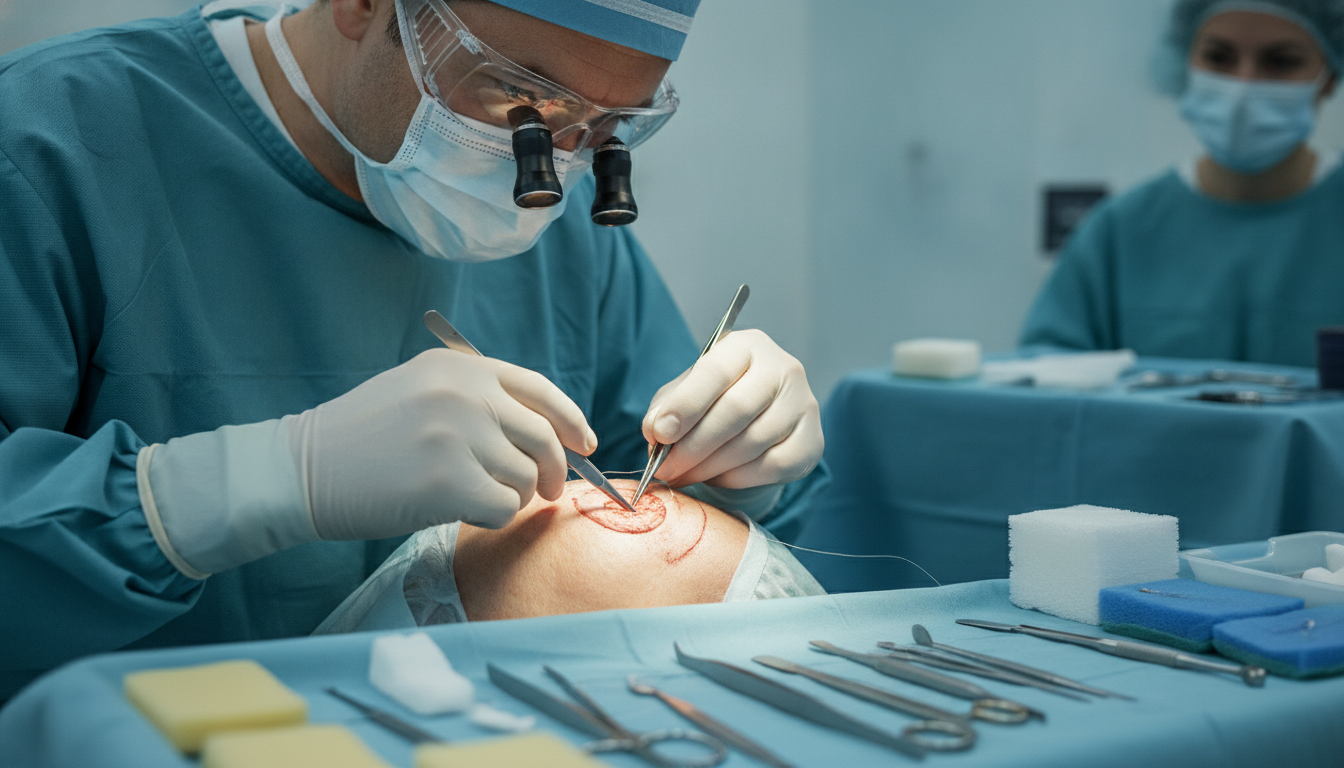
Navigating Your Journey: Finding Expert aesthetic Mohs repair
Finding the right specialist for your aesthetic Mohs repair is a crucial step toward achieving the best possible outcome. This decision should be made with careful consideration, ensuring you partner with a surgeon who possesses both technical skill and an artistic sensibility. The quality of your reconstruction directly impacts your appearance and confidence, making this choice profoundly important.
Where to Find a Qualified Surgeon for aesthetic Mohs repair
Where can I find a qualified surgeon for aesthetic Mohs repair? Start by seeking referrals from your Mohs surgeon or dermatologist, as they often work closely with reconstructive specialists. Websites of professional organizations like the American Society of Plastic Surgeons or the American Academy of Facial Plastic and Reconstructive Surgery are excellent resources for finding board-certified surgeons in your area. Online patient reviews and testimonials can also provide valuable insights into a surgeon’s patient care and results.
Scheduling Your Consultation for aesthetic Mohs reconstruction
How do I schedule a consultation for aesthetic Mohs reconstruction? You typically contact the plastic surgery clinic directly via phone or their online appointment request form. It’s often beneficial to have a referral from your Mohs surgeon or dermatologist, as this provides the reconstructive surgeon with essential information about your case. During the consultation, be prepared to discuss your medical history, aesthetic goals, and any concerns you may have regarding your aesthetic Mohs reconstruction.
Reviewing Before and After Photos for aesthetic Mohs repair
Can I see before and after photos of aesthetic Mohs repair procedures? Absolutely. Reputable surgeons will often provide a gallery of their work, either on their website or during your consultation. These photos are invaluable for evaluating the surgeon’s aesthetic sensibility, the quality of their reconstructive results, and their experience with cases similar to yours. Pay close attention to the subtlety of the repair, the symmetry achieved, and the overall naturalness of the outcome.
This visual evidence is a key indicator of a surgeon’s proficiency in aesthetic Mohs repair.
Understanding the Investment: Cost and Coverage for aesthetic Mohs repair
Considering aesthetic Mohs repair involves understanding the financial aspects, including the cost of the procedure and potential insurance coverage. Given that this reconstruction follows a medically necessary cancer removal, many patients find that a significant portion of the expense is covered. However, it’s essential to clarify these details upfront to avoid any surprises.
How Much Does aesthetic Mohs repair Cost?
How much does aesthetic Mohs repair cost? The cost varies significantly based on several factors: the complexity of the reconstruction, the size and location of the defect, the surgeon’s fees, anesthesia costs, and facility charges. Because each aesthetic Mohs repair is highly individualized, a precise quote can only be provided after a thorough consultation. It’s an investment in both your health and your appearance, and many find the long-term benefits far outweigh the initial expense.
Will My Insurance Cover aesthetic Mohs reconstruction?
Will my insurance cover aesthetic Mohs reconstruction? In most cases, yes. Aesthetic Mohs reconstruction is generally considered medically necessary following skin cancer removal and is typically covered by health insurance. Coverage depends on your specific policy, deductible, and network. It is highly advisable to verify your benefits with your insurance provider prior to your procedure. The clinic’s administrative staff can often assist with this process, helping you understand your coverage for aesthetic Mohs repair.
Potential Risks and Ensuring Safety in aesthetic Mohs repair
While aesthetic Mohs repair is a safe and highly effective procedure, like any surgical intervention, it carries potential risks and complications. Understanding these possibilities is part of an informed decision-making process and highlights the importance of choosing a skilled and experienced surgeon.
What Are the Potential Risks and Complications of aesthetic Mohs repair?
What are the potential risks and complications of aesthetic Mohs repair? These can include infection, bleeding, poor wound healing, numbness in the treated area, unsatisfactory scarring (such as hypertrophic or keloid scars), skin discoloration, and asymmetry. While rare, more serious complications can occur. Your surgeon will discuss these risks thoroughly with you during your consultation, outlining the steps taken to minimize their occurrence and how they would be managed if they arise.
Choosing a board-certified surgeon with expertise in this specialized repair significantly reduces these risks.
The commitment to patient safety and achieving the best possible outcome is paramount. By adhering to strict surgical protocols, employing meticulous techniques, and providing comprehensive post-operative care, skilled surgeons strive to make your aesthetic Mohs repair journey as smooth and successful as possible. Your health and aesthetic well-being are the top priorities throughout the entire process.
Your Invitation to Seamless Skin Restoration
The journey through skin cancer treatment can be challenging, but the path to recovery and restoration offers profound hope. aesthetic Mohs repair stands as a testament to modern surgical artistry, providing a powerful solution for individuals seeking to restore their skin’s natural beauty and function after Mohs surgery. The secrets to seamless results lie in the meticulous planning, advanced reconstructive techniques, the unparalleled skill of a specialist, and dedicated post-operative care.
Choosing an expert for your aesthetic Mohs repair is not merely a medical decision; it is an investment in your confidence and well-being. By understanding the process, knowing what to look for in a surgeon, and committing to comprehensive aftercare, you empower yourself to achieve the most natural and stunning outcome possible. Your journey to renewed skin and renewed confidence awaits. For personalized guidance and exceptional results, consider reaching out to a leading expert in reconstructive plastic surgery.
What is aesthetic Mohs repair and when is it necessary?
Aesthetic Mohs repair is reconstructive surgery performed immediately after Mohs micrographic surgery for skin cancer. It’s necessary when Mohs surgery leaves a defect (wound) that requires careful closure to restore both function and a natural, pleasing appearance, especially on visible areas like the face.
How do surgeons achieve the best aesthetic outcome after Mohs surgery?
Achieving the best aesthetic outcome in aesthetic Mohs repair involves careful planning, precise tissue handling, and utilizing advanced reconstructive techniques. This includes selecting the most appropriate closure method, meticulously aligning tissue, and minimizing tension on the wound to promote optimal healing and reduce visible scarring.
Who performs aesthetic reconstruction after Mohs surgery?
Aesthetic reconstruction after Mohs surgery is typically performed by plastic surgeons, facial plastic surgeons, or dermatologic surgeons with specialized training in reconstructive techniques. These specialists possess the expertise in facial anatomy and advanced closure methods required for optimal aesthetic results.
Why is specialized aesthetic repair crucial for facial Mohs excisions?
Specialized aesthetic Mohs repair is crucial for facial excisions because the face is highly visible and complex, impacting both appearance and function (e.g., eyelids, nose, lips). Meticulous reconstruction is essential to preserve delicate facial features, minimize noticeable scarring, and maintain a natural expression.
What techniques are used in aesthetic Mohs repair to minimize scarring?
Techniques in aesthetic Mohs repair to minimize scarring include primary closures, local tissue flaps (moving adjacent skin), skin grafts (transferring skin from another site), and sometimes staged reconstructions. Surgeons employ precise suturing, proper wound orientation, and careful tension management to promote discreet healing.
Where can I find a qualified surgeon for aesthetic Mohs repair?
To find a qualified surgeon for aesthetic Mohs repair, look for board-certified plastic surgeons or facial plastic surgeons with specific experience in Mohs reconstruction. Websites of professional organizations like the American Society of Plastic Surgeons or referrals from your Mohs surgeon are excellent resources.
What is the typical recovery time after aesthetic Mohs reconstruction?
The typical recovery time after aesthetic Mohs reconstruction varies depending on the size and location of the defect and the complexity of the repair. Most patients experience initial swelling and bruising for 1-2 weeks, with sutures removed within that timeframe. Full healing and scar maturation can take several months to a year.
How much does aesthetic Mohs repair cost?
The cost of aesthetic Mohs repair varies significantly based on factors such as the complexity of the reconstruction, the surgeon’s fees, anesthesia costs, and facility charges. Given its reconstructive nature, often following a cancer removal, a substantial portion may be covered by insurance. A personalized quote is provided during consultation.
Will my insurance cover aesthetic Mohs reconstruction?
In most cases, aesthetic Mohs reconstruction is considered medically necessary following skin cancer removal and is typically covered by health insurance. Coverage depends on your specific policy, deductible, and network. It’s advisable to verify benefits with your insurance provider prior to your procedure.
What should I look for when choosing a surgeon for aesthetic Mohs repair?
When choosing a surgeon for aesthetic Mohs repair, look for board certification in plastic surgery or facial plastic surgery, extensive experience in reconstructive procedures, and a strong portfolio of before-and-after photos. Evaluate their communication style, patient reviews, and clinic accreditation.
Can I see before and after photos of aesthetic Mohs repair procedures?
Yes, reputable surgeons often provide before and after photos of aesthetic Mohs repair procedures during consultations or on their website’s gallery section. These photos are crucial for evaluating the surgeon’s aesthetic sensibility and the quality of their reconstructive results.
What are the potential risks and complications of aesthetic Mohs repair?
Potential risks and complications of aesthetic Mohs repair include infection, bleeding, poor wound healing, numbness, unsatisfactory scarring, skin discoloration, and asymmetry. While rare, these are discussed thoroughly with your surgeon, and steps are taken to minimize their occurrence.
How do I schedule a consultation for aesthetic Mohs reconstruction?
To schedule a consultation for aesthetic Mohs reconstruction, you typically contact the plastic surgery clinic directly via phone or their online appointment request form. You may need a referral from your Mohs surgeon or dermatologist.
What is the difference between primary closure and flap/graft for aesthetic Mohs repair?
Primary closure for aesthetic Mohs repair involves stitching the wound edges directly together. Flap or graft reconstruction, on the other hand, involves moving adjacent skin (flap) or transferring skin from a distant site (graft) to cover the defect, used for larger or more complex wounds.
Are there any non-surgical options for improving appearance after Mohs surgery?
After aesthetic Mohs repair, some non-surgical options can help improve appearance, such as silicone sheets or gels for scar management, laser treatments for redness or texture, microneedling, and certain topical creams. These are usually considered once the surgical site has healed adequately.