Chemical peel acne: 6 Powerful Reasons for Clear, Radiant Skin
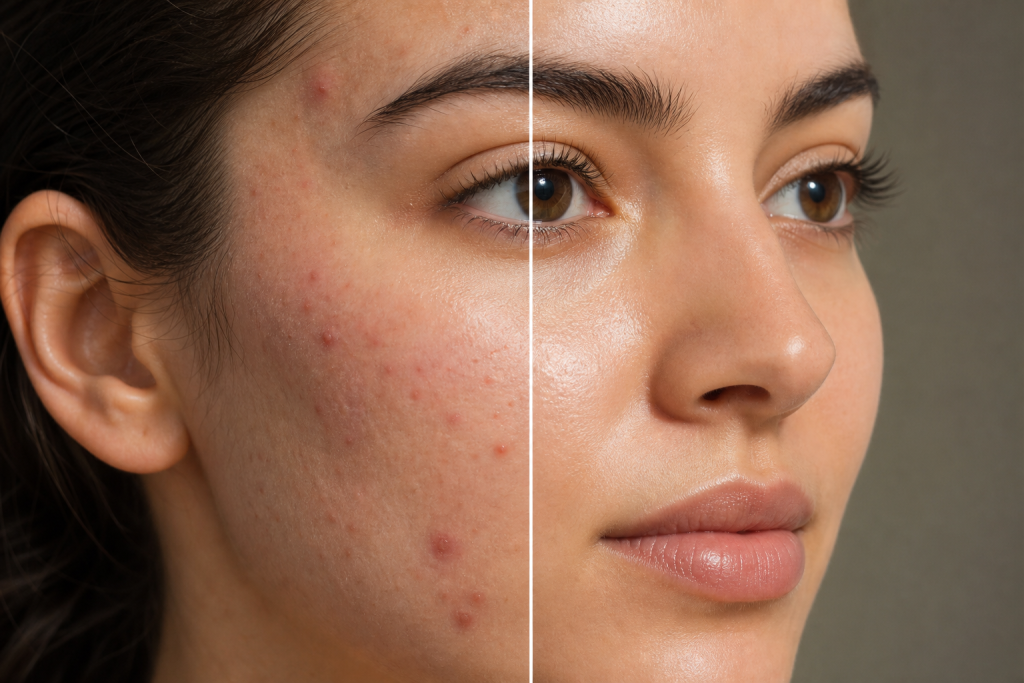
For many, the journey to clear skin is fraught with challenges, but understanding the power of chemical peel acne treatments can be a game-changer. This advanced dermatological solution offers a strategic approach to not only reduce active breakouts but also to significantly improve overall skin texture and tone.
If you’ve struggled with persistent blemishes, clogged pores, or the lingering marks of past breakouts, a professional chemical peel for acne might be the powerful ally you need to achieve the radiant complexion you desire.
Chemical peels work by gently exfoliating the skin’s surface, accelerating cell turnover, and revealing fresher, healthier skin beneath. This process is particularly effective for managing acne because it addresses several root causes simultaneously. From unclogging pores to reducing inflammation, the benefits extend far beyond simple surface treatment, offering a comprehensive path to lasting clarity.
Key Takeaways
- Discover how chemical peel acne treatments provide a powerful solution for reducing active breakouts and improving skin texture.
- Understand the different types of chemical peels and which are most effective for various acne concerns, from oily skin to mild scarring.
- Learn about the typical recovery process and essential aftercare to maximize the benefits of your chemical peel treatment.
- Explore the significant long-term benefits, including reduced acne scars, improved skin tone, and a more radiant complexion.
What is Chemical Peel Acne? A Powerful Solution for Clear Skin
When we talk about chemical peel acne, we’re referring to a cosmetic procedure designed to significantly improve the appearance of skin affected by breakouts. This treatment involves applying a specialized chemical solution to the skin, which causes controlled exfoliation. The goal is to remove the outer layers of damaged skin, allowing healthier, smoother skin to emerge. It’s a highly effective method for addressing various forms of acne and its lingering effects.
The process of a chemical peel for acne is more than just a surface-level treatment. It actively works to unclog pores, reduce inflammation, and diminish the visibility of acne lesions. This targeted approach helps to prevent future breakouts by keeping pores clear and regulating oil production. Many individuals find that regular chemical peel treatments lead to a dramatic improvement in their complexion.
Understanding the science behind this treatment reveals its efficacy. The chemical agents, often acids, penetrate the skin to varying depths, prompting a regenerative response. This not only clears existing acne but also stimulates cellular renewal, which is crucial for maintaining long-term skin health. It’s a comprehensive strategy for managing and overcoming persistent acne concerns.
Defining the Chemical Peel Process for Acne
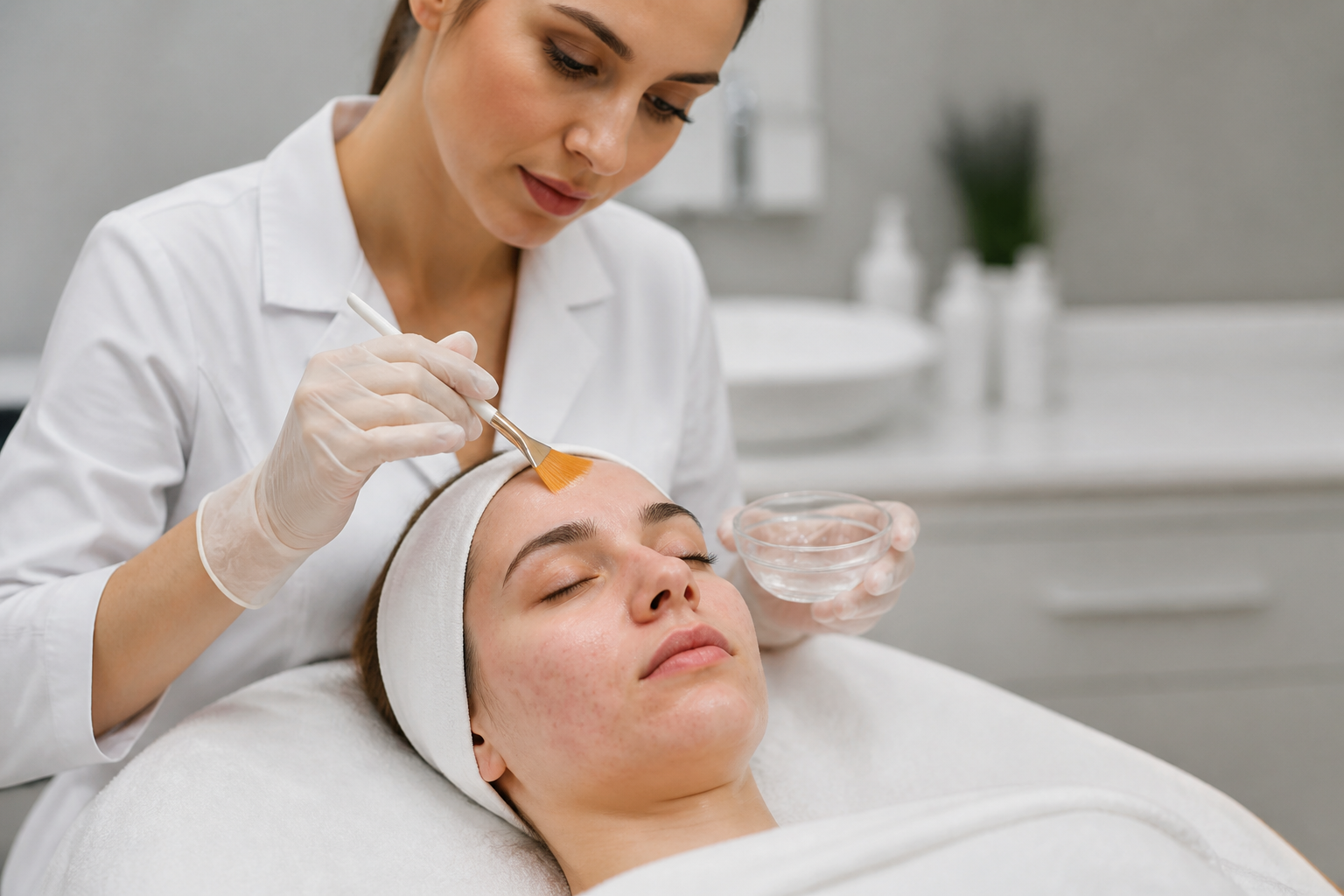
A chemical peel for acne begins with a thorough cleansing of the skin. The chosen chemical solution is then carefully applied, typically for a few minutes, depending on the type and strength of the peel. During this time, you might experience a tingling or warm sensation. After the solution has worked its magic, it is either neutralized or washed off, and soothing products are applied.
This controlled process ensures maximum benefit with minimal discomfort, making chemical peel acne a manageable and effective treatment.
How Chemical Peels Combat Chemical Peel Acne and Scars
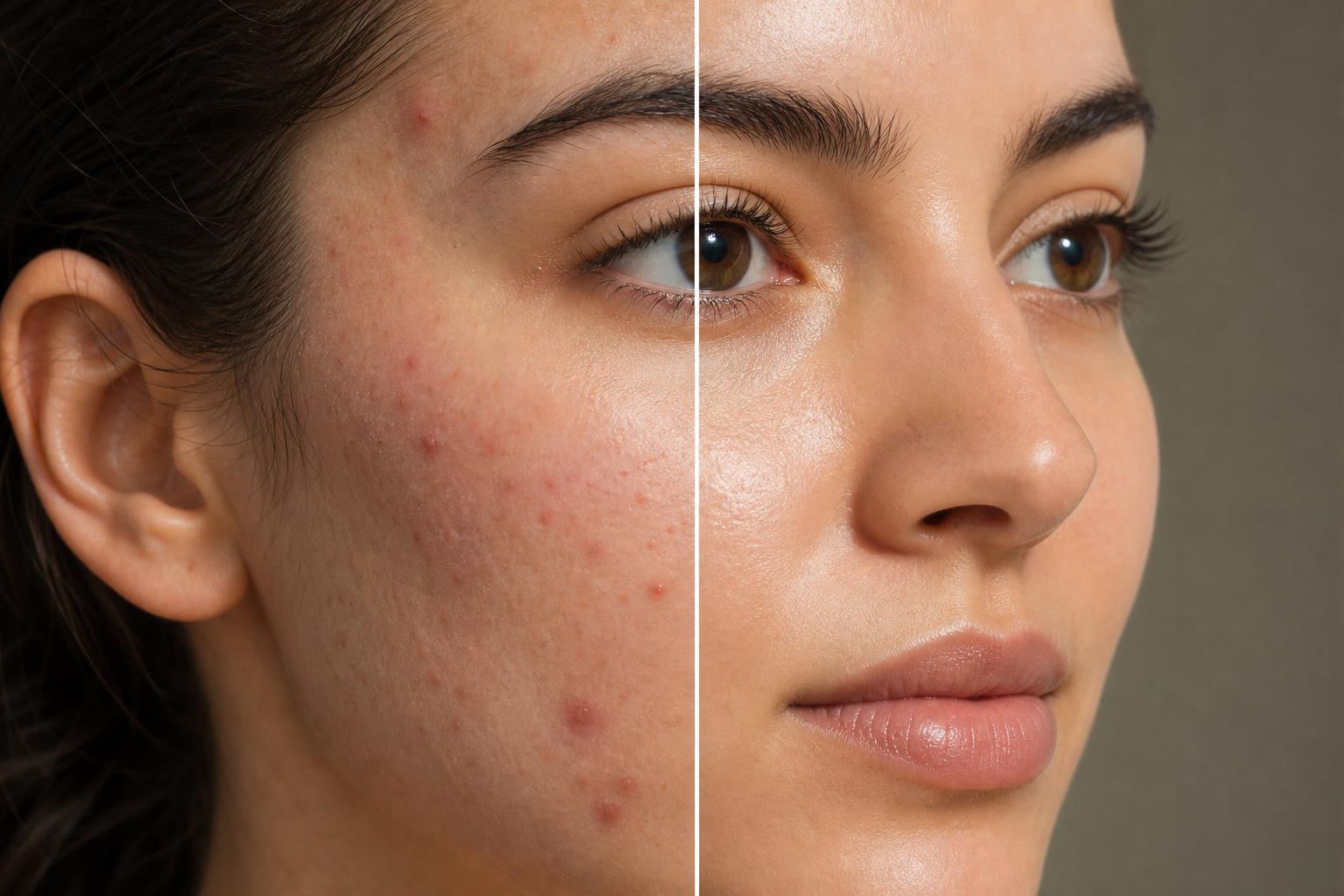
The mechanism by which chemical peels address chemical peel acne is multifaceted and highly effective. These treatments work at a cellular level to disrupt the cycle of acne formation and promote healing. By accelerating cell turnover, they prevent dead skin cells and excess oil from accumulating in pores, which are primary contributors to breakouts. This proactive approach helps to keep the skin clear and less prone to future blemishes.
Beyond preventing new breakouts, chemical peels are also instrumental in treating existing acne and minimizing the appearance of acne scars. The exfoliation process encourages the skin to shed damaged cells, including those that make up superficial scars and hyperpigmentation. This promotes the growth of new, healthy skin cells and stimulates collagen production, leading to a smoother, more even skin tone. The impact of a chemical peel on acne and scarring can be truly transformative.
For those struggling with persistent acne, the ability of these peels to reduce inflammation is particularly beneficial. Many chemical solutions contain anti-inflammatory properties that calm irritated skin and lessen the redness associated with active lesions. This comprehensive action makes a chemical peel a powerful tool in achieving a clearer, more comfortable complexion.
Targeting Active Breakouts with Chemical Peel Acne
Chemical peels are excellent for tackling active breakouts. Ingredients like salicylic acid, for instance, are oil-soluble, allowing them to penetrate deep into the pores. Here, they dissolve sebum and dead skin cells, effectively unclogging pores and reducing blackheads and whiteheads. This deep cleansing action is crucial for controlling active chemical peel acne and preventing new lesions from forming.
Minimizing Acne Scars and Hyperpigmentation
One of the most sought-after benefits of chemical peels is their ability to improve the appearance of acne scars and post-inflammatory hyperpigmentation (PIH). By promoting exfoliation and collagen remodeling, peels help to smooth out uneven skin texture and fade dark spots. Over a series of treatments, the skin becomes visibly clearer and more uniform. This makes a professional chemical peel a vital part of many scar revision protocols.
Choosing the Right Chemical Peel Acne Treatment for Your Skin
Selecting the appropriate chemical peel acne treatment is crucial for achieving optimal results and ensuring skin safety. Not all chemical peels are created equal, and different formulations are designed to address specific skin concerns and types. A professional consultation is essential to determine which peel strength and type will be most beneficial for your individual acne condition and skin sensitivity. This personalized approach ensures the most effective outcome.
The world of chemical peels offers a variety of options, each with unique properties. From superficial peels that offer gentle exfoliation to medium-depth peels that provide more intensive renewal, understanding these differences will help you make an informed decision. The right choice can significantly impact the success of your chemical peel journey, leading to clearer, healthier skin without unnecessary irritation.
Consider your skin type, the severity of your acne, and any other skin concerns you may have when discussing options with your skincare professional. For example, oily and congested skin might benefit from one type of peel, while sensitive skin with mild breakouts might require a gentler approach. The goal is always to achieve effective treatment while maintaining skin integrity.
Salicylic Acid Peels for Oily and Congested Chemical Peel Acne
Salicylic acid peels are a go-to for oily and acne-prone skin. Being a beta-hydroxy acid (BHA), salicylic acid is oil-soluble, meaning it can penetrate deep into the pores to dissolve sebum and dead skin cells. This makes it exceptionally effective at treating blackheads, whiteheads, and inflamed pimples. Regular salicylic acid chemical peel acne treatments can significantly reduce oiliness and prevent future breakouts, leading to a much clearer complexion.
Glycolic and Lactic Acid Peels for Surface Acne and Texture
Glycolic acid and lactic acid are alpha-hydroxy acids (AHAs) that work primarily on the skin’s surface. Glycolic acid, derived from sugar cane, is known for its ability to exfoliate and improve overall skin texture, making it great for mild acne and superficial scarring. Lactic acid, derived from milk, is a gentler AHA, ideal for sensitive skin types, offering hydration alongside exfoliation. Both are excellent choices for improving skin radiance and addressing mild acne concerns.
Ready to Combat Chemical Peel Acne with Expert Care from The Face Doctor of Florida?
Dr. Shashi Kusuma and our team offer personalized chemical peel solutions designed to target acne, improve skin texture, and restore your natural radiance. Experience the difference of advanced aesthetic expertise.
Are You a Candidate for Chemical Peel Acne Treatment?
Determining if you are an ideal candidate for chemical peel acne treatment involves a thorough assessment of your skin condition, medical history, and aesthetic goals. Generally, individuals with mild to moderate acne, including blackheads, whiteheads, papules, and pustules, can benefit significantly. Those looking to improve skin texture, reduce oiliness, and diminish superficial acne scars are also often excellent candidates for this procedure.
However, not everyone is suitable for every type of chemical peel. Certain conditions, such as active cold sores, recent use of isotretinoin (Accutane), or very sensitive skin, might preclude you from certain peel strengths or require a modified approach. This is why a detailed consultation with a qualified professional is absolutely essential before undergoing any chemical peel treatment. They can assess your skin and recommend the safest and most effective plan.
The benefits of a professional chemical peel for acne extend beyond just clearing breakouts. It can also enhance the efficacy of your daily skincare routine by allowing products to penetrate more deeply. If you’re seeking a proven method to achieve clearer, healthier skin, exploring these options is a worthwhile step.
Who Benefits Most from Professional Chemical Peel Acne Solutions
Individuals experiencing persistent breakouts that haven’t responded well to over-the-counter treatments often find professional chemical peel acne solutions highly effective. This includes those with congested pores, uneven skin tone, and early signs of acne scarring. The targeted action of professional peels can deliver results that at-home products simply cannot match, offering a powerful path to clearer skin.
When to Consider a Professional Consultation for Chemical Peel Acne
If you’ve been battling acne for an extended period, or if your breakouts are impacting your self-confidence, it’s time to consider a professional consultation. A skincare expert can accurately diagnose your skin type and acne severity, then recommend a tailored chemical peel acne regimen. This guidance ensures you receive the most appropriate and effective treatment, maximizing your chances for successful skin transformation.
What to Expect: Side Effects and Recovery for Chemical Peel Acne
Undergoing a chemical peel acne treatment is a journey towards clearer skin, and understanding the typical side effects and recovery process is key to a smooth experience. Immediately after a peel, it’s common to experience some temporary redness, similar to a sunburn. The intensity and duration of these effects largely depend on the depth and type of peel performed. Superficial peels generally have minimal downtime, while medium-depth peels may involve more noticeable peeling and flaking.
The recovery period is a crucial phase where your skin undergoes renewal. During this time, it’s vital to follow all aftercare instructions provided by your skincare professional. This typically includes gentle cleansing, diligent moisturizing, and strict sun protection. Avoiding direct sun exposure and using a broad-spectrum SPF 30+ sunscreen are non-negotiable steps to protect your newly exposed skin and prevent complications like hyperpigmentation. Proper aftercare ensures the best results from your chemical peel treatment.
While most side effects are mild and temporary, it’s important to be aware of less common occurrences, such as prolonged redness or changes in skin pigmentation. These are rare, especially when the peel is performed by an experienced professional. Open communication with your provider about any concerns during your recovery is always encouraged.
Common Side Effects of Chemical Peel Acne Treatment
The most common side effects of a chemical peel acne treatment include temporary redness, mild swelling, and a sensation of tightness. As the skin begins to exfoliate, you will likely experience peeling or flaking, which can last from a few days to a week. These are normal signs that the peel is working and your skin is regenerating. It’s important not to pick or pull at the peeling skin, as this can lead to irritation or scarring.
Essential Aftercare and Recovery Time for Chemical Peel Acne
Proper aftercare is paramount for optimal results and to minimize risks after a chemical peel acne procedure. Your routine should focus on hydration and protection. Use a gentle, non-comedogenic cleanser and moisturizer. Sun protection is critical; apply and reapply sunscreen diligently. Avoid harsh exfoliants, retinoids, or active ingredients for at least a week, or as advised by your professional.
Recovery time varies: superficial peels might have 1-3 days of mild flaking, while medium peels could involve 5-7 days of more significant peeling. For more detailed information on post-peel care, you can consult authoritative sources like the American Academy of Dermatology Association.
The Benefits and Investment in Chemical Peel Acne Treatment
Investing in chemical peel acne treatment offers a multitude of benefits that extend beyond simply clearing breakouts. The most significant advantage is the potential for dramatically clearer, smoother, and more radiant skin. By addressing the root causes of acne and promoting skin renewal, these treatments can transform your complexion, boosting confidence and improving overall skin health. It’s an investment in the long-term well-being and appearance of your skin.
Beyond the aesthetic improvements, chemical peels also contribute to healthier skin by refining pore size, reducing oil production, and evening out skin tone. For individuals with persistent acne, the relief from constant breakouts and the fading of post-acne marks can be life-changing. The cumulative effects of a series of chemical peel treatments often lead to sustained improvements that are difficult to achieve with at-home products alone.
When considering the cost, it’s important to view it as an investment in professional care and lasting results. While prices vary, the value lies in the expertise of the provider and the efficacy of the treatment. Many find the benefits far outweigh the financial commitment, especially when compared to continuously purchasing less effective over-the-counter solutions.
Long-Term Benefits of Professional Chemical Peel Acne
The long-term benefits of professional chemical peel acne treatments are substantial. Patients often experience a significant reduction in the frequency and severity of breakouts, leading to fewer new blemishes. Furthermore, the continuous stimulation of collagen and elastin production helps to minimize the appearance of fine lines and wrinkles, offering an anti-aging bonus. The skin becomes more resilient, uniform, and youthful over time.
Understanding the Cost of Chemical Peel Acne Treatment
The cost of a chemical peel acne treatment can vary widely, typically ranging from $150 to $500 per session. This price depends on several factors, including the type and strength of the peel, the expertise of the provider, and your geographic location. Often, a series of 3-6 treatments is recommended for optimal results, so it’s important to factor in the total investment. During your consultation, your provider will give you a precise quote based on your personalized treatment plan.
If you are in Weston, FL, and seeking expert care for your skin, consider exploring options for chemical peels in Weston FL at The Face Doctor of Florida. Their specialized services can help you achieve your skin goals.
Your Path to Clear, Radiant Skin with Chemical Peel Acne
Embarking on a journey to clearer skin with chemical peel acne treatments can be a truly transformative experience. We’ve explored the powerful reasons why these professional procedures are so effective, from their ability to deeply cleanse pores and reduce inflammation to their remarkable capacity to diminish acne scars and improve overall skin texture. The dual action of immediate improvement and long-term collagen stimulation makes chemical peels a cornerstone of modern acne management.
Choosing the right type of peel and understanding the recovery process are vital steps, ensuring a safe and successful outcome. With the guidance of an experienced professional, you can navigate the options and find a personalized treatment plan that addresses your unique concerns. The investment in chemical peel treatment is an investment in your confidence and the lasting health of your skin.
If you’re ready to say goodbye to persistent breakouts and embrace a radiant, blemish-free complexion, a professional chemical peel might be your ultimate solution.
Ready to Combat Chemical Peel Acne with Expert Care from The Face Doctor of Florida?
Dr. Shashi Kusuma and our team offer personalized chemical peel solutions designed to target acne, improve skin texture, and restore your natural radiance. Experience the difference of advanced aesthetic expertise.
Frequently Asked Questions About Chemical Peel Acne Treatment
What is a chemical peel for acne?
A chemical peel for acne is a cosmetic procedure that applies a chemical solution to the skin, causing controlled exfoliation. This process helps to unclog pores, reduce inflammation, and diminish the appearance of acne lesions and scars, promoting clearer, healthier skin.
How do chemical peels work to treat acne and acne scars?
Chemical peels work by penetrating the skin’s surface, accelerating cell turnover. For acne, they dissolve dead skin cells and excess oil, preventing blockages. For scars, the exfoliation encourages new collagen production, smoothing the skin’s texture and fading discoloration.
What types of chemical peels are best for different acne types?
Salicylic acid peels are excellent for oily and acne-prone skin due to their oil-soluble properties, penetrating deeply into pores. Glycolic and lactic acid peels, both AHAs, are effective for surface acne, mild scarring, and improving overall skin tone and texture, especially for sensitive skin.
Who is a good candidate for a chemical peel to improve acne?
Good candidates typically have mild to moderate acne, blackheads, whiteheads, papules, pustules, or superficial acne scars. Those looking to improve skin texture and reduce oiliness can also benefit. A consultation with a dermatologist or aesthetician is essential to determine suitability.
What are the common side effects of a chemical peel for acne treatment?
Common side effects include temporary redness, peeling, flaking, and mild irritation, similar to a sunburn. These effects usually subside within a few days to a week, depending on the peel’s strength. Less common side effects can include temporary hyperpigmentation or infection if not properly cared for.
How much does a chemical peel for acne typically cost?
The cost of a chemical peel for acne varies widely based on the peel type, strength, provider’s expertise, and geographic location. Generally, prices can range from $150 to $500 per session. Multiple sessions are often recommended for optimal results, influencing the total investment.
How long is the recovery time after a chemical peel for acne?
Recovery time depends on the peel’s depth. Superficial peels typically involve 1-3 days of mild flaking. Medium-depth peels may require 5-7 days of more noticeable peeling and redness. During recovery, it’s crucial to follow aftercare instructions, including strict sun protection.
Are chemical peels effective for treating severe cystic acne?
While chemical peels can complement treatment for severe cystic acne by reducing surface inflammation and improving skin texture, they are generally not a standalone solution for deep, nodular cysts. They are often part of a broader treatment plan that may include oral medications or other dermatological interventions.
What is the proper aftercare routine for skin after an acne chemical peel?
Aftercare typically involves gentle cleansing, moisturizing with a non-comedogenic product, and strict sun protection (SPF 30+). Avoid picking or peeling the skin, and refrain from using harsh exfoliants, retinoids, or active ingredients until the skin has fully healed, usually for at least a week.
How many chemical peel sessions are usually needed for acne reduction?
The number of sessions required for acne reduction varies depending on the severity of the acne and the type of peel used. Typically, a series of 3-6 treatments spaced 2-4 weeks apart is recommended for noticeable improvement. Maintenance peels may be suggested afterwards.