
Cosmetic Injectables Guide: 7 Ultimate Tips for a Refreshed Look
The journey to a refreshed, more youthful appearance often leads to exploring non-surgical options that deliver remarkable results. This comprehensive Cosmetic Injectables Guide is designed to illuminate the path, offering clarity on treatments that can subtly enhance your natural beauty without extensive downtime. Many individuals seek solutions to address fine lines, wrinkles, and volume loss, aiming for a revitalized look that reflects their inner vibrancy. Cosmetic injectables provide a sophisticated answer, offering precision and customization to meet diverse aesthetic goals.In this authoritative guide, we will delve into the science behind these popular treatments, differentiate between various types of injectables, and outline what you can expect throughout your aesthetic journey. We’ll cover everything from preparation to aftercare, ensuring you feel fully informed and confident in making choices that align with your vision for rejuvenation. Consider this your essential resource for understanding how to achieve a beautifully refreshed and authentic version of yourself.
Key Takeaways from this Cosmetic Injectables Guide
- Understand the fundamental differences between neuromodulators and dermal fillers, and how each contributes to a refreshed look.
- Learn how cosmetic injectables work to reduce wrinkles and restore lost volume, providing both immediate and long-term benefits.
- Discover the crucial factors in choosing a qualified and experienced practitioner to ensure safe and natural-looking results.
- Gain insights into the typical costs, longevity, and safety profiles associated with various cosmetic injectable treatments.
What Are Cosmetic Injectables? A Comprehensive Cosmetic Injectables Guide
Your quest for rejuvenation begins with understanding the tools available. Cosmetic injectables are non-surgical treatments designed to enhance facial aesthetics, reduce signs of aging, and restore a more youthful appearance. They are a cornerstone of modern aesthetic medicine, offering effective solutions without the need for invasive surgery or extensive recovery time. This section of our Cosmetic Injectables Guide will clarify their primary uses and what a comprehensive guide entails.Cosmetic injectables are primarily used to address a range of concerns, including the reduction of wrinkles and fine lines, restoration of lost facial volume, and enhancement of facial contours. They can effectively smooth frown lines, crow’s feet, and forehead wrinkles, as well as plump lips, define cheekbones, and soften marionette lines around the mouth. These treatments offer a versatile approach to facial rejuvenation, tailored to individual needs.A comprehensive Cosmetic Injectables Guide typically covers various aspects, from the different types of injectables available to their specific applications, benefits, and potential side effects. It also provides crucial information on candidacy, preparation, post-treatment care, and cost considerations. Most importantly, it emphasizes the significance of selecting a qualified and experienced practitioner to ensure optimal and safe results. This guide aims to be that comprehensive resource for you.
Types of Cosmetic Injectables: An Overview
The world of cosmetic injectables is diverse, with different products designed to target specific concerns. The main categories include neuromodulators and dermal fillers. Neuromodulators, such as Botox, Dysport, and Xeomin, work by temporarily relaxing facial muscles that cause dynamic wrinkles. Dermal fillers, like Juvéderm, Restylane, and Radiesse, add volume beneath the skin to smooth static wrinkles, plump areas of volume loss, and enhance facial contours. Each type plays a unique role in achieving a refreshed aesthetic.
Understanding the Benefits of Cosmetic Injectables
The appeal of cosmetic injectables lies in their ability to deliver noticeable improvements with minimal downtime. Patients often experience a significant reduction in the appearance of wrinkles, a more lifted and contoured facial profile, and an overall refreshed look. These treatments can boost self-confidence and provide a subtle yet impactful transformation, making them a popular choice for those seeking non-surgical aesthetic enhancements. The benefits extend beyond just aesthetics, often leading to improved self-perception and well-being. The American Academy of Dermatology provides an excellent overview of dermal fillers and their uses. 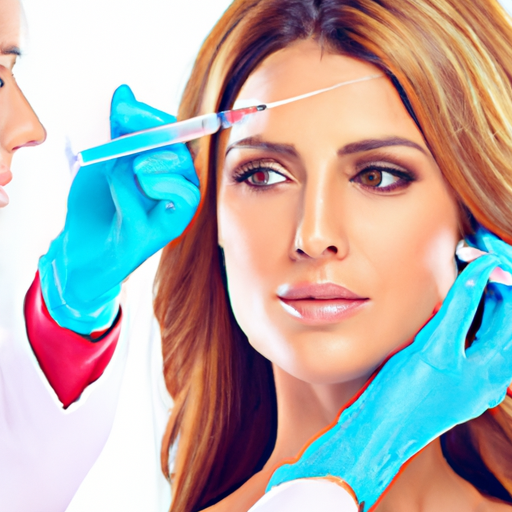
How Cosmetic Injectables Work: Your Cosmetic Injectables Guide to Youthful Skin
Understanding the mechanisms behind cosmetic injectables is key to appreciating their effectiveness. These treatments work in distinct ways to target different signs of aging, providing a tailored approach to facial rejuvenation. This section of our Cosmetic Injectables Guide explains how these advanced solutions help reduce wrinkles and restore a youthful glow.Neuromodulators primarily work by relaxing specific facial muscles. When injected into these muscles, they block nerve signals that cause muscle contractions. This temporary relaxation smooths out dynamic wrinkles, which are lines formed by repetitive facial expressions like frowning or squinting. The effect is a smoother, more relaxed appearance in areas such as the forehead, between the eyebrows, and around the eyes (crow’s feet). The science behind these treatments is well-established, offering predictable and effective results.Dermal fillers, on the other hand, operate by adding volume directly beneath the skin. Composed of substances like hyaluronic acid, calcium hydroxylapatite, or poly-L-lactic acid, they plump up static wrinkles and folds, fill hollow areas, and enhance facial contours. Hyaluronic acid fillers, for instance, attract and hold water, providing immediate volume and hydration. Other fillers stimulate the body’s natural collagen production, offering longer-lasting structural support. The choice of filler depends on the specific area being treated and the desired outcome.
Targeting Wrinkles and Volume Loss
The dual action of cosmetic injectables allows for comprehensive facial rejuvenation. Neuromodulators address the lines of expression, while fillers tackle volume depletion and deeper creases. This combination approach often yields the most harmonious and natural-looking results, creating a balanced and refreshed facial aesthetic. By understanding how each type works, you can better appreciate the artistry and science involved in a personalized treatment plan.
The Science of Rejuvenation
The effectiveness of cosmetic injectables is rooted in their ability to interact with the body’s natural processes. Whether by temporarily relaxing muscles or by replenishing lost volume and stimulating collagen, these treatments leverage biological mechanisms to reverse or slow down the visible signs of aging. This scientific foundation ensures that results are not just superficial but contribute to a healthier, more vibrant skin appearance. This Cosmetic Injectables Guide emphasizes the importance of understanding these principles for informed decision-making.
Are You an Ideal Candidate? Your Cosmetic Injectables Guide to Suitability
Determining if cosmetic injectables are right for you is a crucial step in your aesthetic journey. While generally safe and effective for many, not everyone is an ideal candidate. This part of our Cosmetic Injectables Guide will help you understand the factors that determine suitability and address common safety concerns.Ideal candidates for cosmetic injectables are typically healthy adults who are experiencing visible signs of aging, such as fine lines, wrinkles, or volume loss, and are seeking non-surgical solutions. They should have realistic expectations about the outcomes and a clear understanding of the procedure’s benefits and limitations. Good candidates are also those who are committed to maintaining their results through follow-up treatments as recommended by their practitioner.
Safety Considerations for Cosmetic Injectables
While cosmetic injectables are generally safe, they are not suitable for everyone. Pregnant or breastfeeding individuals, those with certain neurological conditions, active skin infections, or severe allergies to any of the ingredients in the injectables should avoid these treatments. A thorough medical history review and a detailed consultation with a qualified practitioner are essential to assess your safety and suitability. Your practitioner will discuss any potential risks and ensure that the chosen treatment aligns with your health profile.
What to Consider Before Treatment
Before proceeding with cosmetic injectables, it’s important to consider your overall health, any medications you are currently taking, and your aesthetic goals. Be open and honest with your practitioner about your medical history and expectations. This transparency ensures that your treatment plan is safe, effective, and tailored specifically to you. This careful consideration is a vital component of any responsible Cosmetic Injectables Guide.
Choosing Your Practitioner: A Cosmetic Injectables Guide to Expert Care
The success and safety of your cosmetic injectable treatment depend significantly on the expertise of your practitioner. Selecting the right professional is paramount to achieving natural-looking, beautiful results. This section of our Cosmetic Injectables Guide provides essential advice on finding a trusted and skilled expert.To find a trusted practitioner for cosmetic injectables, look for board-certified plastic surgeons, dermatologists, or highly trained aesthetic nurses with extensive experience in facial aesthetics. Their credentials and years of practice are strong indicators of their proficiency. It is also beneficial to check patient reviews and ask for before-and-after photos of their work. A reputable practitioner will gladly provide these, showcasing their skill and the quality of their results.
The Importance of a Consultation
A thorough consultation is your opportunity to assess a practitioner’s approach and expertise. During this meeting, they should conduct a meticulous assessment of your facial anatomy, discuss your aesthetic goals, and explain the various treatment options. They should also clearly outline potential risks, benefits, and expected outcomes. This collaborative process ensures that you feel fully informed and confident in your chosen provider. For expert care, consider scheduling a consultation with the specialists at The Face Doctor of Florida.
Questions to Ask Your Injector
When meeting with a potential injector, don’t hesitate to ask questions. Inquire about their experience with specific injectables, their training, and how they approach patient safety. Ask to see examples of their work and discuss their philosophy on achieving natural-looking results. A transparent and patient-focused practitioner will welcome your questions and provide clear, comprehensive answers. This due diligence is a critical part of any effective Cosmetic Injectables Guide.
Types of Cosmetic Injectables: Your Ultimate Cosmetic Injectables Guide
The landscape of cosmetic injectables is rich with options, each designed to address specific aesthetic concerns. Understanding the different types available is crucial for making informed decisions about your treatment plan. This section of our Cosmetic Injectables Guide provides an in-depth look at the most common categories.
Neuromodulators: Botox, Dysport, Xeomin
Neuromodulators are a class of injectables that work by temporarily relaxing the muscles responsible for dynamic wrinkles. The most well-known is Botox, but Dysport and Xeomin offer similar effects. These treatments are highly effective for smoothing lines on the forehead, between the eyebrows (glabellar lines), and around the eyes (crow’s feet). The effects typically last 3-4 months, after which repeat treatments are needed to maintain results. They are a popular choice for those seeking to reduce the appearance of expression lines.
Dermal Fillers: Hyaluronic Acid, CaHA, PLLA
Dermal fillers encompass a broader range of products, each with unique properties. Hyaluronic acid (HA) fillers, such as Juvéderm and Restylane, are the most common. They are smooth gels that attract water, providing immediate volume and hydration. HA fillers are versatile, used for lip augmentation, cheek enhancement, smoothing nasolabial folds, and filling under-eye hollows. Their effects can last from 6 months to over a year, and they are reversible with an enzyme if needed.Calcium Hydroxylapatite (CaHA) fillers, like Radiesse, offer both immediate volume and stimulate natural collagen production. They are firmer than HA fillers, making them ideal for deeper lines, jawline contouring, and hand rejuvenation. Results can last 12-18 months. Poly-L-lactic acid (PLLA) fillers, such as Sculptra, are biostimulators that gradually encourage collagen growth over several months, providing subtle, long-lasting volume restoration. This comprehensive Cosmetic Injectables Guide aims to clarify these distinctions.
Understanding the Process: Your Cosmetic Injectables Guide to Preparation and Aftercare
Embarking on a cosmetic injectable procedure involves more than just the injection itself. Proper preparation and diligent post-treatment care are essential for optimizing results and minimizing potential side effects. This section of our Cosmetic Injectables Guide walks you through what to expect before, during, and after your treatment.
How to Prepare for Your Procedure
Preparation for cosmetic injectables often involves a few simple steps to ensure the best possible outcome. It is generally recommended to avoid blood-thinning medications, such as aspirin, ibuprofen, and certain supplements like Vitamin E, fish oil, and St. John’s Wort, for about a week prior to your appointment. This helps to minimize the risk of bruising and swelling at the injection sites. You should also avoid alcohol for at least 24-48 hours before treatment. Always inform your practitioner about any medications, allergies, or medical conditions you have.
What to Expect During the Treatment
On the day of your appointment, the treatment area will be thoroughly cleansed. A topical anesthetic may be applied to enhance your comfort, though many injectables are formulated with lidocaine to minimize sensation. Your practitioner will then carefully administer the injections using a fine needle or a smooth-tipped cannula, depending on the product and area being treated. The entire process is typically quick, often taking only 15-30 minutes, allowing you to return to your daily activities with minimal interruption. 
Recommended Post-Treatment Care
Following your cosmetic injectable treatment, adhering to specific aftercare instructions is crucial for optimal healing and results. Typically, you should avoid strenuous exercise, excessive heat exposure (like saunas or hot tubs), and massaging the treated area for 24-48 hours. Applying a cold compress can help reduce any swelling or bruising. It is also important to stay hydrated and protect your skin from sun exposure. Your practitioner will provide detailed, personalized instructions to ensure a smooth recovery and lasting results. This careful attention to aftercare is a key tip in any effective Cosmetic Injectables Guide.
Cost and Longevity: A Cosmetic Injectables Guide to Your Investment
Understanding the financial aspect and the duration of results is a significant part of planning your aesthetic journey. Cosmetic injectables represent an investment in your appearance and confidence, with costs varying based on several factors. This section of our Cosmetic Injectables Guide provides clarity on typical pricing and how long you can expect your results to last.
How Much Do Cosmetic Injectables Cost?
The cost of cosmetic injectables varies significantly based on the type of injectable, the amount used, the treated area, the practitioner’s expertise, and geographic location. Neuromodulators are often priced per unit, while dermal fillers are typically priced per syringe. Prices can range from a few hundred dollars for a smaller treatment area to over a thousand dollars for more extensive rejuvenation. During your consultation, your practitioner will provide a personalized quote based on your specific treatment plan. It is important to remember that quality and expertise are paramount, and choosing a reputable provider is a wise investment.
How Long Do the Effects Last?
The longevity of effects from cosmetic injectables differs depending on the product and individual factors. Neuromodulators generally last 3-4 months, as the body gradually metabolizes the product and muscle activity returns. Dermal fillers can last anywhere from 6 months to 2 years or even longer. For instance, hyaluronic acid fillers typically last 6-12 months, while biostimulatory fillers like Radiesse or Sculptra can provide results for 12-24 months due to their collagen-stimulating properties. Individual metabolism, lifestyle, and the treated area also influence how long the results will endure. Regular maintenance treatments are usually recommended to sustain your refreshed appearance. __CTA_BLOCK__
Making the Right Choice: Your Cosmetic Injectables Guide Summary
Navigating the world of aesthetic treatments can feel overwhelming, but with this comprehensive Cosmetic Injectables Guide, you are now equipped with valuable knowledge. We’ve explored the diverse range of injectables, their mechanisms of action, and the critical importance of choosing a skilled practitioner. The decision to pursue cosmetic injectables is a personal one, driven by your unique aesthetic goals and desire for a refreshed, confident appearance.When considering cosmetic injectables, it’s vital to reflect on your aesthetic goals, thoroughly research qualified practitioners, and understand the different types of injectables available. Be aware of potential risks and side effects, and have a clear budget in mind. A detailed consultation with an expert will address all these points, ensuring a treatment plan that is safe, effective, and tailored to your needs. Many individuals choose cosmetic injectables over surgical options due to their non-invasive nature, minimal downtime, and ability to provide subtle, natural-looking enhancements without the commitment or risks associated with surgery. They offer an excellent entry point into facial rejuvenation.Booking a consultation for cosmetic injectables online is often a convenient first step. Many reputable clinics, including The Face Doctor of Florida, offer online scheduling through their website or by phone. This allows you to discuss your goals and assess your options with an expert, beginning your journey towards a revitalized look. This Cosmetic Injectables Guide aims to empower you to make informed choices for your aesthetic well-being.
What are cosmetic injectables used for?
Cosmetic injectables are non-surgical treatments primarily used to reduce the appearance of wrinkles, fine lines, and volume loss, enhancing facial contours and restoring a more youthful and refreshed look. They can address concerns like frown lines, crow’s feet, marionette lines, and provide lip augmentation or cheek enhancement.
How do cosmetic injectables work to reduce wrinkles?
Cosmetic injectables work through different mechanisms. Neuromodulators like Botox relax specific facial muscles responsible for dynamic wrinkles, smoothing lines caused by repetitive expressions. Dermal fillers, on the other hand, add volume beneath the skin, plumping up static wrinkles, folds, and areas of volume depletion.
What is included in a comprehensive guide to cosmetic injectables?
A comprehensive cosmetic injectables guide typically covers types of injectables (neuromodulators, fillers), their uses, benefits, potential side effects, candidacy, preparation, post-treatment care, cost considerations, and how to choose a qualified practitioner.
Are cosmetic injectables safe for everyone?
While generally safe for most healthy adults, cosmetic injectables are not suitable for everyone. Pregnant or breastfeeding individuals, those with certain neurological conditions, active skin infections, or severe allergies to ingredients should avoid them. A thorough consultation with a qualified practitioner is essential to determine safety and suitability.
What are the different types of cosmetic injectables available?
The main types of cosmetic injectables include neuromodulators (like Botox, Dysport, Xeomin) which relax muscles, and dermal fillers (like Juvéderm, Restylane, Radiesse, Sculptra) which add volume. Each type targets different concerns and uses various formulations to achieve desired results.
How much do cosmetic injectables typically cost per treatment?
The cost of cosmetic injectables varies significantly based on the type of injectable, the amount used, the treated area, the practitioner’s expertise, and geographic location. Prices are often quoted per unit for neuromodulators or per syringe for fillers, ranging from a few hundred to over a thousand dollars per session.
Where can I find a trusted practitioner for cosmetic injectables near me?
To find a trusted practitioner for cosmetic injectables near you, look for board-certified plastic surgeons or dermatologists with extensive experience in facial aesthetics. Check patient reviews, ask for before-and-after photos, and schedule a consultation to assess their approach and expertise.
Who is the ideal candidate for cosmetic injectables?
Ideal candidates for cosmetic injectables are generally healthy individuals experiencing visible signs of aging like fine lines, wrinkles, or volume loss, who seek non-surgical solutions. They should have realistic expectations and a clear understanding of the procedure’s benefits and limitations.
What are the potential side effects of cosmetic injectables?
Potential side effects of cosmetic injectables are usually mild and temporary, including redness, swelling, bruising, tenderness, or itching at the injection sites. More serious but rare side effects can occur, which is why choosing an experienced injector is crucial.
How long do the effects of cosmetic injectables usually last?
The duration of effects from cosmetic injectables varies. Neuromodulators typically last 3-4 months. Dermal fillers can last anywhere from 6 months to 2 years or even longer, depending on the product type, the area treated, and individual metabolism.
What should I consider before getting cosmetic injectables?
Before getting cosmetic injectables, consider your aesthetic goals, research qualified practitioners, understand the different types of injectables, be aware of potential risks and side effects, and have a clear budget. A thorough consultation will address all these points.
Why choose cosmetic injectables over surgical options?
Cosmetic injectables are often chosen over surgical options for their non-invasive nature, minimal downtime, lower cost, and ability to provide subtle, natural-looking enhancements without the commitment or risks associated with surgery. They offer a great entry point into facial rejuvenation.
How do I prepare for a cosmetic injectables procedure?
Preparation for cosmetic injectables often involves avoiding blood-thinning medications, alcohol, and certain supplements (like Vitamin E, fish oil) for about a week prior to minimize bruising. Inform your practitioner about any medications, allergies, or medical conditions you have.
What post-treatment care is recommended for cosmetic injectables?
Post-treatment care for cosmetic injectables typically includes avoiding strenuous exercise, excessive heat exposure, and massaging the treated area for 24-48 hours. Applying a cold compress can help reduce swelling and bruising. Follow all specific instructions from your provider.
Can I book a consultation for cosmetic injectables online?
Yes, many reputable clinics, including The Face Doctor of Florida, offer the convenience of booking a consultation for cosmetic injectables online through their website or by calling their office directly. This allows you to discuss your goals and assess your options with an expert.