Ear reshaping considerations are vital for anyone contemplating otoplasty, a surgical procedure designed to improve the shape, position, or proportion of the ear. This decision involves careful thought, research, and a thorough understanding of what the surgery entails. For those seeking to address prominent ears or correct ear deformities, asking the right questions is paramount to achieving a confident and satisfying outcome. This guide will explore the essential factors and powerful questions you should consider before embarking on your otoplasty journey, ensuring you are fully prepared and informed every step of the way.
Key Takeaways
- Understand the critical questions regarding candidacy, cost, risks, and recovery for ear reshaping.
- Learn how to prepare effectively for your consultation to maximize your discussion with a qualified surgeon.
- Discover the importance of choosing an experienced surgeon and what results you can realistically expect from otoplasty.
- Gain insight into the recovery process and long-term outcomes to ensure informed ear reshaping considerations.
Understanding Ear Reshaping Considerations: What is Otoplasty?
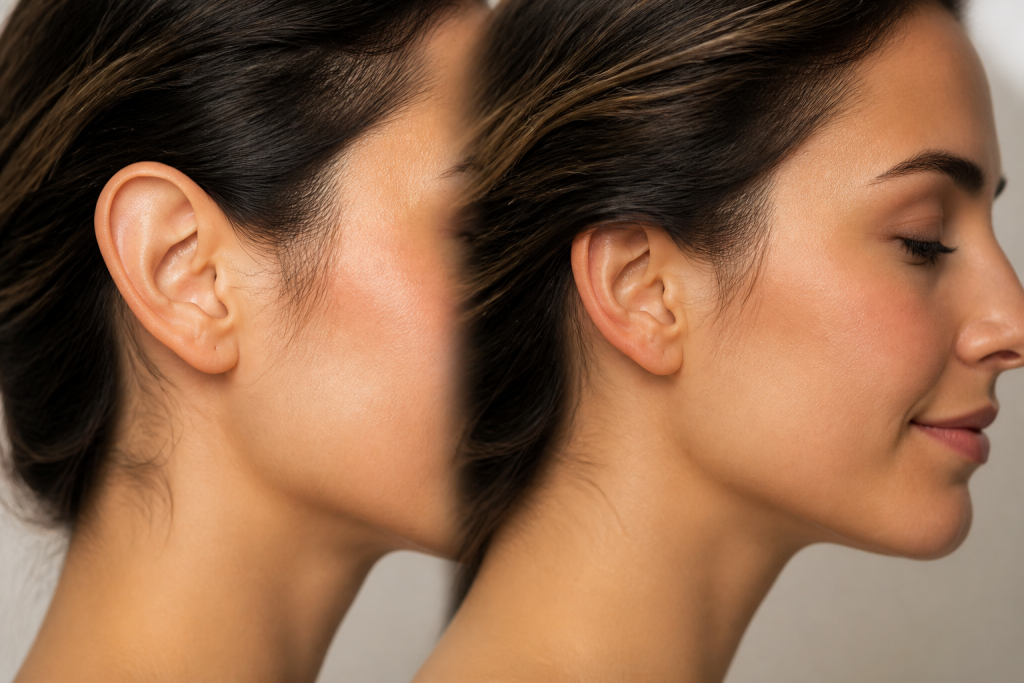
Embarking on a journey to enhance your appearance begins with a clear understanding of the procedure. Ear reshaping surgery is most commonly referred to as otoplasty or ear pinning. This cosmetic procedure aims to improve the shape, position, or proportion of the ear. It can correct a variety of concerns, from overly prominent ears to those misshapen due to injury or congenital conditions.
People choose to undergo ear reshaping for various reasons. Often, it’s to address self-consciousness caused by prominent ears, which can be particularly impactful during childhood and adolescence. The goal is to create a more balanced and harmonious facial appearance, leading to increased self-confidence.
Is ear reshaping a permanent solution for prominent ears? Yes, otoplasty is generally considered a permanent solution. Once the ears are surgically repositioned or reshaped, the results are long-lasting, providing a permanent improvement in ear aesthetics. This permanence is one of the significant ear reshaping considerations for many patients.
Non-Surgical Alternatives to Ear Reshaping
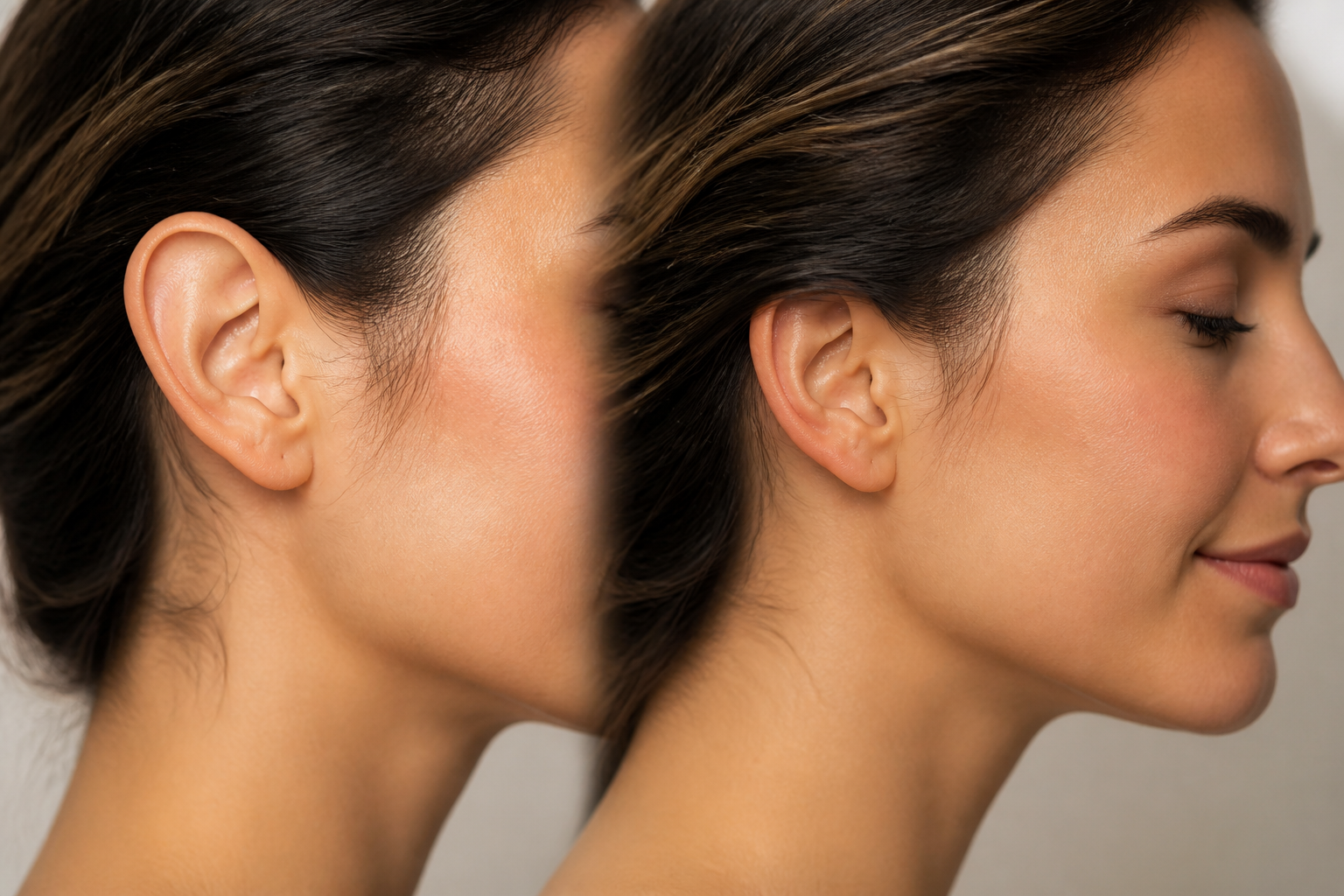
While otoplasty offers permanent results, some individuals explore non-surgical alternatives, especially for infants. Ear molding is a technique used for newborns with certain ear deformities, where a custom-made splint or mold is applied to reshape the ear cartilage while it is still soft and pliable. This method is highly effective if initiated within the first few weeks of life.
For adults, non-surgical options are limited and generally temporary, such as using adhesive tapes to temporarily pin back ears. However, these do not offer a permanent solution for significant structural concerns. Therefore, for lasting correction, surgical ear reshaping considerations remain the most effective path.
The Best Age for Ear Reshaping Surgery
What is the best age for a child to have ear reshaping surgery? Otoplasty is often performed on children, typically after the age of five or six. By this age, the ear cartilage is sufficiently developed, but still pliable enough to be reshaped. Moreover, children are usually more cooperative and can express their feelings about their ears, making them good candidates for the procedure. For adults, there is no upper age limit, provided they are in good general health.
Considering Ear Reshaping? Consult The Face Doctor of Florida
Dr. Shashi Kusuma offers unparalleled expertise in otoplasty, providing personalized care to achieve natural, balanced results. Take the first step towards renewed confidence in Weston, FL.
Question 1: Are You an Ideal Candidate for Ear Reshaping?
Determining if you are a good candidate for ear reshaping procedures is a crucial initial step. This involves a comprehensive evaluation of your physical health, emotional maturity, and realistic expectations. A reputable surgeon will assess your specific ear concerns and discuss the potential outcomes, ensuring your ear reshaping considerations align with what is surgically achievable.
Generally, good candidates for otoplasty include individuals who are bothered by prominent, misshapen, or asymmetrical ears. Children should be at least five years old, with fully developed ears, and capable of following post-operative instructions. Adults considering the procedure should be in good overall health, non-smokers, and have a clear understanding of the surgical process and recovery.
Factors Influencing Candidacy for Ear Reshaping Considerations
Several factors contribute to whether you are an ideal candidate for otoplasty. Your general health is paramount; any underlying medical conditions must be stable. Realistic expectations are also key. While otoplasty can dramatically improve ear aesthetics, it aims for improvement, not perfection. Understanding these ear reshaping considerations is vital for patient satisfaction.
Furthermore, emotional readiness, especially for younger patients, plays a significant role. Children should genuinely desire the surgery and understand what it entails, rather than being pressured by parents. This ensures a positive psychological outcome alongside the physical transformation. These are all important ear reshaping considerations.
Question 2: What Are the Costs and Financial Ear Reshaping Considerations?
Understanding the financial aspect is a significant part of ear reshaping considerations. The cost of ear reshaping surgery can vary significantly based on several factors. These typically include the complexity of the procedure, the surgeon’s fees, anesthesia costs, and facility fees. Geographic location also plays a role, with prices differing between regions and cities.
How much does ear reshaping surgery typically cost? While a precise figure requires a personal consultation, the average cost for otoplasty in the United States can range from $3,000 to $5,000. This estimate usually covers the surgeon’s fee, but additional costs for anesthesia and operating room facilities will apply. It is essential to receive a detailed breakdown of all potential expenses during your consultation.
Breaking Down the Cost of Ear Reshaping
When evaluating ear reshaping considerations related to cost, remember that the lowest price does not always equate to the best value. Investing in an experienced, board-certified plastic surgeon is crucial for safety and optimal results. The surgeon’s expertise, the quality of the surgical facility, and the type of anesthesia used all contribute to the overall fee. Some clinics may offer financing plans to help manage the investment.
It is also important to inquire about any potential hidden costs, such as follow-up appointments or revision surgery if necessary. Most insurance plans do not cover purely cosmetic otoplasty. However, if the surgery is performed to correct a congenital deformity or a deformity resulting from trauma that significantly impairs function, some portion might be covered. Always verify with your insurance provider regarding these ear reshaping considerations.
Question 3: What Are the Risks and Recovery Ear Reshaping Considerations?
Like any surgical procedure, ear reshaping carries potential risks and complications. Being fully aware of these is a critical part of your ear reshaping considerations. Common risks include infection, bleeding, unfavorable scarring, asymmetry, changes in skin sensation, and anesthetic risks. While serious complications are rare, discussing them thoroughly with your surgeon is crucial to make an informed decision.
Understanding the Recovery Period for Ear Reshaping
How long is the recovery period after ear reshaping surgery? The initial recovery period typically involves wearing a head dressing for a few days to protect the ears and aid healing. After the dressing is removed, a lighter headband is usually worn for several weeks, especially at night, to maintain the new ear position and support healing. Most patients can return to light activities and school or work within a week, though strenuous activities should be avoided for at least 4-6 weeks. Full recovery, with complete resolution of swelling, can take several months.
During recovery, it is normal to experience some discomfort, swelling, and bruising. Pain medication can manage any pain. Following your surgeon’s post-operative instructions meticulously is vital for a smooth recovery and optimal results. This includes keeping the surgical site clean and dry, avoiding pressure on the ears, and attending all follow-up appointments. These are important ear reshaping considerations.
Managing Potential Complications and Expectations
While your surgeon will take every precaution, understanding how to manage potential complications is part of comprehensive ear reshaping considerations. Should you notice excessive pain, swelling, fever, or any signs of infection, contact your surgeon immediately. Maintaining realistic expectations about the outcome is also key. The goal of otoplasty is improvement and balance, not absolute symmetry, as no two ears are perfectly identical.
Question 4: How to Choose Your Surgeon and Prepare for Ear Reshaping Consultation?
Selecting the right surgeon is arguably the most important of all ear reshaping considerations. Your surgeon’s experience, qualifications, and aesthetic philosophy will directly impact your results. Where can I find a reputable surgeon for ear reshaping near me? Start by looking for board-certified plastic surgeons with extensive experience in otoplasty. Online directories, professional organizations like the American Society of Plastic Surgeons (ASPS), and patient reviews can be excellent resources.
Preparing for Your Ear Reshaping Consultation
How should I prepare for an ear reshaping consultation? Preparation is key to a productive consultation. Gather your medical history, including any past surgeries, current medications, and allergies. Be ready to discuss your aesthetic goals and what bothers you about your ears. Bringing photos of ears you admire (or dislike) can help communicate your vision to the surgeon. This proactive approach ensures all your ear reshaping considerations are addressed.
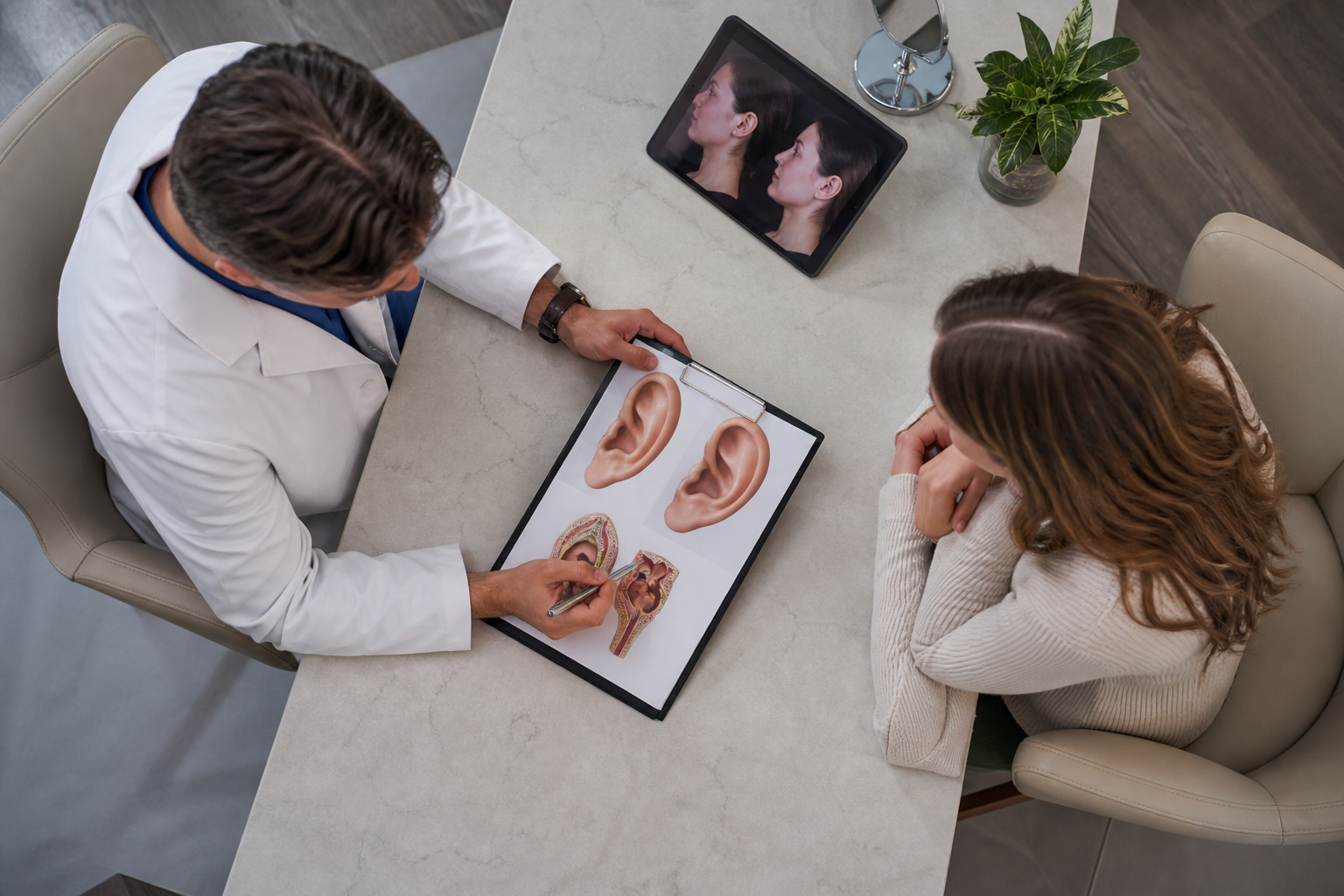
What questions should I ask my surgeon about ear reshaping? This is your opportunity to gain clarity and confidence. Ask about their experience with otoplasty, how many procedures they perform annually, and to see before-and-after photos of their previous patients. Inquire about the specific techniques they use, the type of anesthesia, and where the surgery will be performed. Discuss potential risks, recovery time, and the expected costs in detail. Understanding these ear reshaping considerations will empower you.
Booking Your Ear Reshaping Surgery Consultation
How do I book a consultation for ear reshaping surgery? Most reputable clinics, like The Face Doctor of Florida in Weston, offer initial consultations. You can typically schedule an appointment by calling their office directly or through their website. During this consultation, you will have the opportunity to meet the surgeon, discuss your specific ear reshaping considerations, and receive a personalized treatment plan tailored to your needs and goals. This is a crucial step in your journey toward renewed confidence.
What kind of results can I expect from otoplasty? You can expect ears that are more proportionate and balanced with your other facial features. The goal is a natural-looking improvement, reducing prominence and enhancing overall facial harmony. A skilled surgeon will aim for results that look natural and complement your unique facial structure, leading to increased self-confidence and satisfaction with your ear reshaping considerations.
Final Ear Reshaping Considerations: Your Path to Confidence
Making the decision to undergo otoplasty is a deeply personal one, requiring careful thought and thorough research. By addressing the key ear reshaping considerations—candidacy, cost, risks, and surgeon selection—you equip yourself with the knowledge needed to proceed with confidence. Remember, the journey begins with an informed consultation, where your questions are answered, and your aesthetic goals are understood.
Choosing an experienced, board-certified plastic surgeon, like Dr. Shashi Kusuma at The Face Doctor of Florida, is paramount. Their expertise ensures not only your safety but also the achievement of natural, harmonious results that align with your vision. Embrace the opportunity to transform your appearance and boost your self-esteem by thoughtfully navigating these essential ear reshaping considerations. Your path to renewed confidence and satisfaction with your ear aesthetics awaits.
Frequently Asked Questions About Ear Reshaping Considerations
What is ear reshaping surgery commonly called?
Ear reshaping surgery is most commonly referred to as otoplasty or ear pinning. This procedure is designed to improve the shape, position, or proportion of the ear, often addressing prominent or asymmetrical ears.
How much does ear reshaping surgery typically cost?
The cost of ear reshaping surgery can vary significantly based on the complexity of the procedure, the surgeon’s fees, anesthesia costs, and facility fees. A personal consultation at The Face Doctor of Florida provides a detailed estimate tailored to your specific needs.
Who is a good candidate for ear reshaping procedures?
Good candidates for ear reshaping typically include children (usually after age 5 when ear growth is mostly complete) and adults who are bothered by prominent, misshapen, or asymmetrical ears, are in good health, and have realistic expectations.
What are the risks and complications of ear reshaping surgery?
Like any surgical procedure, ear reshaping carries potential risks such as infection, bleeding, unfavorable scarring, asymmetry, changes in skin sensation, and anesthetic risks. Discussing these ear reshaping considerations thoroughly with your surgeon is crucial.
How long is the recovery period after ear reshaping surgery?
The initial recovery period for ear reshaping typically involves wearing a head dressing for a few days, followed by a lighter headband for several weeks, especially at night. Most patients can return to light activities within a week, with full recovery taking several months.
Is ear reshaping a permanent solution for prominent ears?
Yes, ear reshaping (otoplasty) is generally considered a permanent solution for prominent or misshapen ears. Once the ears are repositioned or reshaped, the results are long-lasting, providing a permanent improvement in ear aesthetics.
What factors should I consider before getting my ears reshaped?
Before getting your ears reshaped, important ear reshaping considerations include your overall health, realistic expectations, the surgeon’s experience, potential risks and recovery time, and the desired aesthetic outcome. A thorough consultation is essential.
What kind of results can I expect from otoplasty?
From otoplasty, you can expect ears that are more proportionate and balanced with your other facial features. The goal is a natural-looking improvement, reducing prominence and enhancing overall facial harmony, leading to increased self-confidence.
Learn more from authoritative resources: Consumer Reports and HGTV.