
Facelift Lifestyle Changes: 7 Ultimate Habits for Amazing Pre-Surgery Prep
Facelift lifestyle changes are not just recommendations; they are fundamental pillars for ensuring a successful surgical outcome and long-lasting rejuvenation. Preparing your body and mind adequately before a facelift procedure is as crucial as the surgery itself. By adopting specific habits, you can significantly enhance your healing process, minimize complications, and optimize the final aesthetic results. This comprehensive guide will walk you through the essential adjustments you need to make, transforming your journey into one of confidence and remarkable transformation.
Embarking on a facelift journey is a significant decision, and understanding the role of your daily habits is paramount. From nutritional choices to stress management techniques, every aspect of your routine can influence your recovery and the longevity of your refreshed appearance. We will delve into the science behind these recommendations, providing actionable insights to help you achieve the best possible outcome. Consider this your definitive resource for mastering the art of pre- and post-facelift wellness.
Key Takeaways
- Understand the critical role of pre-surgery facelift lifestyle changes in optimizing healing and results.
- Discover 7 ultimate habits, including nutrition, hydration, and stress management, for a smoother facelift journey.
- Learn how to prepare your home environment and skincare routine for optimal post-facelift recovery.
- Identify long-term commitments crucial for preserving your facelift results and enhancing longevity.
Understanding Facelift Lifestyle Changes for Optimal Results
The decision to undergo a facelift is an investment in your appearance and self-confidence. To truly maximize this investment, a holistic approach is essential, starting with a deep understanding of how your daily habits impact surgical outcomes. Facelift lifestyle changes encompass a range of adjustments designed to prepare your body for the stress of surgery and support its natural healing mechanisms afterward. These changes are not merely suggestions but vital components of a successful recovery protocol.
Many patients focus solely on the surgical procedure itself, overlooking the profound influence of their pre- and post-operative routines. However, factors like nutrition, hydration, and even emotional well-being play a significant role in reducing complications, minimizing swelling, and promoting faster, more aesthetically pleasing results. By embracing these changes, you actively participate in your own healing, setting the stage for an amazing transformation.
The Importance of Facelift Lifestyle Changes
Why are healthy habits crucial for maintaining facelift results? The answer lies in cellular health and regeneration. A facelift addresses visible signs of aging by tightening underlying muscles and removing excess skin, but the quality of your skin and its ability to heal are directly linked to your overall health. Prioritizing optimal health by quitting smoking and reducing alcohol intake significantly promotes better circulation and healing, directly impacting your recovery timeline and the longevity of your refreshed appearance.
Moreover, a balanced, nutrient-rich diet, adequate hydration, and consistent stress management through techniques like meditation are crucial. These elements work synergistically to bolster your immune system, reduce inflammation, and provide the building blocks for new tissue growth. Your surgeon will provide specific instructions tailored to your health, emphasizing these pivotal facelift lifestyle changes.

Essential Facelift Lifestyle Changes for Pre-Surgery Prep
Preparing for a facelift involves more than just scheduling the procedure; it requires a dedicated commitment to optimizing your health. What lifestyle changes are necessary before a facelift? The weeks leading up to your surgery are a critical window to implement habits that will significantly impact your recovery and the quality of your results. These essential facelift lifestyle changes focus on creating an internal environment conducive to healing and minimizing potential risks.
Your surgeon will provide a detailed pre-operative checklist, but generally, this phase involves rigorous attention to diet, cessation of certain habits, and mental preparation. Adhering to these guidelines is not optional; it is a mandatory step towards a smooth and successful surgical experience. This proactive approach ensures your body is in its prime condition to undergo and recover from the procedure.
Nutritional Facelift Lifestyle Changes
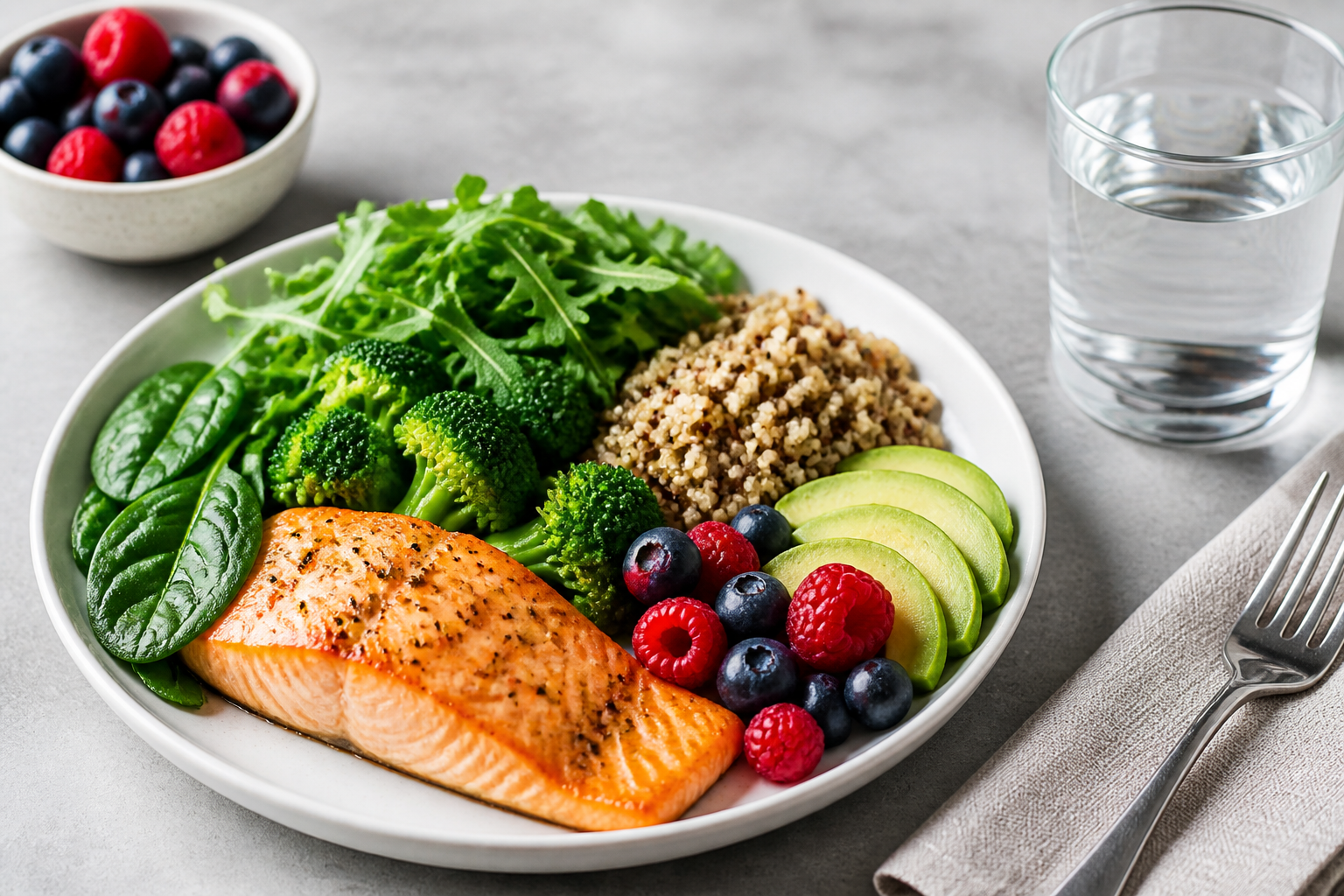
Nutrition is a cornerstone of pre-operative preparation. A diet rich in vitamins, minerals, and lean proteins can significantly boost your body’s healing capabilities. Focus on incorporating plenty of fresh fruits, vegetables, and whole grains. Are there specific supplements recommended to support facelift healing? Your surgeon might suggest vitamin C for collagen production, zinc for immune support, and arnica montana to help reduce bruising and swelling.
Always consult your surgeon before taking any supplements, as some can interfere with anesthesia or blood clotting.
Conversely, certain foods and substances must be avoided. It is generally recommended to cease alcohol consumption at least two weeks before surgery, as it can thin the blood and increase bruising. Smoking cessation is non-negotiable; smoking severely impairs circulation and healing, dramatically increasing complication risks. A comprehensive guide on preparing for a facelift often highlights these dietary and habit-related restrictions.
Stress Management Facelift Lifestyle Changes
The anticipation of surgery can be stressful, but managing this stress is crucial for your overall well-being and recovery. Elevated stress levels can impact your immune system and increase inflammation, both of which are detrimental to healing. What are the best practices for stress management during facelift recovery? Incorporate mindfulness practices such as meditation, deep breathing exercises, or gentle yoga into your daily routine.
Ensuring adequate sleep is another vital component of stress reduction and physical preparation. Aim for 7-9 hours of quality sleep per night. Consider engaging in calming activities like reading or listening to soothing music. These proactive facelift lifestyle changes will help you approach your surgery with a calm and positive mindset, fostering a more relaxed recovery period.
Post-Surgery Facelift Lifestyle Changes for Optimal Healing
The period immediately following your facelift is crucial for proper healing and achieving the desired aesthetic outcome. How long does it take to recover from a facelift with proper lifestyle adjustments? While initial recovery typically takes 2-4 weeks, proper lifestyle adjustments can significantly enhance and expedite the healing process. Adhering to post-operative care, maintaining a healthy diet, and gradually reintroducing activity are key.
Your surgeon will provide specific instructions regarding wound care, medication, and activity restrictions. Following these guidelines meticulously is paramount to prevent complications and ensure a smooth recovery. These post-operative facelift lifestyle changes are designed to support your body’s natural restorative processes.
Preparing Your Home Environment for Optimal Recovery
How can I prepare my home environment for optimal facelift recovery? Create a comfortable and accessible recovery space before your surgery. Stock your pantry with easy-to-prepare, nutritious meals. Arrange your living area with pillows to keep your head elevated, which helps reduce swelling. Ensure all necessary medications, wound care supplies, and entertainment (books, movies) are within easy reach. Having a designated caregiver for the first few days can also be invaluable.
What foods should I avoid after a facelift to promote healing? After a facelift, it is generally recommended to avoid highly processed foods, excessive sugar, high-sodium items, and inflammatory foods like red meat and fried foods. These can hinder healing and increase swelling. Focus instead on anti-inflammatory foods such as lean proteins, fruits, vegetables, and whole grains. Hydration remains critical, so drink plenty of water.
Exercise and Activity Adjustments
Can exercise impact the healing process after a facelift? Yes, exercise significantly impacts healing. Strenuous activities and heavy lifting must be strictly avoided in the initial weeks post-facelift to prevent increased swelling, bruising, and potential complications. Gentle walking is often encouraged after a few days, but gradually reintroduce more intense exercise only after explicit approval from your surgeon. Rushing back into physical activity can compromise your results and prolong recovery.
For comprehensive post-facelift lifestyle guidance, Dr. Shashi Kusuma at The Face Doctor of Florida offers personalized support. You can schedule a consultation to create a personalized lifestyle plan for your facelift, ensuring every aspect of your preparation and recovery is expertly managed. Visit The Face Doctor of Florida for reliable resources on facelift recovery and lifestyle modifications.
Ready to Master Your Facelift Lifestyle Changes with Dr. Kusuma?
Dr. Shashi Kusuma at The Face Doctor of Florida offers personalized guidance to ensure your facelift journey, from preparation to recovery, is smooth and successful. Achieve amazing, natural-looking results with expert support.
Long-Term Facelift Lifestyle Changes for Lasting Results
Achieving a youthful appearance through a facelift is a significant milestone, but maintaining those results requires ongoing commitment. What are the long-term lifestyle commitments after a facelift to preserve results? These enduring facelift lifestyle changes are about protecting your investment and continuing to support your skin’s health and vitality. It’s a journey, not a destination, and consistent effort will yield the most satisfying long-term outcomes.
Which lifestyle factors most significantly influence facelift longevity? Smoking is arguably the most detrimental factor, severely impacting skin health and healing. Other significant factors include excessive sun exposure, drastic weight fluctuations, chronic stress, poor nutrition, and lack of consistent skincare. Addressing these factors can profoundly extend the refreshed appearance achieved by surgery.
Maintaining a Healthy Skincare Routine
What kind of daily skincare routine is best after a facelift? A gentle, hydrating, and protective skincare routine is essential after a facelift. This typically includes mild cleansers, non-irritating moisturizers, and a broad-spectrum sunscreen (SPF 30+) daily. Your surgeon will recommend specific products and advise on when to reintroduce active ingredients like retinoids. Diligent sun protection is paramount to prevent premature aging and maintain skin quality.
Regular follow-up appointments with your plastic surgeon are also key to preserving and extending your facelift results. These visits allow your surgeon to monitor your progress, address any concerns, and recommend further maintenance treatments if necessary. The cost of a facelift consultation that includes lifestyle planning is often part of the initial assessment, providing a roadmap for your entire journey.
By integrating these comprehensive facelift lifestyle changes into your daily life, you are not only safeguarding your surgical results but also embracing a healthier, more vibrant way of living. This commitment ensures that the confidence and rejuvenation you feel after your facelift continue to shine for years to come.
Your Questions About Facelift Lifestyle Changes, Answered
What lifestyle changes are necessary before a facelift?
Prioritize optimal health by quitting smoking and reducing alcohol intake significantly to promote better circulation and healing. A balanced, nutrient-rich diet, adequate hydration, and consistent stress management through techniques like meditation are also crucial. Your surgeon will provide specific instructions tailored to your health.
How long does it take to recover from a facelift with proper lifestyle adjustments?
While initial recovery typically takes 2-4 weeks, proper lifestyle adjustments can significantly enhance and expedite the healing process. Adhering to post-operative care, maintaining a healthy diet, avoiding strenuous activity, and protecting your skin from sun exposure contribute to a smoother and faster recovery, with final results often visible after several months.
Why are healthy habits crucial for maintaining facelift results?
Healthy habits are vital for preserving your facelift results by supporting skin elasticity, promoting cellular regeneration, and preventing premature aging. A balanced diet, regular exercise (once cleared by your surgeon), sun protection, and a consistent skincare routine all contribute to the longevity and quality of your refreshed appearance.
What foods should I avoid after a facelift to promote healing?
After a facelift, it is generally recommended to avoid highly processed foods, excessive sugar, high-sodium items, and inflammatory foods like red meat and fried foods. These can hinder healing and increase swelling. Focus instead on anti-inflammatory foods such as lean proteins, fruits, vegetables, and whole grains.
Can exercise impact the healing process after a facelift?
Yes, exercise significantly impacts healing. Strenuous activities and heavy lifting must be strictly avoided in the initial weeks post-facelift to prevent increased swelling, bruising, and potential complications. Gentle walking is often encouraged after a few days, but gradually reintroduce more intense exercise only after explicit approval from your surgeon.
What kind of daily skincare routine is best after a facelift?
A gentle, hydrating, and protective skincare routine is essential after a facelift. This typically includes mild cleansers, non-irritating moisturizers, and a broad-spectrum sunscreen (SPF 30+) daily. Your surgeon will recommend specific products and advise on when to reintroduce active ingredients like retinoids.
What are the long-term lifestyle commitments after a facelift to preserve results?
Long-term commitments include diligent sun protection, maintaining a stable weight, avoiding smoking, managing stress effectively, and continuing a healthy diet. Regular follow-up appointments with your plastic surgeon and a consistent, medical-grade skincare regimen are also key to preserving and extending your facelift results.
Which lifestyle factors most significantly influence facelift longevity?
Smoking is arguably the most detrimental factor, severely impacting skin health and healing. Other significant factors include excessive sun exposure, drastic weight fluctuations, chronic stress, poor nutrition, and lack of consistent skincare. Addressing these facelift lifestyle changes can profoundly extend the refreshed appearance achieved by surgery.
Conclusion
Embarking on a facelift journey is a transformative experience, and the success of your procedure is profoundly influenced by the facelift lifestyle changes you embrace. From meticulous pre-operative preparation to diligent post-surgical care and long-term maintenance, every habit plays a crucial role. By prioritizing optimal nutrition, managing stress, avoiding detrimental substances, and committing to a consistent skincare routine, you actively contribute to a smoother recovery and the longevity of your stunning results.
Remember, a facelift is an investment in your well-being and appearance. By integrating these 7 ultimate habits, you empower yourself to achieve not just an amazing aesthetic outcome, but also a healthier, more vibrant lifestyle. Consult with an expert like Dr. Shashi Kusuma at The Face Doctor of Florida to create a personalized plan that ensures your journey to rejuvenation is successful and enduring.