
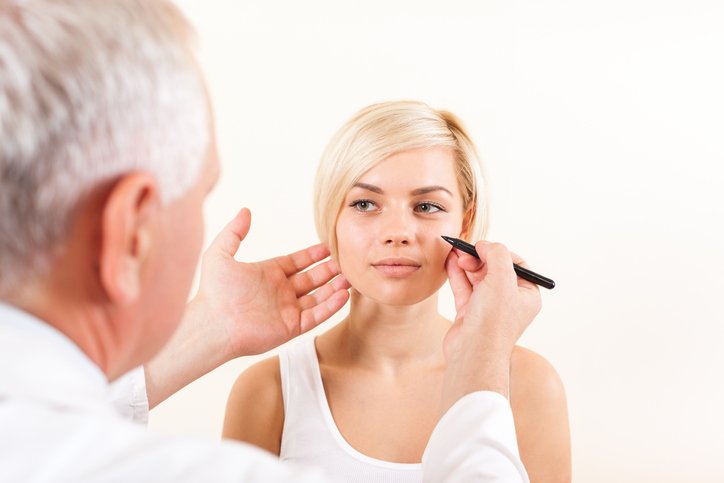
If you’re researching facelifts, you’ve probably seen dramatic transformations—and you may also have a fear: “I don’t want to look pulled.” That concern is valid. The goal of a well-planned facelift is not to change who you are. It’s to restore harmony: a softer jawline, a refreshed neck, and a more rested appearance—without looking tight, “overdone,” or unnatural.
So what is the best facelift technique for a natural result?
Here’s the honest answer: the best technique depends on your facial anatomy, how you’re aging, and what you want to improve. Natural results don’t come from one trendy method. They come from choosing the right approach for your structure—then lifting the deeper support layers of the face (not just pulling the skin).
What “Natural” Really Means in a Facelift
A natural facelift result usually looks like:
- Your jawline and neck look smoother and cleaner
- Your cheeks look gently supported—not “puffy” or overstretched
- You still look like you (just more rested)
- Your face moves naturally when you talk and smile
- People notice you look refreshed, but they can’t pinpoint why
A facelift should not look like a mask. It should look like a rewind.
Why Some Facelifts Look “Pulled”
The “pulled” look typically happens when the skin is tightened too much without repositioning the deeper layers. Skin-only tightening can create visible tension near the mouth, hairline, and ears. In modern facelift planning, the focus is on lifting support structures beneath the skin so the skin can redrape smoothly—without strain.
Natural results are strongly linked to:
- Deeper-layer support (SMAS or deep plane)
- Balanced neck rejuvenation
- Restoring volume when needed (fat grafting)
- Scar placement and gentle skin redraping
The Techniques Most Associated With Natural-Looking Facelifts
1) SMAS Facelift (Support-Layer Lift)
The SMAS is a supportive layer beneath the skin that helps define the cheeks and jawline. A SMAS facelift lifts and repositions this layer to restore shape and reduce jowls, while keeping skin tension minimal.
Why it looks natural:
Because the structure is lifted from within, the skin isn’t forced into an unnatural tightness.
Often best for:
- Jowls and midface laxity
- Early to moderate facial sagging
- Patients who want refined, classic rejuvenation
2) Deep Plane Facelift (Release + Reposition)
A deep plane facelift works under key facial structures to release retaining ligaments and reposition tissue more comprehensively. When done well, it can create a very “effortless” improvement—especially in the midface and jawline.
Why it can look especially natural:
It repositions deeper tissue in a way that can reduce tension on the skin and soften deep folds without aggressively pulling.
Often best for:
- More advanced sagging
- Prominent folds and heavier midface descent
- Patients seeking a more powerful, yet still natural correction
3) Neck Rejuvenation (The Secret to a Natural Result)
Many people focus on the face and forget the neck—but your neck can “give away” a facelift if it isn’t addressed properly. Neck rejuvenation may include tightening the platysma muscle, refining neck contour, and restoring the angle beneath the jaw.
Why it matters:
A refreshed jawline looks most believable when the neck matches.
Often best for:
- Loose neck skin
- Banding in the neck
- Fullness under the chin
- People who say: “My neck is my biggest concern.”
4) Fat Grafting (Natural Softness and Balance)
Not every aging concern is about sagging. A common reason people look older is volume loss—especially in the cheeks, temples, under-eye region, and around the mouth. A facelift lifts, but it does not automatically restore missing volume. That’s where fat grafting can help.
Why it looks natural:
When done conservatively, it restores soft, youthful contours—without the “overfilled” look.
Often best for:
- Hollow cheeks or temples
- “Tired” appearance despite lifting
- Patients who want a softer, more youthful glow
So… What Is the Best Facelift Technique for a Natural Result?
The best technique is the one that matches:
- Where your face is sagging (jawline vs midface vs neck)
- Your skin quality and elasticity
- Your facial structure and ligament strength
- Whether you have volume loss (hollowing)
- Your scar preferences and hairline concerns
- Your personal goals (subtle refresh vs more significant rejuvenation)
In many cases, the most natural-looking outcome isn’t one technique—it’s a customized combination, such as:
- SMAS facelift + neck rejuvenation
- Deep plane facelift + neck rejuvenation
- Facelift + fat grafting for balanced volume
- Neck-focused lift + targeted facial lift for patients whose “aging story” is mostly below the jawline
Quick Guide: “Which Facelift Is Best for Me?”
This isn’t a diagnosis—just a helpful starting point.
If you’re in your 40s (early signs):
You may notice early jowls or mild laxity. A supportive-lift approach (often SMAS-based) with neck refinement can create a very natural refresh.
If you’re in your 50s–60s (more visible sagging):
You may benefit from deeper support (SMAS or deep plane), plus neck rejuvenation for a smooth, believable result.
If the neck bothers you most:
A neck-focused approach may be essential. Many “natural results” are really neck-driven.
If you look “deflated” or tired:
Volume restoration (fat grafting) may be the missing piece to avoid a tight-but-hollow look.
How to Choose a Surgeon for Natural Results
A natural facelift is not about chasing a buzzword technique. It’s about skill, planning, and consistency. During a consultation, ask:
- “Which layer do you lift, and why is it right for me?”
- “How do you avoid skin tension and a pulled look?”
- “Do I need neck rejuvenation to match the face?”
- “Do I need volume restoration (fat grafting)?”
- “Where will scars be placed?”
- “Can I see before-and-after photos of patients with my same concerns?”
Dr. Kusuma’s Approach to Natural-Looking Facelifts
Dr. Kusuma focuses on facial harmony—lifting deeper support structures, balancing the neck and jawline, and restoring gentle volume when appropriate. The goal is never to “tighten” you into a new face. The goal is to help you look like yourself again—refreshed, rested, and natural.
If you’re wondering which approach fits your features and goals, the best next step is a personalized consultation where your anatomy, neck contour, and volume needs can be assessed together.
Trusted External Resource
When researching a facelift technique for a natural result, it’s helpful to compare reliable, physician-reviewed education. This external resource explains facelift basics, candidacy, and recovery expectations.
External reference (DoFollow):
American Society of Plastic Surgeons (ASPS) — Facelift Overview
Use this as a baseline, then discuss which technique is best for your anatomy and goals during a consultation.
Get a Natural-Looking Facelift Plan
The right facelift technique for a natural result is the one tailored to your facial structure, skin quality, and goals. For a clear recommendation and a personalized plan, schedule a private consultation and learn which approach can restore definition while preserving your natural expression.
Facelift Technique for a Natural Result — FAQs
Answers to common questions about choosing the right facelift technique for a natural result.