Facial Mohs Repair: 5 Critical Secrets for Seamless Skin Restoration
Facial Mohs Repair is a specialized and critical step following Mohs micrographic surgery, designed to restore both the aesthetic appearance and functional integrity of the face after skin cancer removal. The reflection you see should be a source of confidence, not a reminder of a medical procedure. For those who have undergone Mohs surgery on the face, the subsequent reconstructive phase is paramount to achieving a seamless outcome.
This comprehensive guide delves into the intricate world of Facial Mohs Repair. We will explore the science behind meticulous skin restoration, detail what to expect during your journey, and unveil 5 critical secrets that are key to minimizing scarring and ensuring a beautifully natural result. Consider this your essential resource to understanding how expert reconstructive surgery can lead to ultimate facial harmony and renewed self-assurance.
Key Takeaways for Facial Mohs Repair
- Understand the critical role of specialized reconstructive surgery in achieving seamless skin restoration after Mohs surgery.
- Learn the 5 essential secrets that contribute to optimal aesthetic and functional outcomes in Facial Mohs Repair.
- Discover how choosing a highly experienced surgeon is paramount for successful Facial Mohs Repair, minimizing visible scarring.
- Gain insight into the advanced techniques and meticulous planning involved in effective Facial Mohs Repair procedures.
- Prepare for your recovery journey with practical tips for post-operative care, crucial for the best results in Facial Mohs Repair.
Understanding Facial Mohs Repair: What It Is and Why It Is Critical
Facial Mohs Repair surgery is a highly specialized reconstructive procedure performed immediately after Mohs micrographic surgery. Mohs surgery is renowned for its precision in removing skin cancer while preserving as much healthy tissue as possible, especially vital on the face. However, this process often leaves a defect that requires expert closure.
The primary goal of Facial Mohs Repair is to meticulously close the surgical wound, restoring both the face’s natural contours and its critical functions, such as eyelid movement, nasal breathing, or lip mobility. This intricate process goes beyond simple wound closure; it is about preserving identity and ensuring the best possible aesthetic outcome.
The face is a complex area, rich in delicate structures and highly visible. Therefore, the reconstructive phase, or Facial Mohs Repair, demands a surgeon with an in-depth understanding of facial anatomy and an artistic eye. This expertise is crucial for minimizing visible scarring and achieving results that blend seamlessly with the surrounding skin.
Why Specialized Facial Reconstruction is Important After Mohs Surgery
Specialized facial reconstruction is paramount because the face is central to communication, expression, and self-perception. A defect, even a small one, can significantly impact a person’s quality of life. Expert Facial Mohs Repair aims to restore not just skin, but confidence.
The intricate nature of facial tissues, varying in thickness, color, and texture across different regions, necessitates a tailored approach. A skilled surgeon considers these nuances to select the most appropriate reconstructive technique, ensuring the repaired area integrates harmoniously with the rest of the face. This attention to detail is a hallmark of successful Facial Mohs Repair.
Without specialized repair, the risk of noticeable scarring, asymmetry, or functional impairment increases significantly. This underscores why choosing a surgeon with extensive experience in Facial Mohs Repair is not just an option, but a necessity for optimal results.
Considering Facial Mohs Repair?
If you’re exploring options for skin restoration after Mohs surgery on your face, our expert team is here to guide you. Discover our specialized approach to Facial Mohs Repair and achieve seamless results.
The 5 Critical Secrets for Seamless Facial Mohs Repair
Achieving truly seamless skin restoration after Mohs surgery on the face involves more than just closing a wound. It requires a strategic, multi-faceted approach. Here are 5 critical secrets that underpin successful Facial Mohs Repair, ensuring the best possible aesthetic and functional outcomes.
Secret 1: Choosing the Right Facial Mohs Repair Surgeon
The expertise of your surgeon is arguably the most crucial factor in Facial Mohs Repair. Look for a board-certified facial plastic surgeon, oculoplastic surgeon, or dermatologic surgeon with extensive experience specifically in facial reconstruction. Their specialized training in facial anatomy and aesthetic principles is invaluable.
An experienced surgeon understands how to anticipate the healing process and plan incisions that align with natural skin creases. This foresight is a cornerstone of minimizing visible scars and achieving a natural-looking result after Facial Mohs Repair.
Secret 2: Advanced Reconstructive Techniques in Facial Mohs Repair
There is no one-size-fits-all approach to Facial Mohs Repair. Highly skilled surgeons employ a range of advanced techniques, including direct closure, skin grafts, and local tissue flaps. The choice depends on the defect’s size, location, and depth, as well as the surrounding skin’s laxity.
Local flaps, for instance, involve carefully moving adjacent skin and tissue to cover the defect, often providing the best color and texture match. Mastery of these techniques allows for creative and effective solutions, crucial for complex Facial Mohs Repair cases.
Secret 3: Meticulous Pre-Operative Planning for Facial Mohs Repair
Successful Facial Mohs Repair begins long before the first incision. The surgeon will meticulously assess the defect, considering factors like skin tension lines, facial subunits, and the potential impact on surrounding features. Digital imaging and precise measurements may be used to plan the reconstruction.
This detailed planning ensures that the repair integrates seamlessly, preserving facial symmetry and expression. A thorough consultation allows you to discuss your expectations and understand the proposed plan for your Facial Mohs Repair.
Secret 4: Optimal Post-Operative Care for Facial Mohs Repair
The journey to seamless skin doesn’t end with surgery. Diligent post-operative care is vital for proper healing and scar minimization. This includes keeping the wound clean, applying prescribed ointments, and protecting the area from sun exposure.
Following your surgeon’s specific instructions for wound care, activity restrictions, and follow-up appointments is critical. This commitment to aftercare significantly impacts the final outcome of your Facial Mohs Repair.
Secret 5: Managing Expectations and Scarring After Facial Mohs Repair
While the goal of Facial Mohs Repair is to minimize scarring, some degree of scar is inevitable. Skilled surgeons aim to place incisions in natural skin creases, making scars less noticeable over time. It’s important to have realistic expectations about the healing process.
Scars mature over several months, gradually softening and fading. Your surgeon may recommend scar management techniques, such as silicone sheets or laser treatments, to further improve their appearance. Understanding this timeline is key to appreciating the results of your Facial Mohs Repair.
How Reconstructive Surgery is Performed for Facial Mohs Repair
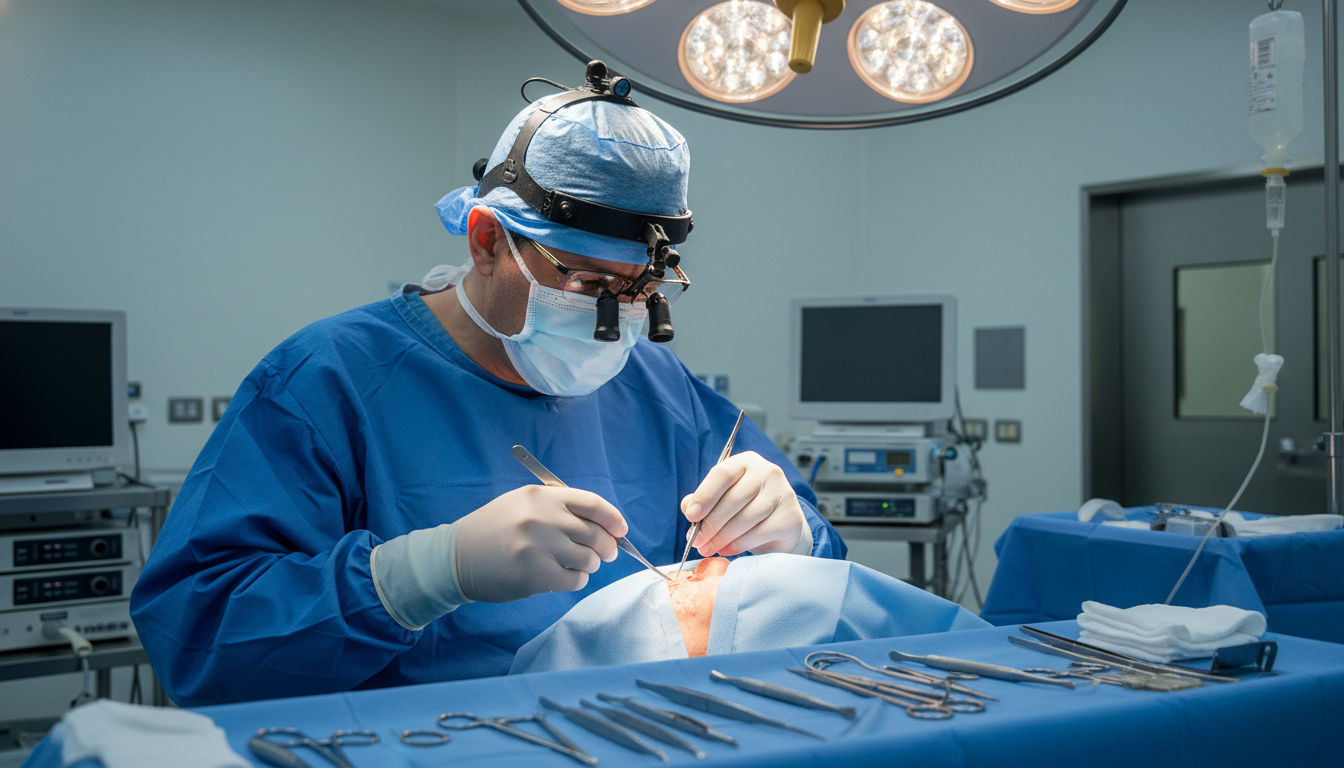
The actual performance of Facial Mohs Repair is a testament to surgical artistry and precision. Once the Mohs surgeon confirms all cancer cells are removed, the reconstructive surgeon steps in to address the remaining defect. The approach is highly individualized, tailored to the unique characteristics of each wound and patient.
Techniques range from simple direct closures to complex multi-stage procedures. The overarching principle is to restore form and function while achieving the best possible cosmetic result. This often involves careful consideration of skin laxity, tissue availability, and the natural lines and contours of the face.
Direct Closure Techniques for Facial Mohs Repair
For smaller or less complex defects, direct closure is often the preferred method. This involves carefully bringing the edges of the wound together and suturing them. The surgeon meticulously aligns the skin edges to minimize tension and ensure the scar blends into natural skin folds.
This technique is particularly effective in areas with sufficient skin laxity, such as the forehead or certain parts of the cheek. The precision of direct closure in Facial Mohs Repair is crucial for a fine, inconspicuous scar.
Skin Grafts and Flaps in Complex Facial Mohs Repair
When direct closure is not feasible due to the size or location of the defect, more advanced techniques like skin grafts or local flaps are employed. A skin graft involves transplanting a thin piece of skin from another part of the body (donor site) to cover the wound.
Local flaps are often favored for Facial Mohs Repair because they use tissue from an adjacent area of the face, which typically provides a better match in terms of color, texture, and thickness. These flaps are carefully designed and rotated to cover the defect while maintaining blood supply, leading to excellent functional and aesthetic outcomes. For more detailed information on reconstructive techniques, the American Academy of Dermatology offers insights into Mohs reconstruction.
Navigating the Recovery Process for Facial Mohs Repair
The recovery process after Facial Mohs Repair is a crucial phase that significantly influences the final outcome. While the initial healing period is typically a few weeks, full scar maturation can take several months to a year. Patience and adherence to post-operative instructions are key.
Understanding what to expect during this time can help alleviate anxiety and promote a smoother recovery. Your surgeon will provide detailed guidance tailored to your specific procedure and individual healing capabilities.
Initial Healing and What to Expect After Facial Mohs Repair
Immediately after Facial Mohs Repair, you can expect some swelling, bruising, and mild discomfort around the surgical site. Pain medication can manage any discomfort. Keeping the head elevated and applying cold compresses as directed can help reduce swelling.
Sutures are typically removed within 5 to 14 days, depending on the location and type of repair. During this initial period, it’s essential to keep the wound clean and dry, or moist with specific ointments, as instructed by your surgeon. Avoiding strenuous activities is also critical to prevent complications and support proper healing after Facial Mohs Repair.
Long-Term Scar Maturation and Minimizing Visible Marks from Facial Mohs Repair
Once the initial wound has closed, the scar will begin its maturation process. Initially, scars may appear red and slightly raised. Over the following months, they will gradually flatten, soften, and fade in color. Protecting the scar from sun exposure with sunscreen and hats is vital to prevent hyperpigmentation.
Your surgeon may recommend scar massage, silicone sheeting, or other topical treatments to optimize scar appearance. In some cases, minor revision procedures might be considered after a year if the scar remains more prominent than desired. The goal is always to make the scar from Facial Mohs Repair as inconspicuous as possible.
Financial Considerations for Facial Mohs Repair: Insurance and Costs
Understanding the financial aspects of Facial Mohs Repair is an important part of the treatment journey. While the primary concern is health and aesthetic outcome, knowing about insurance coverage and potential out-of-pocket costs can help you plan effectively.
Most reconstructive surgeries following cancer removal are considered medically necessary, which typically means they are covered by health insurance. However, the specifics can vary widely based on your individual plan and provider.
Does Health Insurance Cover Facial Mohs Repair?
Yes, health insurance typically covers Facial Mohs Repair because it is deemed medically necessary to restore form and function after skin cancer removal. This includes the surgeon’s fees, anesthesia, and facility charges associated with the reconstructive procedure.
It is crucial to contact your insurance provider directly to confirm your coverage details. Inquire about deductibles, co-pays, and any pre-authorization requirements for Facial Mohs Repair. The administrative team at your surgeon’s office can often assist with this process.
Understanding the Cost of Facial Mohs Repair Without Insurance
For individuals without health insurance or those whose plans have high deductibles, the cost of Facial Mohs Repair can be a significant consideration. The total cost varies widely based on the complexity of the defect, the surgical techniques employed, the surgeon’s fees, anesthesia costs, and facility charges.
A simple direct closure might be less expensive than a complex flap reconstruction. During your consultation, your surgeon’s office should provide a detailed estimate of the costs involved, allowing you to make an informed decision about your Facial Mohs Repair.
Choosing the Best Surgeon for Your Facial Mohs Repair
The decision of who performs your Facial Mohs Repair is one of the most critical choices you will make. The outcome of your surgery, both functionally and aesthetically, is heavily dependent on the surgeon’s skill, experience, and artistic sensibility. This is not a procedure to entrust to just any practitioner.
Seeking a specialist with specific expertise in facial reconstruction is paramount. Their understanding of the delicate facial anatomy and the nuances of tissue handling will directly impact your results and satisfaction with your Facial Mohs Repair.
The Importance of Board Certification in Facial Mohs Repair
When selecting a surgeon for Facial Mohs Repair, prioritize board certification in a relevant specialty such as Facial Plastic and Reconstructive Surgery, Oculoplastic Surgery, or Dermatology with extensive reconstructive training. Board certification signifies that a surgeon has met rigorous standards of education, training, and ethical practice.
It assures you that the surgeon possesses the foundational knowledge and skills necessary for complex facial procedures. Furthermore, look for a surgeon who regularly performs Facial Mohs Repair and can demonstrate a portfolio of successful outcomes.
What to Expect During a Consultation for Facial Mohs Repair
A thorough consultation is your opportunity to assess a surgeon’s expertise and approach. During this meeting, the surgeon will evaluate your Mohs defect, review your medical history, and discuss your aesthetic goals. They should explain the various reconstructive options available, along with their potential risks and benefits.
You should feel comfortable asking questions and receiving clear, understandable answers. The surgeon should also provide before-and-after photos of previous Facial Mohs Repair cases to help you visualize potential results. This collaborative discussion is essential for developing a personalized treatment plan.
Further Reading on Facial Mohs Repair
For more in-depth information on the complexities of Facial Mohs Repair, we recommend exploring resources from leading medical institutions. Understanding all facets of your treatment is crucial for the best outcome.
Achieving Your Best Outcome with Facial Mohs Repair
Your journey to restored facial harmony after skin cancer removal is both an art and a science. As we’ve explored, Facial Mohs Repair is uniquely designed to provide not only immediate closure and functional restoration but also to minimize scarring for results that are both beautiful and enduring. This specialized approach offers a distinct advantage, delivering aesthetic and structural integrity that truly rejuvenates your appearance.
It stands as a testament to what is possible when advanced surgical science is guided by an expert, artistic touch—one that honors your unique facial anatomy. The 5 critical secrets discussed herein emphasize the importance of surgeon choice, advanced techniques, meticulous planning, diligent aftercare, and realistic expectations for your Facial Mohs Repair.
If you are ready to embrace a more defined and revitalized appearance, your journey begins with a personal conversation. At The Face Doctor of Florida, our dedicated team is committed to creating bespoke treatment plans that yield elegant, natural-looking results, ensuring your outcome is a reflection of you at your very best. Schedule your personal Facial Mohs Repair consultation today. Your journey toward renewed confidence awaits.
Frequently Asked Questions About Facial Mohs Repair
What is facial Mohs repair surgery?
How is reconstructive surgery performed after Mohs on the face?
Who typically performs facial Mohs repair?
What are the potential risks and complications of facial Mohs repair?
How long is the recovery process for facial Mohs repair?
What kind of scarring can I expect after facial Mohs repair?
Why is specialized facial reconstruction important after Mohs surgery?
How effective is facial Mohs repair in minimizing visible scars?
Can I book a consultation for facial Mohs repair near me?
Achieve Flawless Facial Mohs Repair with The Face Doctor of Florida
Our board-certified surgeon, Dr. Shashi Kusuma, specializes in meticulous reconstructive surgery, ensuring seamless skin restoration after Mohs removal.
What is facial Mohs repair surgery?
Facial Mohs repair surgery is a specialized reconstructive procedure performed after Mohs micrographic surgery for skin cancer removal. Its primary goal is to meticulously close the surgical wound on the face, restoring both function and aesthetic appearance with minimal scarring.
How is reconstructive surgery performed after Mohs on the face?
Reconstructive surgery after Mohs on the face involves various techniques depending on the size, depth, and location of the defect. This may include direct closure, skin grafts (taking skin from another part of the body), or local flaps (rearranging nearby skin and tissue). The surgeon carefully plans the repair to align with natural skin lines and minimize visible marks.
Who typically performs facial Mohs repair?
Facial Mohs repair is typically performed by highly specialized surgeons, such as board-certified facial plastic surgeons, oculoplastic surgeons, or dermatologic surgeons with extensive reconstructive expertise. These specialists possess the intricate knowledge of facial anatomy and aesthetic principles necessary for optimal outcomes.
What are the potential risks and complications of facial Mohs repair?
Potential risks of facial Mohs repair include infection, bleeding, delayed healing, adverse scarring (e.g., hypertrophic or keloid scars), numbness or nerve damage, asymmetry, and a need for revision surgery. Your surgeon will discuss these thoroughly during your consultation.
How long is the recovery process for facial Mohs repair?
The initial recovery process for facial Mohs repair usually involves 1-2 weeks of noticeable swelling, bruising, and discomfort, after which sutures are typically removed. Full healing and scar maturation can take several months to a year, during which time the scar will gradually soften and fade.
What kind of scarring can I expect after facial Mohs repair?
While the goal of facial Mohs repair is to minimize scarring, some degree of scar is inevitable. Skilled surgeons aim to place incisions in natural skin creases, making scars less noticeable. Over time, these scars typically fade and flatten, often becoming difficult to detect with the naked eye.
Why is specialized facial reconstruction important after Mohs surgery?
Specialized facial reconstruction is crucial after Mohs surgery because the face is highly visible and functionally complex. Expert repair preserves facial expressions, protects vital structures like the eyes and nose, and ensures the best possible cosmetic outcome, which significantly impacts a patient’s self-esteem.
Where can I find a qualified facial Mohs repair surgeon?
To find a qualified facial Mohs repair surgeon, seek board-certified specialists in plastic surgery, facial plastic surgery, or dermatologic surgery with fellowship training in reconstruction. Online directories from professional organizations and referrals from your Mohs surgeon are excellent resources.
How much does facial Mohs repair cost without insurance?
The cost of facial Mohs repair without insurance varies widely based on the complexity of the defect, the surgical techniques used, the surgeon’s fees, anesthesia, and facility charges. It can range from a few thousand dollars to tens of thousands. A detailed quote should be obtained during your consultation.
Does health insurance cover facial Mohs reconstructive surgery?
Yes, health insurance typically covers facial Mohs reconstructive surgery as it is considered medically necessary to restore form and function after cancer removal. However, coverage details, deductibles, and co-pays vary by plan, so it’s essential to confirm with your insurance provider.
How do I choose the best surgeon for facial Mohs repair?
Choosing the best surgeon for facial Mohs repair involves researching their board certifications, reviewing before-and-after photos, reading patient testimonials, and ensuring they have extensive experience specifically with facial reconstruction. A personal consultation is key to assessing their approach and your comfort level.
What should I expect during a consultation for facial Mohs repair?
During a consultation for facial Mohs repair, the surgeon will assess your Mohs defect, discuss your medical history, explain various reconstructive options, review potential risks and benefits, show you before-and-after examples, and provide a personalized treatment plan and cost estimate. This is also your opportunity to ask questions.
What are the best post-operative care instructions for facial Mohs repair?
Best post-operative care for facial Mohs repair includes keeping the wound clean and moist as instructed, avoiding strenuous activity, protecting the site from sun exposure, taking prescribed medications for pain or infection, and attending all follow-up appointments. Detailed instructions will be provided by your surgical team.
How effective is facial Mohs repair in minimizing visible scars?
Facial Mohs repair, when performed by an experienced specialist, is highly effective in minimizing visible scars. While complete invisibility is not possible, expert techniques aim to blend scars into natural skin lines, making them subtle and less noticeable over time.
Can I book a consultation for facial Mohs repair near me?
Yes, you can book a consultation for facial Mohs repair near you. Many practices, like The Face Doctor of Florida, offer consultations to discuss your specific needs and determine the best reconstructive approach for your unique situation.