Fat Grafting Donor Sites: 5 Powerful Secrets for Optimal Volume Harvest
Understanding the best Fat Grafting Donor Sites is crucial for anyone considering fat transfer to restore youthful volume or enhance contours. The success of this delicate procedure hinges significantly on where the fat is harvested and the quality of those fat cells. For patients in Weston, FL, seeking natural, lasting facial rejuvenation, expert donor site selection is paramount. At The Face Doctor of Florida, Dr.
Shashi Kusuma combines surgical precision with artistic vision to meticulously identify prime locations, ensuring optimal volume harvest and refined results. This article will reveal 5 powerful secrets behind selecting and utilizing these donor sites effectively.
Key Takeaways
- Discover the premier body areas that yield the highest quality fat cells for successful and lasting fat grafting.
- Understand Dr. Kusuma’s meticulous techniques for harvesting fat while preserving cell integrity and ensuring patient comfort.
- Learn why the specific characteristics of fat from different donor sites directly impact the longevity and natural appearance of your results.
- Gain insight into managing expectations regarding donor site changes, minimal scarring, and the recovery process.
- Explore advanced strategies employed by The Face Doctor of Florida to mitigate risks and maximize the viable fat yield for superior outcomes.
What Are the Premier Fat Grafting Donor Sites for Optimal Volume?
The foundation of successful fat grafting lies in selecting the most suitable donor areas. These are typically regions of the body where fat is abundant and resilient, containing a high concentration of viable fat cells that can thrive after transfer. Common and ideal Fat Grafting Donor Sites include the abdomen, flanks (love handles), and inner or outer thighs. These areas are often chosen not only for their fat quantity but also for the quality of the fat cells, which are crucial for successful integration and lasting results.
During a personalized consultation at The Face Doctor of Florida, Dr. Kusuma meticulously assesses these potential donor areas. His goal is to identify zones that offer both sufficient fat for your facial rejuvenation needs and the best possible fat cell viability. This careful evaluation ensures that while we achieve optimal fat quality for transfer, we also maintain a smooth, aesthetically pleasing contour at the donor site itself. Patients in Weston and across South Florida appreciate this dual focus on results and harmony.
How Does Dr. Kusuma Ensure Precise Fat Harvesting for Facial Rejuvenation?
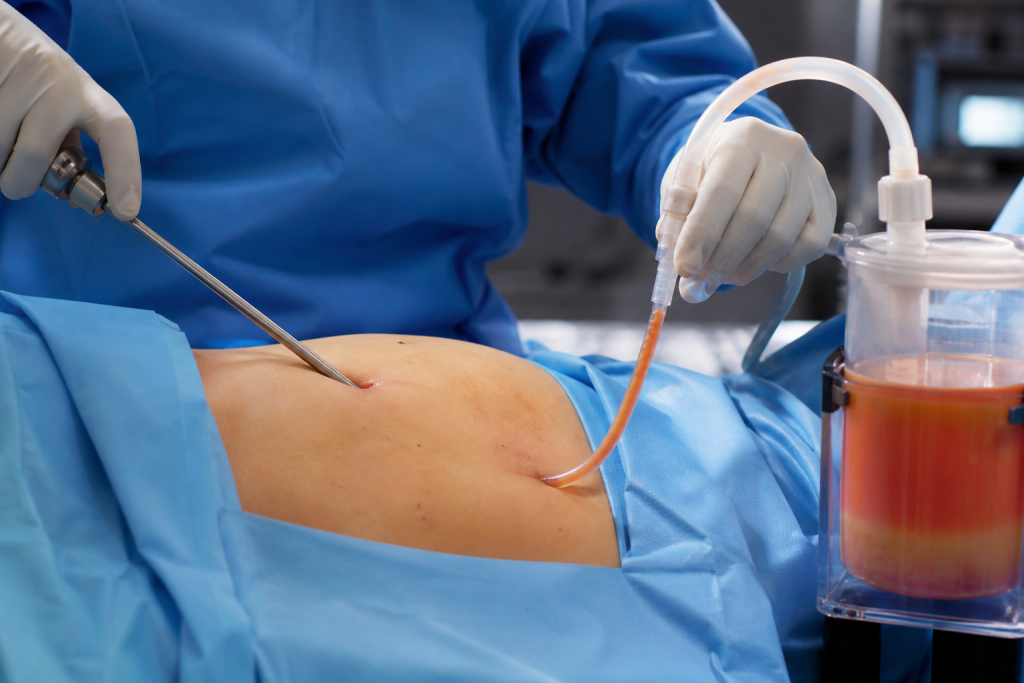
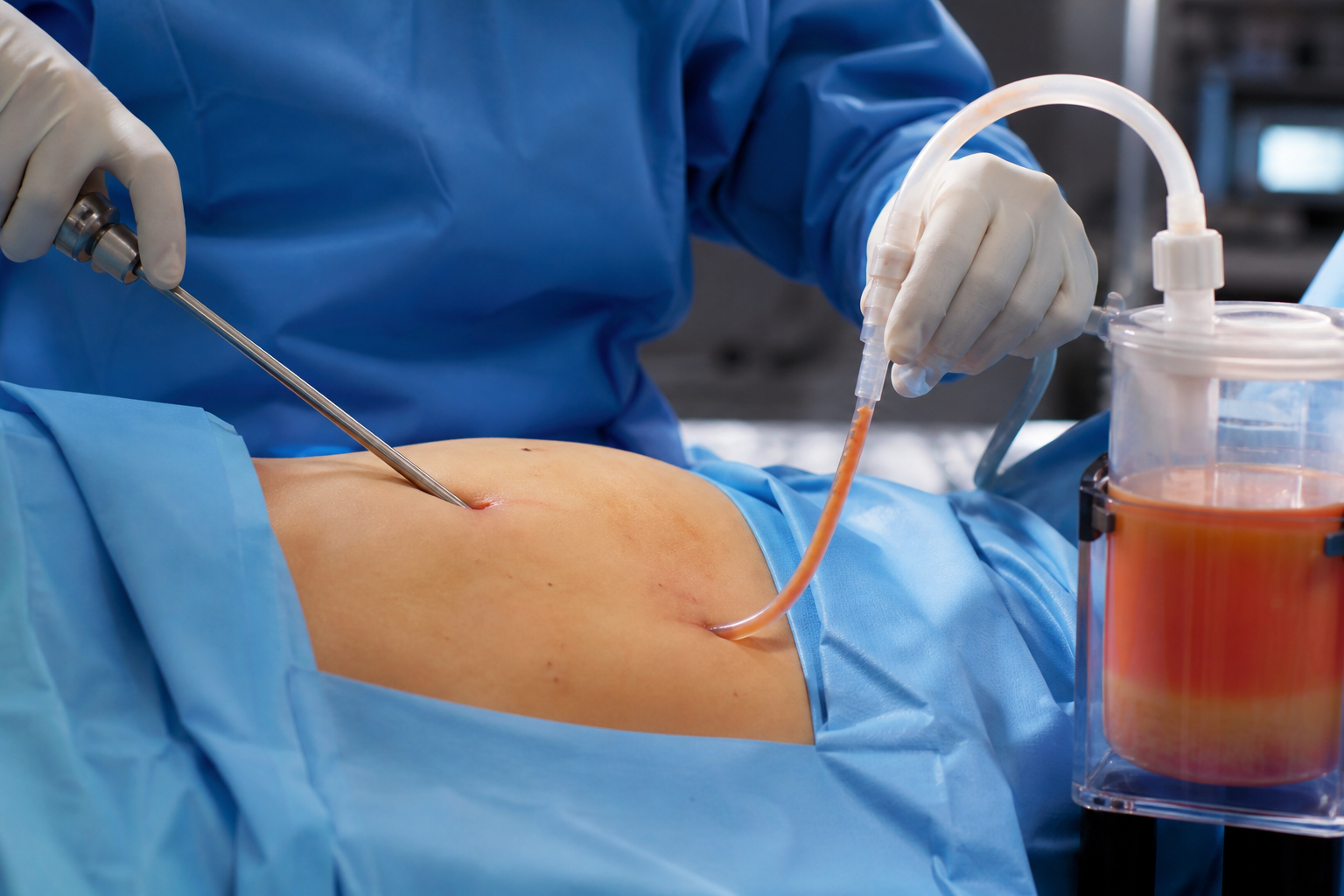
Precise fat harvesting is a critical step that directly impacts the survival rate of the transferred fat cells. The process begins with the careful administration of local anesthesia to ensure your comfort. Following this, Dr. Kusuma employs specialized, gentle liposuction techniques designed to minimize trauma to the fat cells. This meticulous approach is vital because damaged fat cells are less likely to survive the transfer, compromising the longevity and quality of your results.
Dr. Kusuma’s specialized approach at The Face Doctor of Florida highlights his surgical precision and artistic vision. He understands that harvesting for facial rejuvenation requires an even more delicate touch than for body contouring. His techniques ensure that fat is extracted gently, preserving the integrity of each cell. This aligns perfectly with our ‘refreshed, not overdone’ philosophy, ensuring that both the donor site and the treated facial areas achieve natural, balanced outcomes.
Key Steps in the Fat Harvesting Process:
- Donor Site Preparation: The selected area is thoroughly cleansed and sterilized to prevent infection.
- Local Anesthesia: A tumescent solution, containing lidocaine and epinephrine, is infiltrated into the donor site to numb the area and constrict blood vessels, minimizing bleeding and discomfort.
- Gentle Liposuction: Using fine cannulas (thin tubes), fat is carefully aspirated with low-pressure suction. This gentle method is crucial for maintaining fat cell viability.
- Fat Processing: The harvested fat is then purified to separate viable fat cells from blood, oil, and anesthetic fluid, preparing it for re-injection.
Understanding Fat Quality: Why Your Donor Site Matters for Lasting Results
Not all fat is created equal, and the quality of the harvested fat significantly influences the success and longevity of your fat grafting results. Factors such as fat cell density, cellular health, and the concentration of regenerative stem cells can vary between different areas of the body. Fat from certain donor areas, like the abdomen and thighs, is often considered more robust and contains a higher proportion of viable adipocytes and mesenchymal stem cells, which are essential for graft survival and tissue regeneration.
Dr. Kusuma at The Face Doctor of Florida places immense importance on evaluating these unique characteristics during your consultation. He assesses the texture, consistency, and overall health of fat from various potential donor areas. This allows him to select the site that will provide the most resilient and natural-looking volume for his patients in Weston and the broader South Florida region. His expertise ensures that the fat chosen is best suited to integrate effectively and provide enduring rejuvenation, particularly for delicate facial areas.
Considering Fat Grafting in Weston, FL?
Dr. Shashi Kusuma of The Face Doctor of Florida specializes in advanced fat grafting techniques, ensuring natural-looking and refined results tailored to your unique needs.
Managing Expectations: Donor Site Changes, Scarring, and Recovery
Patients often have questions about how the donor site will look and feel after fat harvesting. It is important to understand that while fat is removed, the goal is not to create dramatic changes at the donor site. Instead, Dr. Kusuma aims for mild contouring, resulting in a smoother, more refined appearance in the treated area. Scarring from fat harvesting is typically minimal, as only small incisions (usually 2-3 mm) are required for the cannulas, which are strategically placed in discreet locations.
Recovery from fat harvesting usually involves mild swelling, bruising, and discomfort, which typically subsides within a few days to a week. Patients can generally return to light activities within a few days, with full recovery taking several weeks. Wearing a compression garment on the donor area can help manage swelling and promote optimal healing. The Face Doctor of Florida is committed to patient safety and provides comprehensive post-procedure care. We ensure patients receive clear guidance on recovery and realistic outcomes for their chosen donor sites, supporting a smooth healing process.
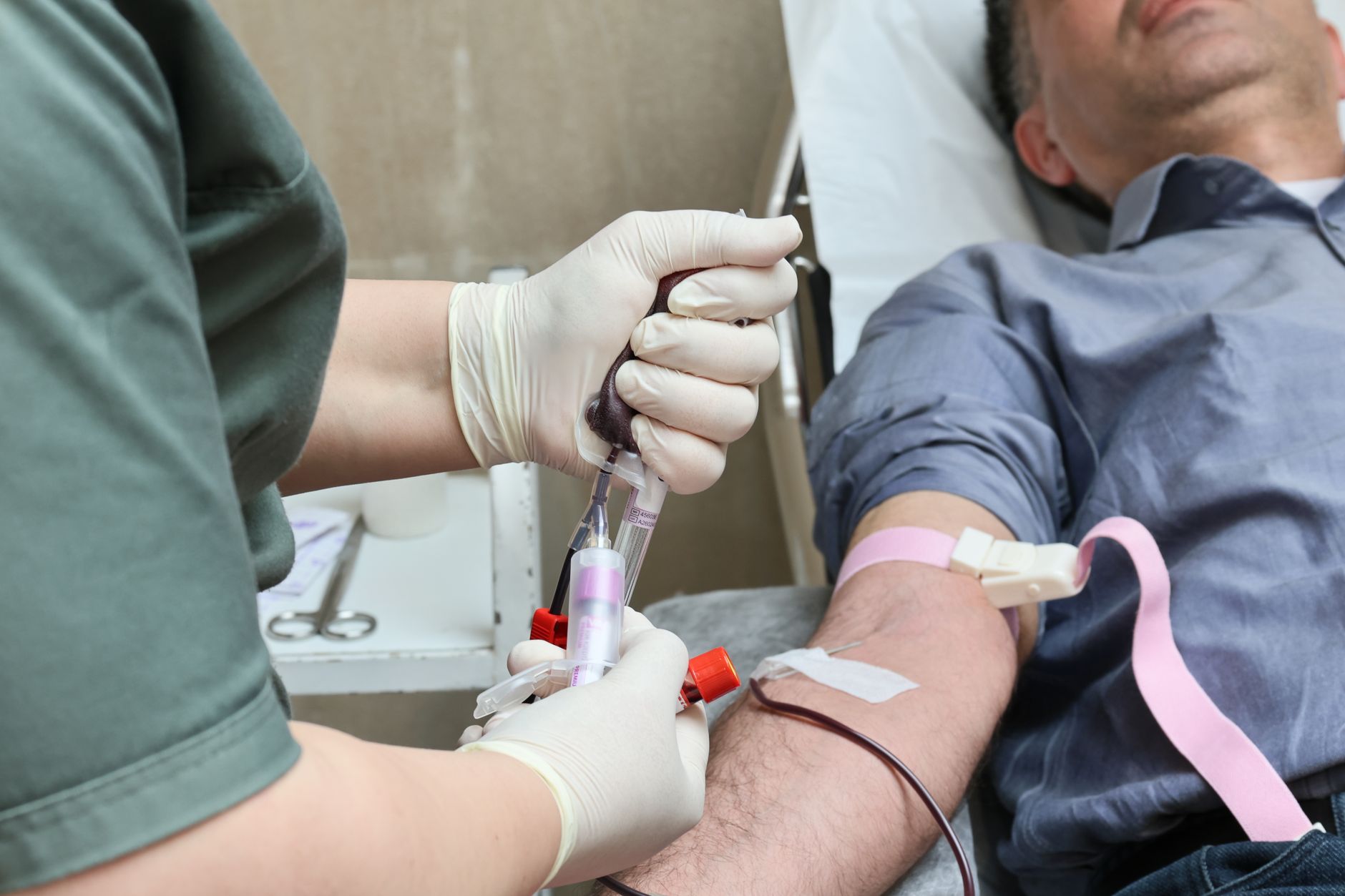
Mitigating Risks and Maximizing Yield from Fat Grafting Donor Sites
Like any surgical procedure, fat harvesting carries potential risks, though serious complications are rare, especially when performed by a board-certified plastic surgeon. These risks can include bruising, swelling, infection, temporary numbness, or minor asymmetry. Strategies to minimize these risks begin with meticulous pre-operative planning, including a thorough review of your medical history and a detailed physical examination. During the procedure, strict sterile techniques are maintained to prevent infection.
Maximizing the amount of viable fat harvested for transfer is also a key objective. This involves using specialized, atraumatic harvesting techniques and careful processing of the fat to preserve cell integrity. Research continues to refine these methods, with studies focusing on optimal harvesting pressures and processing techniques to enhance graft survival. For instance, the American Society of Plastic Surgeons provides extensive resources on best practices in fat grafting procedures. Dr. Kusuma’s expertise in risk assessment and his refined techniques are hallmarks of The Face Doctor of Florida’s practice. He consistently achieves optimal volume harvest while prioritizing patient well-being, ensuring the highest standards of safety and efficacy for every patient.
Key Takeaways
- Selecting the right Fat Grafting Donor Sites, such as the abdomen or thighs, is fundamental for harvesting high-quality, viable fat cells.
- Dr. Shashi Kusuma employs gentle, precise liposuction techniques to protect fat cell integrity during harvesting, crucial for successful facial rejuvenation.
- Fat quality varies by donor site; Dr. Kusuma carefully evaluates these characteristics to ensure resilient and natural-looking results for patients in Weston, FL.
- Patients can expect mild contouring and minimal scarring at donor sites, with clear recovery guidance provided by The Face Doctor of Florida.
- Expert risk mitigation and advanced harvesting techniques are essential to maximize viable fat yield and ensure patient safety, a priority at Dr. Kusuma’s practice.
Your Path to Natural Rejuvenation
Understanding the importance of donor sites is the first step towards achieving natural, lasting facial rejuvenation. The meticulous selection and expert harvesting of fat cells are critical for ensuring optimal results that truly reflect your desired aesthetic. Dr. Shashi Kusuma and The Face Doctor of Florida are dedicated to providing personalized care, combining surgical excellence with an artistic eye to deliver beautifully balanced outcomes.
If you are considering fat grafting to restore youthful volume or enhance your features, we invite you to experience the difference of expert care. Schedule a personalized consultation with Dr. Shashi Kusuma at The Face Doctor of Florida in Weston, FL, to discuss how we can tailor a treatment plan specifically for you.
Your Questions About Fat Harvesting Areas Answered
What are the most common areas used for fat harvesting?
Common Fat Grafting Donor Sites include the abdomen, flanks, inner thighs, and love handles. These areas typically contain resilient fat cells suitable for transfer, often allowing for a smoother body contour at the donor site as well. The Face Doctor of Florida carefully assesses these zones to identify the best source for your specific needs.
Does removing fat for grafting create noticeable changes?
When performed by an experienced surgeon like Dr. Shashi Kusuma, fat removal for grafting is typically subtle. The goal is to harvest fat without creating depressions or irregularities. Most patients find the donor areas appear more sculpted, resembling the results of minor liposuction.
What is the typical recovery time after fat harvesting?
Recovery from fat harvesting usually involves mild swelling, bruising, and discomfort for a few days to a week. Patients can typically return to light activities within a few days, with full recovery taking several weeks. Wearing a compression garment can help manage swelling and promote healing.
Are there specific risks involved with fat harvesting from donor areas?
Like any surgical procedure, fat harvesting carries minor risks such as bruising, swelling, infection, or temporary numbness. Serious complications are rare, especially when performed by a board-certified plastic surgeon. Dr. Kusuma prioritizes patient safety through meticulous technique and comprehensive pre-operative planning.
How much fat can be safely harvested from a single donor site?
The amount of fat harvested depends on the individual’s anatomy and the volume needed for grafting. Surgeons aim to collect enough viable fat while preserving a smooth contour at the donor site. It’s a balance between achieving aesthetic goals and ensuring patient safety and natural-looking results.
Can fat be harvested from the same area more than once?
Yes, in many cases, fat can be harvested from the same donor area multiple times, provided there is still sufficient fat available and the previous site has healed completely. However, the surgeon will always assess the quality and quantity of remaining fat to ensure optimal outcomes.
How does a surgeon determine the best donor site for me?
The best donor site is determined through a personalized consultation, considering factors like your body type, areas with excess fat, skin elasticity, and the specific volume needed for grafting. Dr. Kusuma evaluates fat quality and quantity in various areas to ensure the most effective and aesthetically pleasing results for your fat transfer.
What factors influence the quality of fat from different donor sites?
Fat quality can vary based on the donor site’s location, the patient’s age, and lifestyle factors. Fat from areas like the abdomen and thighs is often considered robust and contains a high concentration of viable fat cells, making it ideal for successful grafting. Genetic predispositions also play a role in fat characteristics.
Your Questions About Fat Grafting Donor Sites Answered
What are the most common areas used for fat harvesting?
Common fat grafting donor sites include the abdomen, flanks, inner thighs, and love handles. These areas typically contain resilient fat cells suitable for transfer, often allowing for a smoother body contour at the donor site as well. The Face Doctor of Florida carefully assesses these zones to identify the best source for your specific needs.
Does removing fat for grafting create noticeable changes?
When performed by an experienced surgeon like Dr. Shashi Kusuma, fat removal for grafting is typically subtle. The goal is to harvest fat without creating depressions or irregularities. Most patients find the donor areas appear more sculpted, resembling the results of minor liposuction.
What is the typical recovery time after fat harvesting?
Recovery from fat harvesting usually involves mild swelling, bruising, and discomfort for a few days to a week. Patients can typically return to light activities within a few days, with full recovery taking several weeks. Wearing a compression garment can help manage swelling and promote healing.
Are there specific risks involved with fat harvesting from donor areas?
Like any surgical procedure, fat harvesting carries minor risks such as bruising, swelling, infection, or temporary numbness. Serious complications are rare, especially when performed by a board-certified plastic surgeon. Dr. Kusuma prioritizes patient safety through meticulous technique and comprehensive pre-operative planning.
How much fat can be safely harvested from a single donor site?
The amount of fat harvested depends on the individual’s anatomy and the volume needed for grafting. Surgeons aim to collect enough viable fat while preserving a smooth contour at the donor site. It’s a balance between achieving aesthetic goals and ensuring patient safety and natural-looking results.
Can fat be harvested from the same area more than once?
Yes, in many cases, fat can be harvested from the same donor area multiple times, provided there is still sufficient fat available and the previous site has healed completely. However, the surgeon will always assess the quality and quantity of remaining fat to ensure optimal outcomes.
How does a surgeon determine the best donor site for me?
The best donor site is determined through a personalized consultation, considering factors like your body type, areas with excess fat, skin elasticity, and the specific volume needed for grafting. Dr. Kusuma evaluates fat quality and quantity in various areas to ensure the most effective and aesthetically pleasing results for your fat transfer.
What factors influence the quality of fat from different donor sites?
Fat quality can vary based on the donor site’s location, the patient’s age, and lifestyle factors. Fat from areas like the abdomen and thighs is often considered robust and contains a high concentration of viable fat cells, making it ideal for successful grafting. Genetic predispositions also play a role in fat characteristics.