
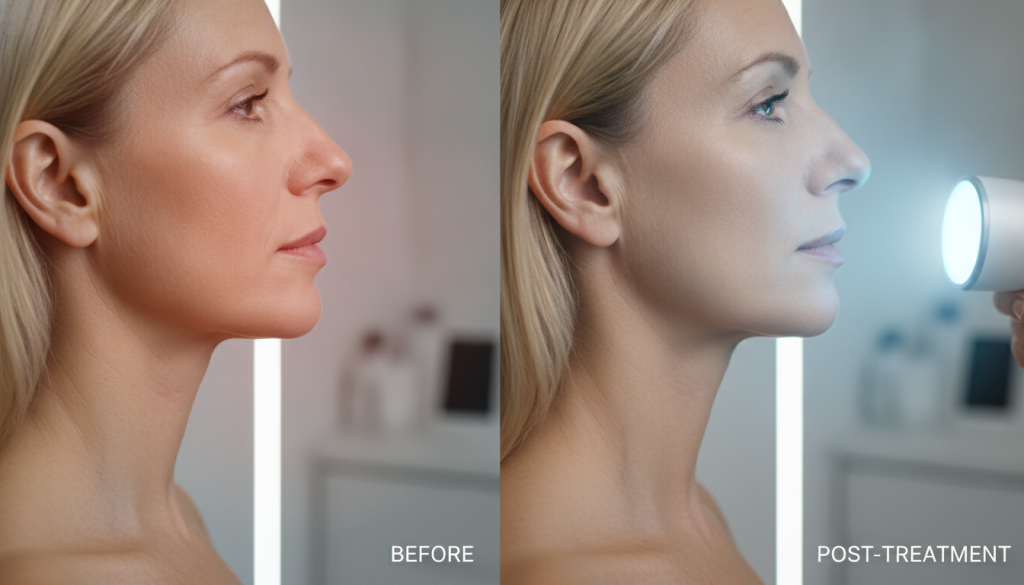
J Plasma vs ThermiTight: 5 Powerful Differences for Firmer Skin
The quest for firmer, more youthful skin is a common desire, especially as the natural aging process leads to a decline in collagen and elastin. When diet, exercise, and topical creams no longer suffice, advanced minimally invasive treatments offer remarkable solutions. Among the most discussed options for significant skin tightening are J Plasma vs ThermiTight, both revered for their ability to rejuvenate the skin without extensive surgery.
Understanding the nuances between these two powerful technologies is essential for making an informed decision about your aesthetic journey. This comprehensive guide will delve into the core mechanisms, benefits, and considerations for each, highlighting their distinct advantages. We aim to equip you with the knowledge needed to choose the treatment that best aligns with your unique goals for a revitalized appearance.
Key Takeaways
- Discover the fundamental differences in how J Plasma (Renuvion) and ThermiTight utilize energy to achieve skin tightening.
- Understand the distinct timelines for results, from J Plasma’s immediate contraction to ThermiTight’s gradual collagen stimulation.
- Identify which procedure, J Plasma vs ThermiTight, is best suited for various levels of skin laxity and specific body areas.
- Learn about the typical recovery experiences and potential side effects associated with both advanced treatments.
- Gain insight into the cost, longevity, and ideal candidate profiles for both J Plasma and ThermiTight.
What is J Plasma vs ThermiTight? Understanding the Basics
When considering advanced skin tightening, patients often encounter two prominent names: J Plasma (also known as Renuvion) and ThermiTight. Both are minimally invasive procedures designed to address mild to moderate skin laxity, but they employ fundamentally different technologies to achieve their impressive results. The primary difference between J Plasma and ThermiTight lies in their energy sources and how they interact with subdermal tissues.
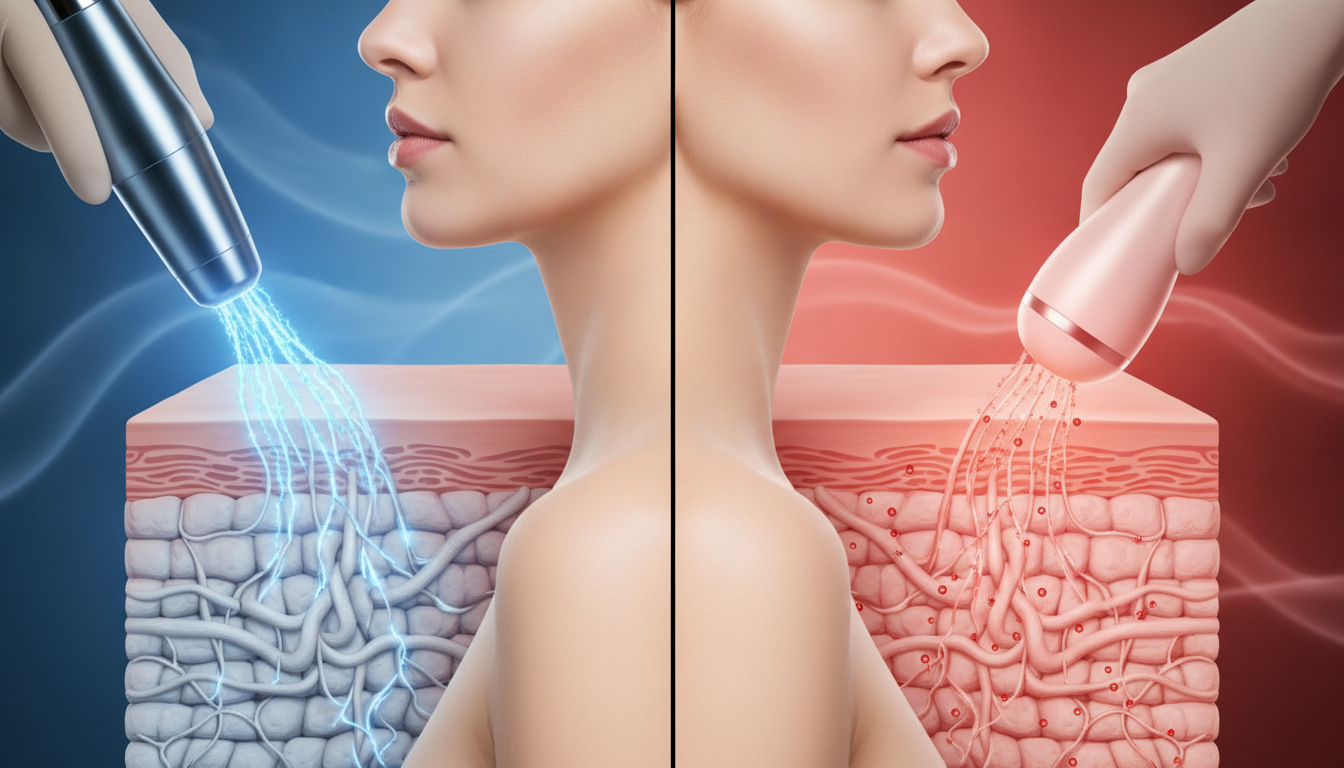
J Plasma utilizes a unique combination of helium gas and radiofrequency (RF) energy to create a cool plasma beam. This innovative approach allows for precise and immediate tissue contraction. ThermiTight, conversely, relies solely on controlled radiofrequency energy delivered subdermally to heat tissues, stimulating collagen production over time.
How J Plasma Works for Skin Tightening
J Plasma works by delivering a stream of cool helium plasma under the skin through a tiny incision. This plasma is generated by exciting helium gas with radiofrequency energy, creating a precise beam that instantly contracts the subdermal tissues. The controlled energy causes the skin’s foundational layers to immediately shrink, resulting in noticeable tightening and improved contour. This instant contraction is a hallmark of J Plasma’s effectiveness.
The cool plasma energy is highly precise, allowing surgeons to target specific areas of laxity with minimal thermal damage to surrounding tissues. This precision contributes to a safer profile and often a quicker recovery compared to more aggressive surgical options. It is a powerful tool for achieving significant, yet natural-looking, skin tightening.
How ThermiTight Works for Skin Tightening
ThermiTight uses a tiny probe inserted under the skin to deliver controlled radiofrequency (RF) energy directly to the targeted tissues. This precise heating warms the subdermal layers to a therapeutic temperature, which stimulates the body’s natural collagen production. The controlled heating causes existing collagen fibers to contract while also triggering the body’s natural healing response.
Over several weeks to months, this new collagen growth leads to gradual, natural-looking skin tightening and improved elasticity. ThermiTight’s mechanism is about stimulating the body’s own regenerative processes, offering a sustained improvement in skin firmness. It’s a gentler approach that yields progressive results.
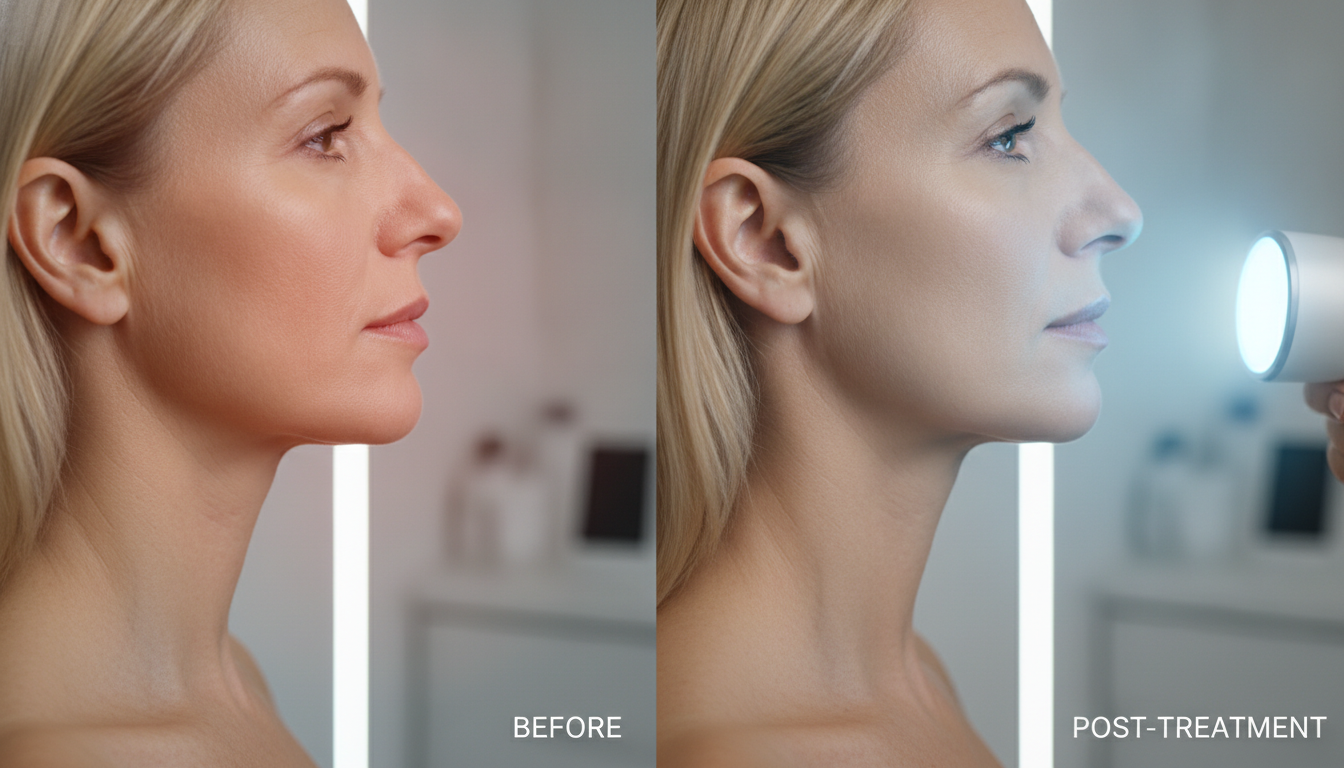
5 Powerful Differences: J Plasma vs ThermiTight for Firmer Skin
Choosing between J Plasma vs ThermiTight requires a clear understanding of their distinct characteristics. While both aim to tighten loose skin, their approaches, results, and ideal applications vary significantly. Here are five powerful differences that set these two advanced skin tightening procedures apart, helping you determine which might be the best fit for your aesthetic goals.
Difference 1: Energy Source and Mechanism of Action in J Plasma vs ThermiTight
The core distinction between J Plasma vs ThermiTight lies in the energy they employ. J Plasma utilizes a unique blend of helium gas and radiofrequency energy to create a cool atmospheric plasma. This plasma instantly contracts the fibrous septae and underlying tissues, leading to immediate skin retraction. The helium gas cools the tissue, making the process highly controlled and minimizing heat damage.
ThermiTight, on the other hand, relies solely on radiofrequency (RF) energy. A small probe delivers RF energy directly into the subdermal layer, heating the tissue to a specific temperature. This controlled heating stimulates collagen remodeling and neocollagenesis (new collagen formation) over time, resulting in gradual skin tightening. The immediate effect is less pronounced than with J Plasma, as ThermiTight’s strength is in its long-term collagen-building capabilities.
Difference 2: Immediate vs. Gradual Results with J Plasma vs ThermiTight
One of the most compelling differences when comparing J Plasma vs ThermiTight is the timeline of results. J Plasma is renowned for its ability to deliver immediate and dramatic tissue contraction. Patients often observe a noticeable tightening effect right after the procedure, with further improvements unfolding as swelling subsides and the body heals. This instant gratification is a significant draw for many.
ThermiTight provides a more gradual improvement. While some initial firmness may be perceived, the full benefits of ThermiTight become apparent over several months as the body steadily produces new collagen. This progressive tightening can be very natural-looking, but it requires more patience to see the final outcome. Both treatments offer long-lasting results, but J Plasma often provides a more immediate and dramatic initial tightening, while ThermiTight offers sustained improvement over a longer period as collagen regenerates.
Difference 3: Ideal Candidates for J Plasma vs ThermiTight
The ideal candidate for J Plasma vs ThermiTight depends largely on the degree of skin laxity and desired outcome. J Plasma is generally recommended for individuals with mild to moderate skin laxity who desire significant and noticeable tightening without extensive surgical intervention. It’s particularly effective for those looking to improve sagging skin on the neck, jawline, arms, abdomen, or thighs, where more substantial contraction is needed.
ThermiTight is best suited for individuals with mild to moderate skin laxity who seek a minimally invasive solution for gradual, natural-looking skin tightening. It’s excellent for refining contours and improving skin firmness on the face, neck, and smaller body areas where subtle, progressive enhancement is preferred. Both candidates should be in good overall health and have realistic expectations.
Difference 4: Recovery Time and Side Effects of J Plasma vs ThermiTight
Recovery experiences also differ when evaluating J Plasma vs ThermiTight. For J Plasma, patients typically experience swelling, bruising, and discomfort for 1-2 weeks, with most returning to light activities within a few days. The intensity of post-procedure effects can vary based on the treated area and individual healing. Potential side effects of J Plasma treatment include temporary swelling, bruising, redness, and discomfort. Rare but serious risks include burns, infection, or nerve damage, underscoring the importance of an experienced surgeon.
ThermiTight usually involves less bruising and swelling, with most patients resuming normal activities within 2-5 days, though some mild soreness may persist. The downtime is generally shorter and less intense than J Plasma. Risks and complications for both J Plasma vs ThermiTight are generally low, but can include temporary swelling, bruising, and discomfort. Specific to ThermiTight, overheating can lead to burns if not performed correctly.
Both carry general risks like infection or nerve irritation, emphasizing the need for a highly qualified practitioner.
Difference 5: Cost and Longevity of J Plasma vs ThermiTight
The average cost of J Plasma compared to ThermiTight can vary significantly based on the treated area, geographic location, and the surgeon’s expertise. Generally, J Plasma tends to be a more comprehensive and powerful treatment, often resulting in a higher cost range, typically from $3,000 to $8,000 per area. ThermiTight is usually less expensive, ranging from $2,500 to $5,000 per area, but these are estimates and a consultation is needed for precise pricing.
Both treatments offer long-lasting results, as they stimulate permanent tissue contraction or new collagen production. With proper skin care and a healthy lifestyle, the effects of both can last for several years. The longevity of results is a key factor in the investment, as both procedures aim for sustained improvement rather than temporary fixes. For more information on the science behind these technologies, consult resources like the National Library of Medicine on radiofrequency skin tightening.
Addressing Specific Concerns: J Plasma vs ThermiTight for Neck and Jawline Laxity
When it comes to refining the neck and jawline, both J Plasma vs ThermiTight offer compelling solutions for laxity. However, their suitability often hinges on the degree of skin looseness. The neck and jawline are common areas where the first signs of aging appear, manifesting as sagging skin, jowls, or a less defined profile. Choosing the right treatment is crucial for achieving a natural and aesthetically pleasing outcome.
J Plasma is often preferred for moderate to significant skin laxity in these areas due to its immediate and powerful tissue contraction capabilities. Its ability to create a more dramatic tightening effect makes it an excellent choice for individuals with more pronounced jowls or a
Considering J Plasma vs ThermiTight for Firmer Skin in Weston, FL?
Dr.
Shashi Kusuma at The Face Doctor of Florida specializes in advanced skin tightening solutions, offering personalized consultations to determine the best treatment for your unique aesthetic goals and achieve natural-looking results.
What is the primary difference between J Plasma and ThermiTight?
J Plasma vs ThermiTight involves different energy sources and mechanisms. J Plasma (Renuvion) uses a combination of helium plasma and radiofrequency (RF) energy to instantly contract tissues and tighten skin. ThermiTight, on the other hand, utilizes targeted RF energy delivered subdermally to heat tissues, stimulating collagen production over time for gradual tightening. J Plasma offers more immediate and dramatic contraction, while ThermiTight provides more gradual, sustained improvement.
How does J Plasma work for skin tightening?
J Plasma works by delivering a cool helium plasma stream under the skin. This plasma is generated by exciting helium gas with radiofrequency energy, creating a unique beam that precisely and instantly contracts the subdermal tissues. The controlled energy causes the skin’s foundational layers to immediately shrink, resulting in noticeable tightening and improved contour.
How does ThermiTight work to tighten skin?
ThermiTight uses a tiny probe inserted under the skin to deliver controlled radiofrequency (RF) energy directly to the targeted tissues. This precise heating warms the subdermal layers to a therapeutic temperature, which stimulates the body’s natural collagen production. Over several weeks to months, this new collagen growth leads to gradual, natural-looking skin tightening and improved elasticity.
Which procedure, J Plasma or ThermiTight, is better for neck and jawline laxity?
Both J Plasma vs ThermiTight can be effective for neck and jawline laxity, but their suitability depends on the degree of looseness. J Plasma is often preferred for moderate to significant skin laxity due to its immediate and powerful tissue contraction capabilities. ThermiTight is excellent for mild to moderate laxity, providing a more gradual, subtle improvement in firmness and contour through collagen stimulation.
What is the typical recovery time after J Plasma versus ThermiTight?
Recovery from both procedures is generally minimal, but J Plasma vs ThermiTight can have slight differences. For J Plasma, patients typically experience swelling, bruising, and discomfort for 1-2 weeks, with most returning to light activities within a few days. ThermiTight usually involves less bruising and swelling, with most patients resuming normal activities within 2-5 days, though some mild soreness may persist. Full results for both develop over several months.
What are the potential side effects of J Plasma treatment?
Potential side effects of J Plasma treatment include temporary swelling, bruising, redness, and discomfort in the treated area. There may also be some numbness, skin irregularities, or mild sensory changes. Rare but serious risks, as with any procedure involving subdermal energy, include burns, infection, or nerve damage, which is why choosing an experienced board-certified surgeon is crucial.
What is the average cost of J Plasma compared to ThermiTight?
The average cost for J Plasma vs ThermiTight can vary significantly based on the treated area, geographic location, and the surgeon’s expertise. Generally, J Plasma tends to be a more comprehensive and powerful treatment, often resulting in a higher cost range, typically from $3,000 to $8,000 per area. ThermiTight is usually less expensive, ranging from $2,500 to $5,000 per area, but these are estimates and a consultation is needed for precise pricing.
Who is an ideal candidate for J Plasma treatment?
An ideal candidate for J Plasma treatment is someone with mild to moderate skin laxity who desires significant and noticeable skin tightening without extensive surgical intervention. They should be in good overall health, have realistic expectations, and ideally be non-smokers. J Plasma is particularly effective for those looking to improve sagging skin on the neck, jawline, arms, abdomen, or thighs.
Who is an ideal candidate for ThermiTight treatment?
An ideal candidate for ThermiTight treatment typically has mild to moderate skin laxity and seeks a minimally invasive solution for gradual, natural-looking skin tightening. They should be in good health, have realistic expectations, and be committed to maintaining results through a healthy lifestyle. ThermiTight is well-suited for improving skin firmness on the face, neck, and smaller body areas.
Which treatment offers longer-lasting results: J Plasma or ThermiTight?
Both J Plasma vs ThermiTight treatments offer long-lasting results, as they stimulate permanent tissue contraction or new collagen production. With proper skin care and a healthy lifestyle, the effects of both can last for several years. J Plasma often provides a more immediate and dramatic initial tightening, while ThermiTight offers sustained improvement over a longer period as collagen regenerates.
Can J Plasma and ThermiTight be combined or used in conjunction?
Yes, in some cases, J Plasma and ThermiTight can be combined or used in conjunction. A skilled surgeon may recommend a customized approach, using J Plasma for more significant, immediate tightening in one area and ThermiTight for more subtle, gradual refinement in another, or even in different stages of a treatment plan to optimize overall results. This advanced strategy should only be decided by an experienced plastic surgeon.
Is J Plasma more effective for significant skin laxity than ThermiTight?
Yes, J Plasma is generally considered more effective for significant skin laxity compared to ThermiTight. Its mechanism of instant tissue contraction with cool helium plasma allows for a greater degree of tightening, making it a stronger choice for individuals with more pronounced sagging or loose skin. ThermiTight excels in milder cases where gradual improvement is sought.
What are the risks and complications of J Plasma versus ThermiTight?
The risks for J Plasma vs ThermiTight are generally low, but complications can include temporary swelling, bruising, and discomfort. Specific to J Plasma, there’s a slight risk of thermal injury if not performed correctly. For ThermiTight, overheating can lead to burns or damage to surrounding tissues. Both carry general risks like infection or nerve irritation, emphasizing the need for a highly qualified practitioner.
Where can I find clinics offering J Plasma or ThermiTight near me?
To find clinics offering J Plasma or ThermiTight near you, start by searching online for “J Plasma Weston FL” or “ThermiTight Miami FL” or “plastic surgeon near me” and filter results for board-certified plastic surgeons specializing in these technologies. You can also check the official Renuvion (J Plasma) and ThermiTight websites for provider locators, and always verify credentials and patient reviews. The Face Doctor of Florida in Weston offers both.
What do patient testimonials say about J Plasma vs ThermiTight outcomes?
Patient testimonials for both J Plasma vs ThermiTight often highlight satisfaction with firmer, more youthful-looking skin. J Plasma reviews frequently mention dramatic and immediate tightening effects, particularly for areas like the neck and arms. ThermiTight testimonials typically praise the gradual, natural-looking improvements and minimal downtime. Many patients appreciate the boost in confidence these procedures provide.