
The reflection you see should be a source of confidence, not a reminder of time’s subtle touch. Yet, the search for radiant, youthful skin often leads to questions about effective rejuvenation and the subsequent healing process. For those seeking transformative results, laser resurfacing offers a powerful solution. However, understanding and meticulously managing your laser resurfacing recovery is just as crucial as the treatment itself for achieving that desired radiant skin renewal. This phase is not merely a waiting period; it is an active journey toward your best results. In this comprehensive guide, we will explore the essential steps and expert insights to ensure your healing process is smooth, comfortable, and ultimately successful. We’ll demystify what to expect, how to care for your delicate new skin, and why diligent aftercare is the cornerstone of a truly remarkable transformation. Consider this your personal invitation to discover a more radiant, revitalized you, built on a foundation of proper healing and expert guidance.
Key Takeaways
- Mastering your laser resurfacing recovery is paramount for achieving radiant skin renewal and maximizing your treatment investment.
- Understand the day-by-day progression of healing, from initial redness and swelling to the emergence of new, smoother skin.
- Learn essential strategies for minimizing discomfort and managing common side effects during your post-treatment period.
- Discover the critical role of specialized skincare products and unwavering sun protection in safeguarding your delicate new complexion.
- Recognize the importance of choosing a reputable clinic with comprehensive aftercare support for a seamless healing journey.
Understanding Your Laser Resurfacing Recovery Journey
Your decision to undergo laser resurfacing is a significant step toward achieving smoother, younger-looking skin. The journey, however, doesn’t end when you leave the clinic. The period immediately following your procedure, known as laser resurfacing recovery, is crucial for optimizing your results and ensuring a comfortable healing process. This phase requires patience, diligent care, and a clear understanding of what to expect. Knowing the typical timeline and potential side effects will empower you to navigate your recovery with confidence and achieve the radiant complexion you desire.
How Long Does Laser Resurfacing Recovery Typically Last?
The duration of laser resurfacing recovery largely depends on the type of laser used and the depth of treatment. Ablative lasers, such as CO2 or Erbium, remove the outer layers of skin and typically require a more intensive healing period. Initial recovery for these can range from 10 to 21 days, during which your skin will be red, swollen, and may ooze. Residual redness can persist for several weeks or even months. Non-ablative lasers, which target deeper skin layers without removing the surface, have a much shorter recovery, often just a few days of mild redness and swelling. Full results, regardless of laser type, unfold over several months as new collagen is produced.
What Laser Resurfacing Recovery Looks Like Day by Day
Understanding the daily progression of your skin’s healing can alleviate anxiety and help you prepare. Immediately after an ablative treatment, your skin will appear raw, red, and swollen, feeling much like a severe sunburn. It may also ooze and develop a crust. Over the next few days, swelling can peak, and the skin will begin to peel and flake as new skin forms underneath. By days 7-10, most of the peeling should subside, revealing fresh, pink skin. This new skin will be delicate and highly sensitive. For non-ablative treatments, the daily changes are much milder, typically involving a few days of redness and minor swelling. The commitment to proper aftercare is essential at every stage of laser resurfacing recovery.
7 Proven Steps for Optimal Laser Resurfacing Recovery
Achieving the best possible results from your laser resurfacing treatment hinges on following a meticulous aftercare regimen. These 7 proven steps are designed to support your skin’s natural healing process, minimize discomfort, and protect your newly rejuvenated complexion. By adhering to these guidelines, you can significantly enhance your laser resurfacing recovery and ensure a radiant outcome.
Step 1: Meticulous Aftercare for Smooth Laser Resurfacing Recovery
Immediately following your procedure, your surgeon will provide specific instructions for cleansing and protecting your skin. This typically involves gentle washing with a mild cleanser and applying a thick layer of healing ointment, such as petroleum jelly or Aquaphor. This creates a protective barrier, preventing infection and keeping the skin moist to promote optimal healing. Change dressings as instructed and avoid picking at any scabs or peeling skin, as this can lead to scarring or infection.
Step 2: Minimizing Discomfort During Laser Resurfacing Recovery
It’s natural to experience some discomfort during the initial stages of laser resurfacing recovery. Your doctor may prescribe pain medication to help manage any soreness. Applying cold compresses or ice packs wrapped in a soft cloth can significantly reduce swelling and provide soothing relief. Elevating your head while sleeping can also help minimize facial swelling. Over-the-counter pain relievers, if approved by your surgeon, can also be beneficial.
Step 3: Hydration and Nutrition for Enhanced Healing
Supporting your body from within is vital for efficient healing. Stay well-hydrated by drinking plenty of water throughout your laser resurfacing recovery. A nutritious diet rich in vitamins, minerals, and proteins will provide the building blocks your skin needs to repair and regenerate. Avoid alcohol and excessive caffeine, which can dehydrate your body and potentially impede the healing process.
Step 4: Strict Sun Protection is Non-Negotiable
The newly treated skin is extremely vulnerable to sun damage. Sun exposure can lead to post-inflammatory hyperpigmentation (dark spots), burning, and can compromise your results. During laser resurfacing recovery, strict sun avoidance is paramount. Once your skin has healed sufficiently, apply a broad-spectrum sunscreen with an SPF of 30 or higher daily, even indoors. Wear wide-brimmed hats and seek shade whenever possible.
Step 5: Avoid Strenuous Activities and Irritants
For at least 1-2 weeks during your laser resurfacing recovery, avoid strenuous exercise, heavy lifting, and any activities that cause excessive sweating. Increased blood flow to the face can exacerbate swelling and discomfort. Also, refrain from swimming pools, hot tubs, and saunas, as these environments can introduce bacteria and irritate delicate skin. Avoid harsh skincare products, exfoliants, and retinoids until cleared by your surgeon.
Step 6: Patience is a Virtue for Lasting Results
Laser resurfacing recovery is a process that unfolds over time. While initial improvements are visible, the full benefits of collagen remodeling will take several weeks to months to become apparent. Be patient with your skin and your body. Follow all post-care instructions diligently and trust the healing process. Rushing or neglecting aftercare can jeopardize your results.
Step 7: Follow-Up Appointments with Your Specialist
Regular follow-up appointments with your plastic surgeon or dermatologist are crucial. These visits allow your specialist to monitor your healing progress, address any concerns, and provide further guidance tailored to your individual needs. They can also advise on when it’s safe to resume your regular skincare routine or introduce new products. This ongoing support ensures the best possible outcome for your laser resurfacing recovery. 
Navigating Common Concerns During Laser Resurfacing Recovery
Even with meticulous preparation, questions and concerns can arise during your healing journey. Being informed about common side effects, appropriate skincare, and when to seek professional advice is key to a smooth laser resurfacing recovery. This section addresses frequently asked questions to help you navigate this period with confidence.
What are the Most Common Side Effects During Laser Resurfacing Recovery?
Common side effects include redness, swelling, itching, and a sensation similar to sunburn. With ablative lasers, peeling, crusting, and oozing are also typical. Less common but possible side effects include temporary hyperpigmentation (darkening) or hypopigmentation (lightening) of the skin, infection, or scarring. These emphasize the importance of expert care and strict adherence to aftercare instructions.
Is Laser Resurfacing Recovery Painful, and How is Pain Managed?
The level of pain during laser resurfacing recovery varies among individuals and depends on the depth of treatment. Most patients describe the sensation as discomfort rather than severe pain, often likened to a bad sunburn. Your surgeon will typically prescribe oral pain medication to manage any post-procedure discomfort. Applying cold compresses can also significantly reduce pain and swelling. Topical anesthetics may be used during the procedure itself to enhance comfort.
Skincare and Makeup During Laser Resurfacing Recovery
During the initial healing phase, it is crucial to use only the gentle cleansers and healing ointments recommended by your plastic surgeon. These products are specifically chosen to support your skin’s delicate state without causing irritation. Avoid any products with harsh chemicals, fragrances, or active ingredients like retinoids or vitamin C serums until your doctor gives clearance. For ablative treatments, makeup should be avoided until the skin has fully re-epithelialized and all crusting and oozing have subsided, typically 10 to 14 days. Introducing makeup too soon can irritate the new skin or lead to infection. Always consult your surgeon before applying any cosmetics.
What is the Difference in Recovery Time Between CO2 and Erbium Laser Resurfacing?
Both CO2 and Erbium lasers are ablative, meaning they remove layers of skin. However, there are differences in their recovery profiles. CO2 laser resurfacing typically involves a deeper treatment, leading to a longer and more intense laser resurfacing recovery, often 2-3 weeks for initial healing, with redness lasting for months. Erbium laser resurfacing is generally less invasive, resulting in a shorter initial recovery of about 1 week, and less prolonged redness. The choice between them depends on the skin concerns being addressed and the desired downtime.
Reviews and Testimonials for Laser Resurfacing Recovery Experiences
Many individuals find comfort and insight by reading reviews and testimonials from others who have undergone laser resurfacing. These personal accounts can offer a realistic perspective on the healing process, common challenges, and the eventual satisfaction with results. While individual experiences vary, these stories often highlight the importance of patience, diligent aftercare, and choosing an experienced provider. You can often find these on clinic websites, independent review platforms, or specialized aesthetic forums. 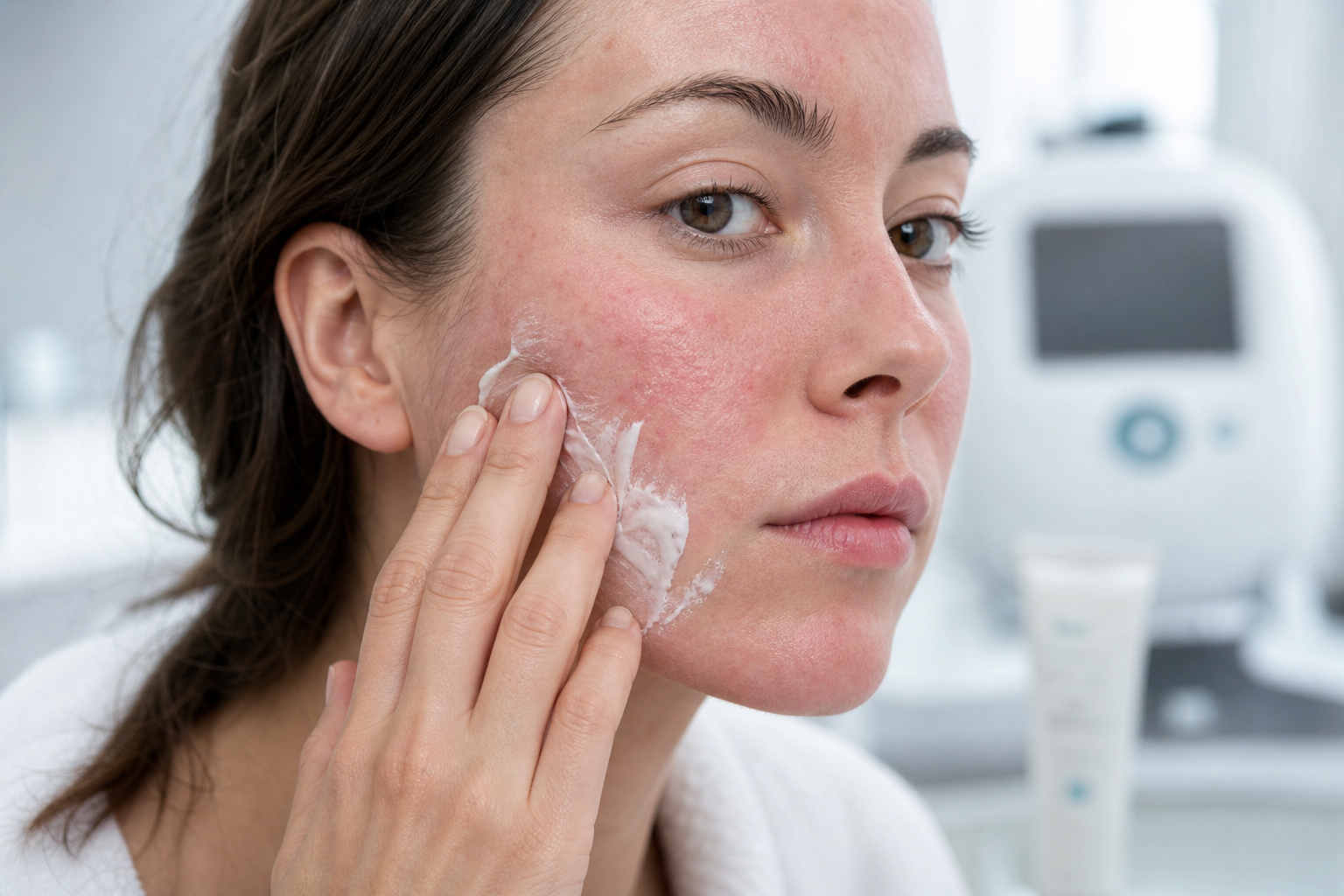
Achieve Radiant Skin Renewal with Expert Laser Resurfacing Recovery Guidance
The Face Doctor of Florida – Suria Plastic Surgery offers unparalleled expertise in laser resurfacing, ensuring a smooth and effective healing journey for truly transformative results. Trust our board-certified surgeon for your aesthetic goals.
Expert Guidance for Your Laser Resurfacing Recovery
The success of your laser resurfacing treatment is profoundly influenced by the expertise of your medical team, not just during the procedure but throughout your entire laser resurfacing recovery. Choosing a reputable clinic that offers comprehensive aftercare support is paramount. This ensures you receive personalized guidance, prompt attention to any concerns, and the highest standard of care as your skin heals and rejuvenates.
Who Should I Contact if I Experience Complications During Laser Resurfacing Recovery?
It is essential to have clear lines of communication with your medical team. If you experience any unusual or severe symptoms during your laser resurfacing recovery, such as excessive pain, prolonged swelling, signs of infection (fever, pus, increasing redness), or blistering, you should contact your plastic surgeon or dermatologist immediately. They are best equipped to assess the situation and provide appropriate medical advice or intervention. Always err on the side of caution when it comes to your healing skin.
Can I Exercise During Laser Resurfacing Recovery?
As mentioned in Step 5, strenuous exercise should be avoided for at least 1-2 weeks during the initial healing phase. Activities that increase heart rate and blood flow to the face can exacerbate swelling and potentially lead to complications. Light walking is generally acceptable, but always consult your surgeon for specific guidelines tailored to your treatment and healing progress. Gradually reintroducing exercise is key to a smooth laser resurfacing recovery.
What Clinics Offer Comprehensive Aftercare Support for Laser Resurfacing?
Reputable clinics, like The Face Doctor of Florida – Suria Plastic Surgery, prioritize patient education and comprehensive aftercare. They provide detailed post-treatment instructions, access to medical staff for questions, and scheduled follow-up appointments. Such clinics often offer specialized post-laser skincare kits and advice on managing discomfort, ensuring a supportive environment for your laser resurfacing recovery. When selecting a provider, inquire about their aftercare protocols and the level of support you can expect. A strong support system is invaluable during this critical healing period. For more information on post-treatment care and what to expect, you can refer to authoritative sources like the American Academy of Dermatology’s guidelines on laser resurfacing.
How Much Does a Post-Laser Resurfacing Care Kit Cost?
The cost of a post-laser resurfacing care kit can vary widely depending on the clinic, the specific products included, and the brands. These kits typically contain gentle cleansers, healing ointments, bland moisturizers, and broad-spectrum sunscreens. While some clinics may include a basic kit as part of the overall treatment cost, others may offer them for an additional fee, ranging from $100 to $300 or more. Discuss this with your provider during your consultation to understand all associated costs for your laser resurfacing recovery.
How long does laser resurfacing recovery typically last?
Laser resurfacing recovery varies based on the laser type and treatment depth. Ablative lasers (like CO2 or Erbium) generally require 10-21 days for initial healing, with residual redness lasting for weeks or months. Non-ablative laser recovery is much shorter, often just a few days of redness and swelling. Full laser resurfacing recovery and final results can take several months as collagen rebuilds.
What does laser resurfacing recovery look like day by day?
Immediately after treatment, your skin will be red, swollen, and feel like a severe sunburn, possibly oozing. Days 2-5, swelling may peak, and the skin will start to peel or crust. By days 7-10, most peeling subsides, revealing new, pink skin. Over the following weeks, redness diminishes, and skin texture gradually improves. Diligent post-care is vital for optimal laser resurfacing recovery.
What are the most common side effects during laser resurfacing recovery?
Common side effects during laser resurfacing recovery include redness, swelling, itching, and a sensation similar to sunburn. Peeling, crusting, and oozing are also typical, especially with ablative lasers. Less common but possible side effects include temporary hyperpigmentation (darkening) or hypopigmentation (lightening), infection, or scarring, emphasizing the importance of expert care and strict aftercare adherence.
How can I minimize discomfort during laser resurfacing recovery?
To minimize discomfort during laser resurfacing recovery, your doctor may prescribe pain medication. Cold compresses can significantly reduce swelling and soothe the skin. Keeping the skin moisturized with recommended ointments helps prevent excessive dryness and itching. Elevating your head while sleeping can also aid in reducing swelling, making your laser resurfacing recovery more comfortable.
What skincare products should I use during laser resurfacing recovery?
During laser resurfacing recovery, it’s crucial to use only products recommended by your plastic surgeon. Typically, this involves gentle cleansers, healing ointments (like petroleum jelly or Aquaphor), and bland moisturizers free of harsh chemicals, fragrances, or active ingredients. Sunscreen is absolutely vital once new skin forms. Avoid exfoliating agents, retinoids, and vitamin C serums until cleared by your doctor.
When can I wear makeup after ablative laser resurfacing?
For ablative laser resurfacing recovery, you generally should avoid wearing makeup until the skin has fully re-epithelialized and all crusting and oozing have subsided, which is typically 10 to 14 days post-procedure. Introducing makeup too soon can irritate the delicate new skin or introduce infection. Always consult your surgeon before applying any cosmetics during your laser resurfacing recovery.
Why is sun protection crucial during laser resurfacing recovery?
Sun protection is paramount during laser resurfacing recovery because the newly treated skin is extremely fragile and susceptible to sun damage. Exposure to UV rays can lead to post-inflammatory hyperpigmentation (dark spots), burning, and can compromise the overall results of your treatment. Diligent use of broad-spectrum SPF 30+ sunscreen and protective clothing is non-negotiable for successful laser resurfacing recovery.
What activities should I avoid during the laser resurfacing healing period?
During the laser resurfacing healing period, avoid strenuous exercise, heavy lifting, and any activities that cause excessive sweating for at least 1-2 weeks, as this can irritate the skin and potentially lead to infection. Also, refrain from swimming pools, hot tubs, and saunas. Direct sun exposure should be strictly avoided. Follow your surgeon’s specific guidelines closely to ensure optimal laser resurfacing recovery.
Ultimately, a successful laser resurfacing recovery is the bridge between your treatment and your desired radiant skin. By understanding the process, diligently following expert guidance, and prioritizing your skin’s health, you empower yourself to achieve truly transformative results. The journey requires patience and commitment, but the reward of a smoother, more youthful, and revitalized complexion is well worth the effort. Trust in your medical team, embrace the healing process, and look forward to revealing your most radiant self.