Mohs Repair Recovery: Your Ultimate Guide to Seamless Healing
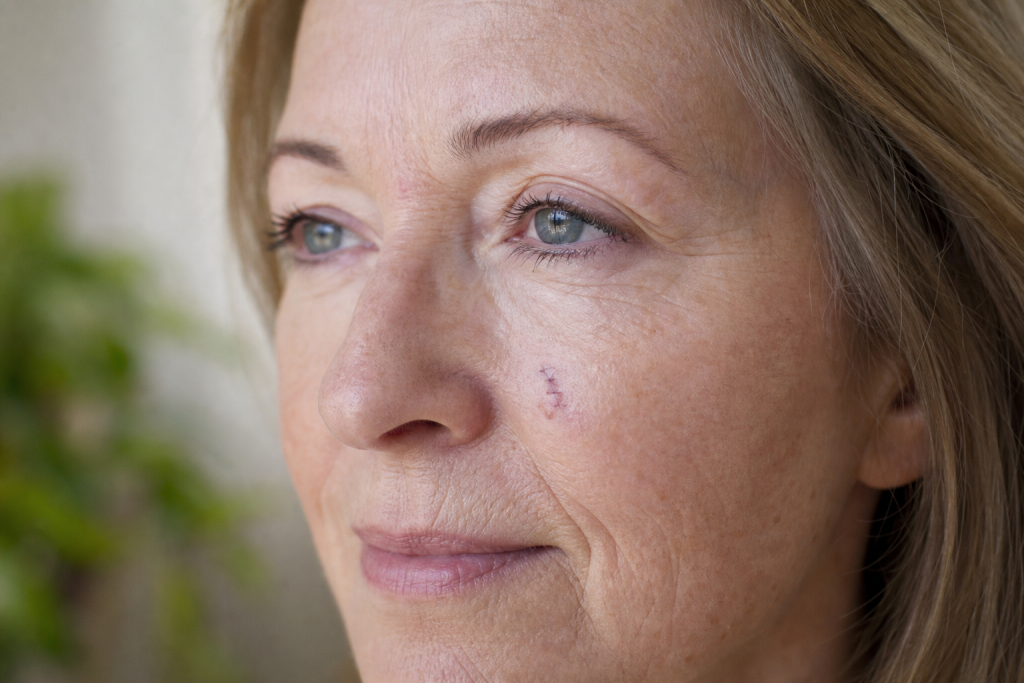
Mohs repair recovery is a critical phase following skin cancer surgery, demanding meticulous care for optimal results. The journey to healing after Mohs micrographic surgery involves more than just wound closure; it’s about achieving the best possible functional and aesthetic outcome. Understanding each step of this recovery process is essential for patients seeking seamless healing and minimal scarring.
This comprehensive guide, brought to you by The Face Doctor of Florida, will walk you through the essential stages of Mohs repair recovery. We’ll explore what to expect, how to care for your wound, and strategies to ensure your healing journey is as smooth and successful as possible. Our goal is to empower you with the knowledge needed to navigate your post-surgical period with confidence.
Key Takeaways for Mohs Repair Recovery
- Understand the typical timeline and phases of Mohs repair recovery to set realistic expectations for healing.
- Learn essential wound care practices to prevent infection and promote healthy tissue regeneration after Mohs surgery.
- Discover effective strategies for minimizing scarring and achieving the best aesthetic outcome during your Mohs repair recovery.
- Identify common side effects and know when to seek professional guidance for any concerns during the healing process.
- Recognize the importance of expert reconstructive surgery for complex Mohs defects to ensure optimal functional and cosmetic results.
Understanding Your Mohs Repair Recovery Journey
Embarking on Mohs repair recovery means understanding the unique nature of this healing process. Mohs surgery is highly effective for removing skin cancer, but it leaves a wound that requires careful management. The size and location of the wound, as well as individual healing factors, will influence your specific recovery experience. Preparing yourself with knowledge is the first step towards a successful outcome.
The initial phase of Mohs repair recovery focuses on immediate wound care and managing discomfort. This period is crucial for preventing infection and ensuring the wound begins to close properly. As healing progresses, attention shifts to scar management and restoring the skin’s appearance and function. Each stage plays a vital role in the overall success of your Mohs repair recovery.
What is the Typical Recovery Time After Mohs Surgery?
The typical recovery time after Mohs surgery varies significantly depending on the size and location of the wound. For smaller, simpler repairs, initial healing may take 1 to 2 weeks. During this time, the wound site might exhibit swelling, bruising, and require consistent dressing changes. Complete Mohs repair recovery, including scar maturation and the full resolution of any residual swelling, can extend for several months to a year. This longer timeline is normal and reflects the body’s natural regenerative processes.
How Long Does It Take for a Mohs Surgery Wound to Heal Completely?
While the surface of a Mohs surgery wound often closes within 1 to 3 weeks, complete internal healing and scar maturation take much longer. For deeper or more complex Mohs repair, full tissue integration and scar refinement can continue for 6 months to over a year. The final appearance of the scar will evolve over this extended period, highlighting the importance of long-term care during Mohs repair recovery.
Common Side Effects During Mohs Repair Recovery
It is normal to experience certain side effects during Mohs repair recovery. These commonly include swelling, bruising, and mild pain or discomfort around the surgical site. You might also notice some numbness or tightness as the wound heals. Some redness is expected, but any increasing pain, significant discharge, or fever should be promptly reported to your surgeon. These could be signs of infection or other complications that require immediate medical attention for your Mohs repair recovery.
Is It Normal to Have Swelling and Bruising After Mohs Surgery?
Yes, it is very normal to experience some degree of swelling and bruising around the surgical site during Mohs repair recovery. This is a natural part of the body’s inflammatory response to surgery and an expected component of the healing process. These symptoms typically subside within the first week or two. Applying cold compresses can help alleviate swelling and discomfort, contributing to a more comfortable Mohs repair recovery.
6 Proven Steps for Optimal Mohs Repair Recovery
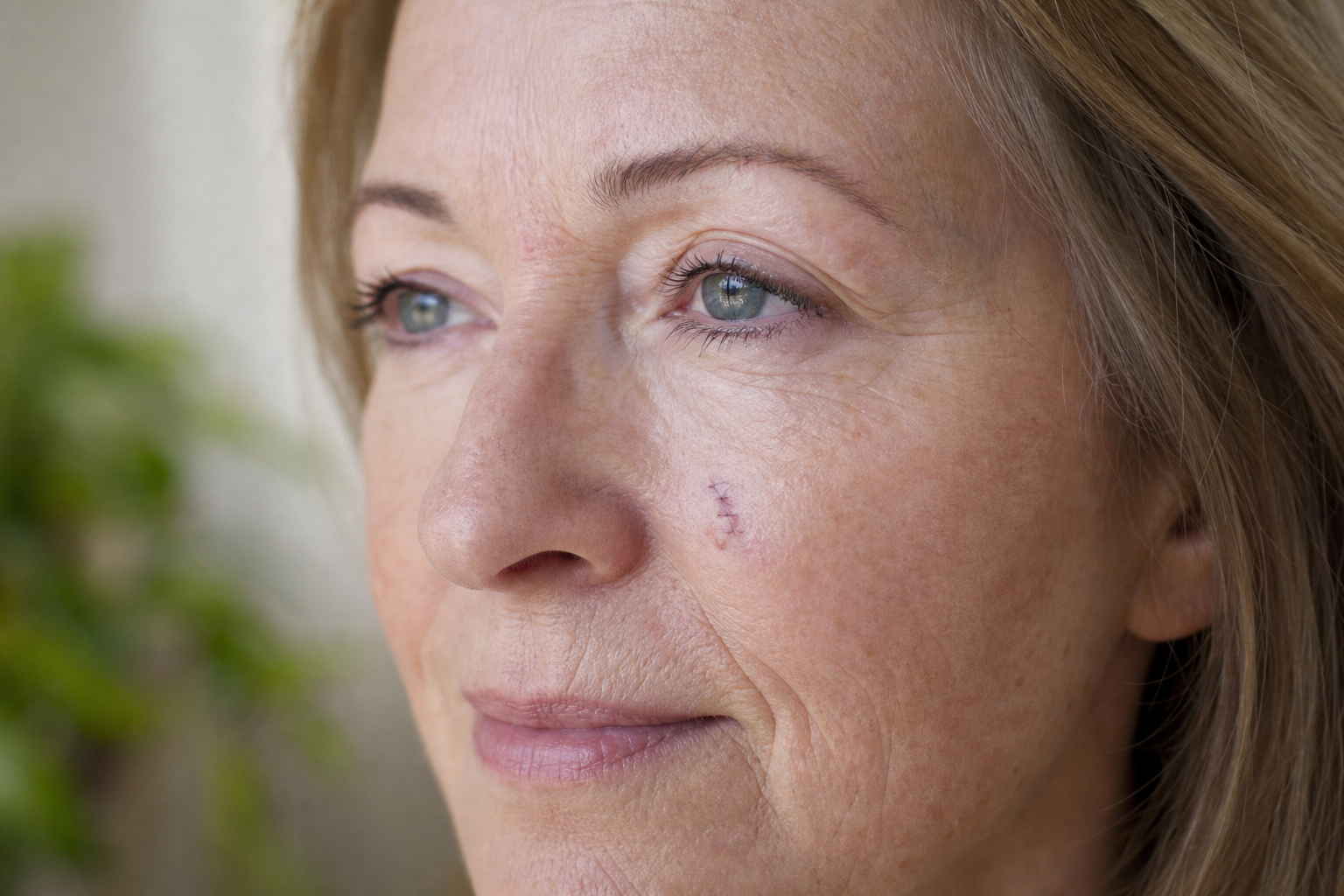
Achieving optimal results from your Mohs surgery requires a proactive approach to your post-operative care. These 6 proven steps are designed to guide you through your Mohs repair recovery, ensuring healthy healing and minimizing complications. Following these guidelines meticulously will significantly contribute to a successful outcome and a smoother healing journey.
Expert guidance, such as that provided by The Face Doctor of Florida, is invaluable during this time. We emphasize personalized care plans tailored to your specific wound and individual needs. Adhering to these steps will not only aid in your immediate healing but also support the long-term aesthetic and functional success of your Mohs repair recovery.
Step 1: Meticulous Wound Care for Mohs Repair Recovery
How should I care for my wound after Mohs surgery? Proper wound care is paramount for successful Mohs repair recovery. This typically involves keeping the wound clean and moist. Your surgeon will likely instruct you to gently clean the wound daily with mild soap and water or a saline solution. After cleaning, apply a thin layer of petrolatum ointment (like Vaseline) to keep the wound moist and prevent scab formation, which can hinder healing.
Cover the wound with a fresh, non-stick dressing as directed. Always wash your hands thoroughly before and after touching the wound to prevent infection.
Step 2: Effective Pain Management for Mohs Repair Recovery
What pain management options are available for Mohs recovery? Pain during Mohs repair recovery is typically mild and manageable. Over-the-counter pain relievers such as acetaminophen (Tylenol) are often sufficient to control discomfort. For more significant pain, your surgeon may prescribe a stronger medication. Applying cold compresses to the surgical site can also help reduce swelling and pain, providing additional relief during your Mohs repair recovery. Always follow your doctor’s instructions regarding medication.
Step 3: Protecting the Wound from Sun Exposure
Sun protection is a crucial, yet often overlooked, aspect of Mohs repair recovery. UV radiation can darken a healing scar, making it more noticeable. Keep the wound covered with a dressing or clothing. Once the wound has fully closed, apply a broad-spectrum sunscreen with an SPF of 30 or higher daily, even on cloudy days. Consistent sun protection is vital for optimal scar appearance and overall skin health during your Mohs repair recovery.
Step 4: Nutritional Support for Enhanced Healing
Your body needs adequate nutrients to heal effectively. A balanced diet rich in protein, vitamins (especially C and A), and minerals (like zinc) can significantly support the healing process during Mohs repair recovery. Staying well-hydrated is also important. Consider discussing any dietary concerns or supplements with your doctor to ensure your body has all the resources it needs for robust healing.
Step 5: Avoiding Activities that Strain the Wound
During the initial stages of Mohs repair recovery, it’s important to avoid activities that could put tension on the wound. This includes strenuous exercise, heavy lifting, and any movements that stretch the skin around the surgical site. Such activities can disrupt the healing process, potentially widen the scar, or even cause the wound to reopen. Your surgeon will provide specific guidelines on activity restrictions, which are crucial for successful Mohs repair recovery.
Step 6: Regular Follow-Up Appointments
Regular follow-up appointments with your surgeon are a non-negotiable part of successful Mohs repair recovery. These visits allow your medical team to monitor the wound’s healing progress, address any concerns, remove sutures if necessary, and provide further guidance on scar management. Adhering to your appointment schedule ensures that any potential complications are identified and managed early, optimizing your overall Mohs repair recovery.
Expert Care for Complex Mohs Repair Recovery
Why is post-Mohs surgery care so important for proper healing? Post-Mohs surgery care is paramount for proper healing and optimal Mohs repair recovery. Diligent wound care prevents infection, promotes healthy tissue regeneration, and minimizes complications. Adhering to your surgeon’s instructions ensures the best possible aesthetic outcome and reduces the risk of scar widening or poor healing. This is particularly true for complex cases where reconstructive techniques are employed.
For significant defects, reconstructive surgery is often necessary to restore both form and function. This specialized care ensures that the skin is repaired with precision, preserving facial features and minimizing visible scarring. The expertise of a plastic surgeon is invaluable in these situations, guiding the entire Mohs repair recovery process.
Who Specializes in Reconstructive Surgery After Mohs Removal?
Board-certified plastic surgeons, especially those specializing in facial plastic and reconstructive surgery like Dr. Shashi Kusuma at The Face Doctor of Florida, specialize in reconstructive surgery after Mohs removal. Their expertise ensures the best functional and aesthetic results for your Mohs repair recovery. These specialists possess the intricate knowledge of facial anatomy and advanced surgical techniques required to repair complex defects, often utilizing local flaps or skin grafts to achieve seamless integration and natural appearance.
How Much Does Mohs Repair and Reconstruction Cost?
The cost of Mohs repair and reconstruction varies widely based on several factors, including the size and complexity of the wound, the type of reconstructive technique used, the surgeon’s fees, and geographic location. Insurance coverage for Mohs surgery and subsequent reconstruction is common, as it is a medically necessary procedure for skin cancer removal. It is always best to consult with your surgeon’s office and your insurance provider to understand the specific costs and coverage for your Mohs repair recovery.
Can I Get a Consultation for Mohs Repair Complications?
Yes, absolutely. If you experience any complications during your Mohs repair recovery, such as persistent pain, signs of infection, or concerns about scar appearance, seeking a consultation is highly recommended. Specialists like Dr. Kusuma are equipped to assess and manage post-Mohs complications, offering solutions to optimize your healing and improve outcomes. Early intervention can often prevent more significant issues and enhance the overall success of your Mohs repair recovery.
Minimizing Scarring and Managing Complications in Mohs Repair Recovery
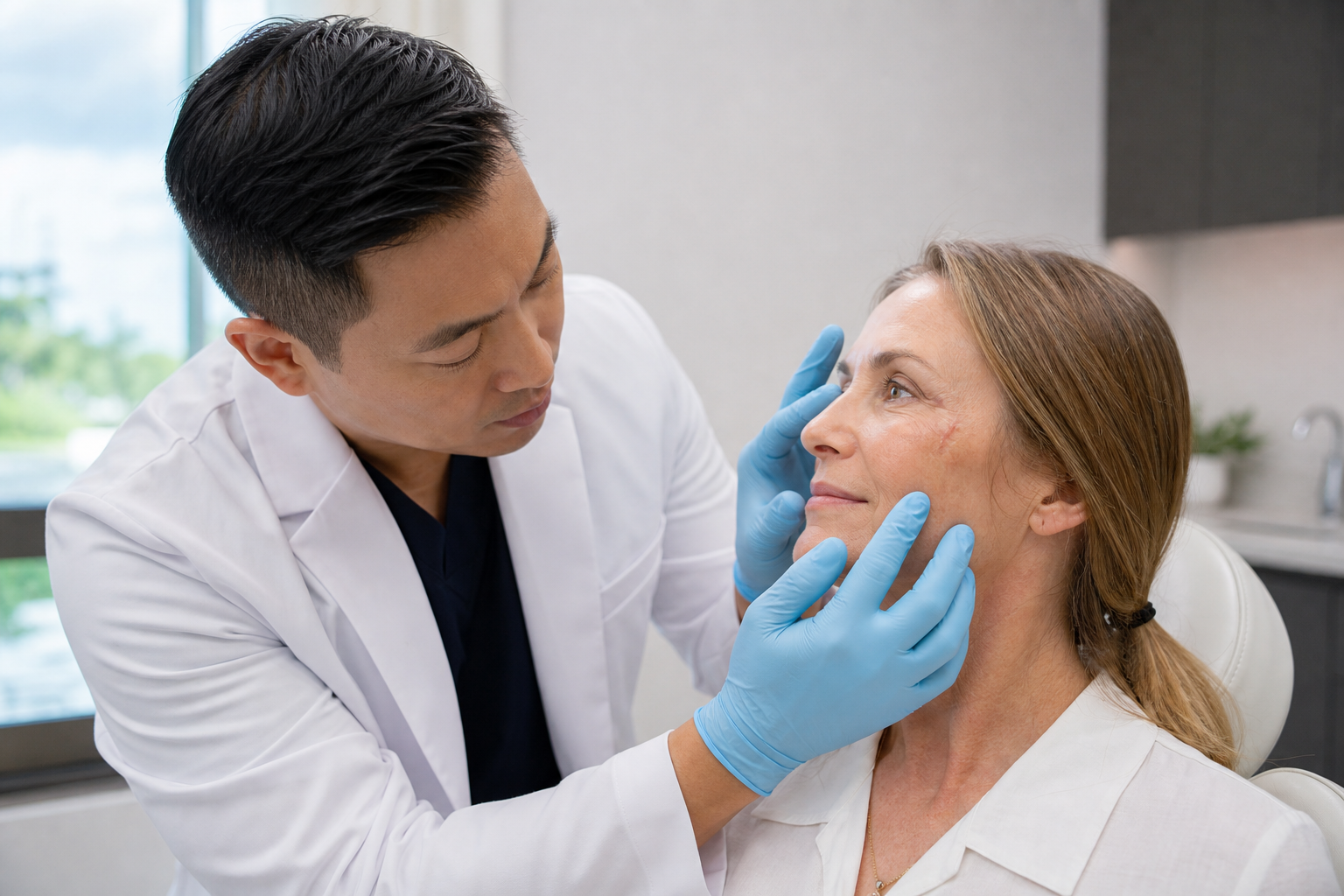
Minimizing scarring is a primary concern for many patients undergoing Mohs repair recovery. While some scarring is inevitable after any surgical procedure, there are numerous strategies and treatments available to improve the appearance of scars. Proactive scar management, beginning shortly after the wound has closed, can make a significant difference in the final aesthetic outcome. Understanding these options is key to a successful Mohs repair recovery.
Equally important is knowing how to identify and address potential complications. Vigilance during the healing process can prevent minor issues from escalating. Your surgical team will provide detailed instructions on what to look for, ensuring you are prepared to respond appropriately throughout your Mohs repair recovery.
How Can I Minimize Scarring After Mohs Surgery?
Minimizing scarring after Mohs surgery involves a multi-faceted approach during Mohs repair recovery. Meticulous wound care, as previously discussed, is the foundation. Once the wound is fully closed and dry, your surgeon may recommend silicone sheets or gel, which are clinically proven to improve scar appearance by keeping the area hydrated and reducing collagen overproduction. Gentle massage of the scar, as advised by your doctor, can also help soften and flatten it.
Avoiding tension on the scar and diligent sun protection are also crucial. Expert reconstructive techniques used by The Face Doctor of Florida also significantly contribute to an excellent aesthetic outcome for Mohs repair recovery.
What Should I Look Out For During the Mohs Repair Recovery Process?
During Mohs repair recovery, monitor for signs of infection such as increasing redness, warmth, swelling, pus-like drainage, or fever. Also, report any excessive bleeding, severe pain not relieved by medication, or opening of the wound (dehiscence). Prompt communication with your surgical team is essential for addressing any concerns. Being aware of these indicators allows for timely intervention, safeguarding your Mohs repair recovery.
What Steps Should I Take if My Mohs Wound Becomes Infected?
If you suspect your Mohs wound is infected, contact your surgeon’s office immediately. Signs include increased redness, warmth, swelling, pain, pus, or fever. Do not try to treat it yourself. Your surgeon will likely prescribe antibiotics and may need to examine the wound. Prompt action is crucial to prevent the infection from spreading and to ensure the best possible outcome for your Mohs repair recovery.
For additional information on wound care, you can refer to authoritative sources like the American Academy of Dermatology.
Where Can I Find Products for Mohs Wound Care and Scar Treatment?
Products for Mohs wound care and scar treatment are readily available at most pharmacies and online retailers. For initial wound care during Mohs repair recovery, you’ll need petrolatum ointment, non-stick gauze pads, and medical tape. For scar treatment, look for silicone gel or silicone sheets, which are widely recommended by dermatologists and plastic surgeons. Always consult your surgeon for specific product recommendations tailored to your wound and skin type to ensure the most effective Mohs repair recovery.
Achieve Optimal Mohs Repair Recovery with Expert Care
The Face Doctor of Florida, led by Dr. Shashi Kusuma, provides specialized reconstructive surgery ensuring seamless healing and minimized scarring after Mohs procedures.
Resuming Activities During Mohs Repair Recovery
One of the most common questions during Mohs repair recovery is when it’s safe to return to normal daily activities. The answer largely depends on the location and extent of your Mohs surgery. Your surgeon will provide personalized instructions, which are crucial to follow to prevent complications and ensure proper healing. Pushing yourself too soon can compromise the integrity of the repair and affect the final cosmetic outcome of your Mohs repair recovery.
Gradual reintroduction of activities is generally recommended. Listening to your body and avoiding anything that causes pain or tension at the surgical site are key principles. This careful approach helps protect the delicate healing tissues and supports a successful Mohs repair recovery.
When Can I Resume Normal Activities After Mohs Surgery?
Resuming normal activities during Mohs repair recovery varies based on the wound’s location and extent. Strenuous exercise, heavy lifting, and activities that could stretch or put pressure on the wound are generally restricted for 2 to 4 weeks. Light activities, such as walking, can usually be resumed within a few days. However, it is imperative to always consult your surgeon for personalized guidance, as their recommendations are tailored to your specific case to ensure the best possible Mohs repair recovery.
Conclusion: Embracing a Seamless Mohs Repair Recovery
Navigating Mohs repair recovery requires patience, diligence, and expert guidance. From meticulous wound care to proactive scar management and understanding when to resume activities, each step plays a vital role in achieving a seamless and successful outcome. The journey after Mohs surgery is not just about healing a wound; it’s about restoring confidence and ensuring the best possible aesthetic and functional results.
By following the proven steps outlined in this guide and entrusting your care to specialists like Dr. Shashi Kusuma at The Face Doctor of Florida, you can significantly enhance your Mohs repair recovery. Remember, expert reconstructive care, combined with your commitment to post-operative instructions, is the key to minimizing scarring and embracing a future with renewed skin health and peace of mind.
Frequently Asked Questions About Mohs Repair Recovery
What is the typical recovery time after Mohs surgery?
The initial healing phase for a Mohs surgery wound typically takes 1-2 weeks, during which the wound site may be swollen, bruised, and require diligent dressing changes. Complete Mohs repair recovery, including scar maturation and full resolution of swelling, can extend for several months to a year, depending on the wound size, location, and individual healing factors.
How long does it take for a Mohs surgery wound to heal completely?
While the surface of a Mohs surgery wound often closes within 1 to 3 weeks, complete internal healing and scar maturation can take much longer. For deep or complex Mohs repair, full tissue integration and scar refinement may continue for 6 months to over a year, with the final appearance evolving over time.
How should I care for my wound after Mohs surgery?
Proper wound care is crucial for successful Mohs repair recovery. This typically involves keeping the wound clean and moist with petrolatum ointment, changing dressings daily as directed by your surgeon, and avoiding harsh soaps or scrubbing. Always follow your specific post-operative instructions provided by The Face Doctor of Florida to prevent infection and optimize healing.
What are the common side effects during Mohs repair recovery?
Common side effects during Mohs repair recovery include swelling, bruising, mild pain or discomfort, numbness around the surgical site, and tightness as the wound heals. Some redness is normal, but increasing pain, significant discharge, or fever should be reported to your surgeon immediately as these could indicate an infection.
When can I resume normal activities after Mohs surgery?
Resuming normal activities during Mohs repair recovery varies based on the wound’s location and extent. Strenuous exercise, heavy lifting, and activities that could stretch or put pressure on the wound are generally restricted for 2-4 weeks. Light activities can usually be resumed within a few days, but always consult your surgeon for personalized guidance.
How can I minimize scarring after Mohs surgery?
Minimizing scarring after Mohs surgery involves meticulous wound care, diligent sun protection, and following your surgeon’s recommendations. This may include using silicone sheets or gel, gentle massage once the wound is fully closed, and avoiding tension on the scar. Expert reconstructive techniques used by The Face Doctor of Florida also significantly contribute to an excellent aesthetic outcome for Mohs repair recovery.
What pain management options are available for Mohs recovery?
Pain during Mohs repair recovery is typically mild and manageable. Over-the-counter pain relievers such as acetaminophen (Tylenol) are often sufficient. For more significant discomfort, your surgeon may prescribe a stronger pain medication. Applying cold compresses can also help reduce swelling and pain.
Why is post-Mohs surgery care so important for proper healing?
Post-Mohs surgery care is paramount for proper healing and optimal Mohs repair recovery. Diligent wound care prevents infection, promotes healthy tissue regeneration, and minimizes complications. Adhering to your surgeon’s instructions ensures the best possible aesthetic outcome and reduces the risk of scar widening or poor healing.
Who specializes in reconstructive surgery after Mohs removal?
Board-certified plastic surgeons, especially those specializing in facial plastic and reconstructive surgery like Dr. Shashi Kusuma at The Face Doctor of Florida, specialize in reconstructive surgery after Mohs removal. Their expertise ensures the best functional and aesthetic results for your Mohs repair recovery.
What should I look out for during the Mohs repair recovery process?
During Mohs repair recovery, monitor for signs of infection such as increasing redness, warmth, swelling, pus-like drainage, or fever. Also, report any excessive bleeding, severe pain not relieved by medication, or opening of the wound. Prompt communication with your surgical team is essential.
Is it normal to have swelling and bruising after Mohs surgery?
Yes, it is very normal to experience some degree of swelling and bruising around the surgical site during Mohs repair recovery. This is a natural part of the healing process and typically subsides within the first week or two. Cold compresses can help alleviate these symptoms.
What steps should I take if my Mohs wound becomes infected?
If you suspect your Mohs wound is infected, contact your surgeon’s office immediately. Signs include increased redness, warmth, swelling, pain, pus, or fever. Do not try to treat it yourself. Your surgeon will likely prescribe antibiotics and may need to examine the wound.