The decision to undergo ear reshaping surgery, known as otoplasty, often involves careful consideration, especially when it comes to timing. Understanding the otoplasty age limit is paramount for both parents considering the procedure for their children and adults seeking to correct prominent or misshapen ears. This guide will delve into the critical factors that determine the ideal age for otoplasty, ensuring optimal results and patient satisfaction. We will explore the nuances of ear development, psychological readiness, and recovery expectations across different age groups, providing you with the ultimate facts needed to make an informed decision.
Key Takeaways
- Discover the optimal otoplasty age limit for children, typically between 5 and 7 years old, when ear cartilage is sufficiently developed.
- Understand that there is generally no upper otoplasty age limit for adults, allowing for successful ear reshaping at any stage of life.
- Learn why patient age is a critical factor, influencing ear development, psychological readiness, and recovery outcomes for otoplasty.
- Explore the psychological benefits for younger patients and the practical considerations for adults when considering the otoplasty age limit.
Understanding the Otoplasty Age Limit: The Foundation of Ear Development
Navigating the decision for otoplasty involves more than just addressing aesthetic concerns; it requires a deep understanding of the biological and psychological factors influenced by the otoplasty age limit. The ears, unlike many other facial features, reach nearly full size relatively early in childhood. This unique developmental timeline is a primary determinant of when surgery can be safely and effectively performed.
Considering the otoplasty age limit ensures that the ear cartilage is mature enough to hold its new shape permanently. Early intervention, while sometimes desired, can lead to complications if the cartilage is too soft or still growing. A skilled surgeon will always prioritize patient safety and long-term results, which are heavily tied to the appropriate timing of the procedure.
What is the Youngest Age a Child Can Undergo Otoplasty?
The youngest age a child can typically undergo otoplasty is around 5 to 7 years old. By this age, the ear cartilage is sufficiently developed and stable, allowing for effective and lasting reshaping. It’s also an age when children are usually cooperative with the post-operative care instructions, which is crucial for a successful recovery from otoplasty age limit considerations.
Waiting until this age ensures that the ears are almost fully grown, typically reaching about 85-90% of their adult size. This stability minimizes the risk of recurrence or the need for revision surgery later in life. Discussing the appropriate otoplasty age limit with a board-certified plastic surgeon is essential to determine the best course of action for your child.
Why Patient Age is Critical for Otoplasty Eligibility
Patient age is critical for otoplasty age limit eligibility because it directly relates to ear cartilage development and the child’s psychological readiness. For children, waiting until the ears are nearly fully grown (around age 5-7) ensures the results are stable and long-lasting. Psychologically, it helps ensure the child understands the procedure and can cooperate with recovery, making the otoplasty age limit important.
Beyond physical development, the emotional maturity of the child plays a significant role. Children who are old enough to express their desire for the surgery and understand the recovery process tend to have better outcomes and higher satisfaction. This readiness is a key component of the overall otoplasty age limit assessment.
When is Ear Cartilage Development Complete Enough for Otoplasty?
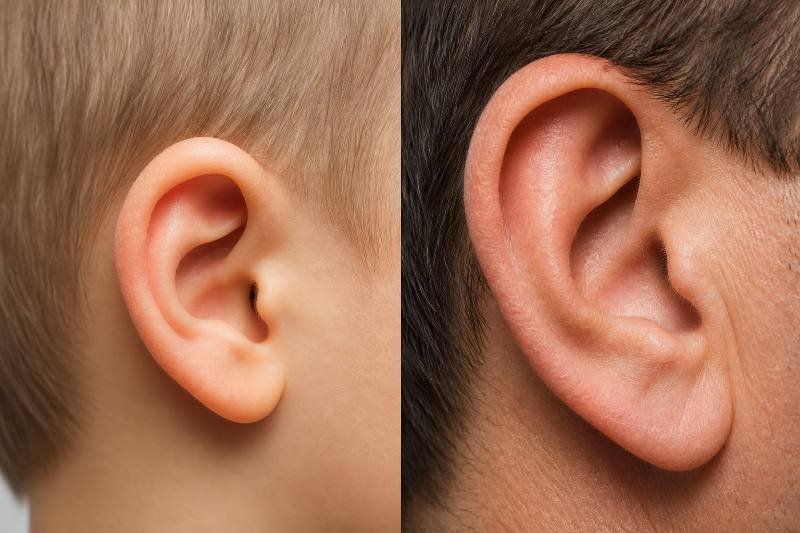
Ear cartilage development is typically complete enough for otoplasty when the ears have reached approximately 85-90% of their adult size, which usually occurs between the ages of 5 and 7. At this stage, the cartilage is firm enough to be reshaped effectively and maintain its new position. This developmental milestone is a primary factor in determining the ideal otoplasty age limit.
Performing the surgery before this developmental stage can lead to less predictable results because the cartilage is still too pliable and prone to growth changes. A thorough examination by a plastic surgeon will confirm the maturity of the ear cartilage, ensuring the optimal otoplasty age limit for the procedure.
Otoplasty for Children and Teenagers: Optimal Timing and Benefits of Otoplasty Age Limit
For many families, the decision to pursue otoplasty for a child is driven by concerns about bullying or self-consciousness related to prominent ears. Addressing these issues at an appropriate otoplasty age limit can have profound psychological benefits, fostering greater self-esteem and confidence during formative years. The timing of the surgery is crucial for both physical and emotional success.
Teenagers also represent a significant group benefiting from otoplasty, as body image concerns intensify during adolescence. Understanding the optimal otoplasty age limit for this group ensures that the procedure aligns with their physical maturity and emotional readiness, leading to highly satisfying outcomes.
Psychological Benefits and Otoplasty Age Limit
Are psychological benefits a primary consideration when performing otoplasty on younger children? Absolutely. Children with prominent ears often face teasing or bullying, which can severely impact their self-esteem and social development. Performing otoplasty at an appropriate otoplasty age limit, typically before they start school or early in their school years, can prevent these negative experiences.
By correcting the ear prominence, children can avoid potential psychological distress, leading to improved confidence and a more positive self-image. This proactive approach highlights the importance of the otoplasty age limit not just for physical development, but also for emotional well-being.
Preparing a Child for Otoplasty Surgery
How should parents prepare a child of appropriate age for otoplasty surgery? Open and honest communication is key. Explain the procedure in simple terms, emphasizing that it will help their ears look more balanced. Involve them in the decision-making process to empower them and reduce anxiety regarding the otoplasty age limit and the surgery itself.
Discuss what to expect before, during, and after the surgery, including the need to wear a protective headband during recovery. Reassure them that any discomfort will be managed with medication. A positive and supportive environment significantly contributes to a smooth recovery and a successful outcome for the otoplasty age limit patient.
Can Teenagers Benefit from Otoplasty?
Teenagers can greatly benefit from otoplasty, as prominent ears can significantly impact self-esteem during these formative years. The optimal otoplasty age limit range for teenagers is typically from 13 to 18. At this stage, ear development is complete, and teenagers are often mature enough to understand the procedure and actively participate in their recovery, leading to excellent psychological and aesthetic outcomes.
For many teenagers, otoplasty can be a transformative experience, alleviating self-consciousness and boosting confidence during a critical period of self-discovery. The benefits extend beyond aesthetics, contributing positively to their social interactions and overall well-being. This makes the otoplasty age limit for teenagers a valuable consideration.
Risks of Otoplasty on Very Young Children
Performing otoplasty on very young children (before age 5) carries specific risks. The ear cartilage may still be too soft and underdeveloped, leading to less predictable results or a higher chance of recurrence. Additionally, very young children may struggle to tolerate anesthesia or adhere to post-operative care, increasing complication risks related to the otoplasty age limit.
Surgeons generally advise waiting until the ears are more mature to ensure the best possible outcome and minimize potential complications. This cautious approach underscores the importance of adhering to the recommended otoplasty age limit guidelines for pediatric patients.
Considering Otoplasty Age Limit? Consult The Face Doctor of Florida
Dr. Shashi Kusuma, a board-certified plastic surgeon, provides expert otoplasty consultations in Weston, FL, ensuring personalized and natural-looking results for all ages. Our authoritative approach prioritizes patient safety and satisfaction.
Adult Otoplasty Age Limit: Never Too Late for Confidence with Otoplasty Age Limit
While much of the discussion around otoplasty focuses on children, adults also frequently seek this procedure to address long-standing concerns about their ears. For adults, the considerations shift from developmental milestones to overall health and personal aesthetic goals. The good news is that the concept of an otoplasty age limit is far more flexible for adult patients.
Adult otoplasty can significantly enhance facial harmony and boost self-confidence, proving that it’s never too late to achieve the look you desire. The procedure offers a permanent solution for those who have lived with prominent ears for years, providing a renewed sense of self-assurance, regardless of their otoplasty age limit.
Is There an Upper Otoplasty Age Limit for Adults?
No, there is generally no upper otoplasty age limit for adults. As long as an adult is in good overall health and has realistic expectations, otoplasty can be safely and effectively performed at any age. The procedure can significantly improve self-confidence and facial symmetry for adult patients who have long been bothered by prominent or misshapen ears.
Adults considering otoplasty should undergo a thorough medical evaluation to ensure they are good candidates for surgery and anesthesia. This assessment focuses on general health rather than a strict otoplasty age limit, making it accessible to a wide range of patients.
Recovery Differences: Children vs. Adults and Otoplasty Age Limit
How does age influence the recovery period after otoplasty surgery? Age can influence the recovery period after otoplasty surgery. Children often heal more quickly than adults, but their compliance with wearing headbands and avoiding strenuous activities can be more challenging. Adults typically have a slightly longer healing process, but their adherence to post-operative instructions tends to be better, contributing to smoother otoplasty age limit recoveries.
Regardless of age, following post-operative care instructions diligently is crucial for optimal healing and results. This includes keeping the surgical site clean, avoiding strenuous activities, and attending follow-up appointments. Understanding these differences helps manage expectations for the otoplasty age limit patient.
Who is Considered the Ideal Candidate for Otoplasty Based on Age and Development?
The ideal candidate for otoplasty, based on age and ear development, is typically a child between 5 and 14 years old. At this stage, their ears are almost fully grown, the cartilage is stable yet still pliable, and they are usually old enough to understand the procedure and cooperate with recovery. Adults of any age in good health are also ideal candidates, as their ear structure is fully mature, allowing for predictable results, adhering to the otoplasty age limit guidelines.
For children, psychological readiness is as important as physical development. For adults, overall health and realistic expectations are key. A comprehensive consultation will determine if you or your child is an ideal candidate for otoplasty, considering all aspects of the otoplasty age limit.
Practical Considerations for Otoplasty Age Limit
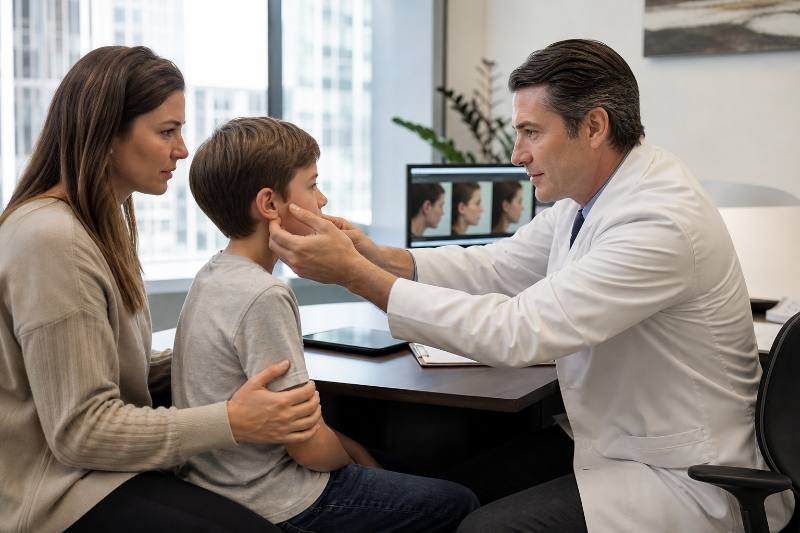
Beyond the medical and psychological aspects of the otoplasty age limit, there are several practical considerations that parents and adult patients should explore. These include understanding the financial investment, finding a qualified surgeon, and knowing what questions to ask during a consultation. Addressing these points ensures a well-rounded and informed decision-making process.
Exploring non-surgical alternatives for infants and understanding insurance coverage can also be vital steps. These practical elements contribute to a comprehensive plan for anyone considering otoplasty, regardless of their specific otoplasty age limit.
Cost of Otoplasty: Children vs. Adults
What is the average cost of otoplasty for children versus adults? The cost of otoplasty can vary significantly based on the surgeon’s fees, anesthesia costs, facility fees, and the complexity of the procedure. Generally, the average cost for otoplasty ranges from $3,000 to $5,000, whether for a child or an adult. However, this can fluctuate based on geographic location and the surgeon’s experience.
It is important to obtain a detailed quote during your consultation, as the specific needs of each patient, regardless of their otoplasty age limit, will influence the final price. Some clinics may offer package deals, and understanding all components of the cost is crucial.
Finding an Experienced Otoplasty Surgeon
Where can I find experienced otoplasty surgeons who specialize in pediatric cases? Finding a board-certified plastic surgeon with extensive experience in otoplasty, especially with pediatric patients, is paramount. Look for surgeons who are members of reputable professional organizations such as the American Society of Plastic Surgeons (ASPS) or the American Academy of Facial Plastic and Reconstructive Surgery (AAFPRS).
Reviewing before-and-after photos, reading patient testimonials, and verifying their credentials are all important steps. A surgeon’s expertise is a critical factor in achieving successful and natural-looking results, regardless of the patient’s otoplasty age limit. You can find more information about choosing a qualified surgeon from authoritative sources like the American Society of Plastic Surgeons.
Key Questions for Your Otoplasty Surgeon
What key questions should I ask an otoplasty surgeon regarding age-specific outcomes? During your consultation, inquire about the surgeon’s experience with patients in your or your child’s age group. Ask to see before-and-after photos of similar cases. Discuss potential risks and complications specific to the patient’s otoplasty age limit.
Important questions include: What is the typical recovery time for this age? What kind of anesthesia will be used? What are the expected long-term results? How many otoplasty procedures do you perform annually? These questions will help you gauge the surgeon’s expertise and ensure you are fully informed about the otoplasty age limit considerations.
Non-Surgical Alternatives for Infants
What non-surgical alternatives to otoplasty exist for infants with ear concerns? For infants, non-surgical ear molding is an effective alternative to otoplasty, particularly for prominent ears or other shape irregularities. This technique involves using custom-fitted molds or splints to gently reshape the soft cartilage of the infant’s ear, typically within the first few weeks or months of life.
The cartilage is most pliable during this period due to circulating maternal hormones, making it highly responsive to molding. This approach can often correct ear deformities without the need for surgery later in life, offering a valuable option before the typical otoplasty age limit is reached.
Insurance Coverage and Otoplasty Age Limit
Do insurance providers typically cover otoplasty at certain ages or for specific medical reasons? Otoplasty is generally considered a cosmetic procedure, and as such, it is often not covered by insurance. However, there are exceptions. If the ear deformity is causing significant functional impairment, such as affecting hearing or the ability to wear glasses, or if there is documented psychological distress due to severe prominence, insurance might provide partial coverage.
It is essential to contact your insurance provider directly to understand their specific policies and requirements. They may require a letter of medical necessity from your surgeon, especially when considering the otoplasty age limit for children. Always clarify coverage details before proceeding with the procedure.
Understanding the nuances of the otoplasty age limit is crucial for anyone considering this transformative procedure. Whether for a child or an adult, the decision involves weighing physical development, psychological readiness, and practical considerations. The good news is that otoplasty offers a safe and effective solution for correcting prominent ears, leading to enhanced confidence and improved quality of life across a broad age spectrum.
By consulting with an experienced, board-certified plastic surgeon, you can ensure that the timing is right and that your aesthetic goals are met with precision and care.
What is the youngest age a child can undergo otoplasty?
The youngest age a child can typically undergo otoplasty is around 5 to 7 years old. By this age, the ear cartilage is sufficiently developed and stable, allowing for effective and lasting reshaping. It’s also an age when children are usually cooperative with the post-operative care instructions, which is crucial for a successful recovery from otoplasty age limit considerations.
Is there an upper age limit for adults considering otoplasty?
No, there is generally no upper Otoplasty age limit for adults. As long as an adult is in good overall health and has realistic expectations, otoplasty can be safely and effectively performed at any age. The procedure can significantly improve self-confidence and facial symmetry for adult patients who have long been bothered by prominent or misshapen ears.
Why is patient age a critical factor in otoplasty eligibility?
Patient age is critical for otoplasty eligibility because it directly relates to ear cartilage development and the child’s psychological readiness. For children, waiting until the ears are nearly fully grown (around age 5-7) ensures the results are stable and long-lasting. Psychologically, it helps ensure the child understands the procedure and can cooperate with recovery, making the Otoplasty age limit important.
How does age influence the recovery period after otoplasty surgery?
Age can influence the recovery period after otoplasty surgery. Children often heal more quickly than adults, but their compliance with wearing headbands and avoiding strenuous activities can be more challenging. Adults typically have a slightly longer healing process, but their adherence to post-operative instructions tends to be better, contributing to smoother Otoplasty age limit recoveries.
What are the specific risks associated with performing otoplasty on very young children?
Performing otoplasty on very young children (before age 5) carries specific risks. The ear cartilage may still be too soft and underdeveloped, leading to less predictable results or a higher chance of recurrence. Additionally, very young children may struggle to tolerate anesthesia or adhere to post-operative care, increasing complication risks related to the Otoplasty age limit.
Can teenagers benefit from otoplasty, and what is the optimal age range for them?
Teenagers can greatly benefit from otoplasty, as prominent ears can significantly impact self-esteem during these formative years. The optimal Otoplasty age limit range for teenagers is typically from 13 to 18. At this stage, ear development is complete, and teenagers are often mature enough to understand the procedure and actively participate in their recovery, leading to excellent psychological and aesthetic outcomes.
Who is considered the ideal candidate for otoplasty based on age and ear development?
The ideal candidate for otoplasty, based on age and ear development, is typically a child between 5 and 14 years old. At this stage, their ears are almost fully grown, the cartilage is stable yet still pliable, and they are usually old enough to understand the procedure and cooperate with recovery. Adults of any age in good health are also ideal candidates, as their ear structure is fully mature, allowing for predictable results, adhering to the Otoplasty age limit guidelines.