
Otoplasty Ear Correction: 3 Powerful Techniques for Stunning Balanced Symmetry
The appearance of our ears plays a significant role in overall facial harmony and self-confidence. For many, prominent or misshapen ears can be a source of self-consciousness, impacting how they feel about their reflection. Fortunately, Otoplasty Ear Correction offers a transformative solution, designed to reshape, reposition, or reduce the size of the ears, creating a more balanced and aesthetically pleasing profile. This sophisticated surgical procedure can dramatically improve the appearance of the ears, leading to enhanced self-esteem and a more harmonious facial aesthetic.
In this comprehensive guide, we will delve into the world of ear reshaping surgery. We’ll explore what the procedure entails, detail the three powerful techniques surgeons employ to achieve stunning symmetry, and discuss who makes an ideal candidate. Our aim is to provide you with a clear understanding of how Otoplasty Ear Correction can help you or your loved one achieve the balanced and confident look you desire.
Key Takeaways
- Understand how Otoplasty Ear Correction addresses prominent ears and other deformities, restoring balance and symmetry.
- Discover the 3 powerful surgical techniques—suture, scoring, and combination methods—used to achieve optimal ear reshaping results.
- Learn about the ideal candidates for Otoplasty Ear Correction, including children, teenagers, and adults seeking lasting aesthetic improvement.
- Gain insights into the recovery process, potential risks, and the impressive longevity of results from Otoplasty Ear Correction.
What is Otoplasty Ear Correction Surgery? Understanding the Procedure
Otoplasty Ear Correction surgery is a cosmetic procedure designed to improve the shape, position, or proportion of the ear. It is most commonly performed to set prominent ears closer to the head or to reduce the size of large ears. This procedure can also correct ear deformities present from birth or those caused by injury, providing a more balanced and aesthetically pleasing appearance.
The goal of Otoplasty Ear Correction is to create natural-looking ears that are in proportion with the face and head, enhancing overall facial symmetry. It’s a highly individualized procedure, tailored to meet the specific needs and aesthetic goals of each patient. Understanding the difference between otoplasty and general ear reshaping is important; otoplasty specifically targets the cartilage to correct protrusion or shape, while ear reshaping can be a broader term for various ear modifications.
Addressing Prominent Ears with Otoplasty Ear Correction
Prominent ears are often a primary concern for individuals seeking Otoplasty Ear Correction. This condition, where the ears stick out noticeably from the side of the head, can be caused by an underdeveloped antihelical fold or an excess of cartilage in the concha (the bowl-shaped part of the outer ear). The surgery effectively repositions the ears closer to the head, creating a more subtle and harmonious profile.
Beyond Protrusion: Correcting Other Ear Deformities with Otoplasty Ear Correction
While prominent ears are common, Otoplasty Ear Correction is also versatile enough to address a range of other ear deformities. These can include lop ear (where the top of the ear folds downward), constricted ear, Stahl’s ear, or even certain earlobe deformities. The specific technique chosen by the surgeon will depend on the unique nature of the deformity and the desired outcome, ensuring comprehensive correction.
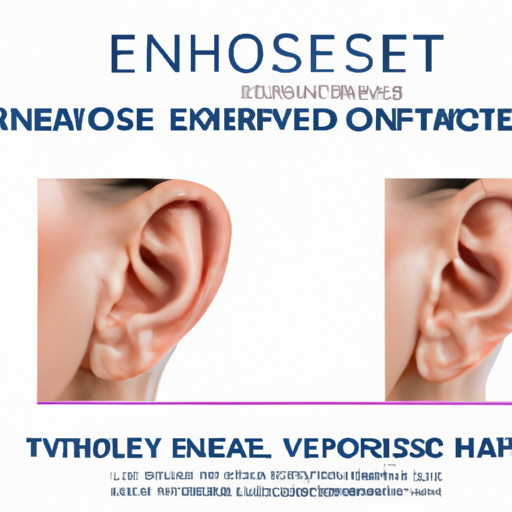
3 Powerful Techniques for Otoplasty Ear Correction
Achieving optimal results in Otoplasty Ear Correction relies on a surgeon’s ability to select and skillfully execute the most appropriate technique for each patient’s unique ear anatomy. While there are variations, most otoplasty procedures fall into three main categories, often used in combination to sculpt the ideal ear shape and position.
Technique 1: Cartilage Suture Method for Otoplasty Ear Correction
The cartilage suture method is one of the most common and effective techniques in Otoplasty Ear Correction. This approach involves making small incisions, typically behind the ear, to expose the cartilage. Non-dissolvable sutures are then strategically placed within the cartilage to create or enhance the antihelical fold, which helps to pin the ear back closer to the head. This method is excellent for reshaping the ear’s natural contours without removing cartilage.
Technique 2: Cartilage Scoring Method for Otoplasty Ear Correction
The cartilage scoring method is another powerful technique used in Otoplasty Ear Correction, particularly when the ear cartilage is stiff and resistant to bending with sutures alone. In this approach, the surgeon carefully scores or weakens the cartilage on the front surface of the ear. This scoring allows the cartilage to bend more easily and naturally, enabling it to be reshaped and repositioned closer to the head. This technique is often combined with sutures for refined results.
Technique 3: Combination Approaches in Otoplasty Ear Correction
Many successful Otoplasty Ear Correction procedures utilize a combination of techniques. For instance, a surgeon might use sutures to create the antihelical fold and then remove a small amount of conchal cartilage to reduce the overall prominence of the ear. This tailored approach allows for precise control over the final shape and position, ensuring that the ears appear natural and symmetrical. The choice of technique is always determined during a personalized consultation.
Who is an Ideal Candidate for Otoplasty Ear Correction?
Determining candidacy for Otoplasty Ear Correction involves several factors, including age, overall health, and realistic expectations. The procedure is suitable for a wide range of individuals, from young children to adults, who are bothered by the appearance of their ears and wish to achieve greater facial harmony.
Otoplasty Ear Correction for Children and Adolescents
The ideal age for a child to undergo Otoplasty Ear Correction is typically between 5 and 10 years old. By this age, the ears are nearly fully grown, and the cartilage is still pliable enough for effective reshaping. Performing the surgery at this age can also help children avoid potential teasing and self-consciousness that may arise in school. Candidates should be mature enough to understand the procedure and cooperate with aftercare instructions.
Adult Candidates for Otoplasty Ear Correction
Adults are also excellent candidates for Otoplasty Ear Correction. Many adults have lived with prominent or misshapen ears for years and decide to pursue surgery later in life to boost their confidence. Adult candidates should be in good general health, non-smokers, and have realistic expectations about the outcomes of the procedure. The benefits of improved self-esteem and balanced facial features are significant at any age.
Preparing for Your Otoplasty Ear Correction Journey
A successful Otoplasty Ear Correction journey begins with thorough preparation, starting with an in-depth consultation and understanding the steps leading up to surgery. This ensures both your safety and the best possible aesthetic outcome.
What to Expect During an Otoplasty Consultation
During an Otoplasty Ear Correction consultation, your surgeon will conduct a detailed examination of your ears, assessing their size, shape, and proportion relative to your face. You will discuss your aesthetic goals, medical history, and any concerns you may have. The surgeon will explain the various surgical techniques, potential outcomes, risks, and the recovery process, creating a personalized treatment plan tailored to your needs. This is also the time to ask any questions you have about the procedure.
Essential Steps for Otoplasty Ear Correction Preparation
Preparation for Otoplasty Ear Correction surgery typically involves several key steps. You may be advised to stop smoking several weeks before surgery, as nicotine can impair healing. Certain medications, such as aspirin, ibuprofen, and herbal supplements that can increase bleeding, should also be avoided. Your surgeon will provide specific pre-operative instructions, including guidelines for eating and drinking before the procedure, and arranging for someone to drive you home and assist you during the initial recovery period.
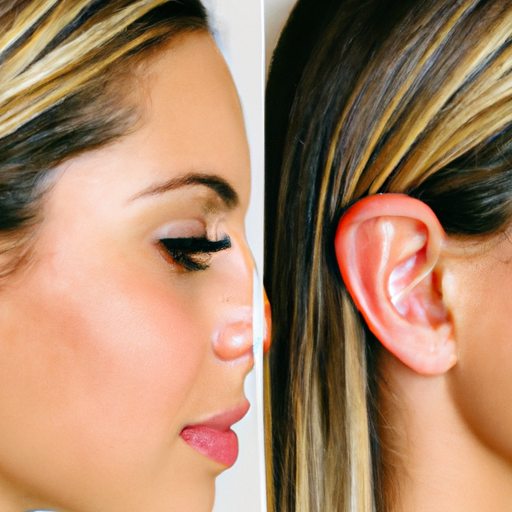
Otoplasty Ear Correction: Recovery, Risks, and Lasting Results
Understanding the recovery process, potential risks, and the longevity of results is crucial for anyone considering Otoplasty Ear Correction. This knowledge helps set realistic expectations and ensures a smooth post-operative experience.
What is the Recovery Time After Otoplasty Ear Correction?
The recovery time after Otoplasty Ear Correction varies, but most patients require 1-2 weeks for initial healing. Immediately after surgery, a bulky head dressing will be applied to protect the ears and promote healing. This dressing is typically worn for a few days. Following its removal, a lighter, elastic headband is usually worn continuously for several weeks, and then only at night for an additional few weeks, to maintain the new ear position. Swelling and bruising are common but gradually subside. Strenuous activities should be avoided for about 4-6 weeks, with full healing taking several months. For more detailed information on recovery, you can consult resources like the American Society of Plastic Surgeons on Otoplasty Recovery.
Understanding Risks and Potential Complications of Otoplasty Ear Correction
Like any surgical procedure, Otoplasty Ear Correction carries potential risks and complications. These can include infection, bleeding, adverse reactions to anesthesia, changes in skin sensation, and asymmetry. While rare, more specific complications can involve unsatisfactory cosmetic results or keloid scarring. Choosing a board-certified plastic surgeon with extensive experience in otoplasty significantly minimizes these risks. Your surgeon will discuss all potential complications during your consultation.
How Long Do the Results of Otoplasty Ear Correction Last?
The results of Otoplasty Ear Correction are generally considered permanent. Once the ears have been reshaped and have fully healed in their new position, they should maintain their improved appearance for a lifetime. This lasting aesthetic improvement is one of the most compelling reasons individuals choose to undergo the procedure, providing enduring confidence and facial harmony.
Financial Considerations: Cost and Coverage for Otoplasty Ear Correction
When considering Otoplasty Ear Correction, understanding the financial aspects, including typical costs and insurance coverage, is an important step in your decision-making process.
How Much Does Otoplasty Ear Correction Typically Cost?
The cost of Otoplasty Ear Correction can vary significantly based on several factors, including the complexity of the procedure, the surgeon’s fees, anesthesia costs, and facility charges. In areas like Weston, FL, prices typically range from $3,000 to $5,000 or more. A personalized consultation is essential to receive an accurate quote, as it allows the surgeon to assess your specific needs and tailor a treatment plan accordingly.
Does Insurance Cover Otoplasty Ear Correction for Prominent Ears?
In most cases, Otoplasty Ear Correction for prominent ears is considered a cosmetic procedure and is not covered by health insurance. However, if the ear deformity causes significant functional impairment, such as severe hearing issues that cannot be corrected otherwise, or chronic infections due to the ear’s shape, some insurance plans might offer partial coverage. Such cases are rare, and it is always advisable to check with your insurance provider directly for clarification on coverage.
Exploring Alternatives to Otoplasty Ear Correction
While Otoplasty Ear Correction is the most effective permanent solution for reshaping ears, some individuals may wonder about non-surgical alternatives, particularly for younger patients.
Non-Surgical Options for Ear Correction
For infants, ear molding can be a highly effective non-surgical alternative to Otoplasty Ear Correction. This technique involves using a custom-fitted mold or splint to gently reshape the soft cartilage of a newborn’s ear. It is most successful when started within the first few weeks of life, as the ear cartilage is still very pliable due to maternal hormones. For older children and adults, however, non-surgical options are generally very limited or ineffective for achieving permanent structural changes to the ear cartilage.
Ready to explore your options for Otoplasty Ear Correction? Schedule a personalized consultation with Dr. Shashi Kusuma at The Face Doctor of Florida to achieve balanced and beautiful results.
Why Choose Otoplasty Ear Correction for Balanced Facial Harmony?
Choosing Otoplasty Ear Correction is a decision to invest in your self-confidence and achieve lasting facial harmony. The procedure offers a permanent and highly effective solution for concerns ranging from prominent ears to various congenital deformities. By correcting these issues, otoplasty can significantly enhance your overall appearance, creating a more balanced and aesthetically pleasing facial profile.
The psychological benefits of Otoplasty Ear Correction are profound. For many, it means an end to self-consciousness and the ability to wear hairstyles they previously avoided. It can lead to a significant boost in self-esteem, allowing individuals to feel more comfortable and confident in social and professional settings. The transformative power of this surgery extends far beyond physical changes, impacting quality of life positively.
Finding the Best Otoplasty Surgeon Near You
Finding the best surgeon for Otoplasty Ear Correction is paramount to achieving successful and natural-looking results. It involves researching board-certified plastic surgeons who specialize in facial procedures, reviewing their before-and-after galleries, and reading patient testimonials. For residents in Weston, FL, and surrounding areas, Dr. Shashi Kusuma at The Face Doctor of Florida is a highly respected choice, known for her expertise and artistic approach to facial aesthetics.
What is otoplasty ear correction surgery?
Otoplasty ear correction surgery is a cosmetic procedure designed to reshape, resize, or reposition the ears. It is most commonly performed to address prominent or protruding ears, but can also correct other ear deformities, creating a more balanced and harmonious facial appearance.
How much does otoplasty ear correction typically cost?
The cost of otoplasty ear correction can vary significantly based on factors like the complexity of the procedure, the surgeon’s fees, anesthesia costs, and facility charges. In Weston, FL, prices typically range from $3,000 to $5,000 or more. A personalized consultation will provide an accurate quote.
What is the recovery time after otoplasty surgery?
Most patients require 1-2 weeks of initial recovery from otoplasty ear correction. A head dressing is worn for a few days, followed by a lighter headband for several weeks, especially at night. Strenuous activities should be avoided for about 4-6 weeks, with full healing taking several months.
Who is a good candidate for otoplasty ear correction?
Good candidates for otoplasty ear correction include children aged five or older with fully developed ears, teenagers, and adults who are bothered by the appearance of their ears, particularly if they protrude significantly. Candidates should be in good general health and have realistic expectations.
Are there non-surgical alternatives to ear correction?
For infants, ear molding can be a highly effective non-surgical alternative to otoplasty ear correction, ideally started within the first few weeks of life. However, for older children and adults, non-surgical options are generally very limited or ineffective for permanent structural changes.
What are the risks and potential complications of otoplasty?
Like any surgery, otoplasty ear correction carries risks such as infection, bleeding, adverse reaction to anesthesia, and changes in sensation. While rare, more specific complications can include asymmetry, unsatisfactory results, or keloid scarring. Choosing a board-certified surgeon minimizes these risks.
How long do the results of otoplasty last?
The results of otoplasty ear correction are generally considered permanent. Once the ears have been reshaped and have healed, they should maintain their new position and appearance for a lifetime, providing lasting aesthetic improvement.
Where can I find the best otoplasty surgeon near me?
Finding the best otoplasty surgeon involves researching board-certified plastic surgeons specializing in facial procedures, reviewing their before-and-after galleries, and reading patient testimonials. For residents in Weston, FL, and surrounding areas, Dr. Shashi Kusuma at The Face Doctor of Florida is a highly respected choice.
What is the ideal age for a child to undergo otoplasty?
The ideal age for a child to undergo otoplasty ear correction is typically between 5 and 10 years old. By this age, the ears are nearly fully grown, and the child is mature enough to cooperate with the procedure and recovery, often before self-consciousness or teasing begins.
Does insurance cover otoplasty for prominent ears?
In most cases, otoplasty ear correction for prominent ears is considered a cosmetic procedure and is not covered by insurance. However, if the ear deformity causes significant functional impairment (e.g., severe hearing issues or chronic infections), some insurance plans might offer partial coverage, but this is rare.
What is the difference between otoplasty and ear reshaping?
Otoplasty is a specific type of ear reshaping surgery that primarily focuses on correcting the angle and shape of the ear cartilage to reduce prominence. Ear reshaping is a broader term that can encompass otoplasty but also includes procedures like earlobe repair, ear reduction, or reconstruction for other deformities.
What should I expect during an otoplasty consultation?
During an otoplasty consultation at The Face Doctor of Florida, you can expect a thorough examination of your ears and discussion of your aesthetic goals. Dr. Kusuma will explain the surgical techniques, potential outcomes, risks, and recovery process for your personalized otoplasty ear correction plan.
How do I prepare for otoplasty ear correction surgery?
Preparation for otoplasty ear correction surgery typically involves avoiding certain medications (like aspirin or anti-inflammatories) that can increase bleeding, refraining from smoking, and arranging for transportation and assistance during your initial recovery. Specific instructions will be provided by your surgeon.
Why choose otoplasty for correcting protruding ears?
Otoplasty is the most effective and permanent solution for correcting protruding ears because it directly reshapes the underlying cartilage. This procedure provides lasting aesthetic improvement, enhancing facial harmony and boosting self-confidence for individuals bothered by the appearance of their ears.
Can otoplasty correct other ear deformities like lop ear?
Yes, otoplasty ear correction is versatile and can correct various other ear deformities besides protrusion, including lop ear (where the top of the ear folds downward), constricted ear, Stahl’s ear, and certain earlobe deformities. The specific technique used will depend on the nature of the deformity.
Your Invitation to Lasting Facial Harmony
The journey to enhanced self-confidence and balanced facial harmony is within reach with Otoplasty Ear Correction. As we’ve explored, this procedure offers powerful techniques to address prominent ears and other deformities, providing results that are both stunning and permanent. From understanding the surgical methods to navigating recovery and costs, making an informed decision is key to a successful outcome.
If you are ready to explore how Otoplasty Ear Correction can transform your appearance and boost your self-esteem, we invite you to take the next step. A personalized consultation with an experienced, board-certified plastic surgeon is the best way to discuss your goals and determine the ideal treatment plan for you. Embrace the opportunity to achieve the balanced and beautiful symmetry you deserve.