
Otoplasty Post-Op: 6 Essential Steps for Optimal Healing at Suria Plastic Surgery
Achieving the desired aesthetic outcome after ear pinning surgery hinges significantly on diligent Otoplasty Post-Op care. The recovery period is a critical phase where careful attention to specific instructions ensures optimal healing and the beautiful, natural-looking results you envision. At The Face Doctor of Florida – Suria Plastic Surgery, led by board-certified Dr. Shashi Kusuma, we specialize in advanced facial procedures, including otoplasty, and are committed to guiding you through every step of your recovery journey.
This comprehensive guide details 6 essential care steps designed to promote a smooth healing process, minimize complications, and help you achieve the refined, “refreshed, not overdone” outcome that is our core philosophy. We believe that personalized consultations and unwavering patient safety are paramount, especially during the crucial post-operative phase.
Key Takeaways
- Understand the typical recovery timeline for ear surgery, from initial healing to final results, to manage expectations effectively.
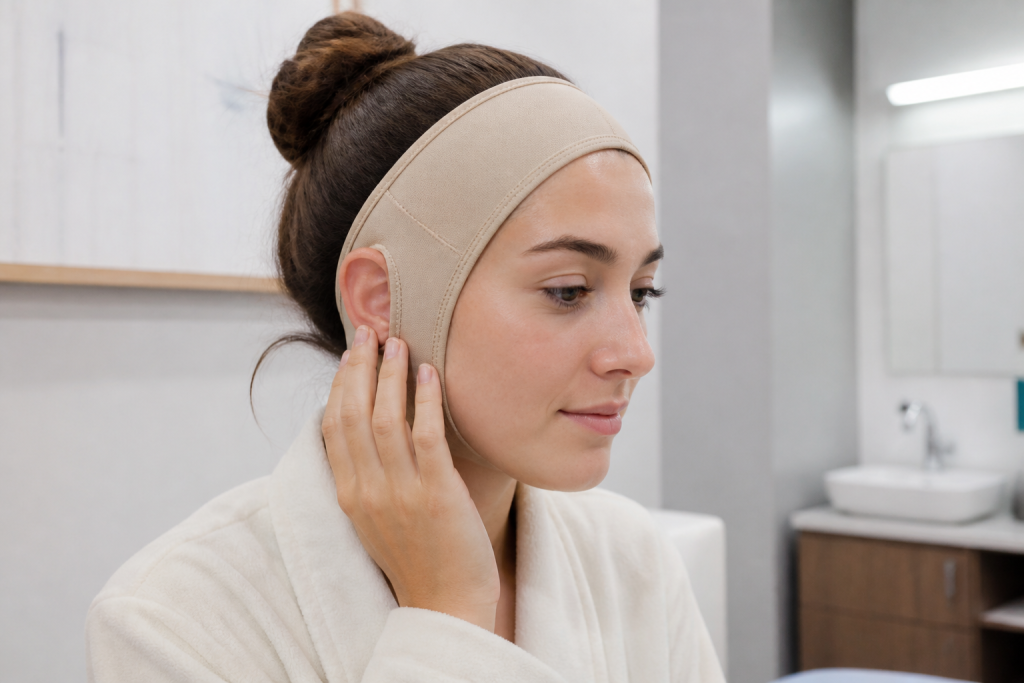
- Learn the critical role of compression headbands and dressings in protecting your newly reshaped ears and ensuring their proper positioning.
- Master effective pain management strategies and adhere to medication guidelines provided by your surgeon for a comfortable recovery.
- Discover the correct techniques and timing for gentle hygiene to keep incision sites clean and prevent infection.
- Implement protective measures for your healing ears, including proper sleeping positions and activity restrictions, while recognizing potential complications.
- Benefit from the personalized post-surgical care for otoplasty and expert guidance offered by Dr. Shashi Kusuma and the team at The Face Doctor of Florida – Suria Plastic Surgery.
Understanding Your Otoplasty Post-Op Recovery Timeline
Understanding the recovery period after ear pinning surgery requires a clear understanding of what to expect. Initial recovery typically involves wearing a compression headband for 1 to 2 weeks continuously, followed by several more weeks of nighttime wear. Swelling and bruising will gradually subside over 3 to 6 weeks, with the final results becoming fully apparent after 6 months to a year.
Immediately after your procedure at Suria Plastic Surgery, a bulky dressing will be applied to protect your ears. This dressing usually remains in place for a few days. During this acute phase, you can expect some discomfort and swelling, which is a normal part of the healing process. Our team will provide precise instructions for managing these initial days.
As you progress, the focus shifts to the intermediate healing phase. This is when the compression headband becomes your primary protective garment, supporting the new ear position. Patience is truly essential during this time, as your body works to heal and adapt to the changes. Dr. Shashi Kusuma emphasizes that adherence to these guidelines is crucial for achieving the refined outcomes our patients expect.
Full healing, where all swelling has resolved and the tissues have completely settled, can take up to a year. While the aesthetic improvements are often visible much sooner, the subtle refinements continue over many months. We ensure every patient receives a tailored treatment plan, including detailed post-operative guidance, which is a cornerstone of our patient approach at The Face Doctor of Florida.
Managing Your Headband and Dressings: A Crucial Otoplasty Post-Op Step
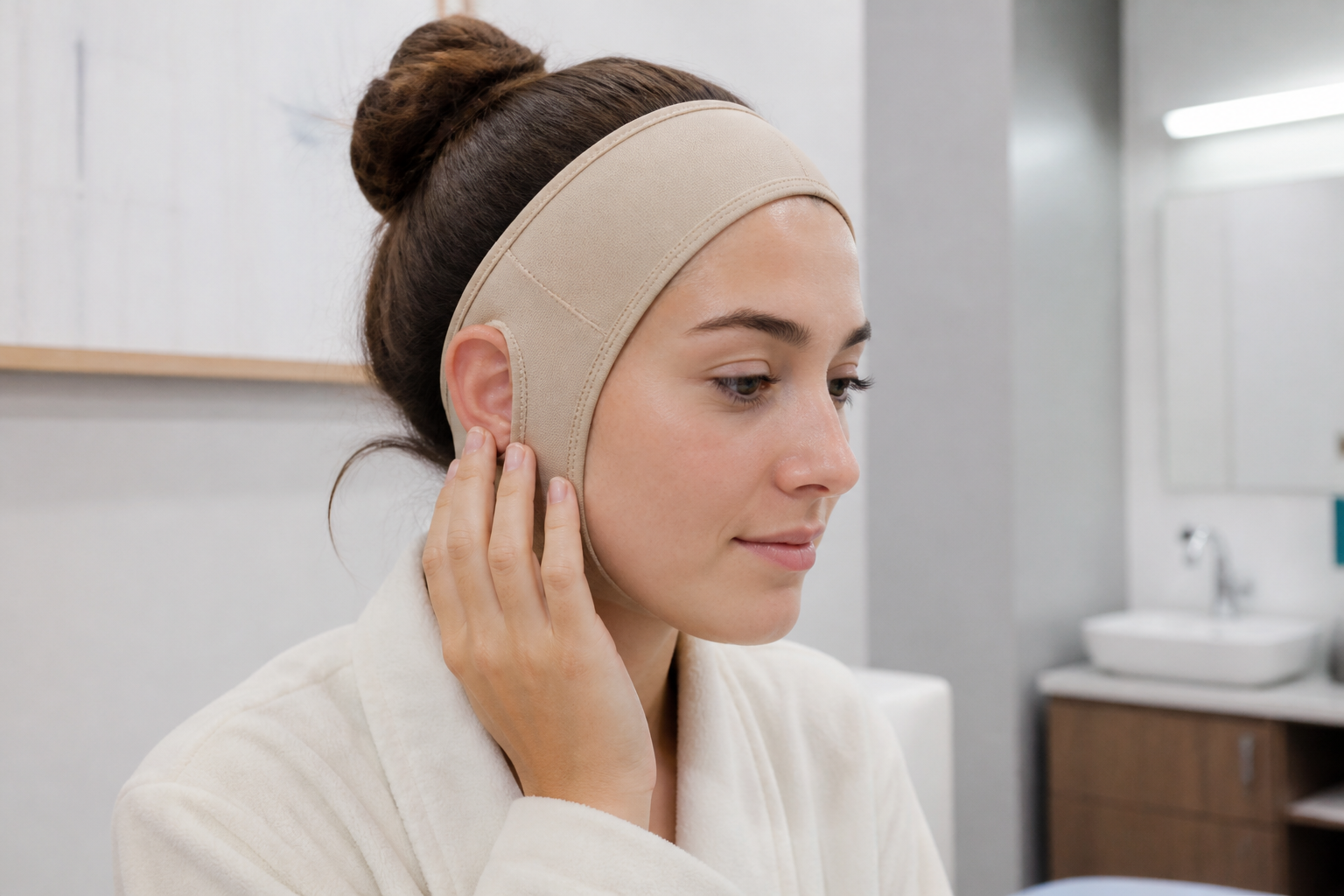
Proper management of your headband and dressings is paramount for protecting the newly reshaped ears and ensuring optimal healing after otoplasty. The initial dressing, applied immediately after surgery, serves to reduce swelling and provide gentle compression. This dressing is typically removed within a few days during your first follow-up appointment at Suria Plastic Surgery.
Following the removal of the initial dressing, you will transition to wearing a compression headband. This specialized headband is designed to hold your ears in their new position and protect them from accidental trauma. You will typically need to wear it continuously, day and night, for the first 1 to 2 weeks.
After this initial period, the recommendation is usually to wear the headband only at night for an additional 4 to 6 weeks. This prolonged nighttime wear is crucial to prevent the ears from folding forward or being disturbed while you sleep. Consistent use, as instructed by Dr. Kusuma, directly contributes to the long-term success of your ear pinning procedure.
It is vital to keep the headband clean and dry. Avoid any actions that could pull or place undue pressure on your ears. Our team at The Face Doctor of Florida will provide specific instructions on when and how to change or clean your headband, ensuring patient safety and supporting your “refreshed, not overdone” results.
Effective Pain Management and Medication Guidelines
Pain after otoplasty is typically manageable, with discomfort usually peaking in the first few days following surgery. Effective pain management is a key component of a comfortable recovery after otoplasty, allowing you to rest and heal properly. Dr. Shashi Kusuma will prescribe appropriate oral pain medication to help control any discomfort you may experience.
It is crucial to take your prescribed medications exactly as directed. Do not wait until the pain becomes severe before taking your medication, as it is often more challenging to get it under control once it intensifies. Over-the-counter pain relievers, such as acetaminophen, may also be recommended in conjunction with or as a transition from stronger prescriptions.
In addition to oral medications, applying cold compresses to the areas around your ears can significantly help reduce swelling and alleviate discomfort during the initial recovery days. Always ensure any compresses are gentle and do not apply direct pressure to the surgical sites or disturb your dressings.
During your personalized consultation at The Face Doctor of Florida – Suria Plastic Surgery, we will discuss a detailed pain management plan tailored to your needs. Should you experience persistent severe pain, or if your pain is not adequately controlled by the prescribed medication, please contact our office in Weston, FL, immediately for guidance. Your comfort and patient safety are our highest priorities.
Gentle Hygiene: When and How to Clean Your Ears After Surgery
Maintaining gentle hygiene around your incision sites is essential to prevent infection and promote optimal healing during your recovery period. While it’s natural to want to keep clean, specific guidelines must be followed to protect your delicate healing ears. Typically, you can shower and gently wash your hair a few days after surgery, usually around 48 to 72 hours, once the initial dressing has been removed.
When showering, it is crucial to avoid direct water pressure on your ears. Use a mild, unscented soap and gently cleanse the areas surrounding your ears, taking care not to rub or scrub the incision lines. You can carefully dab the incision sites with sterile cotton swabs moistened with saline solution or as specifically instructed by Dr. Kusuma.
After showering, gently pat the areas dry with a clean, soft towel. It is vital to ensure the incision areas remain dry to prevent moisture accumulation, which can hinder healing and increase the risk of infection. Avoid using any harsh chemicals, alcohol-based products, or scented lotions near your ears during this sensitive time.
Our team at The Face Doctor of Florida provides detailed post-operative instructions for all our patients in South Florida, including Miami and Fort Lauderdale. These instructions will clearly outline when and how to clean your ears, ensuring you feel confident in your self-care routine. Always follow these personalized guidelines to support your recovery and achieve the best possible results.
Expert Guidance for Your Otoplasty Recovery
At The Face Doctor of Florida, Dr. Shashi Kusuma provides personalized post-operative care, ensuring you have the support and detailed instructions needed for optimal healing and exceptional results.
Protecting Your Results: Sleep, Activity, and Recognizing Complications
Protecting your healing ears through careful sleeping positions, avoiding strenuous activities, and promptly recognizing potential complications are vital for successful otoplasty recovery. The actions you take in the weeks following surgery significantly impact the final aesthetic outcome and your overall well-being.
When sleeping, it is strongly recommended to sleep on your back with your head elevated for at least 4 to 6 weeks after ear pinning surgery. This position prevents any pressure on the healing ears, which could compromise the surgical results or cause unnecessary discomfort. Using extra pillows can help maintain this elevated, supine position throughout the night.
Regarding activities, you must avoid strenuous exercise, heavy lifting, and any contact sports that could impact your ears for several weeks. Minimize bending over or activities that increase blood pressure to your head. Gradually reintroduce light activities as advised by Dr. Shashi Kusuma, ensuring your ears are fully protected during this delicate healing phase.
While complications are rare, it is important to be aware of potential signs that require immediate attention. These include increased redness around the incision, warmth to the touch, swelling that worsens, pus or unusual discharge, and a persistent fever. If you experience any of these symptoms during your recovery, contact The Face Doctor of Florida – Suria Plastic Surgery immediately. Our commitment to patient safety means we are always here to address your concerns and provide prompt care.
For further general information on surgical recovery, you can refer to authoritative sources like The American Society of Plastic Surgeons.
Personalized Ear Surgery Recovery at Suria Plastic Surgery
At The Face Doctor of Florida – Suria Plastic Surgery, personalized post-surgical care for otoplasty is not just a service; it’s a fundamental aspect of our commitment to your successful recovery and exceptional results. Board-certified Dr. Shashi Kusuma specializes in facial procedures, bringing both surgical precision and an artistic vision to every otoplasty. Our philosophy centers on achieving natural-looking, refined outcomes that are truly “refreshed, not overdone.”
From your initial consultation through your entire recovery, you will receive tailored treatment plans and detailed post-operative instructions designed specifically for your unique healing process. We understand that every patient’s journey is different, and our team in Weston, Florida, is dedicated to providing continuous support and guidance.
Our comprehensive approach extends beyond the operating room. We schedule regular follow-up appointments to monitor your progress, address any concerns, and ensure your ears are healing beautifully. This meticulous attention to detail helps minimize complications and supports the long-term stability of your otoplasty results.
Serving the greater South Florida region, including Miami and Fort Lauderdale, The Face Doctor of Florida – Suria Plastic Surgery is your trusted partner for a safe and effective recovery. We pride ourselves on open communication and patient accessibility, ensuring you feel confident and cared for throughout your entire journey to renewed confidence and balanced facial harmony. Learn more about our specialized ear surgery services by visiting our Otoplasty service page.
Conclusion
Diligent post-surgical care is indispensable for achieving the beautiful, natural-looking results you desire from ear pinning surgery. By adhering to these 6 essential steps—understanding your timeline, managing dressings, controlling pain, practicing gentle hygiene, protecting your ears, and leveraging expert guidance—you set the foundation for optimal healing. At The Face Doctor of Florida – Suria Plastic Surgery, Dr. Shashi Kusuma and our dedicated team are here to provide the personalized support and expertise needed for a smooth and successful recovery.
We invite you to contact us today to schedule your consultation and begin your journey toward refined facial harmony.
Common Questions About Otoplasty Post-Op Care
What is the typical Otoplasty post-op recovery timeline?
Initial recovery usually involves wearing a compression headband for 1-2 weeks, followed by nighttime wear for several more weeks. Swelling and bruising gradually subside over 3-6 weeks, with full healing and final results becoming apparent after 6 months to a year. Patience is key throughout this process.
How long do you have to wear a head band after Otoplasty?
Typically, a compression headband must be worn continuously for the first 1-2 weeks, day and night, except when showering. Following this initial period, it is usually recommended to wear the headband only at night for an additional 4-6 weeks to protect the ears and support their new position.
What are common Otoplasty post-op complications to watch for?
While rare, potential complications include infection, excessive swelling, hematoma (blood collection), or changes in sensation. Persistent severe pain, fever, unusual discharge, or significant asymmetry should prompt immediate contact with Suria Plastic Surgery. Our team is available to address any concerns.
When can I shower after Otoplasty surgery?
You can typically shower and gently wash your hair a few days after surgery, usually around 48 to 72 hours, once the initial dressing is removed. It’s crucial to keep the incision areas dry and avoid direct water pressure on the ears during the early recovery phase. Always follow your surgeon’s specific instructions.
How do I clean my ears after Otoplasty?
Once cleared by your surgeon, gently clean the incision sites with mild soap and water, or as instructed, using sterile cotton swabs. Avoid vigorous rubbing or scrubbing. It’s vital to keep the areas clean and dry to prevent infection, and our team at The Face Doctor of Florida will provide detailed guidance.
Can I sleep on my side after Otoplasty, and for how long should I avoid it?
It is strongly recommended to sleep on your back with your head elevated for at least 4-6 weeks after ear pinning surgery. Avoiding sleeping on your side prevents pressure on the healing ears, which could compromise the surgical results and cause unnecessary discomfort.
What activities should I avoid during Otoplasty recovery?
During the initial weeks, avoid strenuous activities, heavy lifting, and any contact sports that could impact your ears. Minimize bending over or activities that increase blood pressure to your head. Gradually reintroduce light activities as advised by your surgeon.
What pain management options are available after Otoplasty surgery?
Pain after otoplasty is usually manageable with prescribed oral pain medication, often combined with over-the-counter pain relievers. Cold compresses can also help reduce swelling and discomfort in the initial days. Always follow your surgeon’s instructions for medication dosage.
What are the signs of infection after Otoplasty surgery?
Signs of infection include increased redness around the incision, warmth to the touch, swelling, pus or unusual discharge, and a persistent fever. If you experience any of these symptoms during your Otoplasty post-op recovery, contact Suria Plastic Surgery immediately for prompt evaluation.
Common Questions About Ear Surgery Recovery
What is the typical recovery timeline after otoplasty?
Initial recovery usually involves wearing a compression headband for 1-2 weeks, followed by nighttime wear for several more weeks. Swelling and bruising gradually subside over 3-6 weeks, with full healing and final results becoming apparent after 6 months to a year. Patience is key throughout this process.
How long do you have to wear a head band after Otoplasty?
Typically, a compression headband must be worn continuously for the first 1-2 weeks, day and night, except when showering. Following this initial period, it is usually recommended to wear the headband only at night for an additional 4-6 weeks to protect the ears and support their new position.
What are common complications to watch for after otoplasty?
While rare, potential complications include infection, excessive swelling, hematoma (blood collection), or changes in sensation. Persistent severe pain, fever, unusual discharge, or significant asymmetry should prompt immediate contact with Suria Plastic Surgery. Our team is available to address any concerns.
When can I shower after Otoplasty surgery?
You can typically shower and gently wash your hair a few days after surgery, usually around 48 to 72 hours, once the initial dressing is removed. It’s crucial to keep the incision areas dry and avoid direct water pressure on the ears during the early recovery phase. Always follow your surgeon’s specific instructions.
How do I clean my ears after Otoplasty?
Once cleared by your surgeon, gently clean the incision sites with mild soap and water, or as instructed, using sterile cotton swabs. Avoid vigorous rubbing or scrubbing. It’s vital to keep the areas clean and dry to prevent infection, and our team at The Face Doctor of Florida will provide detailed guidance.
Can I sleep on my side after Otoplasty, and for how long should I avoid it?
It is strongly recommended to sleep on your back with your head elevated for at least 4-6 weeks after ear pinning surgery. Avoiding sleeping on your side prevents pressure on the healing ears, which could compromise the surgical results and cause unnecessary discomfort.
What activities should I avoid during Otoplasty recovery?
During the initial weeks, avoid strenuous activities, heavy lifting, and any contact sports that could impact your ears. Minimize bending over or activities that increase blood pressure to your head. Gradually reintroduce light activities as advised by your surgeon.
What pain management options are available after Otoplasty surgery?
Pain after otoplasty is usually manageable with prescribed oral pain medication, often combined with over-the-counter pain relievers. Cold compresses can also help reduce swelling and discomfort in the initial days. Always follow your surgeon’s instructions for medication dosage.
What are the signs of infection after Otoplasty surgery?
Signs of infection include increased redness around the incision, warmth to the touch, swelling, pus or unusual discharge, and a persistent fever. If you experience any of these symptoms during your Otoplasty post-op recovery, contact Suria Plastic Surgery immediately for prompt evaluation.