The journey to refine your appearance, especially through procedures like otoplasty, often comes with questions about recovery and results. Among the most common concerns are Otoplasty Scarring Facts. Understanding these truths is paramount for anyone considering ear reshaping surgery, as it empowers you to approach the process with confidence and realistic expectations. This guide will delve into the realities of ear surgery scars, offering insights into their appearance, factors influencing their formation, and proven strategies for effective management.
We aim to demystify the scarring process, providing you with the knowledge to achieve a worry-free recovery. From the strategic placement of incisions to advanced scar revision techniques, we will cover the essential information you need. Our goal is to ensure you feel fully informed and prepared, ready to embrace the transformative results of otoplasty with peace of mind regarding your healing journey.
Key Takeaways
- Discover the typical appearance and visibility of otoplasty scars, understanding their discreet placement behind the ear.
- Learn about the crucial factors that influence scar formation, including genetics, skin type, and surgical technique.
- Explore effective strategies for scar prevention and management, from meticulous post-operative care to advanced topical treatments.
- Understand the various types of scarring that can occur and when surgical revision or other interventions might be considered.
Understanding Otoplasty Scarring Facts: The Basics of Ear Surgery Scars
When considering otoplasty, one of the primary concerns for many patients revolves around the potential for visible scarring. The good news is that modern otoplasty techniques are specifically designed to minimize the appearance of scars, making them as inconspicuous as possible. Understanding these fundamental Otoplasty Scarring Facts can alleviate much of the anxiety.
Otoplasty, commonly known as ear pinning or ear reshaping surgery, involves modifying the cartilage of the ear to achieve a more balanced and aesthetically pleasing contour. The success of the procedure isn’t just in the new shape, but also in the discreetness of the healing process.
What do otoplasty scars typically look like?
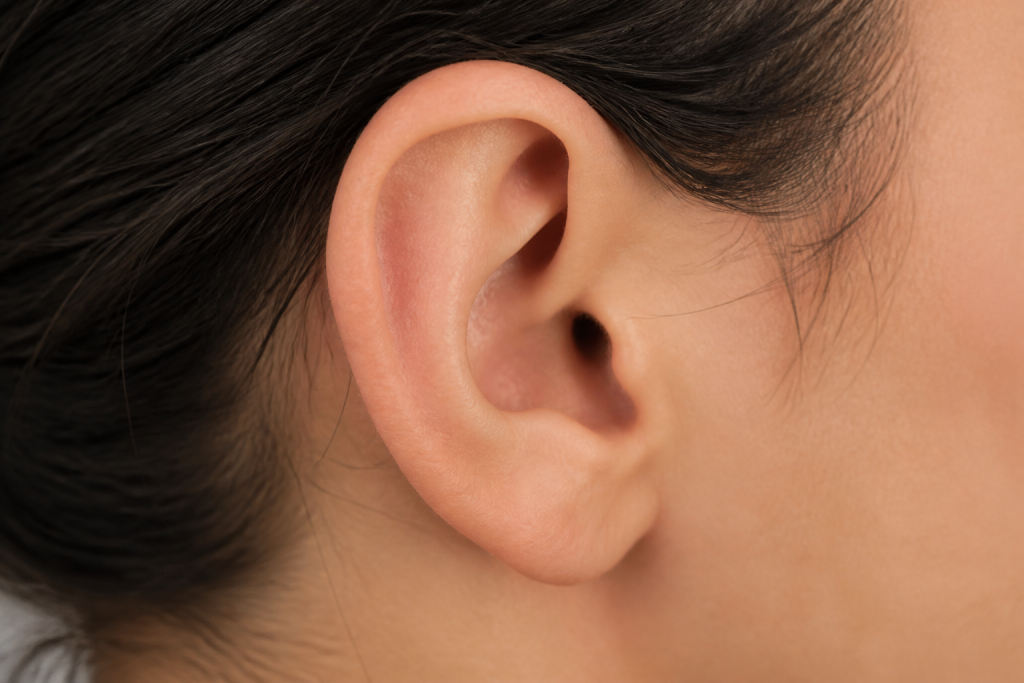
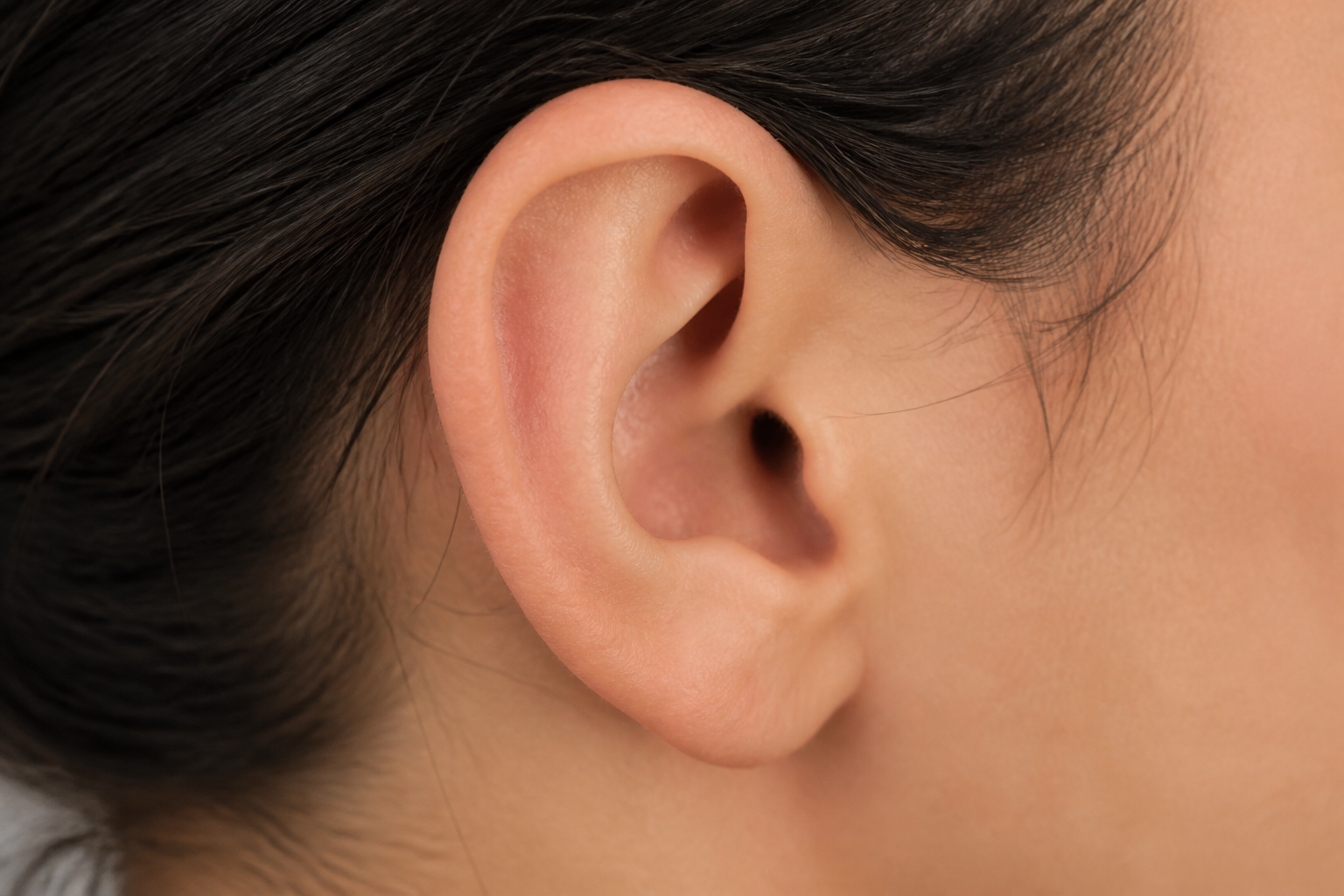
Otoplasty scars are generally fine, thin lines. They are typically located behind the ear, within the natural crease where the ear meets the head. In some cases, very small incisions may be made on the front of the ear, but these are usually hidden within the natural folds of the ear cartilage, making them virtually imperceptible.
Initially, these scars may appear pink or red and slightly raised. Over several months, they gradually flatten, soften, and fade, becoming much lighter in color. For most individuals, they mature into faint, skin-colored lines that are very difficult to detect.
How visible are otoplasty scars after healing?
After proper healing, otoplasty scars are usually very discreet. Their strategic placement behind the ear means they are not visible from a frontal view or in most social interactions. Even with short hairstyles, the scars are often well-hidden within the natural contours and hair growth around the ear.
With diligent post-operative care and the passage of time, many patients find their scars become almost imperceptible. The goal of any skilled surgeon is to ensure that the final aesthetic outcome includes minimal visible evidence of the surgery.
Where are the incisions made during otoplasty to minimize Otoplasty Scarring Facts?
To minimize Otoplasty Scarring Facts, incisions are predominantly made on the back surface of the ear. This area provides an excellent natural hiding place. The surgeon carefully plans these incisions to follow the natural creases and folds of the ear, further enhancing their discreetness.
Occasionally, small, precise incisions may be required on the front of the ear, but these are meticulously placed within the natural folds of the ear cartilage. This strategic approach ensures that any resulting scars are concealed from direct view, contributing to a natural-looking result.
Considering Otoplasty? Understand Otoplasty Scarring Facts with The Face Doctor of Florida
Dr. Shashi Kusuma, a board-certified surgeon, specializes in achieving natural-looking ear surgery results with a focus on meticulous scar management. Trust our expertise for a refined, worry-free outcome.
Factors Influencing Otoplasty Scarring Facts and Formation
While surgical technique plays a significant role in minimizing scars, several other factors can influence Otoplasty Scarring Facts and how your body heals. Understanding these variables can help you prepare for your recovery and take proactive steps to promote optimal healing.
Every individual’s body responds to injury and surgery differently. This inherent variability means that while a surgeon can employ the best techniques, personal biological factors will always play a part in the final appearance of a scar.
Why do some people develop worse scars after otoplasty than others?
Scarring is a complex biological process, and individual variations in healing capacity are common. Factors such as genetics, skin type, age, and overall health can all influence how a scar develops. For instance, individuals with darker skin tones are generally more prone to developing hypertrophic scars or keloids.
Poor wound care, infection, or excessive tension on the incision during healing can also contribute to less favorable scarring. A surgeon’s meticulous technique, including precise incision closure, is crucial in mitigating these risks.
Who is most susceptible to keloid or hypertrophic scarring from otoplasty?
Certain individuals have a higher predisposition to developing abnormal scars like keloids or hypertrophic scars. People with a family history of such scarring are at increased risk. Ethnic backgrounds, particularly individuals of African, Asian, or Hispanic descent, also show a higher incidence.
Hypertrophic scars are raised, red, and itchy, but remain within the boundaries of the original incision. Keloids, on the other hand, are more aggressive, growing beyond the original wound site. Your surgeon will assess your risk factors during your consultation.
What are the different types of scarring that can occur after ear surgery?
Beyond the typical fine line scar, otoplasty can, in rare instances, lead to other types of scarring. Understanding these is part of comprehensive Otoplasty Scarring Facts.
* Normal Scars: These are flat, pale, and blend well with the surrounding skin over time.
* Hypertrophic Scars: Raised, red, and firm scars that stay within the confines of the original incision. They can be itchy or painful.
* Keloid Scars: These are significantly raised, often lumpy, and extend beyond the original wound margins. They can continue to grow over time and are more challenging to treat.
* Atrophic Scars: These are sunken or pitted scars, often resulting from a loss of tissue. While less common in otoplasty, they can occur if healing is impaired.
Early identification and treatment are key for managing any abnormal scar formation. Consulting with a board-certified plastic surgeon, like those at The Face Doctor of Florida, can provide expert guidance on scar management.
Managing Otoplasty Scarring Facts: Prevention and Treatment
Proactive scar management is a cornerstone of a successful otoplasty recovery. While some aspects of healing are beyond our control, many strategies can significantly improve the final appearance of your scars. These preventative and treatment measures are vital Otoplasty Scarring Facts to internalize.
Adhering to your surgeon’s post-operative instructions is the single most important step. This includes proper wound care, protecting the incision from trauma, and avoiding sun exposure, which can darken scars.
What steps can be taken to prevent prominent otoplasty scars?
Prevention begins with the surgeon’s skill. A meticulous surgical technique, including precise incision placement and careful, tension-free wound closure, is fundamental. Post-operatively, patients play a crucial role.
* Follow Wound Care Instructions: Keep the incision clean and dry as directed.
* Wear Headband: Use the prescribed compression headband to support the ears and minimize swelling.
* Avoid Sun Exposure: UV radiation can cause scars to hyperpigment, making them more noticeable. Use high-SPF sunscreen or protective clothing.
* Gentle Massage: Once cleared by your surgeon, gentle massage can help flatten and soften scars.
Are otoplasty scars permanent, or do they fade over time?
All surgical scars are technically permanent, meaning the skin at the incision site will always be different from the surrounding skin. However, Otoplasty Scarring Facts confirm that they typically fade considerably over time. The initial redness and elevation will diminish, and the scar will become flatter and paler.
This maturation process can take anywhere from 6 months to 2 years. With proper care, most otoplasty scars become very subtle, blending well with the natural skin tone and texture, making them hardly noticeable.
When is the best time to start scar treatment after otoplasty?
Active scar treatment should only begin once the incisions have fully closed and any sutures have been removed, typically around 2-4 weeks post-surgery. Starting too early can disrupt healing or introduce infection.
Always consult your surgeon before initiating any scar treatment regimen. They will provide personalized recommendations based on your individual healing progress and scar type.
Which topical treatments or lasers are effective for Otoplasty Scarring Facts?
Several treatments can be highly effective in improving the appearance of Otoplasty Scarring Facts. Silicone-based products are often the first line of defense.
* Silicone Sheets or Gels: These are widely recommended for their ability to hydrate the scar, reduce collagen overproduction, and flatten raised scars. They should be worn consistently for several months.
* Corticosteroid Injections: For hypertrophic scars or keloids, injections of corticosteroids can help reduce inflammation, flatten the scar, and alleviate itching.
* Laser Therapy: Pulsed dye lasers can reduce redness, while fractional lasers can improve scar texture and pigmentation. These are often used for more stubborn or prominent scars.
* Pressure Therapy: Custom-fitted pressure garments or ear splints can be used to apply continuous pressure, which helps to flatten and soften scars, particularly for those prone to keloids.
What are the signs of abnormal scar formation post-otoplasty?
Recognizing the signs of abnormal scar formation early is crucial for effective intervention. Be vigilant for any of the following symptoms:
* Persistent Redness or Itching: While some initial redness and itching are normal, prolonged or intense symptoms can indicate an issue.
* Scar Growth: If the scar becomes increasingly raised, firm, or extends beyond the original incision line, it may be a hypertrophic scar or keloid.
* Pain or Tenderness: Unusual or persistent pain in the scar area should be evaluated.
* Discoloration: Significant darkening or uneven pigmentation of the scar can be a concern.
If you notice any of these signs, contact your surgeon promptly for an assessment. Early intervention can significantly improve the outcome of abnormal scarring.

Advanced Solutions for Otoplasty Scarring Facts
Even with the best preventative measures, some individuals may develop scars that require more advanced intervention. Fortunately, a range of solutions exists to improve the appearance of challenging Otoplasty Scarring Facts. These options are typically considered after the scar has fully matured, which can take up to a year or more.
Consulting with a specialist in facial plastic surgery is essential to determine the most appropriate course of action for scar revision. They can assess the scar type and recommend tailored treatments.
Can otoplasty scars be surgically revised or improved?
Yes, in cases of prominent or problematic scars, surgical scar revision is an option. This procedure involves excising the existing scar and meticulously re-closing the wound with advanced techniques to promote a finer, less noticeable scar. The goal is to improve the scar’s texture, width, and color.
Often, scar revision is combined with other treatments, such as steroid injections or silicone therapy, to optimize results. A skilled surgeon can significantly enhance the aesthetic outcome of a previously unsatisfactory scar.
How much does otoplasty scar revision surgery cost?
The cost of otoplasty scar revision surgery can vary widely depending on the complexity of the scar, the extent of the revision needed, the surgeon’s fees, and geographic location. It’s important to note that scar revision is often considered a cosmetic procedure and may not be covered by insurance.
During a consultation, your surgeon will provide a detailed estimate based on your specific case. It’s an investment in your confidence and comfort with your appearance. For more information on surgical costs, you can refer to resources like the American Society of Plastic Surgeons’ cost guide.
Is non-surgical otoplasty an option to avoid scarring?
Non-surgical otoplasty, such as ear splinting or ear molding for infants, is primarily used for very young children whose cartilage is still highly pliable. For adults, non-surgical options are extremely limited and generally do not provide the same dramatic and permanent results as traditional otoplasty.
While non-surgical methods might avoid incisions, they are not a viable alternative for most adult ear reshaping needs. For adults, surgical otoplasty remains the gold standard for lasting correction, with scar management being an integral part of the process.
Where can I find a surgeon specializing in Otoplasty Scarring Facts management?
Finding a board-certified facial plastic surgeon with extensive experience in otoplasty and scar management is crucial. Look for a surgeon who emphasizes meticulous technique and comprehensive post-operative care. They should be able to show you before-and-after photos and discuss their approach to minimizing and treating scars.
A great place to start your search is by visiting reputable clinics like The Face Doctor of Florida. Dr. Shashi Kusuma is a board-certified surgeon known for her expertise in facial aesthetics and dedication to achieving natural, refined results, including careful attention to Otoplasty Scarring Facts and their management. You can explore their services and expertise further by visiting The Face Doctor of Florida website.
Understanding the realities of scarring is a key part of preparing for otoplasty. With the right surgeon and diligent care, you can achieve beautiful, natural-looking results with minimal visible evidence of your journey.
Your path to renewed confidence and a harmonious facial appearance is within reach. By choosing an experienced surgeon who prioritizes both aesthetic outcome and meticulous scar management, you can look forward to a worry-free recovery and results that truly enhance your natural beauty. Don’t let concerns about scarring deter you from exploring the possibilities of otoplasty.
Frequently Asked Questions About Otoplasty Scarring Facts
What do otoplasty scars typically look like?
Otoplasty scars are generally fine, thin lines typically located behind the ear, within the natural crease where the ear meets the head. They are strategically placed to be as inconspicuous as possible, often fading significantly over time to become almost imperceptible.
How visible are otoplasty scars after healing?
After proper healing, otoplasty scars are usually very discreet. Their location behind the ear makes them difficult to see in everyday interactions. With time and good scar care, they typically mature into faint, skin-colored lines that are rarely a concern for patients.
Where are the incisions made during otoplasty to minimize scarring?
Incisions for otoplasty are predominantly made on the back surface of the ear, or occasionally within the folds of the inner ear. This strategic placement ensures that any resulting otoplasty scarring is hidden from frontal view, making it nearly invisible.
What steps can be taken to prevent prominent otoplasty scars?
Preventing prominent otoplasty scars involves meticulous surgical technique, careful wound closure, and diligent post-operative care. Following your surgeon’s instructions for wound cleaning, using silicone sheets or gel, and avoiding sun exposure on the healing incision are crucial steps.
Are otoplasty scars permanent, or do they fade over time?
While all surgical scars are technically permanent, otoplasty scars typically fade considerably over time. They will become less red, flatten, and blend more closely with your natural skin tone over several months to a year, becoming very subtle.
When is the best time to start scar treatment after otoplasty?
The best time to start active scar treatment, such as topical silicone applications or massage, is usually after the incisions have fully closed and any sutures are removed, often around 2-4 weeks post-surgery. Always consult your surgeon before beginning any scar treatment.
Can otoplasty scars be surgically revised or improved?
In rare cases where otoplasty scars become hypertrophic or keloid, surgical revision or other treatments like steroid injections or laser therapy can be used to improve their appearance. This is typically considered only after a full year of healing.