Modern Facelift Techniques: 7 Ultimate Secrets to a Seamless, Youthful Transformation
Modern Facelift Techniques offer an incredible path to a refreshed appearance without an ‘overdone’ look. The desire to restore youthful contours and a vibrant complexion is universal, yet the journey to achieving it has evolved dramatically. Gone are the days of a single, standardized approach to facial rejuvenation.
Today, the landscape of aesthetic surgery is defined by precision, personalization, and a profound understanding of natural facial anatomy. This guide explores the transformative power of Modern Facelift Techniques, revealing how they achieve truly natural and lasting rejuvenation by addressing the underlying structures of the face, not just the skin’s surface.
Key Takeaways on Modern Facelift Techniques
- Understand the core principles that define advanced Modern Facelift Techniques for superior results.
- Discover how these techniques differ from traditional methods, focusing on natural outcomes.
- Learn about the deep plane facelift, a premier example of Modern Facelift Techniques, and its benefits.
- Gain insights into recovery, costs, and how to choose an expert surgeon for your transformation.
Understanding Modern Facelift Techniques: The Core Advancements
The evolution of facial rejuvenation surgery has led to significant advancements, moving beyond superficial skin tightening to methods that address the deeper anatomical layers. These sophisticated approaches are the hallmark of Modern Facelift Techniques, focusing on restoring youthful volume and repositioning sagging tissues rather than merely stretching the skin.
This shift in philosophy ensures results that are not only more natural-looking but also more durable. Patients achieve a refreshed appearance that harmonizes with their overall facial structure, avoiding the tell-tale signs of an ‘operated’ look often associated with older methods.
What are the Latest Advancements in Modern Facelift Techniques?
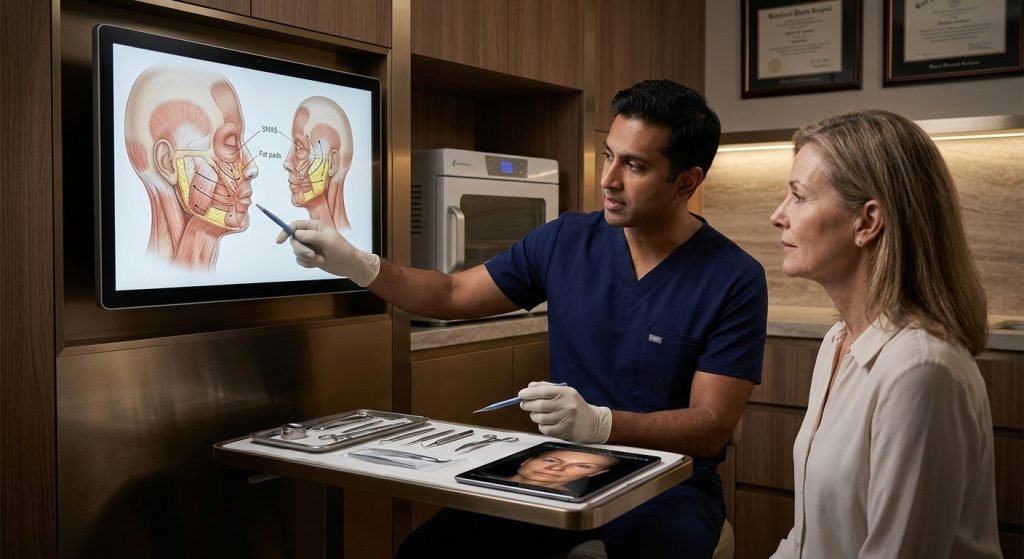
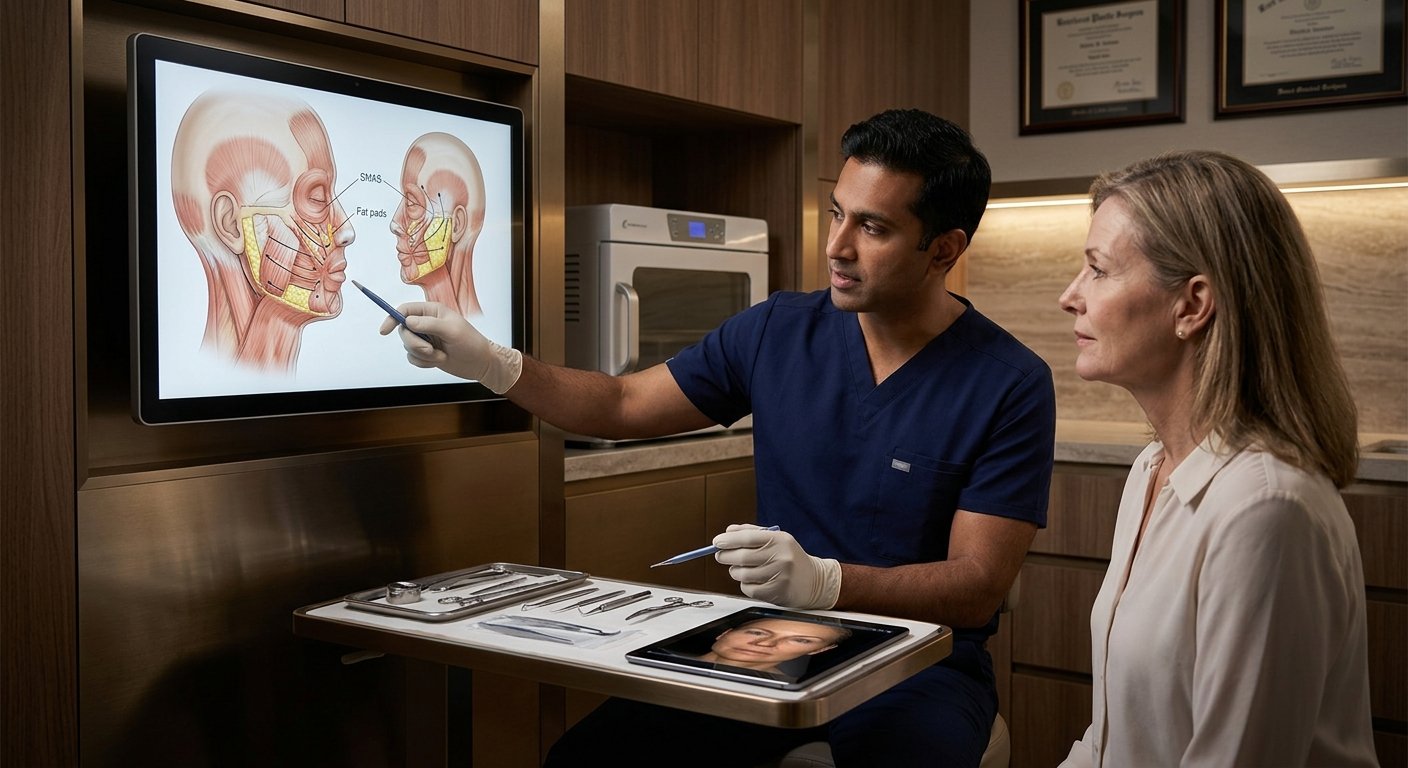
Latest advancements in Modern Facelift Techniques prioritize a comprehensive understanding of facial aging. Surgeons now focus on lifting and repositioning the Superficial Musculoaponeurotic System (SMAS) or even deeper structures, rather than just the skin. This allows for a more robust and long-lasting correction of jowls and deep lines.
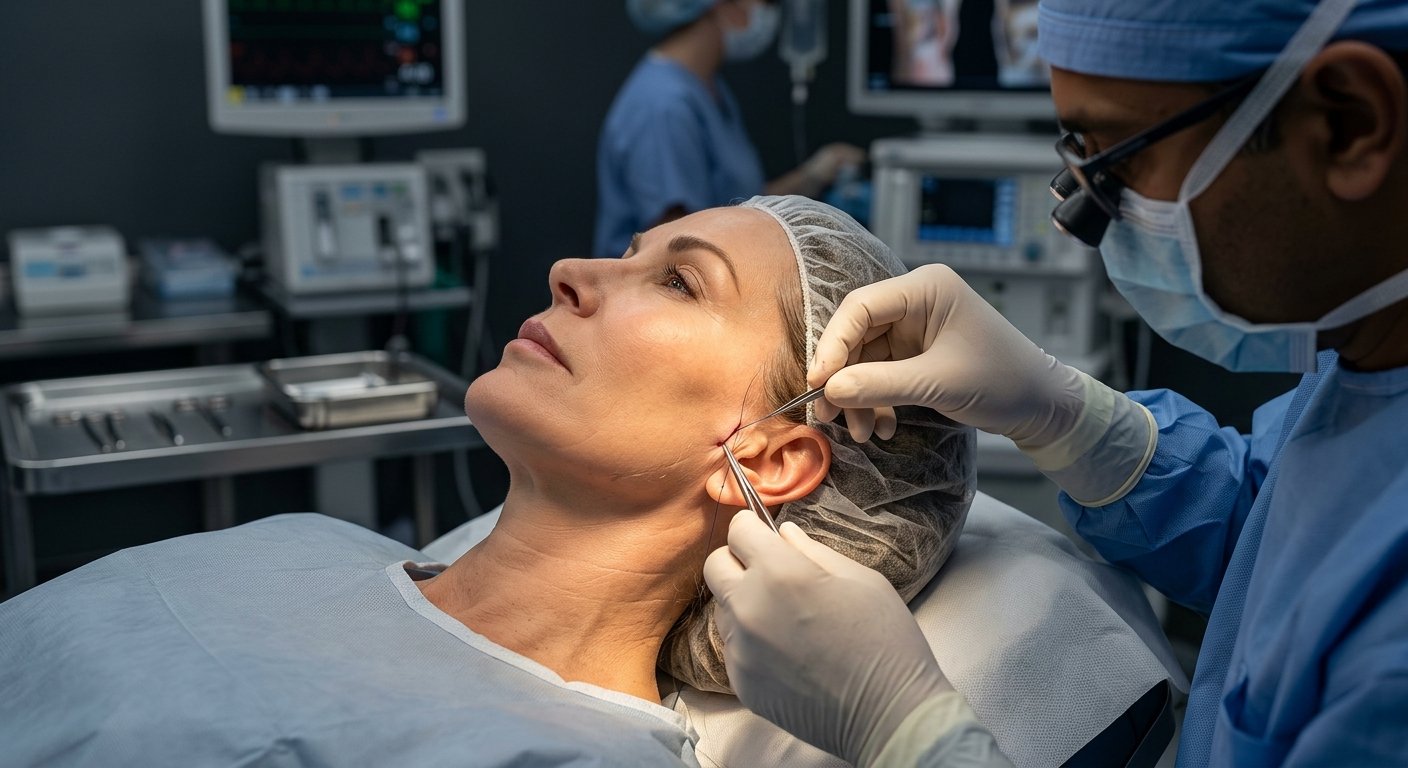
Innovations also include smaller, strategically placed incisions that are virtually imperceptible, leading to minimal scarring. Techniques like fat grafting are often combined with facelifts to restore lost volume, further enhancing the natural, youthful contour of the face. These combined approaches represent the pinnacle of modern surgical artistry.
How Do Modern Facelift Techniques Differ from Traditional Methods?
Traditional facelift methods often involved simply pulling the skin taut, which could result in a stretched or unnatural appearance. In contrast, Modern Facelift Techniques address the underlying muscle and fat layers, lifting them to their original, more youthful positions. This fundamental difference creates a more natural-looking rejuvenation.
By working with the deeper tissues, modern methods provide better support for the facial structures, leading to results that appear seamless and last significantly longer. The focus is on restoring the face’s natural architecture, not just its surface.
The Deep Plane Facelift: A Premier Modern Facelift Technique
A deep plane facelift is widely considered one of the most advanced and effective Modern Facelift Techniques. This procedure involves lifting the skin and the underlying SMAS muscle layer as a single unit, releasing specific ligaments that tether these tissues to the bone. This allows for unparalleled repositioning of the mid-face, jawline, and neck.
The advantage of the deep plane approach lies in its ability to achieve a more comprehensive and natural lift, particularly in the mid-face and jowl area, without tension on the skin. This results in a softer, more youthful contour and a quicker, less noticeable recovery compared to some other methods. It is a highly specialized technique requiring exceptional surgical skill.
Who is an Ideal Candidate for Modern Facelift Techniques?
Determining suitability for Modern Facelift Techniques involves a thorough evaluation of an individual’s facial anatomy, skin quality, and aesthetic goals. Generally, ideal candidates are those experiencing visible signs of aging in the mid-face, lower face, and neck, such as sagging skin, deep wrinkles, jowls, and loss of jawline definition.
Candidates should be in good overall health, non-smokers, and have realistic expectations about the outcomes of the procedure. A consultation with a board-certified plastic surgeon is crucial to assess individual needs and determine the most appropriate modern facelift technique.
Evaluating Your Suitability for Modern Facelift Techniques
An ideal candidate for Modern Facelift Techniques typically exhibits moderate to significant facial laxity. This includes prominent nasolabial folds, marionette lines, and a loss of definition along the jawline due to jowl formation. Good skin elasticity is also beneficial, as it allows the skin to redrape smoothly over the newly repositioned underlying structures.
Patients seeking a natural, long-lasting improvement in their facial contours, who are committed to following pre- and post-operative instructions, are excellent candidates. It is important to discuss your medical history and any medications you are taking during your consultation.
Your Journey and Recovery with Modern Facelift Techniques
Embarking on a facelift journey is a significant decision, and understanding each step is paramount. From the initial consultation to the final stages of recovery, the process is designed to be as smooth and comfortable as possible, leading to a rejuvenated and confident you. The expertise of your surgeon plays a critical role in ensuring optimal results and a positive experience throughout.
The Consultation for Modern Facelift Techniques
The initial consultation is a vital step for anyone considering Modern Facelift Techniques. During this meeting, you should ask about the surgeon’s experience with specific modern techniques like the deep plane facelift, their aesthetic philosophy, and what results you can realistically expect. Inquire about their credentials, patient testimonials, and review before-and-after photos.
A skilled surgeon will perform a detailed facial analysis, listen to your concerns, and explain the various options, including non-surgical alternatives. This collaborative discussion ensures a personalized treatment plan that aligns with your goals and provides clarity on the procedure.
Pre-Operative Instructions for Modern Facelift Techniques
Before undergoing Modern Facelift Techniques, patients receive comprehensive pre-operative instructions designed to optimize safety and recovery. These typically include avoiding certain medications, especially blood thinners like aspirin and ibuprofen, for a specified period. Smoking cessation is also mandatory, as it can significantly impair healing.
Patients will be advised on dietary guidelines, arranging for post-operative care and transportation, and preparing their home for a comfortable recovery. Adhering strictly to these instructions is crucial for minimizing risks and ensuring the best possible outcome.
Recovery Time After Modern Facelift Techniques
Recovery time after Modern Facelift Techniques typically ranges from 2-4 weeks, though individual experiences vary. Most patients can return to light activities within a week, with bruising and swelling gradually subsiding over the following weeks. Full results become apparent after several months as the tissues settle and any residual swelling resolves.
Patients are often advised to keep their head elevated, apply cold compresses, and avoid strenuous activities during the initial recovery phase. Your surgeon will provide detailed aftercare instructions to facilitate a smooth and comfortable healing process.
Risks, Benefits, and Natural Outcomes of Modern Facelift Techniques
Like any surgical procedure, Modern Facelift Techniques carry potential risks, though these are generally minimized when performed by an experienced, board-certified plastic surgeon. Understanding both the benefits and potential complications is essential for making an informed decision about your facial rejuvenation journey.
Potential Risks and Benefits of Modern Facelift Techniques
Benefits of Modern Facelift Techniques include a significantly more youthful appearance, improved facial contours, and long-lasting, natural-looking results. Patients often report boosted self-confidence and a refreshed look that reflects their inner vitality. The precision of modern methods means a more harmonious and balanced facial aesthetic.
Potential risks, common to any surgery, include swelling, bruising, infection, numbness, and rare complications such as nerve injury or hematoma. These risks are thoroughly discussed during the consultation, and measures are taken to mitigate them, ensuring patient safety is the highest priority. For more information on surgical safety, consult authoritative sources like the American Society of Plastic Surgeons.
Why Modern Facelift Techniques Deliver Natural Results
The reason Modern Facelift Techniques often result in a more natural-looking outcome lies in their comprehensive approach. Instead of merely stretching the skin, these techniques reposition the deeper facial tissues and muscles to their more youthful positions. This restores volume and contour, creating a refreshed appearance that harmonizes with the patient’s natural features.
By addressing the root causes of facial aging—sagging underlying structures—modern facelifts avoid the
__CTA_BLOCK__
Frequently Asked Questions About Modern Facelift Techniques
What are the latest advancements in modern facelift techniques?
Latest advancements in modern facelift techniques focus on deeper tissue manipulation, such as the deep plane facelift, to achieve more natural and long-lasting results. Techniques also emphasize minimal incisions and quicker recovery, targeting the underlying muscle and fat repositioning rather than just skin tightening.
How do modern facelift techniques differ from traditional methods?
Modern facelift techniques primarily differ from traditional methods by addressing the deeper facial structures (SMAS or deep plane) rather than simply pulling the skin. This approach results in a more natural-looking rejuvenation, avoiding a “stretched” appearance, and provides longer-lasting outcomes.
Who is an ideal candidate for a modern facelift procedure?
An ideal candidate for modern facelift techniques is typically someone experiencing visible signs of aging such as sagging skin, deep wrinkles, and jowls, but still possesses good skin elasticity and overall health. They should have realistic expectations and be looking for natural, refreshed results.
What is a deep plane facelift and is it considered a modern technique?
A deep plane facelift is indeed a modern facelift technique that involves lifting the skin and muscle layer (SMAS) as a single unit, releasing specific ligaments to allow for more significant and natural repositioning of tissues. This technique is renowned for its natural results and durability.
How long is the typical recovery time after a modern facelift?
Recovery time after a modern facelift typically ranges from 2-4 weeks, though individual experiences vary. Most patients can return to light activities within a week, with bruising and swelling gradually subsiding over the following weeks. Full results become apparent after several months.
What are the potential risks and benefits of modern facelift surgery?
Benefits of modern facelift techniques include a significantly more youthful appearance, improved facial contours, and long-lasting, natural-looking results. Potential risks, common to any surgery, include swelling, bruising, infection, and rare complications, which are minimized with an experienced, board-certified surgeon.
Why do modern facelift techniques often result in a more natural-looking outcome?
Modern facelift techniques achieve natural-looking outcomes by repositioning the deeper facial tissues and muscles to their more youthful positions, rather than just stretching the skin. This approach restores volume and contour, creating a refreshed appearance that harmonizes with the patient’s natural features.
How much does a modern facelift typically cost?
The cost of modern facelift techniques varies significantly based on factors like the surgeon’s expertise, geographic location, and the specific techniques used. It is best to consult directly with a board-certified plastic surgeon for a personalized estimate after an individual assessment.
Where can I find highly-rated surgeons specializing in modern facelift techniques?
To find highly-rated surgeons specializing in modern facelift techniques, look for board-certified plastic surgeons with extensive experience in facial surgery, positive patient reviews, and a portfolio showcasing natural results. Professional organizations and online directories can also be valuable resources.
What questions should I ask during a consultation for a modern facelift?
During a consultation for a modern facelift, ask about the surgeon’s specific experience with modern techniques (like deep plane), their aesthetic philosophy, potential risks and benefits, recovery timeline, and what results you can realistically expect. Inquire about their credentials and patient testimonials.
Are there non-surgical alternatives to modern facelift procedures?
Yes, there are non-surgical alternatives to modern facelift techniques that can address mild to moderate signs of aging, such as dermal fillers, neurotoxins (Botox), thread lifts, and various skin tightening technologies. These offer temporary results and do not achieve the comprehensive lift of a surgical facelift.
How do I choose the best surgeon for a modern facelift?
Choosing the best surgeon for modern facelift techniques involves researching their board certification, specialty in facial plastic surgery, years of experience, and a strong portfolio of natural, successful outcomes. A thorough, personalized consultation and good rapport are also crucial.
Can I schedule a consultation for a modern facelift with a top surgeon?
Yes, you can schedule a consultation for modern facelift techniques with top surgeons like Dr. Shashi Kusuma at The Face Doctor of Florida. A consultation is the first step to discuss your goals, assess your facial anatomy, and create a customized treatment plan.
What financing options are available for modern facelift procedures?
Many practices offering modern facelift techniques provide various financing options, including payment plans, medical credit cards, or partnerships with third-party healthcare lenders. It’s advisable to discuss these options with the clinic’s patient coordinator during your consultation.
What pre-operative instructions are necessary for a modern facelift?
Pre-operative instructions for modern facelift techniques typically include avoiding certain medications (like blood thinners), stopping smoking, arranging for post-operative care and transportation, and following specific dietary guidelines. Your surgeon will provide a detailed list tailored to your procedure.