Chemical peel types: 4 Powerful Options for 7 Ultimate Skin Transformations
Chemical peel types offer a remarkable pathway to radiant skin renewal, addressing a spectrum of concerns from fine lines and acne scars to uneven tone and hyperpigmentation. Understanding the diverse options available is the first step toward unlocking your skin’s true potential. This comprehensive guide will explore the powerful solutions that can transform your complexion, revealing a healthier, more vibrant you.
Whether you’re seeking a subtle refresh or a dramatic overhaul, the right chemical peel can make a significant difference. We’ll delve into the science behind each peel, discuss their unique benefits, and help you navigate the journey to choosing the perfect treatment for your individual skin goals. Prepare to discover how these advanced skincare solutions can lead to ultimate skin transformations.
Key Takeaways on Chemical Peel Types
- Explore the primary chemical peel types: superficial, medium-depth, and deep, understanding their distinct actions and benefits for various skin concerns.
- Discover how superficial peels, like glycolic or salicylic acid, offer gentle exfoliation and minimal downtime for a brighter complexion.
- Learn about medium-depth peels, such as TCA, which effectively target fine lines, wrinkles, and pigmentation for more significant rejuvenation.
- Understand the transformative power of deep peels, typically phenol, for severe skin damage, emphasizing the need for expert medical supervision.
- Identify the crucial factors in selecting the ideal chemical peel for your skin, including concerns, skin type, and desired recovery time.
Understanding Chemical peel types: A Foundation for Radiant Skin
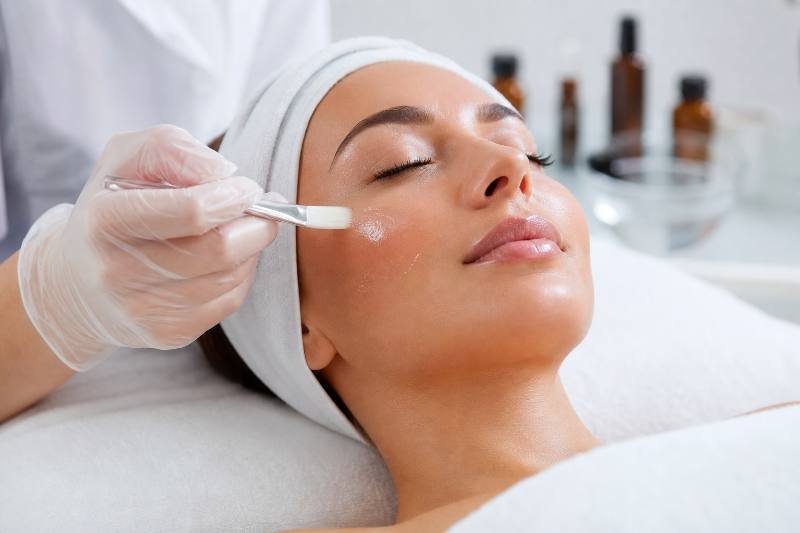
Chemical peel types are cosmetic treatments that involve applying a chemical solution to the skin to remove the top layers. The goal is to encourage new, regenerated skin to grow, which is typically smoother, less wrinkled, and more even in tone. This process can significantly improve the appearance of various skin imperfections, making it a popular choice for those seeking comprehensive skin rejuvenation.
The effectiveness and intensity of a peel depend on the type of chemical agent used and its concentration. Different chemical peel types are designed to penetrate the skin at varying depths, from superficial exfoliation to deep dermal remodeling. This allows for highly customized treatments that can address specific concerns, from mild texture issues to severe sun damage and deep wrinkles.
Before undergoing any chemical peel, a thorough consultation with a qualified professional is essential. They will assess your skin type, concerns, and medical history to recommend the most appropriate of the many chemical peel types for you. This personalized approach ensures safety and optimizes results, guiding you towards the radiant complexion you desire.
What are the main types of chemical peels available?
Generally, chemical peel types are categorized into three main strengths: superficial (light), medium-depth, and deep. Each category uses different active ingredients and penetrates the skin to varying degrees, offering distinct benefits and recovery times. Understanding these distinctions is key to making an informed decision about your skin treatment journey.
Superficial peels are the mildest, targeting only the outermost layer of the skin. Medium-depth peels reach further into the dermis, while deep peels penetrate the deepest layers, providing the most dramatic results. The choice among these chemical peel types depends heavily on the severity of your skin concerns and your tolerance for downtime.
What types of skin conditions can be treated with chemical peels?
Chemical peel types are incredibly versatile tools for treating a wide array of skin conditions. They can effectively improve the appearance of fine lines and wrinkles, sun damage, age spots, hyperpigmentation, and melasma. Furthermore, certain chemical peel types are highly effective in managing acne, reducing acne scars, and minimizing pore size.
The exfoliating action helps to unclog pores and promote cellular turnover, leading to clearer, smoother skin. For those struggling with uneven skin tone or texture, a chemical peel can provide a more uniform and refined complexion. It’s truly a multi-tasking treatment for various dermatological challenges.
Superficial Chemical peel types: Gentle Renewal for a Brighter Complexion
Superficial chemical peel types are the mildest form of chemical exfoliation, ideal for those seeking a gentle refresh with minimal downtime. These peels primarily target the epidermis, the outermost layer of the skin, to remove dead skin cells and stimulate cellular turnover. They are excellent for improving skin texture, tone, and luminosity.
Often referred to as
Ready to Discover Your Ideal Chemical Peel Types at The Face Doctor of Florida?
Our expert team at The Face Doctor of Florida – Suria Plastic Surgery offers personalized consultations to identify the perfect chemical peel type for your unique skin goals and concerns.
What are the main types of chemical peels available?
There are three main chemical peel types: superficial, medium-depth, and deep. Superficial peels use mild acids like alpha hydroxy acids (AHAs) for exfoliation, medium peels use trichloroacetic acid (TCA) for more significant rejuvenation, and deep peels, typically using phenol, address severe skin concerns under medical supervision.
How do superficial chemical peels differ from medium-depth peels?
Superficial chemical peels only affect the outermost layer of skin (epidermis), offering gentle exfoliation and minimal downtime. Medium-depth peels penetrate deeper into the dermis, providing more dramatic results for fine lines, wrinkles, and pigmentation, but require a longer recovery period than superficial chemical peel types.
Which chemical peel type is best for reducing fine lines and wrinkles?
For reducing fine lines and moderate wrinkles, medium-depth chemical peel types, such as those using trichloroacetic acid (TCA), are often highly effective. Deep chemical peels can address more severe wrinkles but involve a longer, more intensive recovery.
What are the active ingredients in common chemical peel solutions?
Common active ingredients across various chemical peel types include alpha hydroxy acids (AHAs) like glycolic and lactic acid for superficial peels, salicylic acid for acne-prone skin, trichloroacetic acid (TCA) for medium-depth peels, and phenol for deep chemical peel types.
What are the potential side effects associated with different chemical peel strengths?
Superficial chemical peel types may cause temporary redness and flaking. Medium peels can lead to more pronounced redness, swelling, and peeling for several days. Deep chemical peel types involve significant downtime with intense redness, swelling, and require careful aftercare and monitoring.
How much does a light chemical peel typically cost compared to a deep peel?
The cost of chemical peel types varies significantly. Light chemical peels are generally the most affordable, ranging from a few hundred dollars per session. Deep peels are considerably more expensive due to their intensity, required anesthesia, and medical supervision, often costing several thousand dollars.
Where can I find a qualified professional to perform a chemical peel?
It’s crucial to seek a board-certified dermatologist or plastic surgeon for any chemical peel type. For example, at The Face Doctor of Florida – Suria Plastic Surgery, Dr. Shashi Kusuma provides expert consultations and safe, effective chemical peel treatments tailored to your needs.
Who should avoid certain types of chemical peels?
Individuals with active infections, open sores, a history of keloids, or those who are pregnant or breastfeeding should generally avoid chemical peel types. Deep peels are not recommended for individuals with certain heart conditions or darker skin tones due to hyperpigmentation risks.
Why choose a glycolic acid peel over a salicylic acid peel?
Glycolic acid chemical peel types are excellent for overall skin rejuvenation, improving texture, tone, and reducing fine lines, making them suitable for most skin types. Salicylic acid peels, conversely, are oil-soluble and penetrate pores, making them ideal for treating acne, blackheads, and oily skin.
What is the recommended aftercare for various chemical peel types?
Aftercare for chemical peel types includes gentle cleansing, moisturizing, and strict sun protection. Depending on the peel’s depth, this may also involve avoiding makeup, strenuous activities, and using specific topical creams as prescribed to aid healing and optimize results.
Learn more from authoritative resources: Consumer Reports and HGTV.