The quest for a refreshed, youthful appearance often leads individuals to explore advanced aesthetic treatments. Among the most popular and effective options are neurotoxin injections, specifically Botox vs Dysport. These treatments are renowned for their ability to smooth dynamic wrinkles, offering a powerful solution to the visible signs of aging. However, understanding the nuanced differences between these two prominent neuromodulators is crucial for achieving your best look.
This comprehensive guide will delve into the distinct characteristics of Botox vs Dysport, detailing 7 powerful differences that can influence your treatment choice. We will explore their unique formulations, mechanisms of action, and ideal applications, providing you with the authoritative insights needed to make an informed decision. By understanding these distinctions, you can confidently pursue a personalized treatment plan that aligns perfectly with your aesthetic goals, ensuring natural-looking and lasting rejuvenation.
Key Takeaways
- Discover the fundamental differences in molecular structure and diffusion patterns that distinguish Botox vs Dysport.
- Understand how the onset and duration of effects vary between these two popular neurotoxins.
- Learn about the unit equivalence and cost considerations when comparing Botox vs Dysport for your treatment plan.
- Identify the ideal treatment areas and patient profiles best suited for each neurotoxin.
- Gain insights into why an expert injector’s skill is paramount in achieving optimal results with either Botox or Dysport.
Understanding Botox vs Dysport: The Foundational Neurotoxins
Both Botox and Dysport are neuromodulators derived from botulinum toxin type A. They work by temporarily relaxing specific facial muscles responsible for dynamic wrinkles, such as frown lines, crow’s feet, and forehead lines. While their ultimate goal is similar—to smooth and rejuvenate the skin—their subtle distinctions can lead to different outcomes depending on the patient and the area treated. The choice between Botox vs Dysport is a common discussion in aesthetic clinics worldwide.
These injectable treatments temporarily block nerve signals to the muscles, preventing them from contracting. This relaxation smooths out existing wrinkles and can also prevent new ones from forming. The effectiveness of both products has been extensively studied and validated, making them cornerstones of non-surgical facial rejuvenation. Understanding their core mechanisms is the first step in appreciating the differences between Botox vs Dysport.
Are Botox and Dysport Made from the Same Neurotoxin?
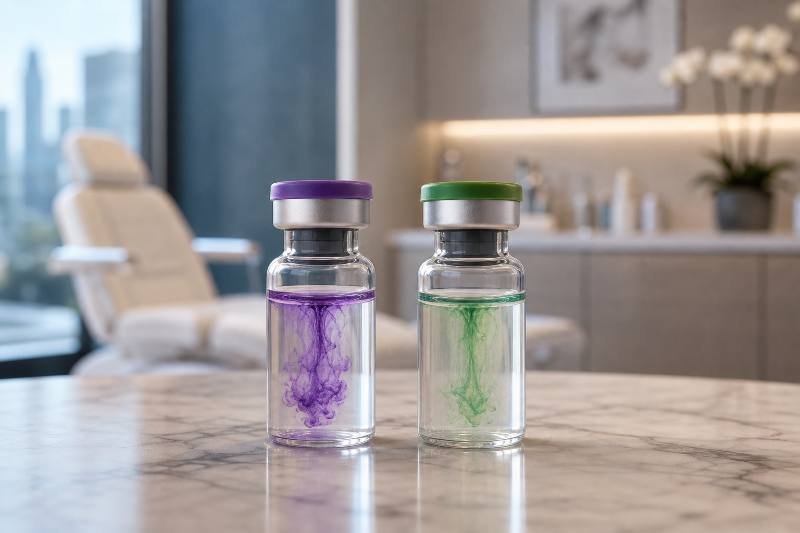
Yes, both Botox and Dysport are derived from botulinum toxin type A. However, they are manufactured by different companies and have distinct formulations. Botox is produced by Allergan, while Dysport is manufactured by Ipsen. These differences in manufacturing and protein composition contribute to their unique characteristics and how they interact with the body.
What is the Main Difference Between Botox and Dysport?
The primary difference lies in their molecular structure and the proteins associated with the core neurotoxin. Dysport has a smaller molecular weight and a different protein complex compared to Botox. This often translates to differences in diffusion, onset of action, and unit equivalence, which are critical factors when considering Botox vs Dysport for treatment.
7 Powerful Differences: Botox vs Dysport for Your Best Look
Navigating the options for wrinkle reduction can be complex, but focusing on key distinctions between Botox vs Dysport can simplify your decision. Here are seven powerful differences that highlight why one might be preferred over the other for specific aesthetic goals.
1. Molecular Structure and Diffusion in Botox vs Dysport
Dysport typically has a smaller molecular weight, which allows it to diffuse more broadly from the injection site. This wider spread can be advantageous for treating larger areas, such as the forehead, where a more even distribution is desired. In contrast, Botox has a slightly larger molecule and tends to stay more localized, making it ideal for precise targeting of smaller muscles or specific lines, like those around the eyes. This difference in diffusion is a critical factor when comparing Botox vs Dysport.
2. Onset of Action: Botox vs Dysport
Many patients report that Dysport tends to show results slightly faster than Botox. While Botox typically begins to show effects within 3 to 7 days, Dysport can often start working within 2 to 5 days. This quicker onset can be appealing for individuals seeking rapid improvements, especially for special events. However, the full effects of both treatments generally materialize within two weeks.
3. Duration of Effects: Botox vs Dysport
Generally, both Botox and Dysport provide results that last between 3 to 4 months. Some studies and patient experiences suggest that Botox might have a marginally longer duration for certain individuals, while others find Dysport’s effects to be comparable. Individual metabolism, muscle activity, and lifestyle factors play a significant role in how long the effects of Botox vs Dysport last for any given person. For a deeper dive into neurotoxin mechanisms, you can refer to this scientific review on botulinum toxin.
4. Unit Equivalence and Cost of Botox vs Dysport
Per unit, Dysport is often less expensive than Botox. However, it’s crucial to understand that more units of Dysport are typically required to achieve an equivalent effect to Botox. The conversion ratio is commonly cited as 2.5:1 or 3:1 (Dysport units to Botox units). Therefore, the overall cost per treatment area can be quite similar. Patients should always discuss the total treatment cost, not just the per-unit price, when considering Botox vs Dysport.
5. Ideal Treatment Areas for Botox vs Dysport
Both neurotoxins are highly effective for dynamic wrinkles in the upper face. Dysport’s broader diffusion can make it excellent for larger areas like the forehead, providing a smooth, natural look. Botox’s precision is often preferred for areas requiring meticulous control, such as crow’s feet or the glabellar lines between the eyebrows. The choice of Botox vs Dysport for specific areas depends on the injector’s technique and the patient’s anatomy.
6. Patient Candidacy for Botox vs Dysport
While most healthy adults seeking wrinkle reduction are candidates for both, certain factors might lean towards one over the other. Individuals with larger muscle groups or those who prefer a slightly softer, more widespread effect might find Dysport more suitable. Those needing very precise corrections or who have previously responded well to Botox may stick with it. A thorough consultation is essential to determine the best fit for your unique facial anatomy and aesthetic goals.
7. Formulation Differences in Botox vs Dysport
Beyond molecular weight, the protein complexes surrounding the active botulinum toxin vary. These accessory proteins can influence how the body processes and responds to the neurotoxin. While both are highly purified, these subtle differences in formulation contribute to the distinct characteristics observed in clinical practice, impacting everything from diffusion to potential antigenicity. This is a nuanced aspect of the Botox vs Dysport debate.
Choosing Between Botox vs Dysport: A Personalized Approach
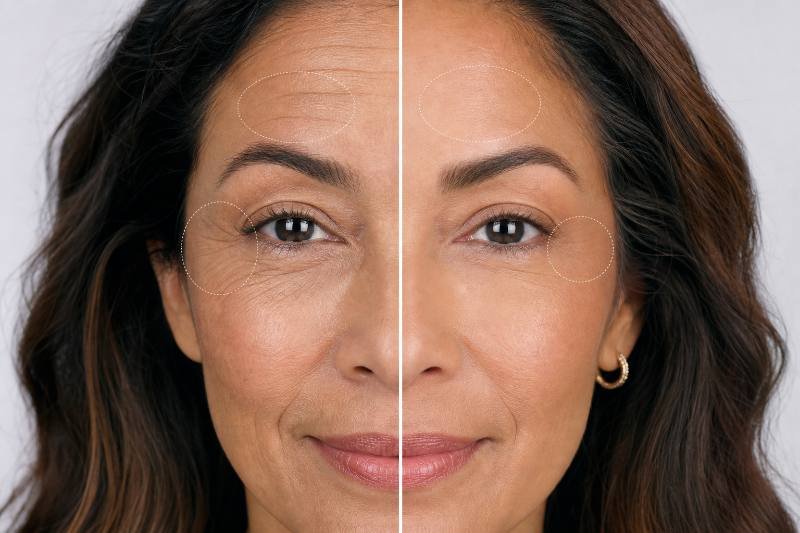
Deciding between Botox and Dysport is not about declaring one superior to the other. It’s about selecting the neurotoxin that best suits your individual needs, facial anatomy, and desired outcomes. An experienced injector will consider all these factors to recommend the optimal treatment plan. They can also advise if you can switch from getting Botox injections to Dysport, which is generally safe and common, as long as the appropriate unit conversion is applied.
Your aesthetic goals are unique, and your treatment plan should reflect that. Whether you’re targeting specific lines or seeking overall facial rejuvenation, a personalized consultation is the most effective way to determine the best course of action. The expertise of your provider in assessing your muscle dynamics and understanding the properties of Botox vs Dysport is paramount.
Considering Botox vs Dysport? Consult The Face Doctor of Florida
Dr. Shashi Kusuma provides expert guidance and personalized treatment plans to help you achieve natural-looking facial rejuvenation in Weston, FL.
What to Expect from Botox vs Dysport Treatment
Regardless of whether you choose Botox or Dysport, the treatment process is generally similar. After a thorough consultation, the chosen neurotoxin is injected into specific muscles using a very fine needle. The procedure is quick, typically lasting only 10-15 minutes, and most patients experience minimal discomfort. Topical anesthetics can be applied to enhance comfort.
Common side effects for both include mild redness, swelling, or bruising at the injection sites, which usually resolve within a few days. Less common side effects can include headache or temporary eyelid droop, though these are rare, especially with an experienced injector. Post-treatment care involves avoiding strenuous exercise and lying flat for a few hours. Your provider will give you specific instructions to ensure optimal results and minimize any potential risks associated with Botox vs Dysport.
Finding Expert Care for Botox vs Dysport in Weston, FL
For residents of Weston, FL, and surrounding areas, selecting a qualified and experienced injector is the most critical step in your aesthetic journey. The skill and artistic eye of your practitioner directly impact the naturalness and effectiveness of your results. A board-certified plastic surgeon or aesthetic specialist with extensive experience in both Botox and Dysport can provide the nuanced understanding required for optimal outcomes.
An expert will not only administer the injections safely but also possess the anatomical knowledge to achieve balanced and harmonious facial rejuvenation. They will guide you through the decision-making process, explaining the pros and cons of Botox vs Dysport in relation to your specific concerns. For exceptional care and personalized treatment plans, consider visiting The Face Doctor of Florida in Weston, FL, where expertise meets artistry. You can learn more about their services and approach to facial aesthetics by visiting The Face Doctor of Florida.
Frequently Asked Questions About Botox vs Dysport
What is the main difference between Botox and Dysport?
Both Botox and Dysport are neuromodulators used to reduce wrinkles, but they differ in their formulation and molecular structure. Dysport has a smaller molecular weight, which allows it to diffuse more broadly, making it potentially suitable for larger areas. Botox has a slightly larger molecule and tends to be more concentrated in the injection site.
Which is more effective for forehead wrinkles: Botox or Dysport?
Both Botox and Dysport are highly effective for treating forehead wrinkles. The choice often depends on individual patient factors and the injector’s preference and technique. Dysport’s wider diffusion might be beneficial for broader forehead areas, while Botox offers precise targeting.
How long does Botox last compared to Dysport?
Generally, both Botox and Dysport treatments last between 3 to 4 months. Some patients report Dysport having a slightly faster onset of action, while others find Botox’s effects to be marginally longer-lasting. Individual metabolism and lifestyle factors play a significant role.
What are the potential side effects of Botox versus Dysport?
Common side effects for both include mild bruising, swelling, or redness at the injection site. Less common side effects can include headache, temporary eyelid droop (ptosis), or nausea. Severe allergic reactions are rare. Most side effects are temporary and mild.
Is Dysport typically cheaper than Botox per unit or treatment area?
Per unit, Dysport is often less expensive than Botox. However, more units of Dysport are usually needed to achieve an equivalent effect to Botox (often a 2.5:1 or 3:1 ratio), so the overall cost per treatment area can be comparable.
Does Dysport start working faster than Botox?
Yes, Dysport often has a slightly faster onset of action compared to Botox. While Botox typically shows results in 3-7 days, Dysport can begin showing effects within 2-5 days for many patients.
How do I choose between Botox and Dysport for my aesthetic goals?
The best way to choose is through a personalized consultation with a board-certified plastic surgeon or aesthetic specialist. They can assess your specific needs, facial anatomy, and desired outcomes to recommend the optimal treatment.
Your Invitation to Lasting Rejuvenation
Choosing between Botox and Dysport is a personal decision that benefits greatly from expert guidance. Both neurotoxins offer powerful solutions for reducing dynamic wrinkles and achieving a more youthful, refreshed appearance. By understanding the 7 powerful differences highlighted in this guide, you are better equipped to discuss your options with confidence. Remember, the goal is not just to diminish wrinkles, but to enhance your natural beauty with results that look subtle and authentic.
Whether your preference leans towards the precision of Botox or the broader diffusion of Dysport, the ultimate success of your treatment lies in the hands of a skilled and experienced injector. They will help you navigate the nuances of Botox vs Dysport, ensuring a tailored approach that delivers your best look. Embrace the journey to renewed confidence and discover the transformative power of these advanced aesthetic treatments.